Last updated November 18, 2026






Free written scope consultation - allowances, timeline, and change-order rules on paper before a single trade is scheduled
DIY vs Professional Construction: The Anaheim Homeowner’s Decision Guide
In California, you can legally rewire a light fixture, replace a water heater, or rebuild a shower surround in a home you own and occupy. The catch most Anaheim homeowners never hear until selling day: if you don’t pull the permit, that work becomes a material disclosure item, and your buyer’s inspector will find it. The decision in front of you usually isn’t framed this way. It gets framed as money, and money is only part of it. What follows is the version of this decision most guides skip: which Anaheim projects you can legally take on yourself, which ones require a licensed contractor to pull permits, what a DIY mistake actually costs to undo, and how a permit record follows your property title for decades.
Quick Answer
DIY is the cheaper choice for cosmetic work with no permit trigger: paint, trim, refacing cabinet doors, replacing a faucet, laying floating flooring. Hire a licensed professional for anything structural, anything behind a wall, anything touching gas, and anything that requires a building permit, because in Anaheim those jobs carry inspection requirements and long-tail liability that outweigh the savings. On a standard bathroom or kitchen refresh, the permit-and-liability math tips professional almost every time once you price the undo-and-redo scenario.
Styles & brands we work with
- Kitchen remodeling
- Bathroom remodeling
- Home additions & ADU
- Roofing
- Windows & doors
- Driveway & pavers
- Fence
Table of Contents
- The Anaheim Permit Map: What You Can Legally Do Yourself
- What a DIY Mistake Really Costs in Anaheim
- How DIY Work Affects Your Homeowner’s Insurance
- A Skill-and-Time Test That Actually Works
- Where Pro Work Pays Back in Anaheim Resale
- Anaheim’s Climate and What It Does to DIY Work
- Three Jobs Where Homeowners Almost Always Regret DIY
- Common Mistakes to Avoid
- When to Call a Professional
- Frequently Asked Questions
The Anaheim Permit Map: What You Can Legally Do Yourself
Start with the legal layer, because it changes the money layer. California’s contractor licensing law allows a homeowner to perform work on a residence they own and occupy, but the local building department still decides which work requires a permit and an inspection. In Anaheim, that permit list is broader than most people assume.
Owner-DIY-able without a permit
- Interior paint, wallpaper, and trim
- Cabinet door and drawer front replacement (refacing only, no cabinet structure change)
- Replacing an existing faucet, showerhead, or toilet with a like-for-like unit
- Floating or click-lock flooring over an existing flat substrate
- Patio furniture, landscaping outside the setback lines, minor fencing under the height limit
Requires a permit, and a licensed contractor to pull it if you want full coverage
- Electrical work beyond a simple fixture swap: new circuits, panel changes, outlet additions
- Plumbing rough-in: moving a drain, adding a shower valve, relocating a water heater
- Any wall removal or addition, including cosmetic-looking “opening up the kitchen” jobs
- Roofing tear-off and replacement
- Bathroom and kitchen remodels that move plumbing, gas, or electrical
- Window replacement that changes the opening size
Here’s the difference most guides skip: a homeowner can pull an owner-builder permit in Anaheim, and that permit is legal. The problem isn’t the permit itself. It’s what happens when the work fails inspection, or when a later owner needs to sell and a buyer’s inspector wants documentation that the shower pan was tested. When you sell a home in Anaheim, the Transfer Disclosure Statement requires you to disclose known material defects, and unpermitted work is one of them. That paperwork can stay attached to your property record for as long as the record exists.
The honest rule: if the job requires an inspection, ask whether you’re willing to be the person who handles the inspection, the correction notice, and the re-inspection. If the answer is no, that’s a professional job before you buy a single tool. Our team at General Contractor in Anaheim walks Anaheim homeowners through this exact decision regularly, and rarely does the answer flip once the permit math is clear.
What a DIY Mistake Really Costs in Anaheim
The savings on a DIY job is the price difference between the professional bid and the materials. The cost of a mistake is the price difference between the professional bid and the corrected job, plus the correction work itself. Those numbers are not in the same league.
A real correction scenario
- DIY attempt. You tile a shower surround in a 1950s Anaheim ranch house. You skip the cement board substrate (the moisture-resistant layer behind tile) and tile directly over drywall. Labor and materials: about $1,200.
- Failure. Nine to eighteen months later, grout cracks and tile pops. Water has been wicking into the wall cavity. The drywall is soft, the studs are showing surface mold.
- Demo and inspection. A licensed contractor pulls the surround, opens the wall, and calls for an inspection of the corrected framing and waterproofing. Permit reapplication, inspection fees, and drywall removal: $800 to $1,500.
- Correct rebuild. Cement board substrate, waterproofing membrane, new tile, new shower valve, new trim. $4,500 to $8,000 in the Anaheim market depending on tile and fixture line.
- Total. $6,500 to $10,700, versus the $4,000 to $7,000 the original professional job would have cost from day one.
The pattern repeats with electrical and plumbing. A DIY outlet addition that misses a GFCI requirement in a garage or bathroom has to be redone to pass inspection. A water heater swap done without a permit has to be re-permitted for a buyer’s lender. In each case, the correction costs more than the original professional job, and the homeowner has already spent money on the failed attempt.
Roof work is the most expensive version of this story. If an Anaheim homeowner replaces their own shingles and misses the underlayment or flashing details around a valley or chimney, the leak can stay hidden through the dry season and show up the first hard rain of the next winter. Coastal-influenced Anaheim gets 12 to 14 inches of rain in a normal year, nearly all of it between November and March. That’s a short discovery window and a long repair bill. Most professional roofers in Anaheim quote Owens Corning or IKO systems because the manufacturer warranty depends on installation by a licensed roofer; a homeowner install voids that manufacturer coverage in most cases, which means the second repair is entirely out of pocket.
How DIY Work Affects Your Homeowner’s Insurance
This is the section nobody writes, and in Anaheim it matters more than it does in a state without a heavy remodeling market. Your homeowner’s policy covers sudden accidental damage, not construction defects from work you performed. The distinction is real and it gets tested in claims.
- During an active DIY project. Most standard HO-3 policies exclude damage arising from work in progress that you’re performing. A burst supply line you failed to tighten properly is usually not a covered loss. A burst supply line from a plumber’s failed install is usually covered under the plumber’s liability insurance.
- After a completed DIY project. Long-term seepage, rot, and mold from a failed repair are typically excluded as “gradual deterioration” or as construction defects. A contractor’s written workmanship guarantee covers what the policy won’t.
- If you hire an unlicensed “handyman” for a permit-required job. Your homeowner’s policy may not respond to damage caused by an uninsured worker, and if the worker is injured on your property, your liability coverage becomes the first stop. Licensed and insured contractors carry their own coverage for both scenarios.
The practical takeaway: what you’re buying from a licensed professional isn’t just labor. It’s a liability buffer during the project and a workmanship guarantee after it. Penhallow’s 365-Day Done Right Promise is written onto every job for this reason: if the work fails inside the first year, we come back and make it right at no charge, and that promise sits alongside the homeowner’s own insurance rather than replacing it.
If you’re mid-project and starting to wonder whether your coverage holds up, that’s the moment to call. Our team can talk through the sequence on a specific Anaheim job, and our phone line is answered by a live person around the clock at (844) 320-2908.
A Skill-and-Time Test That Actually Works
“Can I do this?” is the wrong first question. The right question is: “Can I do this to inspection standard, on a weekend schedule, before the household needs the space back?” Most homeowners who fail a DIY job don’t fail on skill. They fail on time and finish quality under pressure.
Run every candidate project through this five-part test before you pick up a tool.
- Permit trigger. Does the job require a permit in Anaheim? If yes, subtract two points from your confidence score. You’re now responsible for scheduling the inspection, passing it, and handling any correction notice.
- Finish standard. Will a professional-grade finish be visible to a buyer or an inspector? (Tile lines, drywall seams, cabinet reveals, plumbing trim.) If yes, subtract one point. DIY finishes are hard to bring to the standard a buyer expects.
- Hidden work. Is the work mostly behind a wall or under a floor? If yes, subtract two points. Hidden work is the work most likely to fail silently and cost the most to correct.
- Time box. Can you complete the job in a single uninterrupted weekend, with materials on-site before you start? If no, subtract one point. Interrupted jobs go wrong.
- Tool cost. Do you own the tools, or does buying them eat more than 30% of the savings? If yes, subtract one point.
Score 5: DIY is probably the right call. Score 3 to 4: consider it a close call, and price the professional bid before committing. Score 2 or below: hire the professional. In our experience across Anaheim neighborhoods (it varies block by block in the older 1950s stock east of downtown versus the newer build around the Platinum Triangle), homeowners underspend on the time box more than any other line. That’s the one to weigh heaviest.
Where Pro Work Pays Back in Anaheim Resale
Resale value is where the DIY-versus-pro math gets clearest. Some projects return near or above their cost in Anaheim resale; others return pennies on the dollar. The pattern is consistent.
- Minor kitchen refresh (repaint, reface cabinets, new countertops). Typical return in the Anaheim market: 70% to 85% of cost. Pro cabinet refacing with a KraftMaid or Wellborn line returns better than refacing with builder-grade boxes because the buyer’s agent can name the brand at the showing.
- Bathroom remodel (mid-range, full gut). Typical return: 60% to 75% of cost. A permitted bathroom remodel returns higher than an unpermitted one because the buyer’s inspection doesn’t flag it and the lender doesn’t balk.
- Roof replacement with a name-brand system (Owens Corning, IKO, Atlas, Tamko). Typical return: 55% to 70% of cost, and higher where the manufacturer warranty transfers to the buyer.
- Structural or whole-home remodel. Typical return: 50% to 65%, with wide variation by scope and permit record.
The pattern underneath those numbers: branded, permitted, guaranteed work returns more than the equivalent job done without documentation. Cambria countertops in a permitted kitchen are worth more at resale than the same visual installation with no permit record, because the buyer’s inspector won’t flag it, the appraiser can support the valuation, and the manufacturer warranty is transferable. That’s not a marketing line; it’s a pattern we see in Anaheim listings every quarter.
When you want a written number before you commit, our team at Kitchen Remodeling in Anaheim quotes Anaheim jobs in writing with the substrate-to-finish scope itemized, so the number on day one is the number on the invoice. That’s the Kingswell standard, and it’s the reason the resale math works: the buyer can confirm what was actually done because the paperwork exists.
Anaheim’s Climate and What It Does to DIY Work
Anaheim sits in a coastal-influenced Southern California climate: warm dry summers, mild wet winters, and a marine layer that keeps a certain amount of overnight humidity in the air most of the year. That combination sets up failure modes a homeowner doing DIY work may not anticipate.
- Moisture migration into any unsealed exterior penetration. Anaheim typically gets 12 to 14 inches of rain a year, concentrated between November and March. A DIY flashing repair around a window or a patio door that looks fine in August usually reveals itself the first serious rain of the following winter.
- Dry-season foundation and stucco movement. Clay-heavy soil in parts of Anaheim expands and contracts seasonally. Hairline cracks in exterior stucco are normal, but a homeowner-installed window that doesn’t allow for movement will show cracks around the frame within a season or two.
- Attic heat and insulation mistakes. Anaheim attics routinely hit 140 degrees Fahrenheit in July and August. A DIY attic venting change that seems adequate in spring may underperform in the peak of summer, and the symptom (warm upstairs rooms) is easy to misdiagnose.
- Marine-layer concrete cure. Decorative concrete and stucco cure differently in Anaheim’s humid mornings than in dry inland climates. A DIY slab pour or stucco patch made with an inland cure schedule will show spalling or cracking within a couple of years.
Every one of these failure modes is invisible until well after the DIY project ends. The correction cost arrives months or years later, and the bill usually lands the same time as the resale inspection. A professional Anaheim contractor sees these patterns on other jobs and prices the work for the local climate, not for a generic instruction video.
One more climate-specific detail worth naming: the marine layer and seasonal swings make Anaheim one of the harder climates for exterior paint and coating work. The correct application window is narrow, and the surface prep is more demanding than the video shows. This is why we recommend professional work for anything beyond a single wall or a small trim touch-up.
If you’re considering a whole-home remodel rather than a single room, the climate factor multiplies: exterior envelope work, window and door replacements, and roof tie-ins all have specific seasonal windows in Anaheim. The Penhallow Remodeling Anaheim home page covers how we sequence whole-home work, and it’s a good place to start if the scope is bigger than a single room.
Three Jobs Where Homeowners Almost Always Regret DIY
Across the Anaheim jobs we’re asked about, three categories account for almost all of the “I wish we’d hired someone” calls.
1. Shower and tub surrounds
The water damage failure rate on homeowner-installed tile showers is extremely high, and the failure usually happens invisibly. The cement board substrate and the waterproofing membrane are the two things that keep a shower working for 20 years versus two. Both are skipped in most DIY videos. Correction requires demo, wall opening, permit reapplication, and rebuild, and in older Anaheim homes it often exposes framing that needs mold remediation first.
2. Any electrical panel or circuit work
Panel work, new circuits, and outlet additions in kitchens and bathrooms require permits in Anaheim and are inspected by code standard, not by “it works” standard. The safety stakes are high, and the inspection requirements are more specific than most DIY guides cover. Skip this one entirely unless you’re a licensed electrician.
3. Roof tie-ins and flashing around masonry
Roof penetration work around chimneys, vent stacks, and skylights is the highest-leverage place to hire a professional. A missed flashing detail is invisible for a year and then shows up as a ceiling stain, a soaked insulation batt, and a manufacturer warranty dispute. With brand systems like Owens Corning or IKO, the warranty typically requires licensed installation, which means the homeowner’s DIY repair loses the coverage that would otherwise pay for the second fix.
Common Mistakes to Avoid
- Assuming a handyman is the same as a licensed contractor. In California, handyman work is capped at a small dollar threshold and cannot include permit-required work. An Anaheim handyman hired to move a gas line or rough in a shower drain is working outside the legal scope, and your insurance coverage may not respond.
- Skipping the permit “just for this one.” The permit isn’t just a fee; it’s the inspection that catches failures before drywall goes back up. Unpermitted work is a material disclosure item when you sell, and in the Anaheim resale market buyers ask for it.
- Buying materials before the scope is fixed. Anaheim homeowners regularly buy tile, fixtures, or cabinets before measuring, then discover the footprint doesn’t accommodate a standard shower valve trim or the existing plumbing rough-in. The materials become a sunk cost.
- Underestimating cure time in the marine layer. Stucco, concrete, and thinset mortar all cure slower in Anaheim’s humid mornings than they would in Palm Springs. A DIY job rushed to beat a deadline is a DIY job set up for a stucco spall or a popped tile.
- Cutting through a wall before checking for plumbing and electrical. In older Anaheim homes east of downtown, plumbing has often been re-routed over the years, and the supplies and drains are not where a modern code drawing would put them. A stud finder and a thermal camera are not optional.
- Combining a permit job with a cosmetic job in the same room. When you mix permit-required and non-permit-required work in a single bathroom or kitchen, the entire scope has to be inspected, and the inspector will look at the cosmetic work too. Sequencing them separately usually costs less.
- Assuming the manufacturer warranty transfers to a buyer after a DIY install. Most brand warranties for cabinets (KraftMaid, Wellborn), countertops (Cambria, Silestone, Caesarstone), and roofing systems require installation by a licensed professional. A DIY install voids the transfer, and the buyer’s agent will price that gap into the offer.
If you’ve already made one of these mistakes, the correction is easier than you might expect as long as you address it before sale. Call the Anaheim team at (844) 320-2908 and we’ll walk through what a correction scope looks like, including the permit path forward.
When to Call a Professional
Call a licensed professional the moment any of the following is true: the work requires a permit in Anaheim; the work touches gas, electrical panel, or plumbing rough-in; the work is behind a wall or under a floor and a failure would be hard to detect; the work is a shower, roof, or exterior envelope job; or you’re within two years of listing the home for sale. Also call if you’re mid-DIY on a permit job and the scope has grown. In every one of those cases, the undo-and-redo cost is materially higher than the original professional quote.
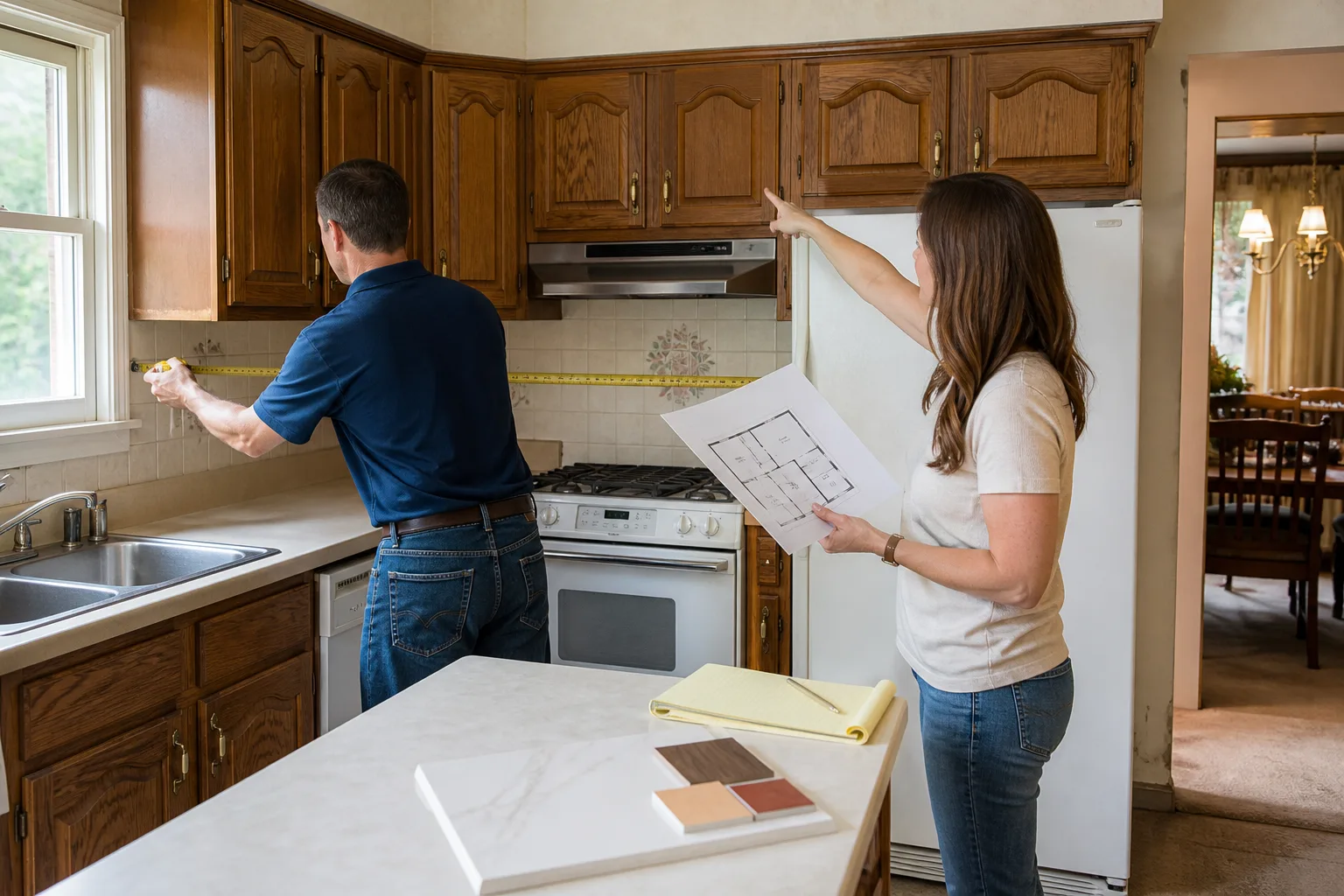
If you’re on the fence, get a written bid and use it as your pricing benchmark. A written number is the only way to make a fair comparison. Penhallow Remodeling Anaheim offers free written estimates in Anaheim; every quote itemizes material, labor, permit cost, and the 365-Day Done Right Promise so the comparison is apples-to-apples. Call (844) 320-2908 to schedule yours, and if you want the whole-home view, the Bathroom Remodeling in Anaheim page walks through how we sequence multi-room Anaheim work.
Frequently Asked Questions
You can legally perform electrical work on a home you own and occupy, but the work still requires a permit and inspection if it goes beyond a like-for-like fixture swap, and unpermitted electrical work becomes a material disclosure item when you sell. In practice, most homeowners hire a licensed electrician for anything involving a panel, new circuit, or new outlet, because the inspection requirements and long-tail liability outweigh the savings on any single job.
Mid-range full bathroom remodels in Anaheim typically run $18,000 to $35,000, with the range driven by tile selection, fixture line (Kohler and Moen are the most common mid-to-upper choices), whether the layout moves plumbing, and whether the permit covers a full gut. A cosmetic refresh (paint, reface, new vanity and fixtures) runs $4,000 to $9,000. Call (844) 320-2908 for an exact written quote; estimates are free and itemized.
With Penhallow, no. Every job gets a written price before any work starts, and the Kingswell standard is that the number on day one is the number on the invoice. The two legitimate exceptions are latent conditions hidden behind drywall that no inspection could have found, and owner-requested scope changes made after signing. Both are handled with a written change order before the work continues.
Yes. Every Anaheim permit-required job is permitted and inspected under our license, and the inspection record lives with your property so future buyers and lenders can verify the work. Pulling permits is part of the standard scope on kitchen, bath, and whole-home remodels in Anaheim, not an add-on.
The correction has to be made to code and re-inspected, which usually means opening the wall or floor to expose the work, correcting the defect, scheduling a re-inspection, and closing everything back up. In the Anaheim market, the correction cost typically runs 40% to 90% above the original professional quote for the same scope. Because unpermitted work is a material disclosure item, the correction also has to be documented before the home can sell.
A mid-size Anaheim kitchen remodel (layout unchanged, cabinets and countertops replaced) typically runs 5 to 8 weeks from demo to punch list, with the longest single item usually being countertop fabrication from Cambria, Silestone, or Caesarstone (2 to 4 weeks from template to install). A layout-change kitchen with plumbing relocation runs 8 to 12 weeks. We give a written arrival window and a written schedule up front so the timeline is visible from day one. Call (844) 320-2908 to talk through your specific scope.
The Bottom Line
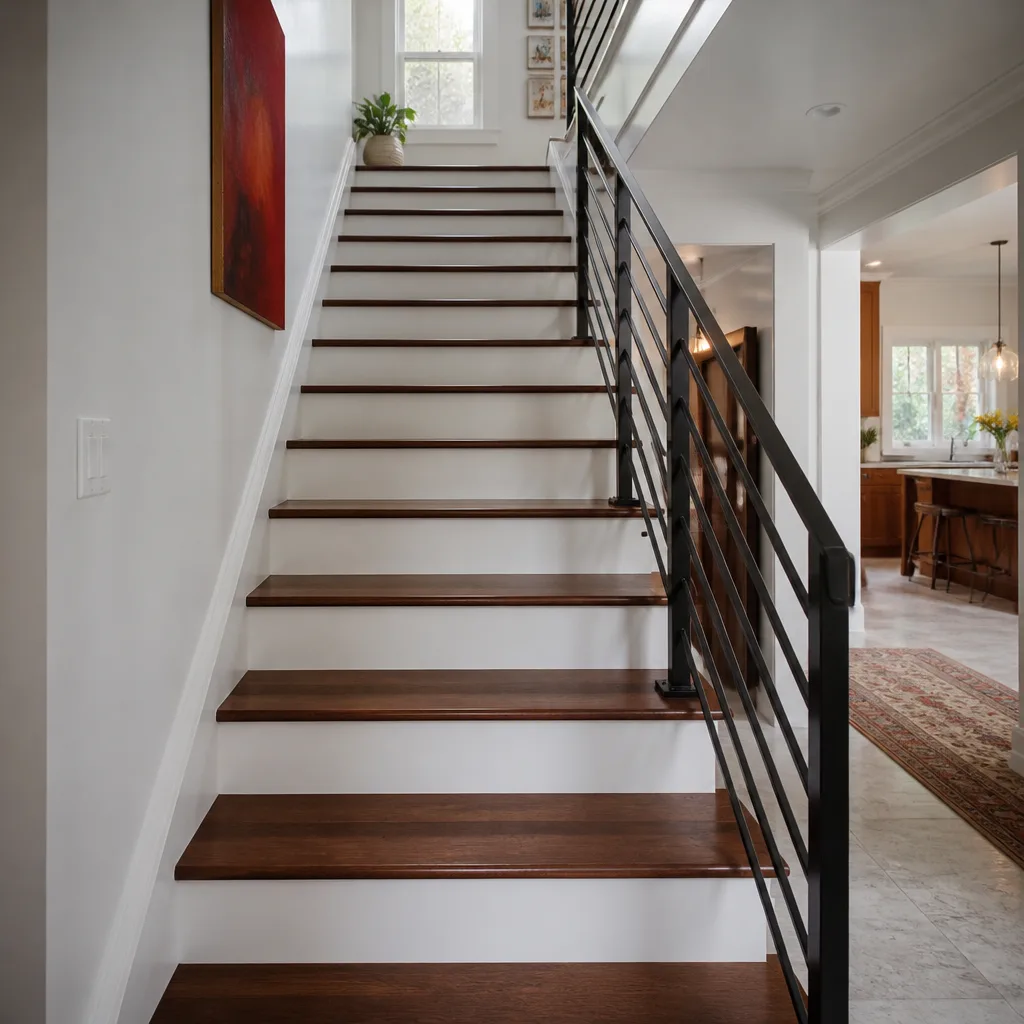
The Anaheim DIY-versus-pro decision is a permit-and-liability decision first, and a money decision second. Cosmetic work with no permit trigger is a fair DIY candidate; permit-required work, hidden work, and exterior envelope work pays back the professional cost the first time you avoid a correction. If you take one thing from this guide, take this: a written bid is the cheapest tool in your toolbox, because it turns a vague “we’ll see” into a real number you can compare against the DIY version. That comparison is where the decision gets easy. Penhallow Remodeling Anaheim quotes every project in writing with a written guarantee and the 365-Day Done Right Promise included, and our technicians arrive background-checked and in uniform on every job.
Ready for a number you can work with? Call (844) 320-2908 for a free written estimate on your Anaheim project. A live person answers around the clock, and every quote itemizes material, labor, permit, and guarantee before you commit to a single dollar of work.
Written by the team at Penhallow Remodeling Anaheim.
See the difference
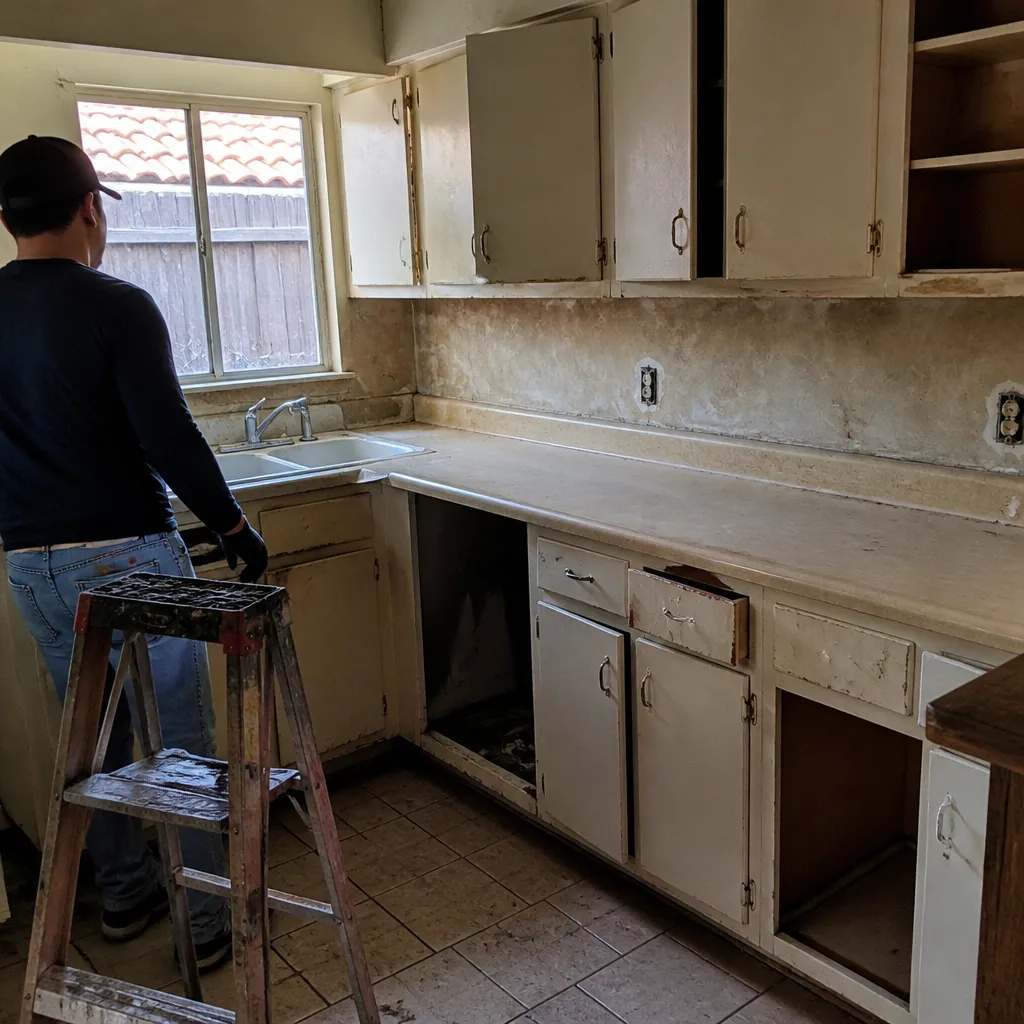 Before
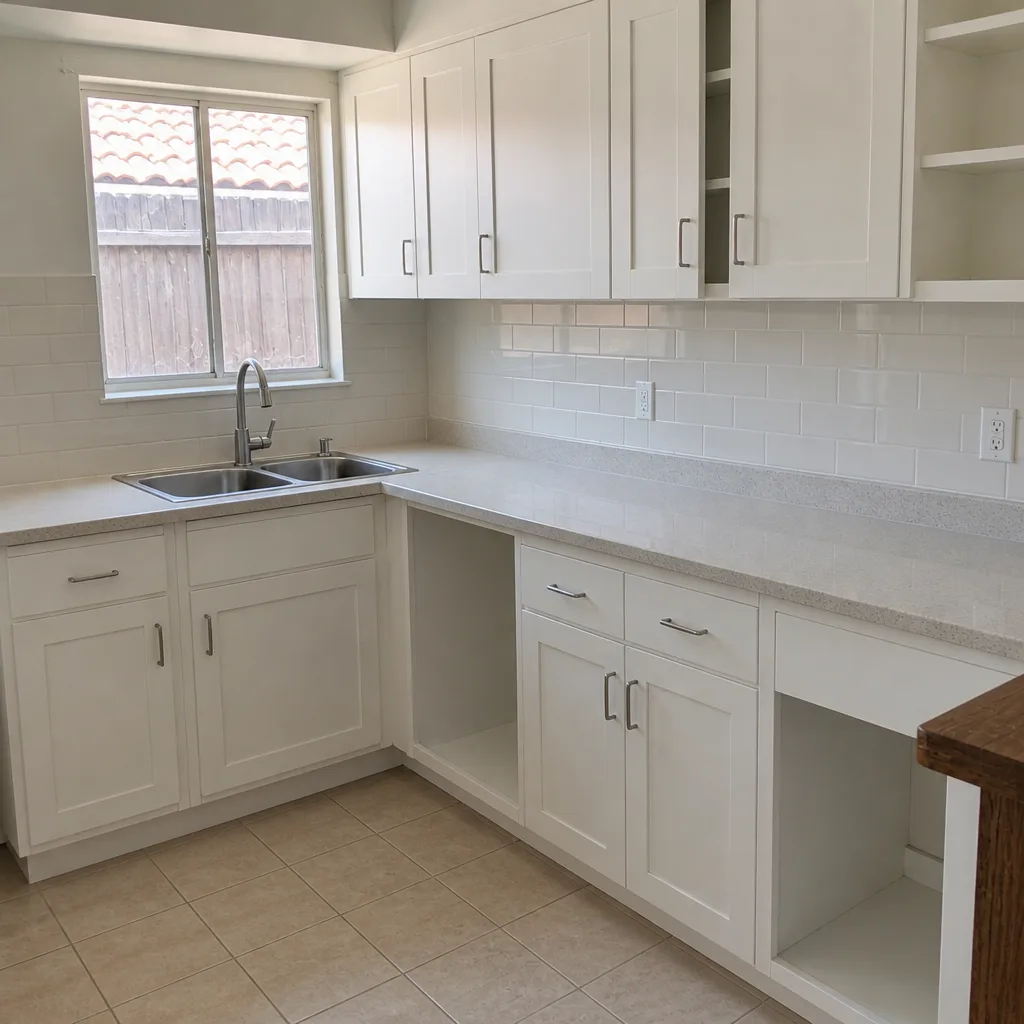 After
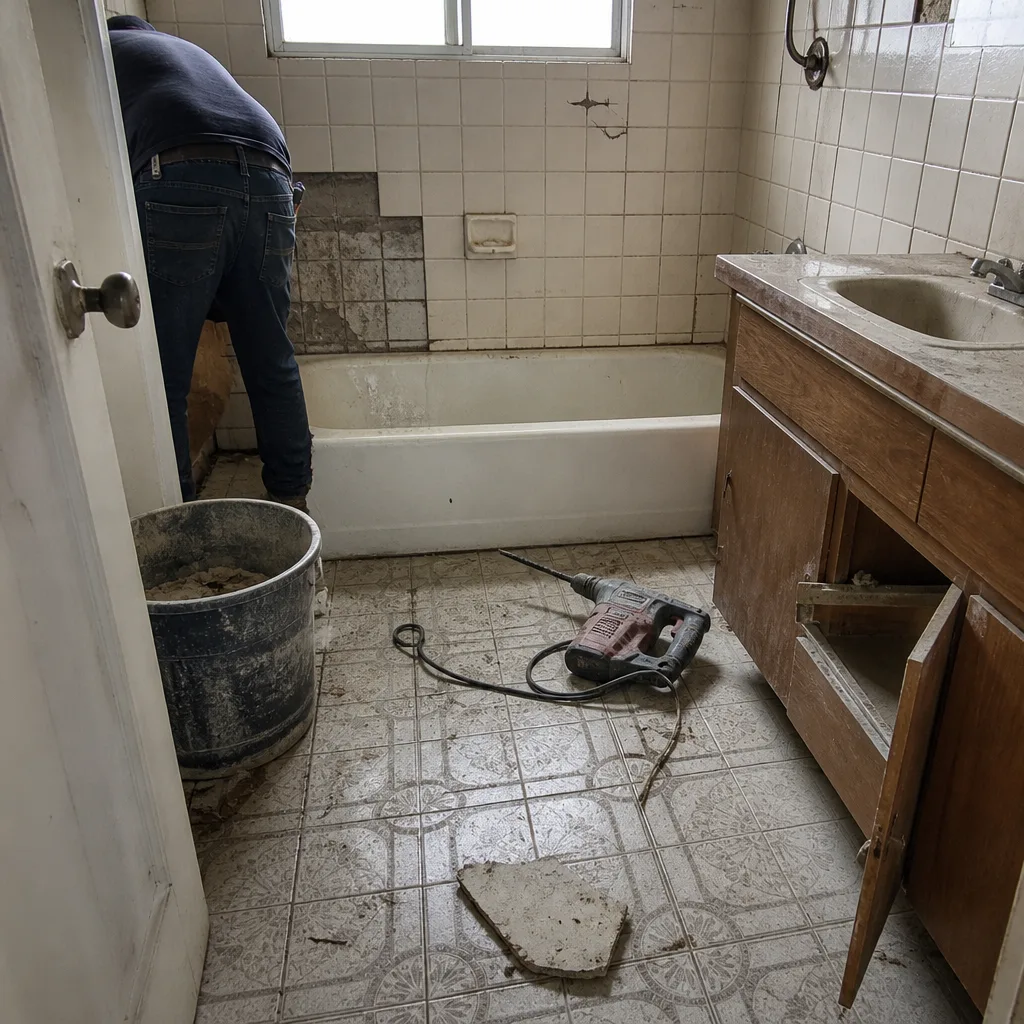 Before
 After
 Before
 After