
Last updated November 18, 2026








Free written scope consultation - allowances, timeline, and change-order rules on paper before a single trade is scheduled
General Contractor Troubleshooting: Common Problems and How to Fix Them
The California Contractors State License Board received over 18,000 complaints in a recent year, and their own data shows the top cause isn’t shoddy workmanship. It’s abandonment and contract disputes, the kind that could have been prevented with one written document. If you’re in Anaheim and a remodel has gone sideways, the fix usually doesn’t start with a confrontation in your driveway. It starts in a folder. This guide is a problem-by-problem framework for resolving contractor trouble using the paperwork trail, and it’s written for homeowners who want a clear standard to point to when something goes wrong.
Quick Answer
Most contractor problems get resolved by first pinning down whether the issue is a workmanship defect or a change you approved, then sending a dated written notice and building a photo-and-log trail before you escalate. In California, you generally must give a contractor written notice and a chance to fix the issue before you can legally withhold final payment or hire someone else to finish the job. When a verbal promise replaces a written scope, the homeowner usually loses the argument.
Styles & brands we work with
- Kitchen remodeling
- Bathroom remodeling
- Home additions & ADU
- Roofing
- Windows & doors
- Driveway & pavers
- Fence
Table of Contents
- Workmanship Defect vs. Approved Design Change: Who Pays?
- The Written Notice You Must Send Before Withholding Payment
- When a Subcontractor Files a Mechanics Lien on Your Anaheim Home
- How to Document Mid-Project Problems That Hold Up
- Warranty Fix vs. Formal CSLB Complaint: Which Path?
- What Rework Actually Costs in Anaheim
- Should You Fire Your Contractor and Start Over?
Workmanship Defect vs. Approved Design Change: Who Pays?
This is the single distinction that decides who writes the check, and it comes up on nearly every Anaheim remodel we’re asked to look at. A workmanship defect is work that doesn’t meet the standard the contract set or the building code requires. An approved design change is something you signed off on, even if you later decided you don’t like the result. The contractor’s warranty covers the first. The second is yours to pay for.
So how do you tell them apart? Reach for the scope document. It should name materials, dimensions, and standards. If your contract says a tile floor will sit flat within a certain tolerance and you can rock a marble across it, that’s a defect. If you verbally told the tile setter “just pick a grout color,” that’s a change order whether or not anyone wrote it down.
- Defect: a Kerdi shower pan that leaks because the waterproofing (the membrane that keeps water inside the shower) wasn’t lapped correctly. Covered.
- Change: swapping the hex tile you approved for a larger-format tile because you changed your mind. You pay the difference.
- Defect: cabinets hung out of level against a code requirement. Covered.
- Change: upgrading from a Wellborn standard cabinet to a KraftMaid semi-custom line because you wanted a taller upper. You pay.
Our advice: before any fix discussion, photograph the condition, pull out the signed scope, and mark exactly where the work diverges from it. Then look at our general contractor in Anaheim page to see how we write a scope that pins the standard down in the first place.
The Written Notice You Must Send Before Withholding Payment
In California, you can’t simply stop paying and hire someone else to finish the job. The law gives the contractor an opportunity to cure, and your job is to put that opportunity in writing. If you withhold final payment without giving written notice and a reasonable window to fix the problem, you can end up owing the money anyway, plus a mechanics lien on the property.
Here’s the sequence that protects you:
- Write it down. A dated letter or email listing each problem, referencing the contract page, and stating what standard the work fails. Be specific. “Tile is crooked” won’t do; “Hall bath floor tile at the doorway is lipped 3/16 inch between adjacent tiles” will.
- Set a cure window. A reasonable number of days, in writing, for the contractor to inspect and fix. Twenty-four hours is not reasonable; a week usually is for a small defect.
- Send it so it’s traceable. Certified mail or an email with return acknowledgement. Keep the tracking receipt.
- Keep paying for work you accept. Withholding the whole invoice over one defect looks punitive to an arbitrator. Withhold only the amount tied to the dispute.
- Don’t hire the next guy yet. Wait out the cure window. If the contractor abandons the job or refuses to respond, you now have documentation for termination and are on much firmer ground.
That trail of dated, specific, delivered-to-the-contractor notices is what turns a “he said, she said” into a file that holds up. It’s also how you avoid the most expensive mistake in the whole process: tearing out work you were never legally cleared to replace.
When a Subcontractor Files a Mechanics Lien on Your Anaheim Home
A mechanics lien is a legal claim on your property by someone who wasn’t paid for work or materials. Here’s the part that surprises homeowners: if your general contractor pays their subs and suppliers, you’ll never see one. If the GC doesn’t pay, the subcontractor or material supplier can pursue you even if you paid the GC in full.
California law gives subs and suppliers a narrow window to protect themselves. A preliminary notice (the written heads-up that a subcontractor intends to file a lien) is often due within 20 days of starting work, and a mechanics lien itself typically must be recorded within 90 days of completion, with further deadlines to enforce it. That means when a notice like this lands in your mailbox, you have a short fuse. Don’t set it aside.
- Read the preliminary notice carefully. It tells you who the sub is and what they’re owed. It’s not a lien yet, but it’s the early warning.
- Ask your GC in writing for proof of payment. A lien waiver for each sub and material supplier is the clean proof. If your GC can’t produce it, that’s the moment to get a construction lawyer on the phone.
- Ask for a condition waiver. Subcontractors and suppliers can sign a release of lien rights as part of getting paid.
- Don’t pay twice blindly. Paying the subcontractor directly when your GC still thinks they’re owed creates its own mess. Talk to a lawyer first.
Our own contracts hold money back at each milestone until the subs are paid and their lien waivers are signed. That’s not a courtesy. It’s how a homeowner in Anaheim keeps a lien off the title.
How to Document Mid-Project Problems That Hold Up
Arbitration and CSLB mediation both turn on evidence, and the evidence comes from what you can show happened on a specific date. If you start a folder on day one, you’ll have a clean story by the time trouble shows up.
Here’s what we’d build:
- A dated photo log. A camera or phone with the metadata on. Take a photo of every room before, during, and after each phase. Include a shot with a ruler or a coin next to the defect so the size is obvious.
- A written communication log. One note per conversation: date, time, who you spoke to, what they promised. Even a two-line email confirming the call does the job.
- Keep the original contract, all change orders, and every invoice. Scan them, back them up, and don’t let the file walk out the door.
- Photograph labels and packaging. When a kitchen or bathroom is going in, the box says what material was actually delivered. Compare that against the spec in the contract. This is how a “KraftMaid quoted, off-brand installed” dispute gets caught in a day.
- Note the inspections. Anaheim permits go through the city’s building department, and inspection records live on file. Those records are evidence, so get the permit number and keep it.
If you haven’t seen it yet, our bathroom remodeling in Anaheim page shows what a written scope should look like before demolition begins. A good scope is the reason you rarely need this folder.
Warranty Fix vs. Formal CSLB Complaint: Which Path?
These are two different tools, and reaching for the wrong one wastes time. The workmanship warranty is where you start. The CSLB complaint and arbitration are where you go if the warranty route stalls or the contract has been broken in a serious way.
Use the warranty route when: you have a functional defect within the coverage period, the contractor is still reachable, and the fix is something they’re clearly obligated to do. A manufacturer defect on a Kohler or Moen fixture, or a hairline crack in a shower curb, are typical examples. Ask in writing, set a date, and hold them to your own written guarantee.
Use the CSLB complaint route when: the contractor abandons the job, refuses to respond to written notice, works without a license, or the defect is a code violation that would fail inspection. In those cases the CSLB can mediate, arrange inspection, and in some cases refer a case for arbitration. Their process moves faster when you hand them the written notice, the photo log, and the contract.
Now the plain truth about why we put a 365-Day Done Right Promise in writing on every project. If work fails inside that window, we come back and fix it at no charge. A homeowner who can point to a written guarantee doesn’t need to file a complaint. That’s the whole point.
What Rework Actually Costs in Anaheim
When a fix gets assigned to a second contractor, the price is often higher than the original work. Not because anyone’s gouging. It’s because the new crew has to demo, then redo, and demolition is the expensive half of most jobs. Here are honest ranges so you can budget for a fix or push back on a lowball fix-and-forget quote.
- Shower pan redo (demo and re-waterproof): $2,800 – $6,500
- Tile floor repair for a lippage or hollow-tile problem: $900 – $2,400
- Cabinet rehang or reinstall: $700 – $2,000
- Countertop replacement (Cambria, Silestone, or Caesarstone): $2,500 – $7,500 for a typical kitchen
- Siding repair on a James Hardie or Boral wall for a flashing defect: $600 – $2,200
- Drywall and paint patching after a rework: $400 – $1,500
Set those numbers against the kitchen remodel range, which in Anaheim typically runs $18,000 – $55,000 depending on layout, cabinet line, and countertop. Even one rework issue is a meaningful percentage of the job. That’s why the scope and the guarantee matter more than the size of the check on day one.
Should You Fire Your Contractor and Start Over?
Sometimes yes, and you should know the signs before you sink six more weeks into a remodel that isn’t moving. Firing a contractor is a real decision and one worth making with the file in hand, not in the heat of a bad phone call.
Fire when:
- The contractor has stopped showing up for two weeks with no explanation and no written plan to return.
- They ignored a written notice of a defined defect inside the cure window you set.
- They demand full payment for work that isn’t installed, or they ask for cash outside the contract terms.
- You see unpermitted work, or the crew can’t produce the permit number.
- A license check turns up a lapsed or suspended license.
Don’t fire when:
- You approved a change, it got built, and now you don’t like it. That’s a you problem, not a contractor problem.
- You’re mid-phase and the only issue is a tight but documented schedule slip. Get a written schedule instead.
- You haven’t sent written notice yet. Without that notice, you weaken your legal position and can owe payment anyway.
If you do part ways, do it in writing. Terminate the contract under its terms, demand the release of any lien rights, get a final accounting, and keep your permit and inspection records. Then look at our kitchen remodeling in Anaheim page for what a clean restart looks like.
Common Mistakes to Avoid
- Accepting a verbal scope. If “what done looks like” isn’t written, you have no standard to point to. Anaheim’s permit process doesn’t fix that, and neither does a handshake.
- Paying the full invoice before inspection. Anaheim building department inspections are your evidence. Hold the money back until the inspection passes.
- Stopping payment without written notice. California gives the contractor a cure window. Skip the notice and you may still owe the money.
- Ignoring a preliminary lien notice. The sub’s written heads-up has a short fuse. Ignore it and you can end up paying twice for the same work.
- Changing your mind and calling it a defect. A design swap you approved is a change order, and you pay for it. This is the most common dispute we see in Anaheim homes.
- Photographing only the mess. A photo with no date, no scale, and no room name is weak evidence. Shoot with metadata on and a coin or ruler beside each defect.
- Hiring a friend of a friend with no license. In Anaheim, unpermitted work can torch your insurance and stall a future sale. Verify the license before the first load of material.
See the difference
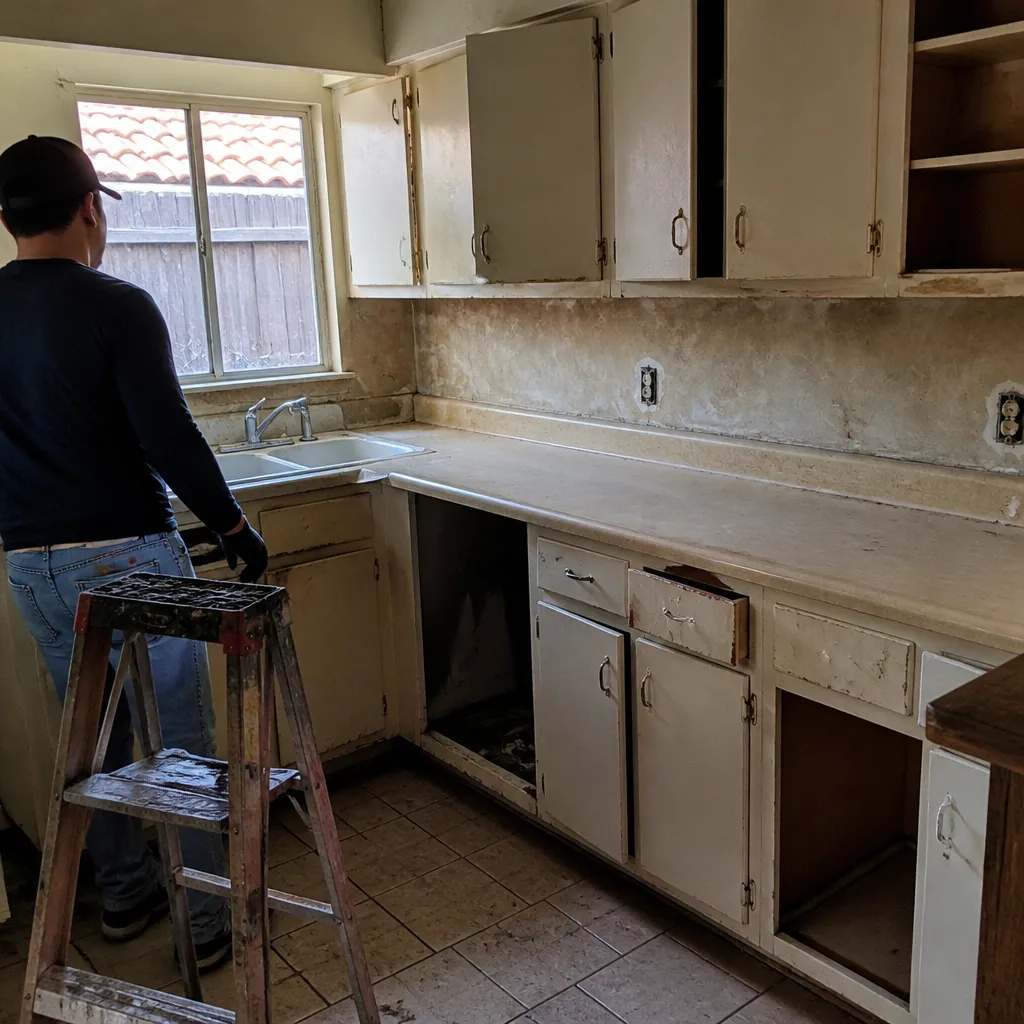 Before
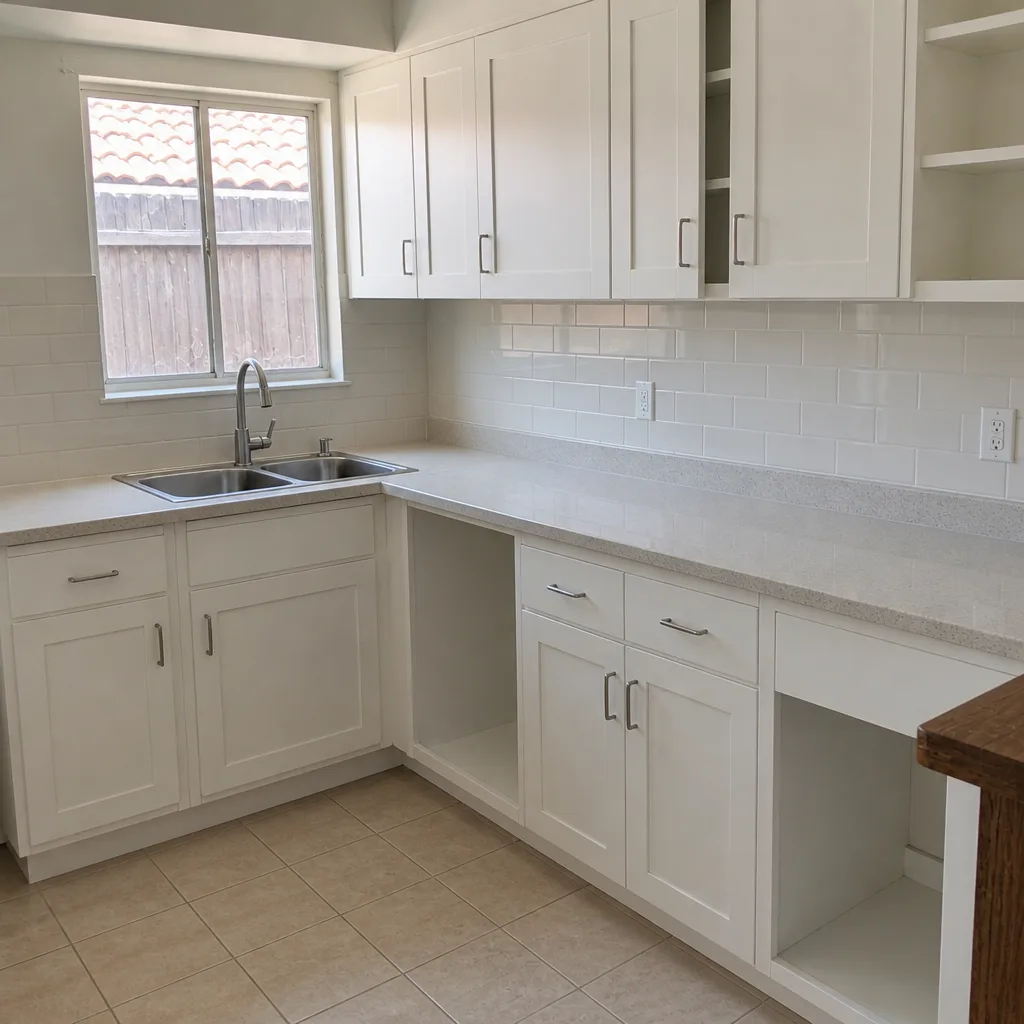 After
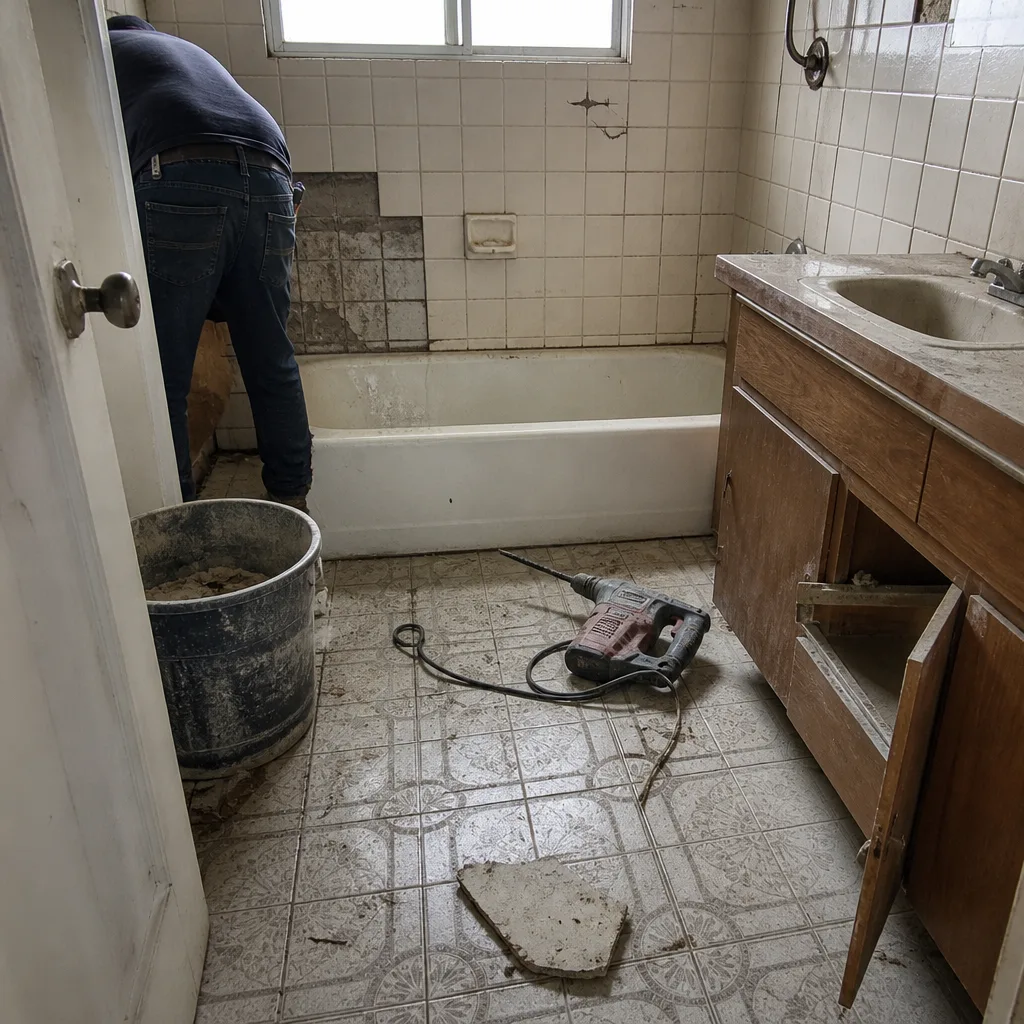 Before
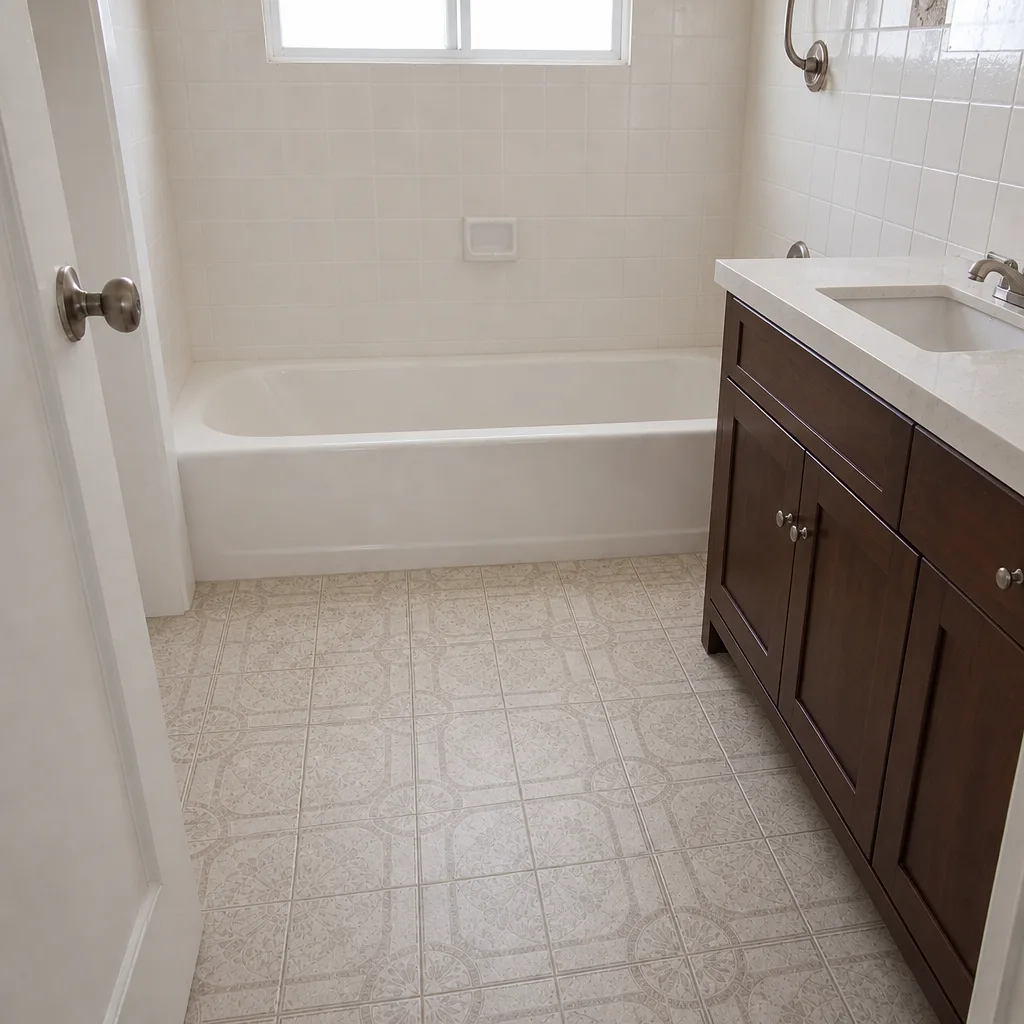 After
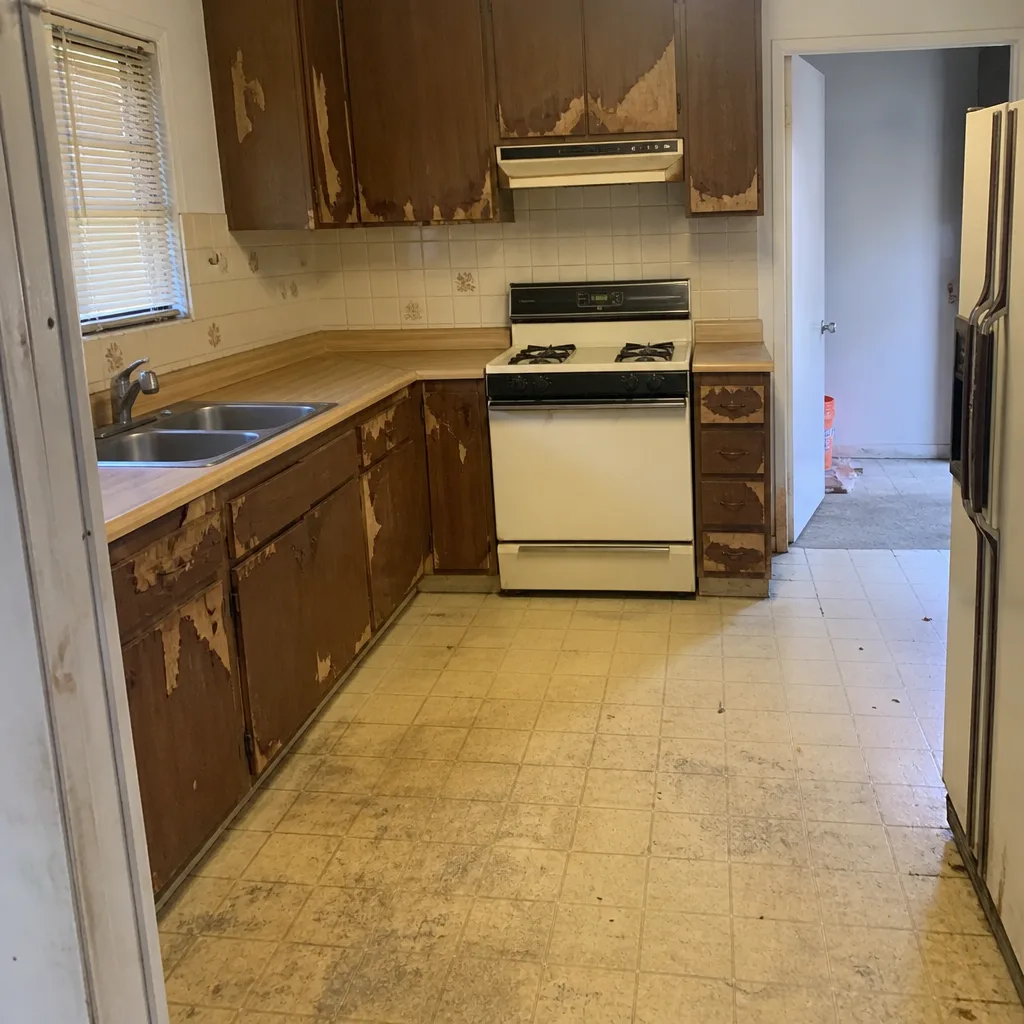 Before
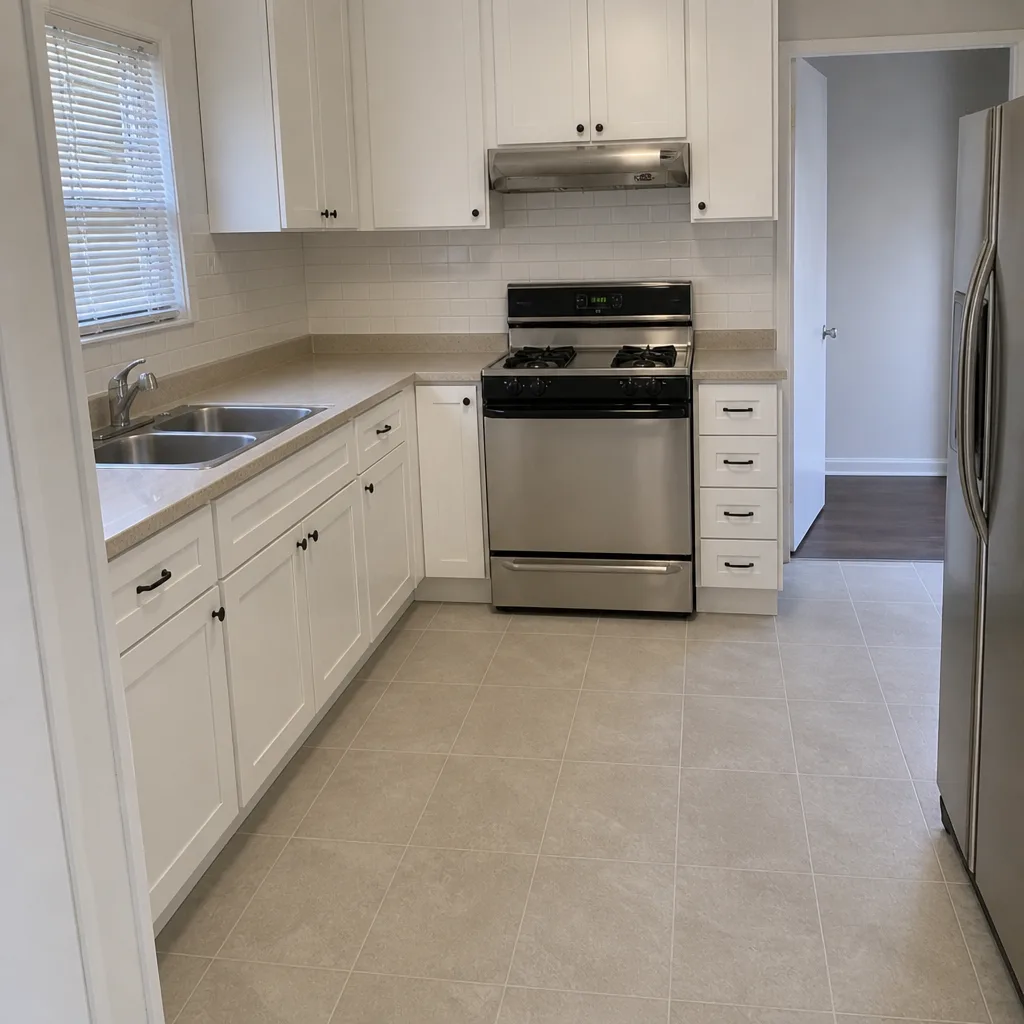 After
When to Call a Professional
Call a licensed contractor when a fix requires re-opening a wall, re-doing waterproofing or structural work, repairing a defective electrical or plumbing installation, or pulling a permit. Never try to re-hang cabinets or re-set a tile floor on a failing substrate (the layer your finished surface sits on) as a homeowner. The fix is cheap compared to the liability. If you’re weighing a second opinion on a failed job, get a written assessment before anyone tears anything out. A short conversation with a real professional will tell you whether you’re facing a $900 touch-up or a $6,500 redo, and you’ll know whether to pursue the warranty or the complaint route. Penhallow Remodeling Anaheim offers free estimates in Anaheim, and you can call (844) 320-2908 to schedule a visit.
Frequently Asked Questions

Rework in Anaheim usually runs 15% – 40% of the original job cost, which is why a bad kitchen or bath remodel can cost $4,000 – $15,000 to correct. The cost is anchored by demo, substrate repair, and the reinstall itself. If the warranty is still live, the contractor’s guarantee should cover the fix at no charge, so check that before you spend on a second opinion. Call (844) 320-2908 for an exact quote and a free estimate.
You can withhold payment for the disputed portion, but only after sending the contractor written notice of the specific defect and a reasonable cure period. Withholding the full invoice without notice weakens your position and can trigger a mechanic’s lien. Keep paying for work you’ve accepted and dispute the rest in writing. Call (844) 320-2908 to schedule a free second opinion.
The workmanship warranty covers how the product was installed; the manufacturer’s warranty covers defects in the product itself. A Cambria quartz countertop carries its own lifetime warranty, and the install is covered by the contractor’s written guarantee. When you file a claim, name the right warranty: a cracked edge is a manufacturer issue, a poorly seamed edge is a workmanship issue. Call (844) 320-2908 for a free estimate.
Yes, in almost every case. California gives the contractor the right to cure a defect, so written notice of the defect and a reasonable window to fix it must come first. If the contractor abandons the job or refuses to respond, the written notice becomes your record for a legal termination. Build that paper trail before the next crew arrives. Call (844) 320-2908 for a free estimate.
CSLB complaints on a contractor’s work are generally accepted within a set window measured from the date of the issue, so file promptly rather than waiting for one more callback. For the fastest path, assemble your contract, written notice, photo log, and inspection records before you file. The board’s own data shows abandonment and contract disputes move fastest when the file is complete. If you’d like to stop the problem at the source, call (844) 320-2908 for a free estimate on your next project.
You know because it’s in the written scope and you’ve verified the permit number with the city before work starts. A permit is not a courtesy; it’s the record that a government inspector reviewed the work. Refuse to sign if the contract is silent on who pulls it and who pays the fee. A written price and written guarantee from the start is the cleanest protection. Call (844) 320-2908 for a free estimate.
The Bottom Line
The disputes that wreck remodels are almost never about bad craftsmanship. They’re about a contract that never defined what “done” looks like. The fix is unglamorous: put the standard in writing, log it with dates and photos, send a specific written notice before you withhold payment or hire a replacement, and know the difference between a warranty fix and a CSLB complaint. Anaheim homeowners who keep that folder win the argument before it starts. That’s also the reason we put the price and the guarantee in writing on every job. The best trouble to troubleshoot is the trouble that never happens.
If you’d like a written timeline and a written price before anything gets torn out, see how we work on our Penhallow Remodeling Anaheim home page.
Reach us at (844) 320-2908 for a free estimate. Live phone coverage answers around the clock, every technician is background-checked and arrives in uniform, and the 365-Day Done Right Promise rides with every job in writing.
Written by the team at Penhallow Remodeling Anaheim.