Last updated November 18, 2026




Free written scope consultation - allowances, timeline, and change-order rules on paper before a single trade is scheduled
DIY vs Professional General Contractor: What’s Safe to Do Yourself
In California, a homeowner can legally pull their own permit and do their own construction work. That surprises most people. But here’s the part that doesn’t show up in the how-to videos: if you sell within a certain window and the electrical or plumbing was done without a licensed trade contractor, your buyer’s inspector will flag it, and you’ll either pay to open the walls or reprice the house. We’ve watched Anaheim homeowners save $4,000 on a DIY bathroom and lose $19,000 at the closing table. This guide draws the legal line, not just the skill line, so you know exactly what’s safe to take on yourself and what belongs in the hands of a licensed professional.
Quick Answer
In California you can safely DIY cosmetic work that needs no permit: painting, tile backsplash, cabinet hardware, light fixtures on existing wiring, and flooring over a sound subfloor. You should never DIY electrical panel work, gas line changes, or anything structural, regardless of whether a permit is involved, because those tasks are licensed-trade-only in California and doing them yourself can void your homeowner’s insurance and complicate your sale.
Styles & brands we work with
- Kitchen remodeling
- Bathroom remodeling
- Home additions & ADU
- Roofing
- Windows & doors
- Driveway & pavers
- Fence
Table of Contents
- The Legal Line: What California Actually Lets You Do
- California Owner-Builder Permits and the Sale Disclosure
- Tasks That Are Always Licensed-Trade-Only in California
- The Insurance Gap Nobody Warns You About
- Cosmetic vs Structural: An Honest Skill-and-Risk Matrix
- How to DIY Alongside a General Contractor Legally
- Anaheim-Specific Rules, Climate and Market Reality
- When to Call a Professional
The Legal Line: What California Actually Lets You Do
The question isn’t whether you’re capable. It’s whether the work triggers a permit, touches a load-bearing element, or involves a licensed trade. California splits home improvement into two worlds: work that requires permits and trade licenses, and work that needs neither. Understanding where your project lands tells you more than any skill assessment ever will.
The Business and Professions Code is the source of truth here. Any project over $500 in combined labor and materials requires a licensed contractor to perform it for hire, but homeowners can work on their own residence. That carve-out is broad, and it’s also where people get hurt.
Here’s what you can self-permit as an owner-builder:
- Interior painting and drywall finishing
- Tile installation on floors and backsplashes
- Cabinet refacing and hardware replacement
- Flooring installation over existing subfloor
- Fence and low retaining wall construction (under 4 feet)
- Patio and hardscape installation
- Minor plumbing fixture swaps that do not alter supply or drain lines
What usually requires a permit before work starts, even for an owner-builder:
- Any structural change, including moving or removing walls
- Electrical panel upgrades or new circuits
- Gas line work of any kind
- Bathroom and kitchen remodels that alter plumbing or ventilation
- Window and door replacements that change the opening size
- Roof replacements and additions
In our experience working kitchens and bathrooms across Anaheim, the projects that trip people up are the ones in between. Replacing a shower pan, for example, looks cosmetic but often requires a permit because it touches the drain and waterproofing behind the tile. When we walk through a home in the Colony District or the Packing House neighborhood and see a secondhand tile job that was never permitted, the first thing we pull is the framing.
California Owner-Builder Permits and the Sale Disclosure
California lets you pull what’s called an owner-builder permit. You sign a form declaring yourself the contractor of record, and you accept full legal responsibility for the work. That includes the warranties. When something fails inside a year, there’s no contractor to call. There’s only you.
Here’s the part that costs sellers real money. If you sell your home within one year of completing owner-builder work, California Civil Code requires a written disclosure to the buyer stating that the work was done by the owner without a licensed contractor. Your buyer’s inspector reads that disclosure, then looks harder. The work gets re-inspected, sometimes opened up. In Anaheim’s 2024-2025 market, we’ve seen homes reprice by $15,000 to $40,000 over unpermitted or self-permitted work that failed the buyer’s inspection.
The one-in-five-years restriction matters too. If you self-permit and occupy, you’re fine. If you self-permit and resell, the CSLB can treat it as contracting without a license, which is a misdemeanor. The rule is designed to prevent flippers from using the owner-builder exemption to sidestep licensing.
What does this look like in practice? Picture a home near Pearson Park where the owner replaced a bathroom shower and pulled the permit themselves. They sold in eighteen months. The buyer’s inspector flagged the missing waterproofing membrane behind the tile, the disclosure form named them as the contractor, and the price dropped $18,000. The work itself was fine. The paperwork wasn’t.
What a Legitimate Permitted Remodel Looks Like
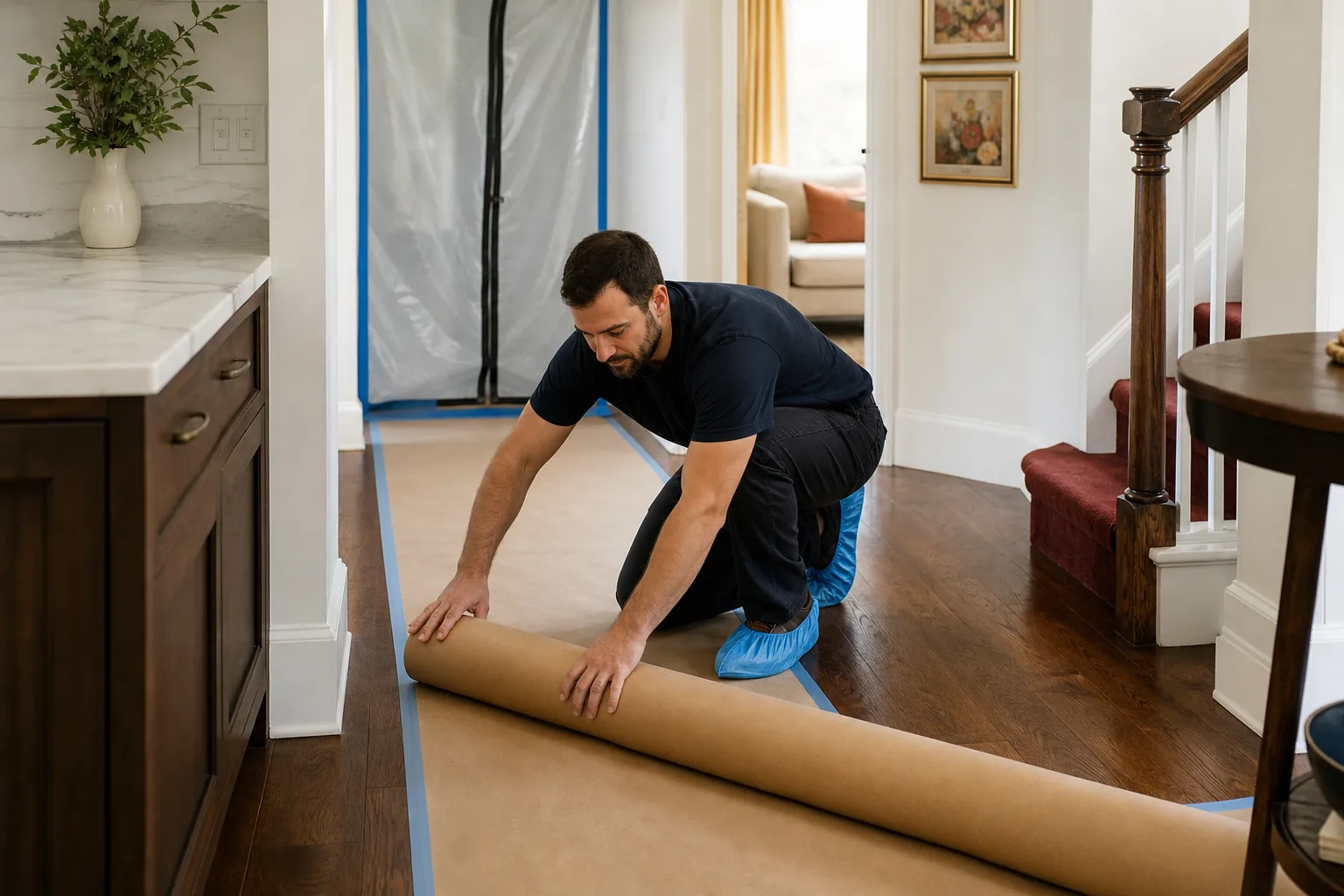
When our team at Penhallow Remodeling Anaheim as your General Contractor in Anaheim runs a permitted remodel, the sequence matters as much as the finished tile. Here’s the order:
- Pull the permit before demo day. No verbal start.
- Show the inspection schedule to the homeowner before work begins.
- Have every licensed trade subcontractor carry their own license and insurance.
- Schedule rough-in inspection after framing and trade work, before drywall.
- Pass final inspection and hand the signed-off permit to the homeowner as part of the closeout packet.
That signed permit card is the thing that protects your resale value. It’s the piece of paper that tells the next buyer’s inspector the work is documented and legal.
Tasks That Are Always Licensed-Trade-Only in California
Some work belongs to licensed trades, period. Not because the state is trying to protect a guild, but because the consequences of getting it wrong are catastrophic. Three categories always fall into this bucket regardless of permit status:
- Electrical panel work. Panel replacement, service upgrades, sub-panel additions, and any new circuits all require a licensed electrician and a permit. The panel is the single most dangerous component in a home. A miswired neutral can energize a metal appliance case, and a homeowner touching a running washing machine becomes a path to ground. We don’t coach homeowners on panel work, and we’d recommend you don’t take that on either.
- Gas line changes. Running a new line for a range, converting a gas dryer, or relocating a water heater all require a licensed plumber and a permit. Confirmation testing is part of the job and not something a homeowner can replicate with a match and a prayer.
- Structural modifications. Removing a wall, enlarging a door opening, adding a beam, or cutting a truss all need an engineer’s stamp, a permit, and a licensed contractor to execute. Most people assume the wall they want to remove isn’t load-bearing. About half the time it is, and the consequences show up as a cracked foundation two years later.
Beyond those three, roofing, HVAC installation, and window replacements that change the opening require licensed contractors and permits in California. Window quality is worth naming here because we install Therma-Tru doors and windows on many Anaheim projects. The permit still applies regardless of the brand on the box.
The Insurance Gap Nobody Warns You About
Standard California homeowner policies require that work on the home be done to code, and most policies explicitly exclude losses attributable to unpermitted or non-compliant construction. That exclusion rarely shows up until you file a claim. A homeowner who installed a bathroom vanity circuit themselves and later has a water leak behind the wall discovers the problem only when the adjuster asks who did the plumbing and whether it was inspected.
Here’s how the gap plays out in real claims:
- A slow water leak from a self-installed fixture fails the failsafe test. Carrier denies.
- A fire traced to a self-modified circuit gets denied. Carrier cites unpermitted electrical.
- A structural issue tied to a self-removed wall is denied. Carrier points to non-engineered construction.
Some carriers will still pay the loss but non-renew the policy afterward. That’s often worse than the denial, because finding a new carrier with a non-renewal on record is difficult and expensive.
What closes the gap? A permitted, inspected project. The permit card is the paper trail the adjuster wants. When we run a bathroom remodel in Anaheim, the homeowner ends up with an inspection sign-off, and that single document is often the difference between a claim being paid and denied.
Cosmetic vs Structural: An Honest Skill-and-Risk Matrix
Not all DIY decisions come down to permits. Some come down to whether a mistake is recoverable. A bad paint job can be repainted. A bad tile job can be redone. A bad structural decision cannot always be undone, and it can shorten the life of the house.
Cosmetic and safe to DIY (low risk, no permit):
- Interior paint and trim finishing
- Tile backsplash and grout work
- Cabinet hardware and hinges
- Light fixtures swapped on existing junctions
- Faucet and showerhead replacement on existing plumbing
- Interior shelving, floating or bracketed
- Closet organizers, closet doors, blinds
Structural or trade-critical, hire a licensed professional:
- Any wall removal or new opening
- Reconfiguring a kitchen or bath footprint
- New or replaced electrical panel
- Gas line or drain relocation
- Shower pan and tile waterproofing in a wet area
- Window or door size changes
- Attic or roof modifications
The gray zone, where the answer depends on your home:
- Replacing a water heater (permit and licensed plumber in most jurisdictions)
- Building a deck (permit threshold depends on height and size)
- Replacing a bathroom vanity (permit not usually required, but plumbing changes may be)
- Adding a wall-mounted TV (find the studs, but if there are none, stop)
In our experience on Anaheim remodels, the gray zone is where homeowners get into trouble. A water heater swap seems simple until you’re on the phone with the city inspector trying to explain why there was no permit pulled for the gas connection.
How to DIY Alongside a General Contractor Legally
You can save real money on a permitted remodel by doing certain tasks yourself, and it’s legally clean as long as you don’t cross into the licensed trades. The trick is to sequence well and to protect the contractor’s guarantee. A contractor cannot warrant work they didn’t control, so anything you DIY during the project usually gets carved out of the guarantee in writing.
Here’s a safe sequence for DIY during a permitted kitchen remodel:
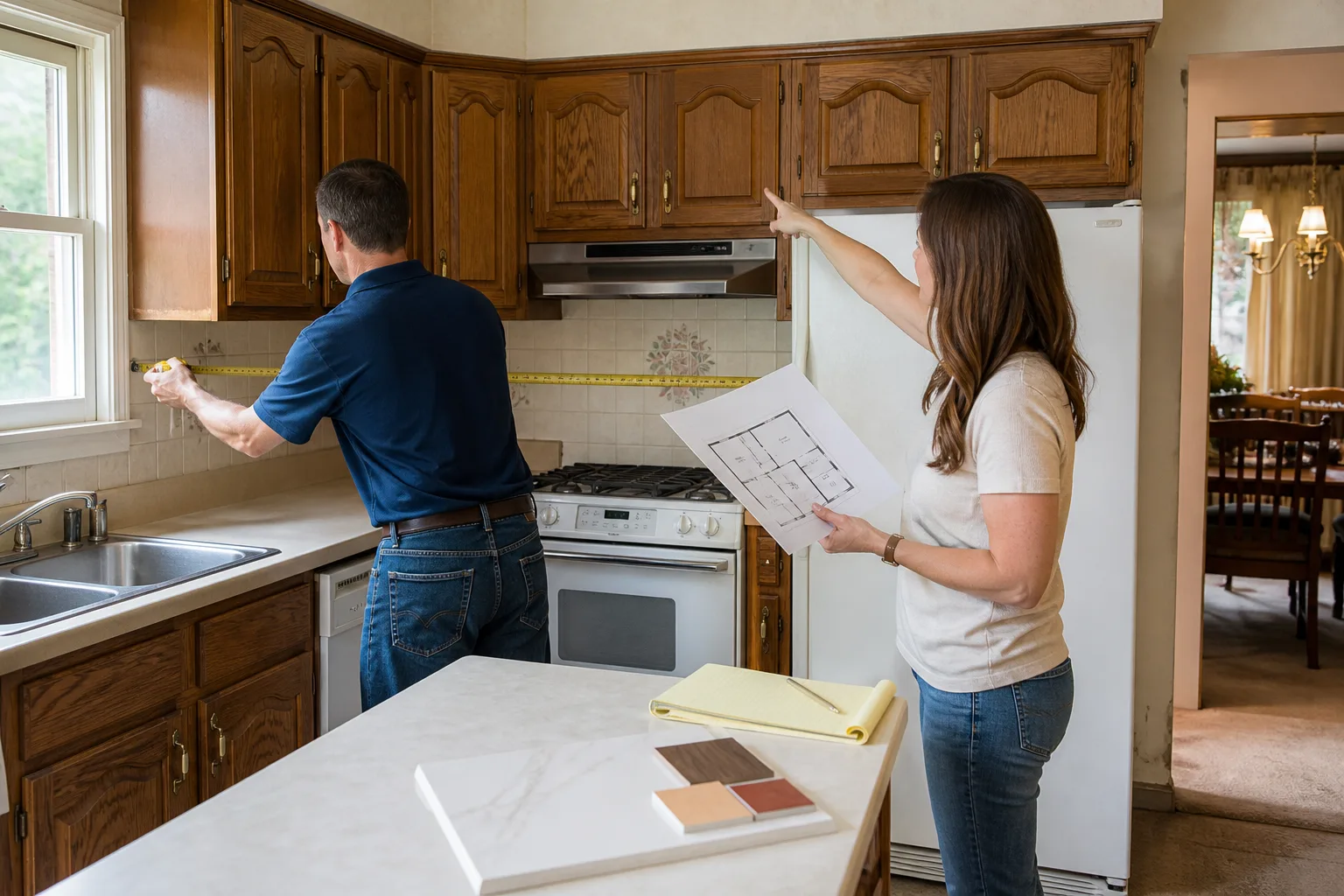
- Ask first, in writing. Confirm exactly which items the contractor will remove from their scope and from their guarantee.
- Demo the interior of the kitchen. You can pull cabinet doors, pry out the old countertop, and remove non-load-bearing fixtures. You cannot touch framing, walls, or plumbing lines.
- Handle paint and finish work. Once the substrate and cabinetry are installed and inspected, painting and trim can fall to you without an issue.
- Install hardware and small fixtures. Cabinet pulls, drawer guides, and towel bars are yours.
- Confirm inspections before you start any DIY. If the electrician needs to open a wall, that happens before paint goes up.
- Hand back the closeout packet. Your contractor’s paperwork will note what they didn’t do, and your guarantee will be limited to their scope. That’s normal and appropriate.
The rule: DIY only what the contractor has explicitly and in writing taken out of scope. Everything else stays under the guarantee. If your contractor won’t put that in writing, that’s the sign to call a different one.
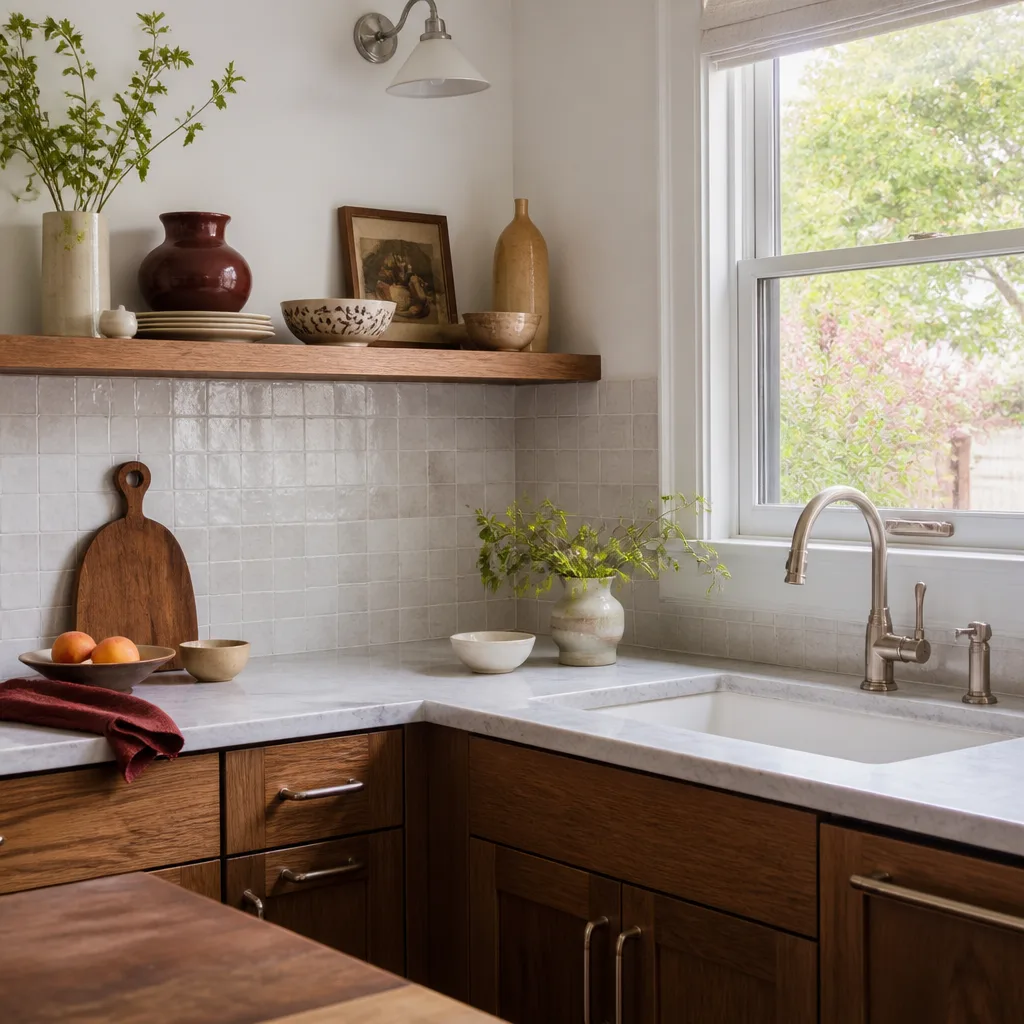
We see Anaheim homeowners save $3,000 to $6,000 on a kitchen remodel by painting, tiling the backsplash, and doing the finish hardware themselves. We also see them save $0 when the tile fails because they skipped the waterproofing step. Our Kitchen Remodeling in Anaheim page lays out the standard scope, and it’s worth reading before you decide what to take on yourself.
Anaheim-Specific Rules, Climate and Market Reality
Anaheim has its own overlay on top of California code. The city’s building division issues permits through an online portal, and the inspection timelines vary by season. In spring and summer, inspections can run 3 to 7 business days out; in December and January, you can sometimes book next-day. Plan to submit permit applications at least two to three weeks before you want to start demo.
Climate affects the work more than people expect. Anaheim sits in a semi-arid Mediterranean zone with wet winters and dry summers, and the humidity swings are enough to affect tile adhesive cure times and paint drying. Summer tile jobs that dry too quickly in a south-facing garage crack along the grout lines more often than tile set in March. That’s part of why we schedule tile work in Anaheim for spring and fall when possible.
Anaheim’s building code and climate also mean a few Anaheim-specific homeowner traps:
- Older homes near the Packing District often have galvanized plumbing that’s on its last decade. A DIY plumbing alteration can trigger a full re-pipe when the inspector sees the condition.
- Exterior paint in Anaheim needs UV-resistant formulations. The standard interior paint recommendation doesn’t hold up against Anaheim summers.
- Homes in the hills near the Anaheim Hills border see more heat gain and add more insulation requirements to any permitted project.
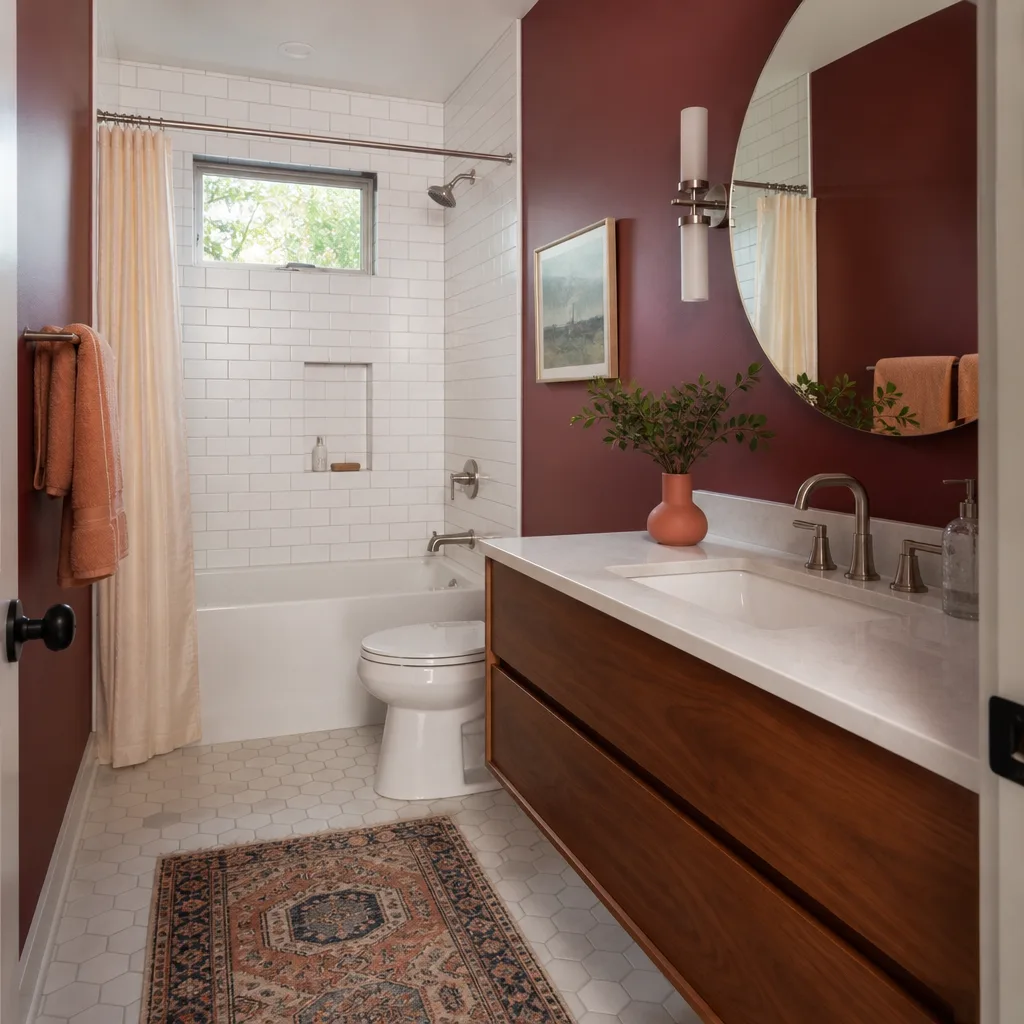
If you’re weighing a bigger remodel, this is where a company that puts the price and the guarantee in writing before any work starts earns its keep. We quote from Anaheim, and we pull permits through the Anaheim portal as a matter of course. When the city issues a correction notice, we handle it. When we quote a Bathroom Remodeling in Anaheim project, we walk through what’s covered by permit, what’s cosmetic, and what (if anything) we’d recommend you do yourself. The number on day one is the number on the invoice.
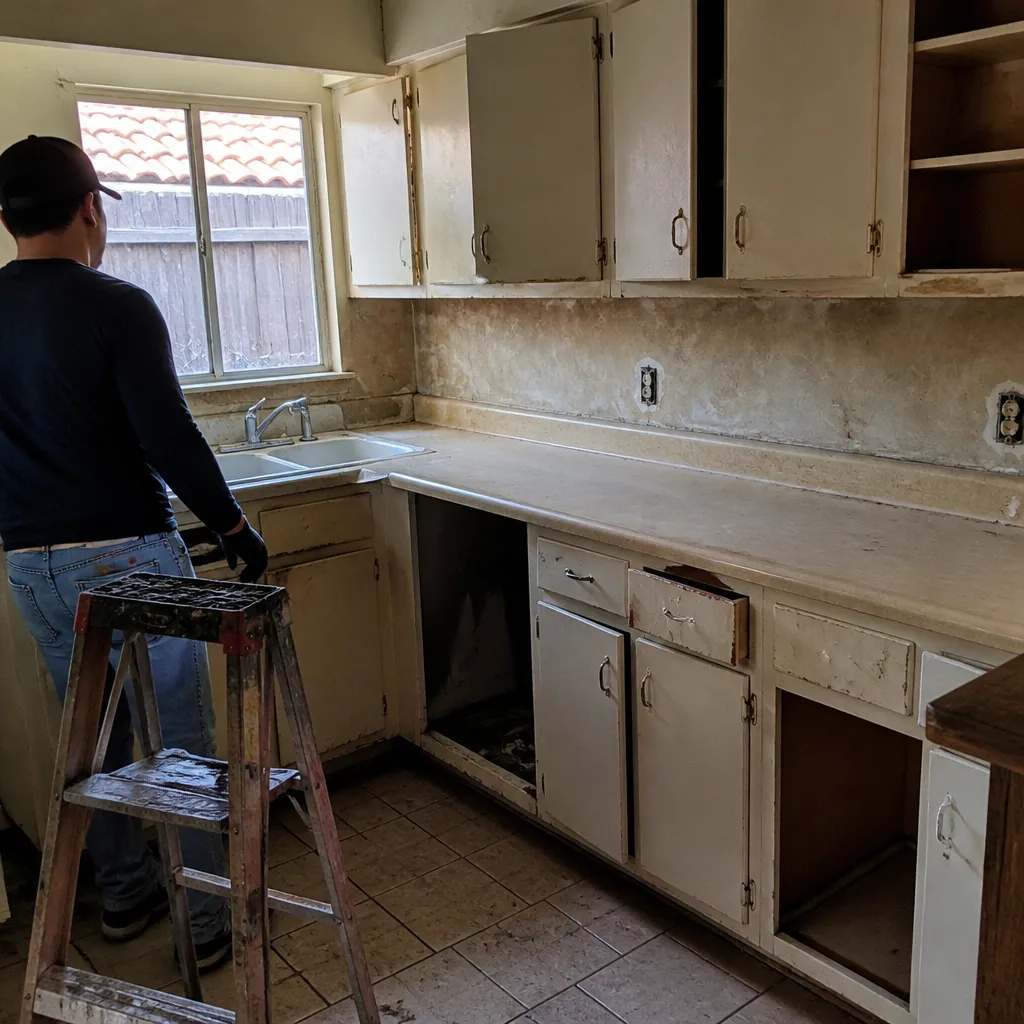
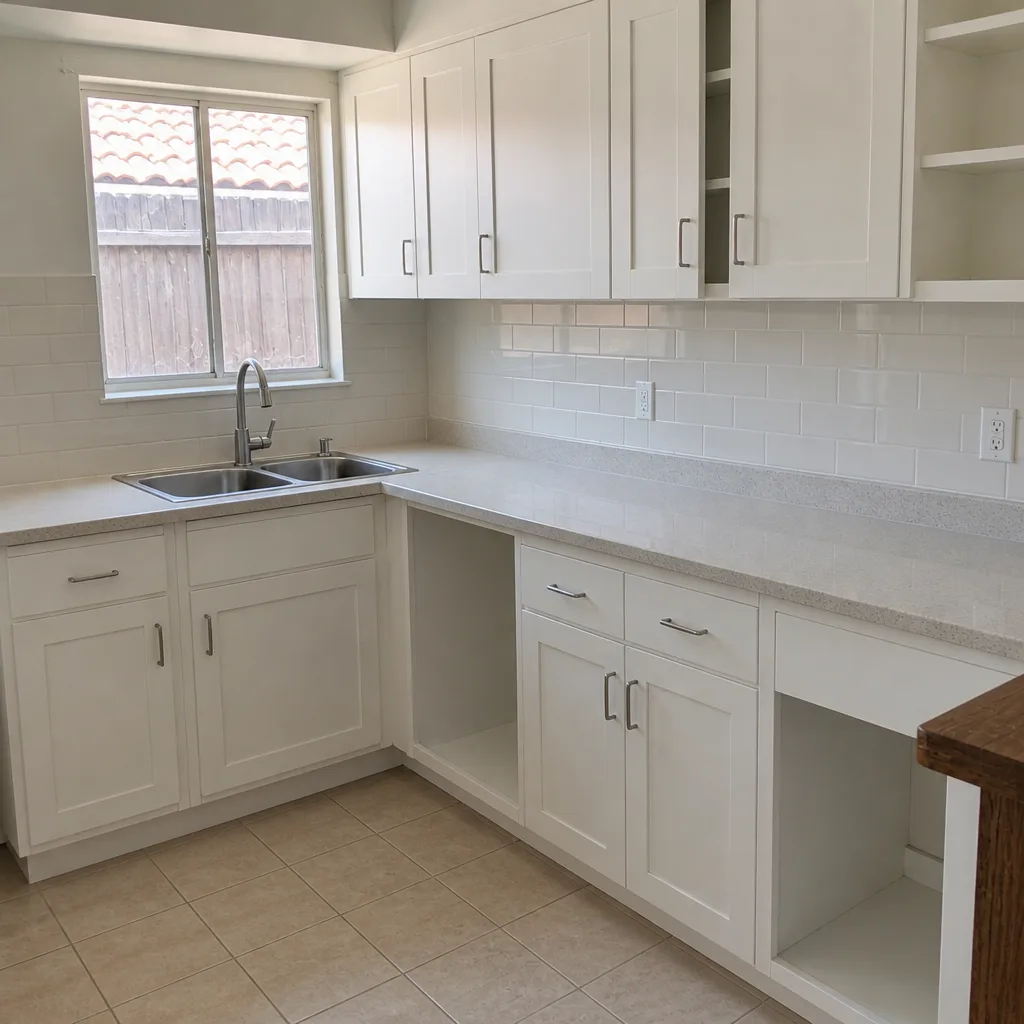
See the difference
 Before
 After
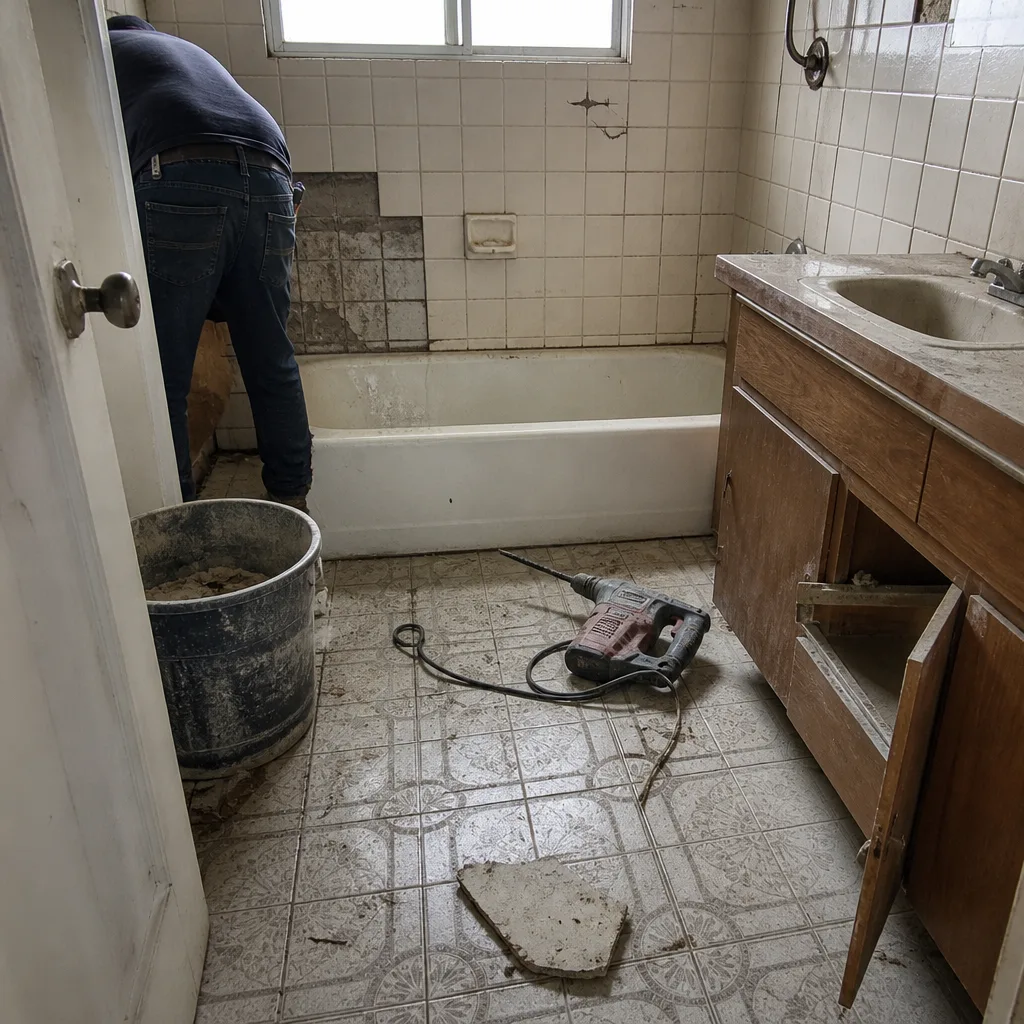 Before
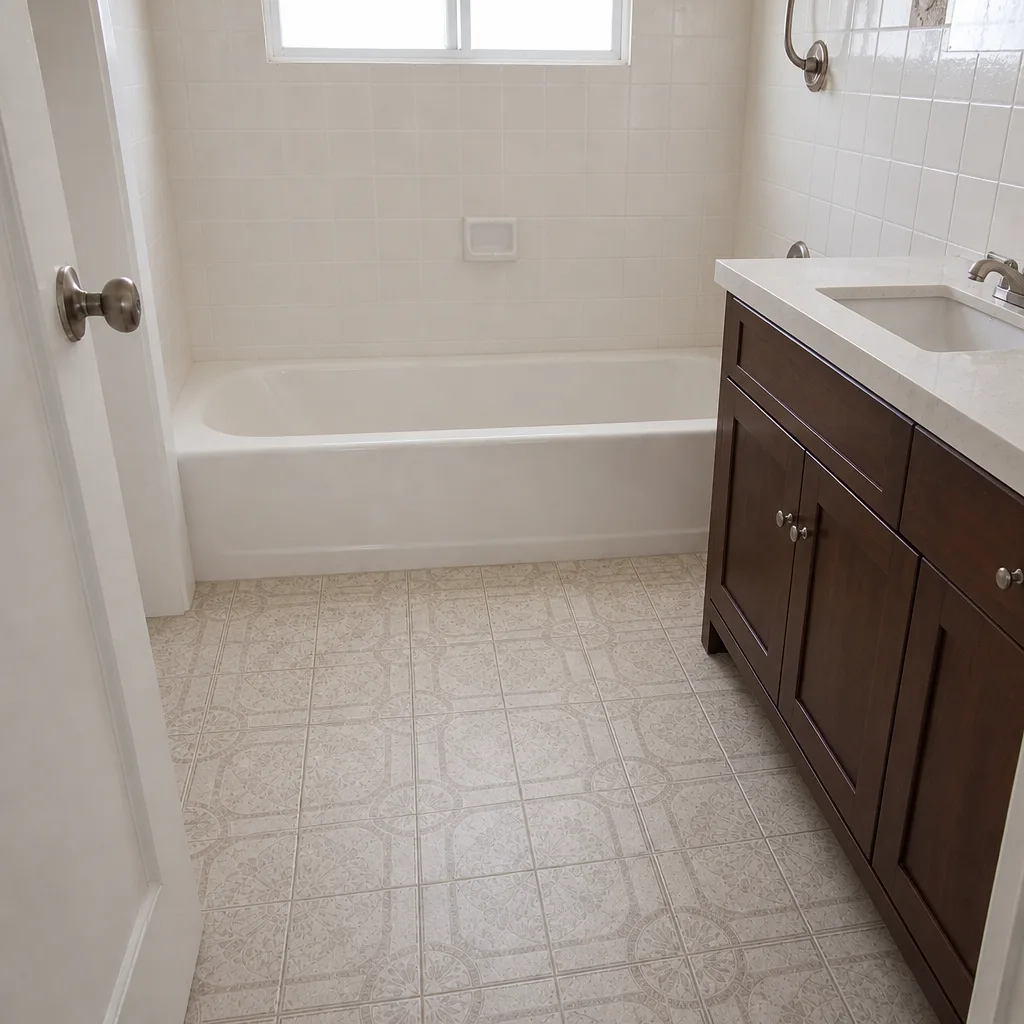 After
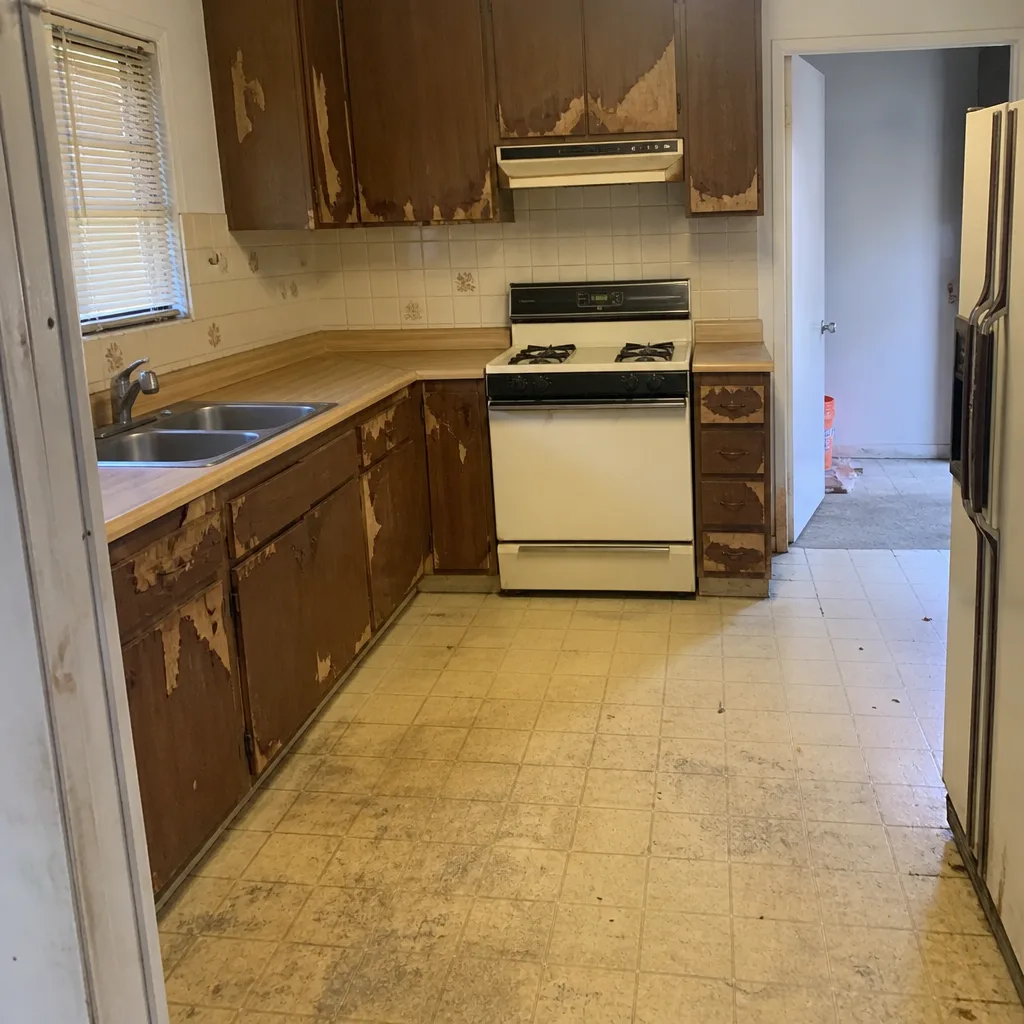 Before
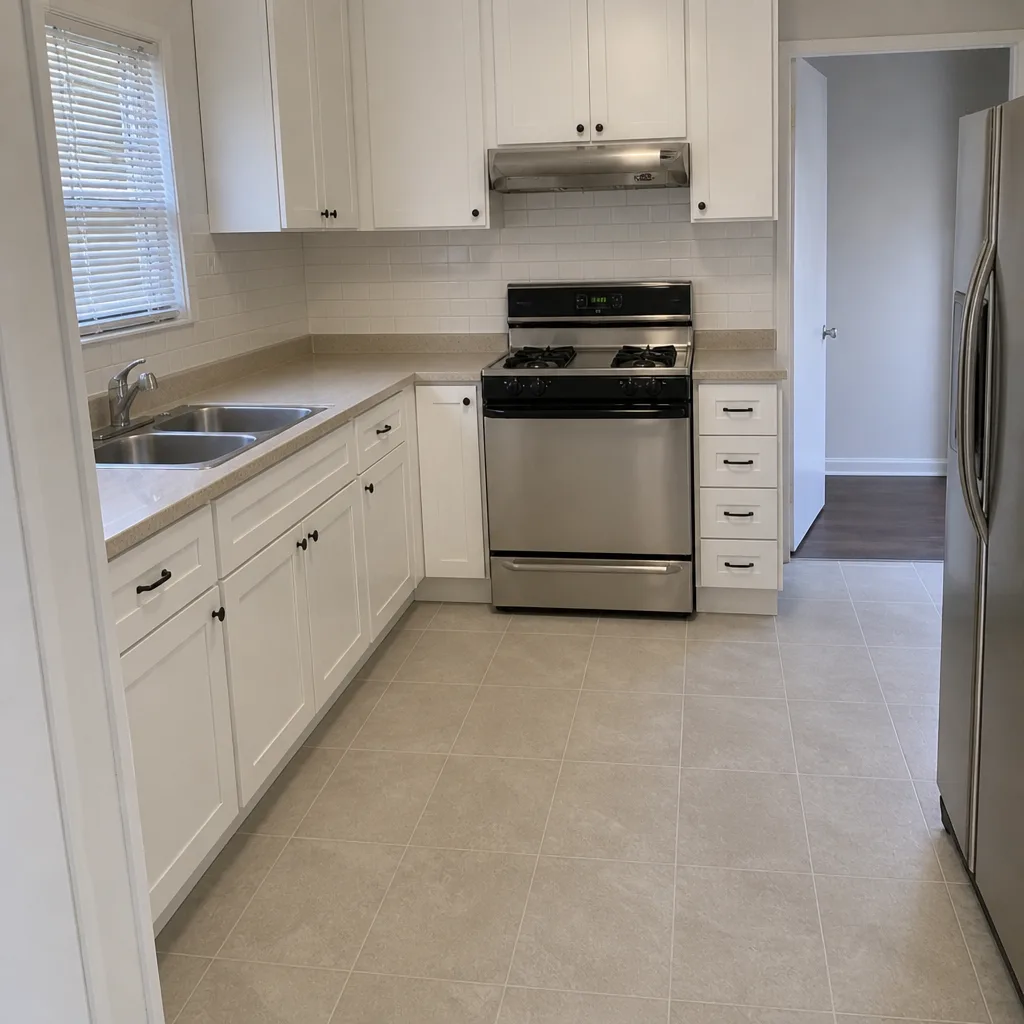 After
Common Mistakes to Avoid

- Pulling an owner-builder permit and selling within 12 months. The disclosure form exposes the work at resale, and the buyer’s inspector will see the CSLB form on record. If you plan to sell soon, hire a licensed contractor for permitted work.
- Assuming a small wall removal is safe. In Anaheim homes from the 1950s and 1960s, the wall you want to remove is often the one carrying the second story or the ceiling joists. Get an engineer’s stamp before you demo anything.
- Doing your own electrical panel work. This is the single highest-risk task in a home. A miswired neutral can make a metal appliance housing live. Hire a licensed electrician and don’t look back.
- Self-installing a gas range or dryer. The connection looks simple. The testing can’t be done correctly without a manometer. A leak behind a wall can go undetected for months.
- Replacing a shower pan without a permit. Anaheim’s building division requires a permit for shower pan replacement because the waterproofing is behind the tile. Doing it unpermitted voids the waterproofing warranty on the pan and creates a water damage claim risk.
- Hiring a contractor who won’t put the price in writing before work starts. A verbal estimate is a range, not a contract. We’ve seen many homeowners in Anaheim lose $8,000 to $20,000 on change orders they thought were included.
- Assuming your insurance covers unpermitted work. Most California homeowner policies exclude losses attributable to unpermitted construction. Read the exclusions before you decide.
When to Call a Professional
Call a licensed general contractor when your project hits one of these triggers: any wall removal or structural change, any permit, any electrical panel or gas line work, any bathroom or kitchen reconfiguration, or any project you plan to sell within a few years. Those aren’t negotiable margins. They’re where the cost of getting it wrong dwarfs the savings.
Likewise, a bathroom or kitchen remodel that touches plumbing, waterproofing, or ventilation belongs with a licensed contractor. Kitchen and bathroom remodels typically run $18,000 to $55,000 depending on the layout, cabinet line, and countertop material, and the failure costs on a self-run version are usually higher than the labor you save.
If you’re in Anaheim and unsure whether your project falls inside or outside the DIY line, we can talk it through. Penhallow Remodeling Anaheim offers free estimates in Anaheim, and we’re happy to tell you what’s a DIY-safe scope and what isn’t. Call (844) 320-2908 to schedule your free estimate.
Every job we run is governed by The Kingswell Way: say the price before the work, show up in the window we gave, leave the place cleaner than we found it. That’s the way it goes on every Penhallow Remodeling Anaheim home we walk into, and it’s the standard you’re comparing against when you decide who to hire.
Frequently Asked Questions
You can do minor fixture swaps on existing wiring (a light fixture, a ceiling fan on an existing junction), but you cannot do electrical panel work, new circuits, or service upgrades yourself without a licensed electrician and a permit. California treats panel and circuit work as licensed-trade-only, and the insurance implications of doing it unpermitted are real. Call (844) 320-2908 for an exact quote on a permitted scope; estimates are free.
Yes, if the project touches plumbing lines, moves a fixture, replaces a shower pan, or adds electrical. Cosmetic-only work like painting and tile repair typically does not require a permit. The permit threshold in Anaheim depends on the scope, not the room, so a vanity swap may not need one while a shower rebuild usually does. Call (844) 320-2908 and we’ll walk through your exact plan.
If you sell within one year of completing the work, California Civil Code requires a written disclosure to the buyer stating the work was done by the owner without a licensed contractor. Your buyer’s inspector will look harder at that work, and it often gets opened up or repriced. The safe path is a permitted, licensed project if a sale is on your horizon.
Most standard California homeowner policies exclude losses attributable to unpermitted or non-compliant construction. A water damage claim traced to a self-installed plumbing fixture or a fire traced to a self-modified circuit is often denied. Some carriers pay the loss but non-renew the policy, which can make finding coverage afterward difficult. Read your policy exclusions before you decide to DIY a trade.
Cosmetic work that needs no permit and no licensed trade: painting, tile backsplash, cabinet hardware, and interior trim. These are forgiving of small mistakes and don’t affect structural integrity or trade licensing. Anything that touches framing, electrical, gas, or plumbing is a different category, and the safe call is to hire a licensed professional.
Yes, if you and the contractor agree in writing on exactly what you’ll do and what gets carved out of their guarantee. Painting, tile backsplash, and finish hardware are safe DIY contributions during a permitted remodel. Doing the waterproofing or electrical yourself is not, and it will usually void the guarantee on that portion of the work. Call (844) 320-2908 and we’ll mark the line clearly before any work starts.
The Bottom Line

The line between DIY and hire-a-professional isn’t about whether you’re handy. It’s about permits, structural liability, and licensed trades. Cosmetic work you can do safely and comfortably; structural, electrical panel, and gas line work belong with a licensed professional regardless of how capable you feel. If you plan to sell within a few years, the disclosure and inspection exposure is real enough that permitted professional work usually pays back at closing. If you plan to stay through the work’s useful life, DIY cosmetic projects save real money and don’t complicate your resale. The trick is knowing which side of the line each task falls on before you pick up a tool. For projects that touch the licensed side, Penhallow Remodeling Anaheim is here to give you a written price, a written guarantee, and a permit card you can hold onto. Call (844) 320-2908 for a free estimate.
Written by the team at Penhallow Remodeling Anaheim.