Last updated November 18, 2026




Free written scope consultation - allowances, timeline, and change-order rules on paper before a single trade is scheduled
General Contractor Warning Signs Every Homeowner Should Know
The most expensive contractor mistake most Anaheim homeowners make isn’t hiring someone unlicensed. It’s hiring a licensed contractor who uses vague contract language that legally permits them to charge more than the number they said at the kitchen table. A license proves someone passed a test and carries insurance. It doesn’t prove they wrote down what they promised. The gap between what you heard and what you signed is where disputes live, and by the time you notice it, demo day is behind you and the cabinets are already ordered. This guide covers the pre-contract warning signs that most homeowners dismiss: the contract clauses, the payment schedules, the license records, and the small behavioral tells in a first meeting that predict how a project will end.
Quick Answer
The biggest red flags when hiring a general contractor are vague contract language that lets the price move (open-ended allowances, “time and material” billing, uncapped “unforeseen conditions” clauses), a down payment above 10%, and a contractor who can’t or won’t explain their written warranty, name their subcontractors, or show you a written scope of work before asking for a deposit. In our experience across Anaheim remodels, the specific language in the paperwork predicts the outcome far better than how friendly or confident the contractor seems.
Styles & brands we work with
- Kitchen remodeling
- Bathroom remodeling
- Home additions & ADU
- Roofing
- Windows & doors
- Driveway & pavers
- Fence
Table of Contents
- The Contract Language That Lets a Price Move
- What Your Payment Schedule Reveals About Cash Flow
- Reading a CSLB License Beyond the Status Screen
- Behavioral Tells in the First Estimate Meeting
- Why Skipping the Written Scope of Work Matters
- Anaheim-Specific Red Flags: Permits and Climate
- Common Mistakes to Avoid
- When to Call a Professional
The Contract Language That Lets a Price Move
The number on the contract is only as firm as the language around it. Three phrases appear again and again in contracts that balloon after demo day, and none of them sound alarming when you read them at a kitchen table. They only bite later.
Allowances are a budget placeholder for a material the contractor hasn’t priced yet, usually tile, fixtures or cabinetry. A $2,500 tile allowance sounds fine until you pick a tile that costs $6,800, and the difference lands on your invoice. An allowance isn’t dishonest on its own. The warning sign is an allowance set low against the products the contractor is actually steering you toward, or a contract with several allowances and no cap on how far each can drift.
Time and material provisions bill you for hours worked plus materials, not for a finished result. That structure can be fair for genuinely unpredictable work like opening a wall to find old plumbing. It’s a red flag when it’s the default billing method for a project with a defined outcome, like a standard bathroom.
“Unforeseen conditions” clauses without a defined cap let a contractor charge extra for anything they claim they couldn’t see coming. Some contingency is real. What you want is a written ceiling on it, and a requirement that any change be approved in writing with a price before the work happens, not billed after.
Before you sign, ask one question: “If nothing in this plan changes, can the final invoice be higher than this number?” If the answer includes the word “probably,” you haven’t been quoted a price. You’ve been quoted a starting point. A written price before work starts is the standard we build around at Penhallow Remodeling Anaheim, and it’s the single clause most worth insisting on.
What Your Payment Schedule Reveals About Cash Flow
A payment schedule is a cash-flow document, and it tells you how a contractor funds their business. It’s worth reading as carefully as the price itself.
In California, a home improvement contractor generally can’t require a down payment larger than 10% of the contract price or $1,000, whichever is less, before starting work. A demand for more than that is both a red flag and a legal violation. It also usually means the contractor plans to pay for your materials with your deposit while finishing someone else’s job.
Watch for these patterns in the schedule:
- Large deposit, small balance on completion. A contractor who wants 50% up front and 10% at the end has no financial incentive to finish well.
- Full payment before the punch list is closed. You should hold a meaningful final payment until every item is done and inspected.
- Payments timed to “materials ordered” rather than to completed, verifiable milestones.
- Requests for cash. Pay by check or card so the payment is traceable and tied to the contract.
A healthier structure ties money to progress: a modest deposit, then payments as phases are completed and inspected, with a real final payment held until you sign off. If a contractor pushes back hard when you ask to tie payments to milestones, that discomfort is information. In Anaheim, where a kitchen remodel can run from $18,000 to $55,000 depending on layout, cabinet line and countertop material, the payment schedule on a job that size deserves the same scrutiny as the total. You can see how we structure a kitchen remodel in Anaheim around written milestones.
Reading a CSLB License Beyond the Status Screen
Every homeowner knows to check the license. Far fewer read what’s underneath the green “Active” label, and that’s where the useful warning signs live. The Contractors State License Board (CSLB) keeps records that go well past valid-or-expired.
Here’s how to read them:
- Confirm the classification matches the work. A general building contractor (B) covers whole-project work; specialty work needs the matching specialty license. An active license in the wrong classification isn’t the right license for your job.
- Check the disciplinary status, not just the status. Look for whether the record shows a clear history versus pending or past disciplinary actions. “Pending” can mean an investigation is open right now.
- Read the complaint and enforcement history. One old complaint resolved years ago is different from a pattern. Look at the types of complaints, not just the count.
- Confirm the bond and workers’ compensation coverage are current on the record itself, not just claimed verbally.
- Verify the license is in the name of the entity you’re actually contracting with. A license held by someone else, or by a company you aren’t hiring, is a signal to slow down.
When we quote a project, our technicians have up to 22 years of experience and every one is background-checked and arrives in uniform, so you know exactly who’s in your home. But even a strong crew can’t fix paperwork that was vague from the start. Check the license record yourself, and check it for the specific company name on your contract.
Behavioral Tells in the First Estimate Meeting
Most of what you need to know shows up before the contract. The first meeting is a preview of how the whole project will be managed. Watch for these behaviors:
- They can’t explain their written warranty. A real guarantee has a defined term and a defined remedy. “We stand behind our work” is a feeling, not a warranty. Ask what’s covered, for how long, and exactly what happens if something fails. Then ask to see it in writing.
- They won’t name their subcontractors. A general contractor who can’t tell you who’s doing your electrical or plumbing, or whether those subs are licensed, is subcontracting the accountability too.
- They pressure a same-day decision. “This price is only good today” is a sales tactic, not a construction fact. Material prices don’t expire at midnight. Urgency is a reason to slow down, not speed up.
- They can’t point to a written scope of work. If they’re talking price before they’ve put the scope on paper, you don’t yet know what you’re buying.
- They dodge the question about who pulls the permit. In Anaheim, kitchen and bathroom remodels that move plumbing, electrical or walls generally need permits and inspections. A contractor who suggests skipping them is offering you a future problem with your insurer and your resale.
We’d rather earn a job than rush one. Our call line is answered by a real person 24/7, and a written guarantee comes with every project, because those are the things that make a homeowner comfortable saying yes at their own pace. If a first meeting leaves you feeling pushed, that feeling is a data point.
Why Skipping the Written Scope of Work Matters
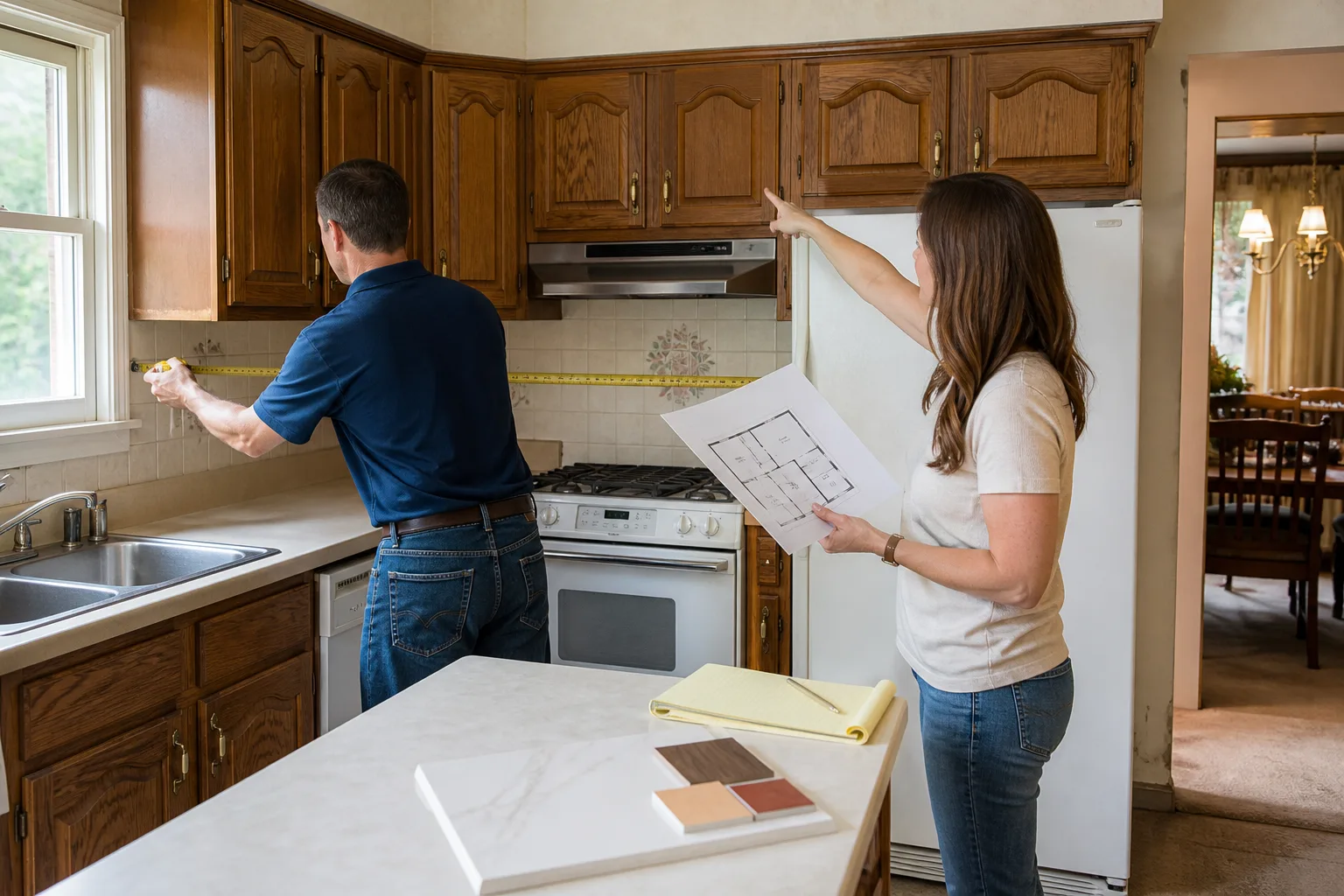
A contractor who waves off the written scope of work isn’t saving you paperwork. They’re removing the one document that defines what you’re owed. The scope of work is the itemized list of exactly what gets built, with what materials, to what standard. Without it, “the job” is whatever the contractor says it is on any given day, and your leverage in a disagreement is the strength of your memory against theirs.
A useful scope of work names the specifics:
- Square footage and exact locations of work
- Cabinet and countertop product lines (for example, a named brand rather than “quartz”)
- Fixtures, finishes and their model numbers where possible
- What’s included and, just as important, what’s explicitly excluded
- Who pulls permits and who’s responsible for inspections
- The protection and cleanup plan for the rest of the house
In an Anaheim whole-home or bathroom remodel, that specificity is what lets you compare bids fairly. Two quotes with no scope are comparing verbs, not numbers. The brands behind the work matter too: we install KraftMaid and Wellborn cabinetry, Cambria, Silestone and Caesarstone countertops, and Kohler and Moen fixtures, and a written scope names those so there’s no substitution surprise after demo. Our general contractor in Anaheim work is built on the written scope as the foundation of the price, not an afterthought to it.
Anaheim-Specific Red Flags: Permits and Climate
Some warning signs are tied to where you live. Anaheim has its own building department, inspection pace, and construction realities, and a contractor who doesn’t know the local ground is showing you something.
On permits, watch for a contractor who talks about inspections as hassles to route around, or who treats the Anaheim permitting process as something to skip. A legitimate general contractor pulls the permit in their name and expects to pass inspection. A contractor who wants you to file an owner-builder permit so they can do the work is shifting the legal responsibility onto you, and that’s a hard no.
The climate drives real construction issues here too. Anaheim’s dry summers and warm inland heat can be unforgiving on exterior finishes, and that matters for any outdoor work. When we install hardscape with Belgard or Unilock pavers, we account for the way intense sun and seasonal dryness stress a base over time. A contractor who doesn’t raise those seasonal realities, who talks about finish and never about the conditions the finish has to survive, is selling a look rather than a build. In Natomas we used to see spring failures from base prep that ignored the local soil (in Natomas, we regularly see spring failures due to ground movement that wasn’t accounted for in the base). The Anaheim equivalent comes from heat and sun exposure that wasn’t budgeted for.
Ask a contractor what they know about Anaheim permitting, and how they build for local sun and dry weather. A vague answer on either is a signal about what you’ll get once the work starts.
Common Mistakes to Avoid
- Comparing bids that have no scope of work. A lower number against an undefined job isn’t a lower price, it’s a smaller promise. Two Anaheim quotes written against different scopes can’t be compared at all.
- Assuming a license means the contract is safe. A license confirms status and insurance; it says nothing about whether the contract language lets the price climb. The license check and the contract review are two separate jobs.
- Ignoring an open-ended allowance. A low allowance compared to the products you’ll actually choose is a price increase waiting to happen. Cap it in writing.
- Paying more than 10% down without a milestone tied to it. Overpaying up front removes the contractor’s reason to finish well and can violate state rules.
- Accepting a verbal promise about the warranty. “We’ll take care of you” is not a guarantee. Get the term and the remedy in writing.
- Letting the permit slide. Skipping permits on a wet-area or structural remodel in Anaheim can create problems with insurance and resale for years.
- Being swayed by urgency. A price that expires today is a pressure tactic. A real quote doesn’t need a countdown.
When to Call a Professional
Call a general contractor when the work crosses into anything structural, plumbing, electrical, or wet-area waterproofing, and definitely before you sign a contract you’re not sure you understand. It’s also worth a call when you’ve already been burned once: a repair that cracked again, a price that moved at the door, or a project that stalled partway. We’re happy to talk through any of those. Penhallow Remodeling Anaheim offers free estimates in Anaheim, and we put the price and the guarantee in writing before a single cabinet is pulled or tile is set. Every project carries our 365-Day Done Right Promise, backed in writing, with a free return visit if a repair fails. If it’s not done right, we make it right. Call (844) 320-2908 to schedule your free estimate.
See the difference
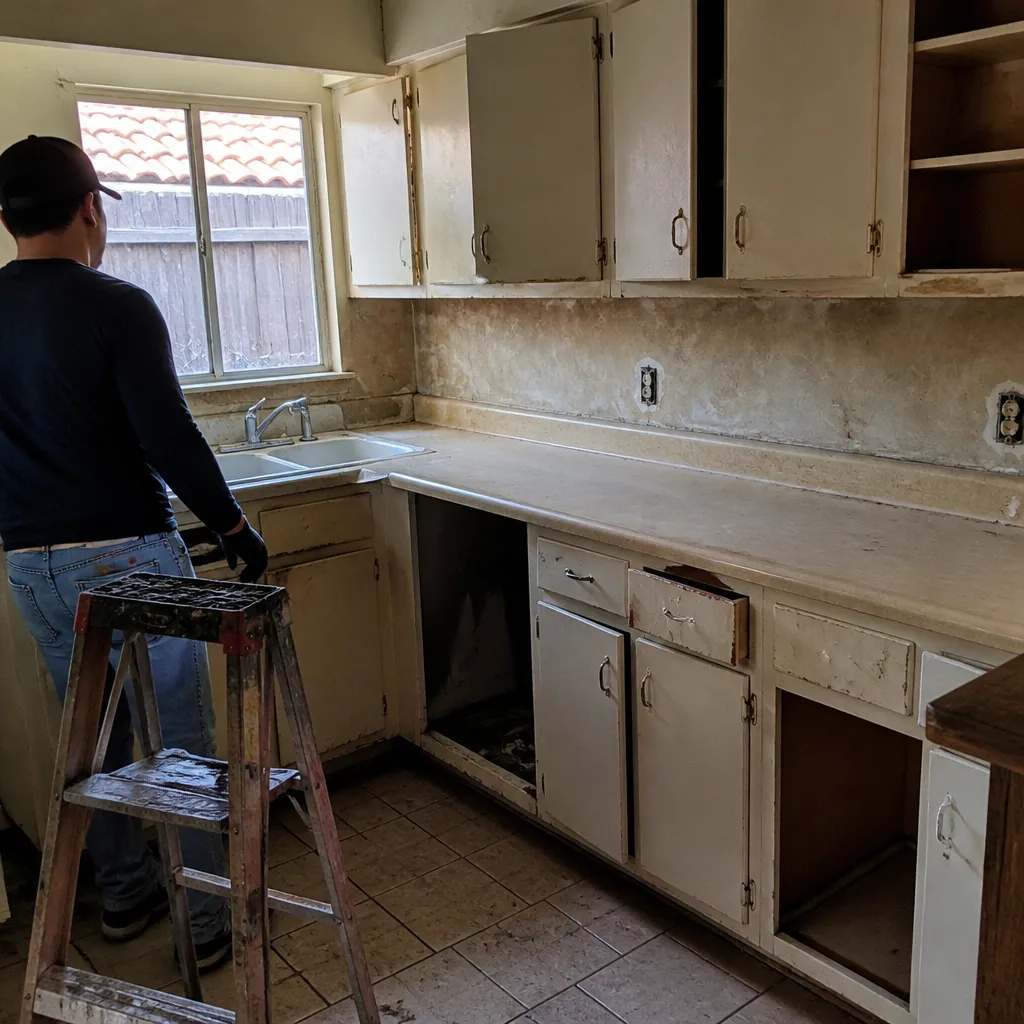 Before
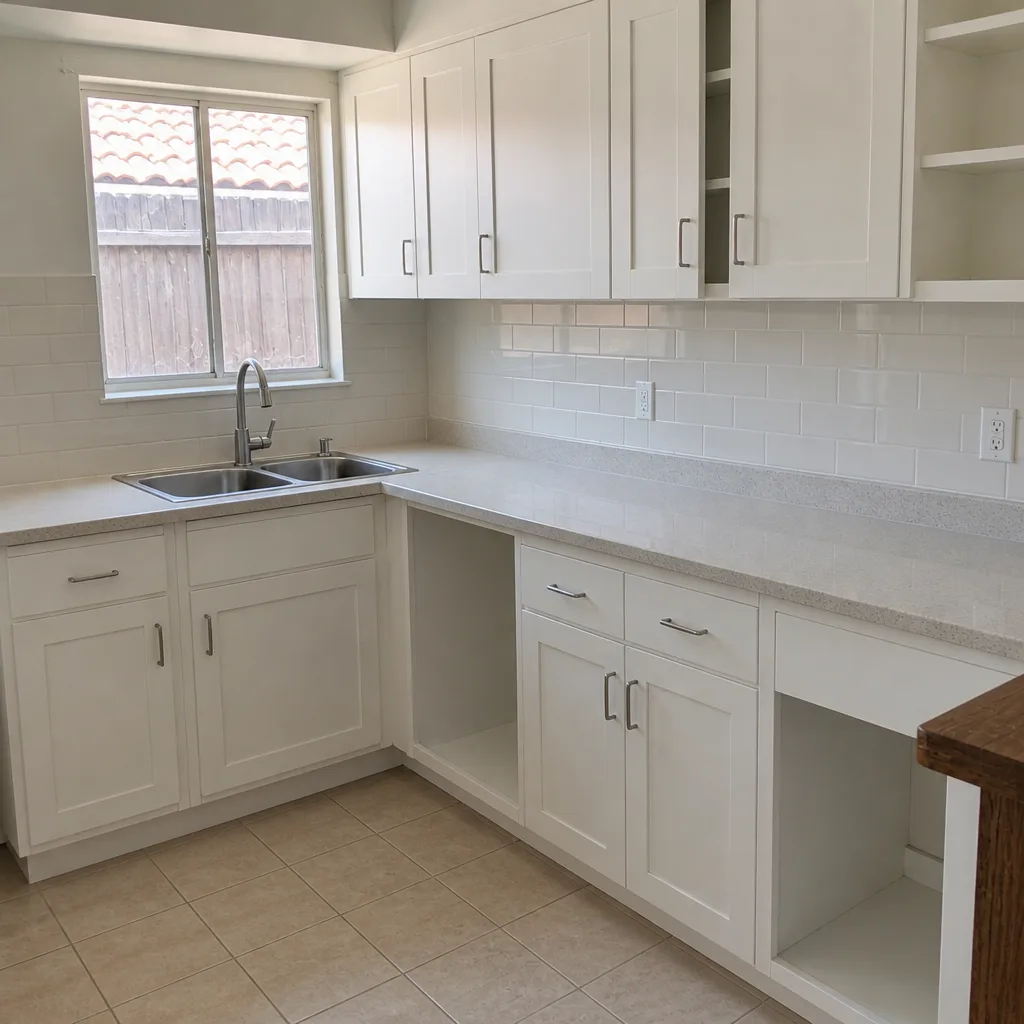 After
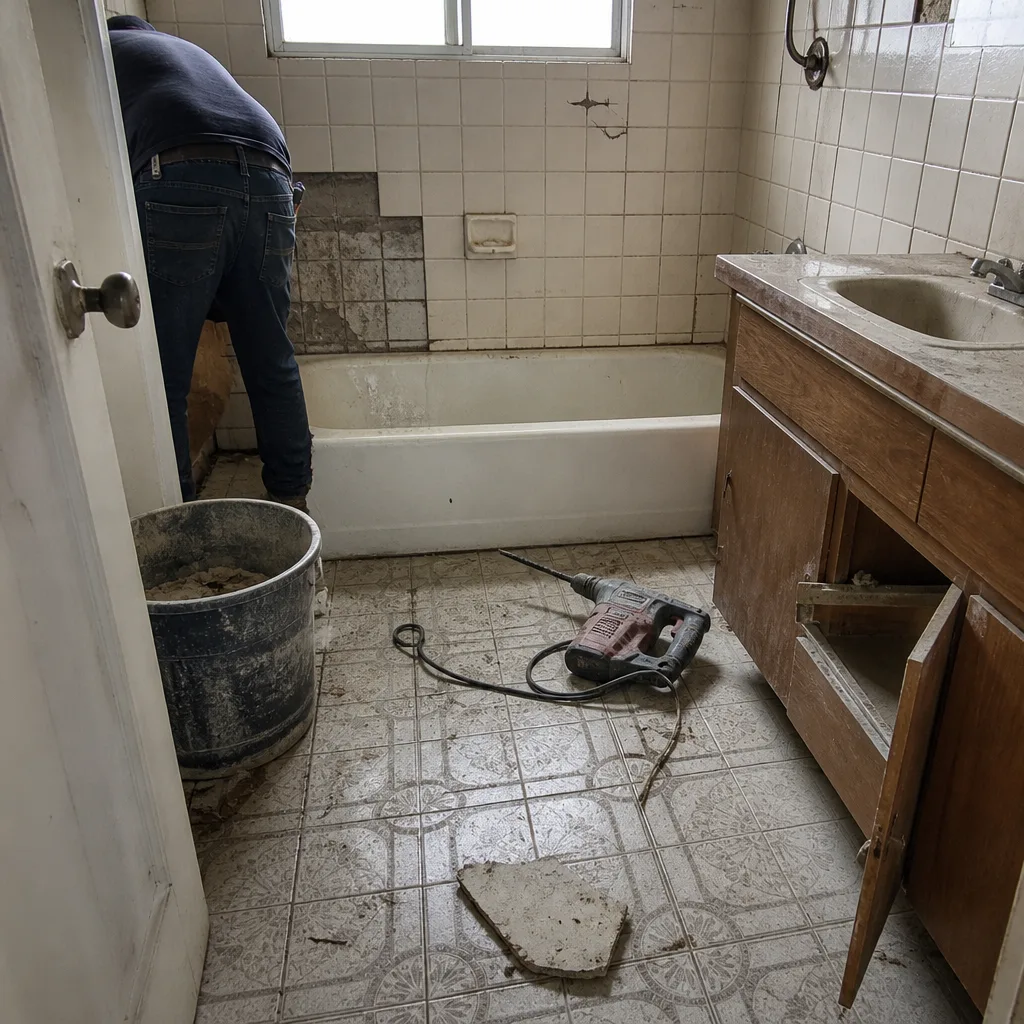 Before
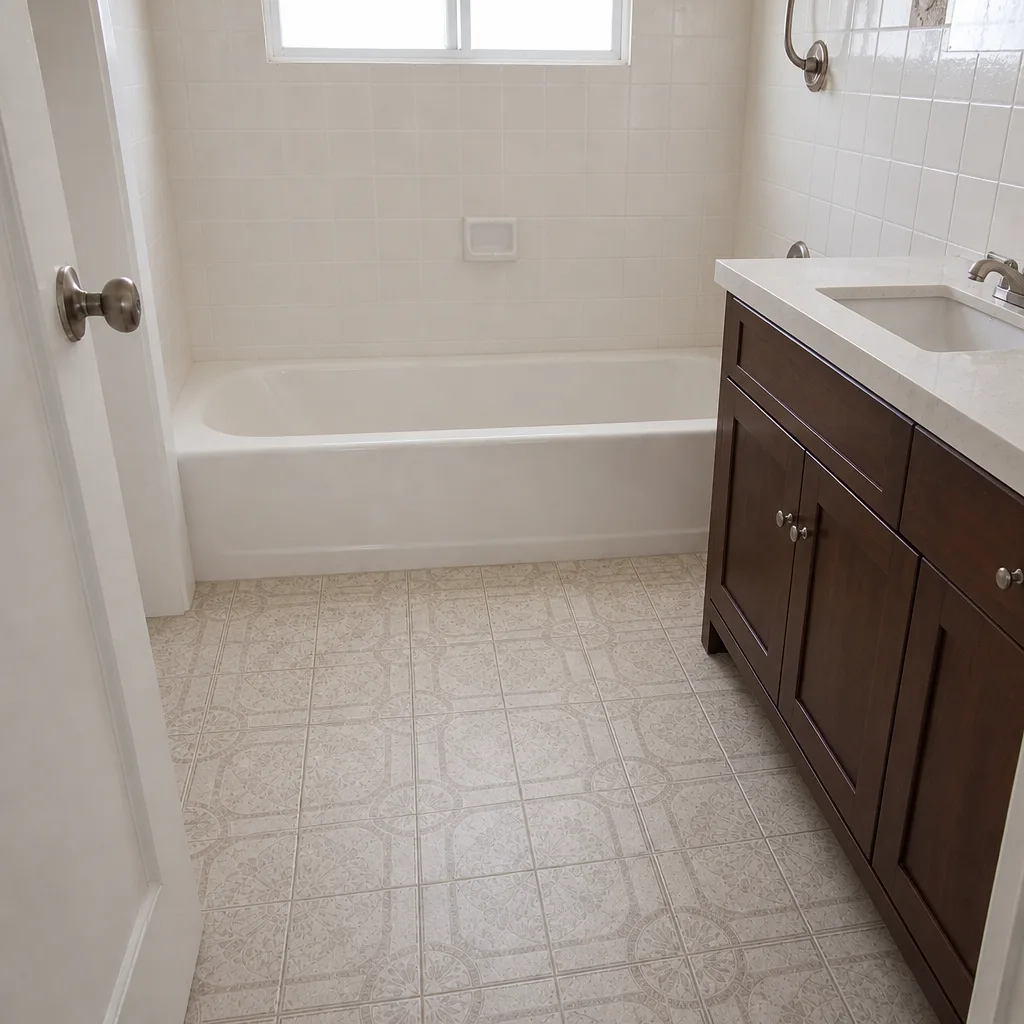 After
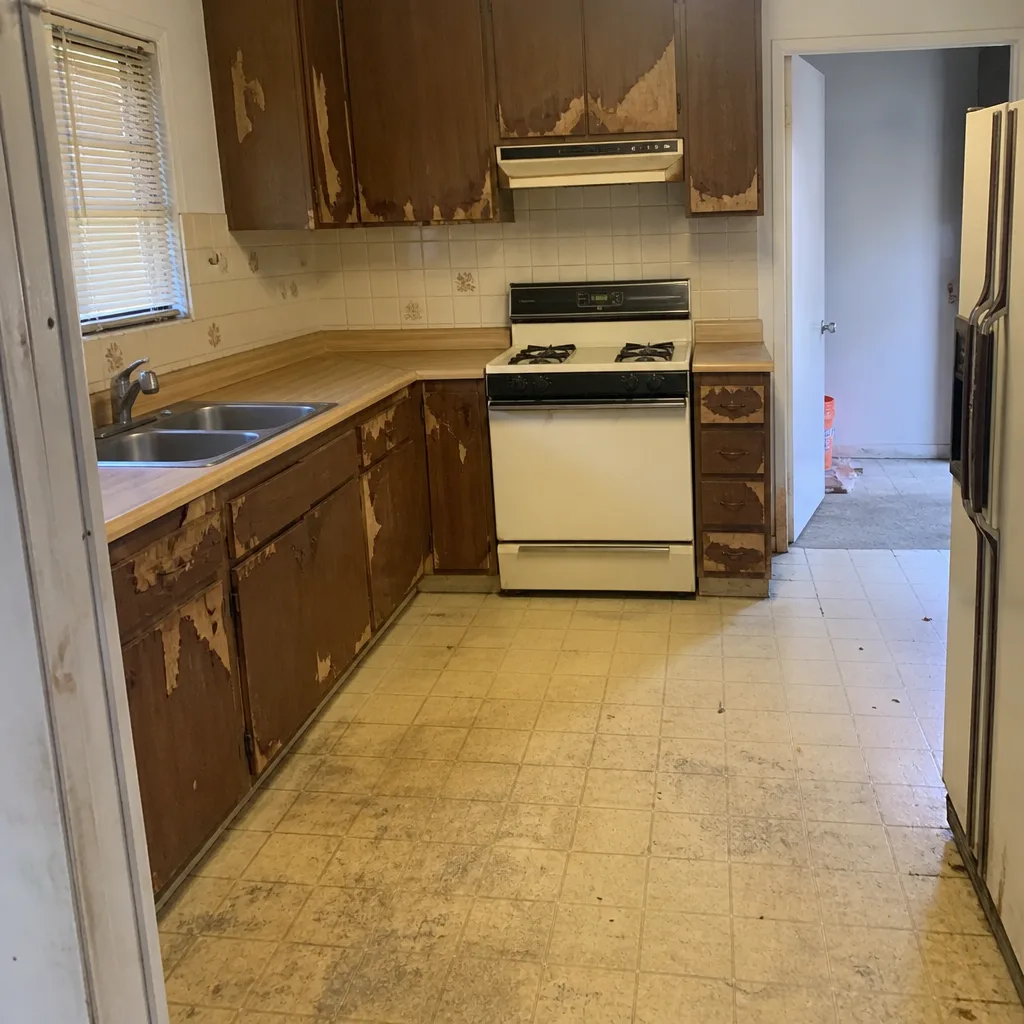 Before
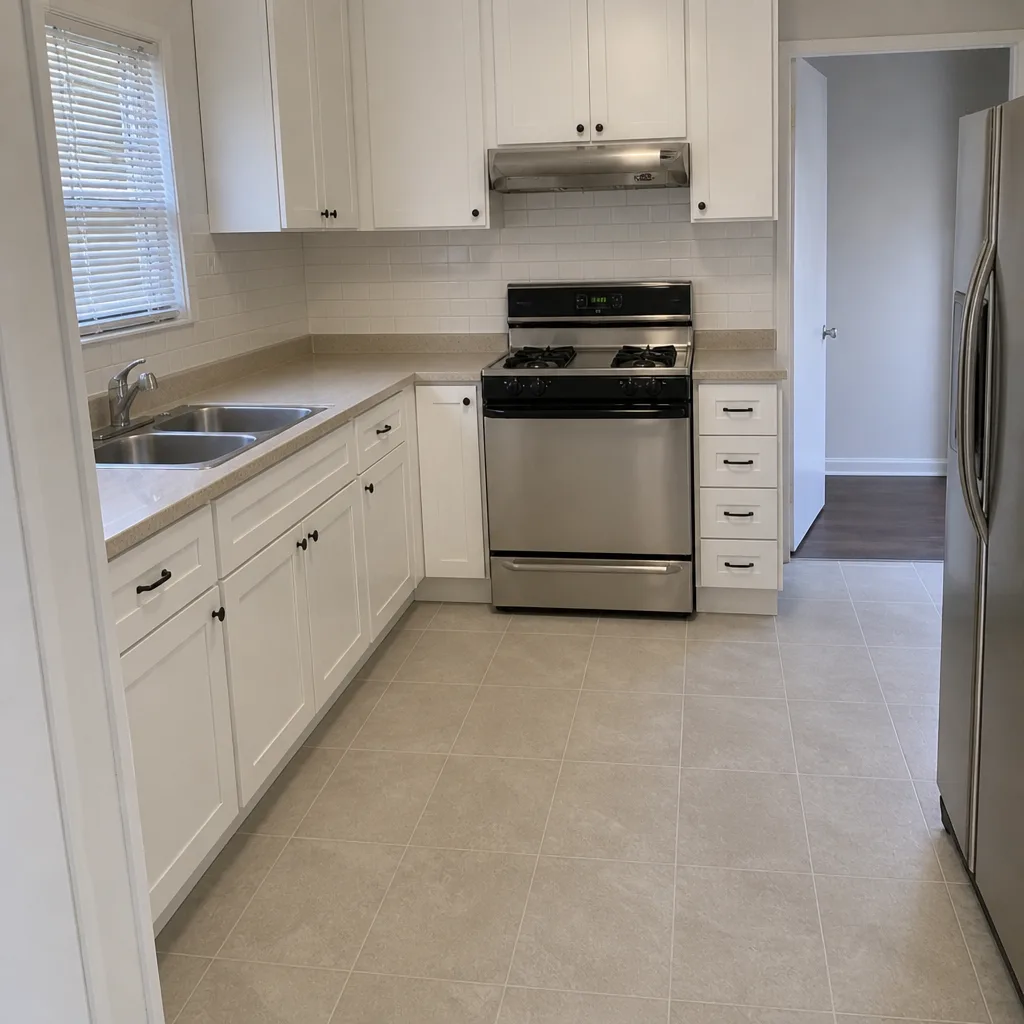 After
Frequently Asked Questions

Vague contract language that lets the price move after demo. Allowances without caps, “time and material” billing on a defined project, and uncapped “unforeseen conditions” clauses are the phrases that turn a written number into an open-ended bill. If a contractor can’t guarantee the final invoice matches the quote when nothing changes, you haven’t been quoted a price. Call (844) 320-2908 for a written, no-hassle upfront price: estimates are free.
Yes, in most cases. California generally limits home improvement down payments to 10% of the contract price or $1,000, whichever is less, before work starts. Any request above that is a red flag and a likely legal violation. Payments should be tied to completed milestones with a real final payment held until you sign off. Call (844) 320-2908 if you want to see how a written, milestone-based schedule looks.
Look at the disciplinary status, any pending or past actions, the complaint and enforcement history, and the classification. Then confirm the bond and workers’ compensation are current and that the license is in the name of the entity you’re contracting with. “Active” alone isn’t enough. We’re happy to walk you through the record over the phone at (844) 320-2908.
It should name the term (how long it lasts), what’s covered, and the exact remedy if something fails. “We stand behind our work” is the absence of a warranty, not a warranty. Our 365-Day Done Right Promise spells out that if the work fails inside the guarantee period, we come back and fix it at no charge, and that’s in writing on every project. Call (844) 320-2908 and we’ll send you the terms.
If the work touches plumbing, electrical, gas, or walls, generally yes. Anaheim’s building department requires permits and inspections for most wet-area and structural remodels, and skipping them can create insurance and resale problems for years. A legitimate contractor pulls the permit and expects to pass inspection. Call (844) 320-2908 to talk through what your Anaheim project needs.
Because it can mean those subs are unlicensed, uninsured, or not yet hired, and the accountability is being passed to you. A general contractor should be able to tell you exactly who’s doing the electrical and plumbing and confirm their licensing. If they won’t, ask why before you sign. Call (844) 320-2908 for an estimate where the crew and the standards are spelled out up front.
The Bottom Line
The warning signs that matter most aren’t no license or no insurance: they’re the behavioral patterns that signal a contractor managing the project by verbal agreements and shifting numbers. Read the contract clauses that let the price move. Check where the down payment sits against California’s 10% limit. Read the CSLB record past the status line. Judge the first meeting for written scope, a named warranty, and a contractor who lets you think. A written price before work starts, a real warranty, and a contractor who answers the phone are the difference between a project and a dispute. In Anaheim, that consistency is what we build every job around.
Written by the team at Penhallow Remodeling Anaheim.
Contact
If you’re ready to price a project with a written number and a written guarantee before anything gets pulled or set, call Penhallow Remodeling Anaheim at (844) 320-2908 for a free estimate. We answer the phone with a real person around the clock, and we’d be glad to walk through any contract you’re considering, even if you hired someone else.