Last updated November 18, 2026





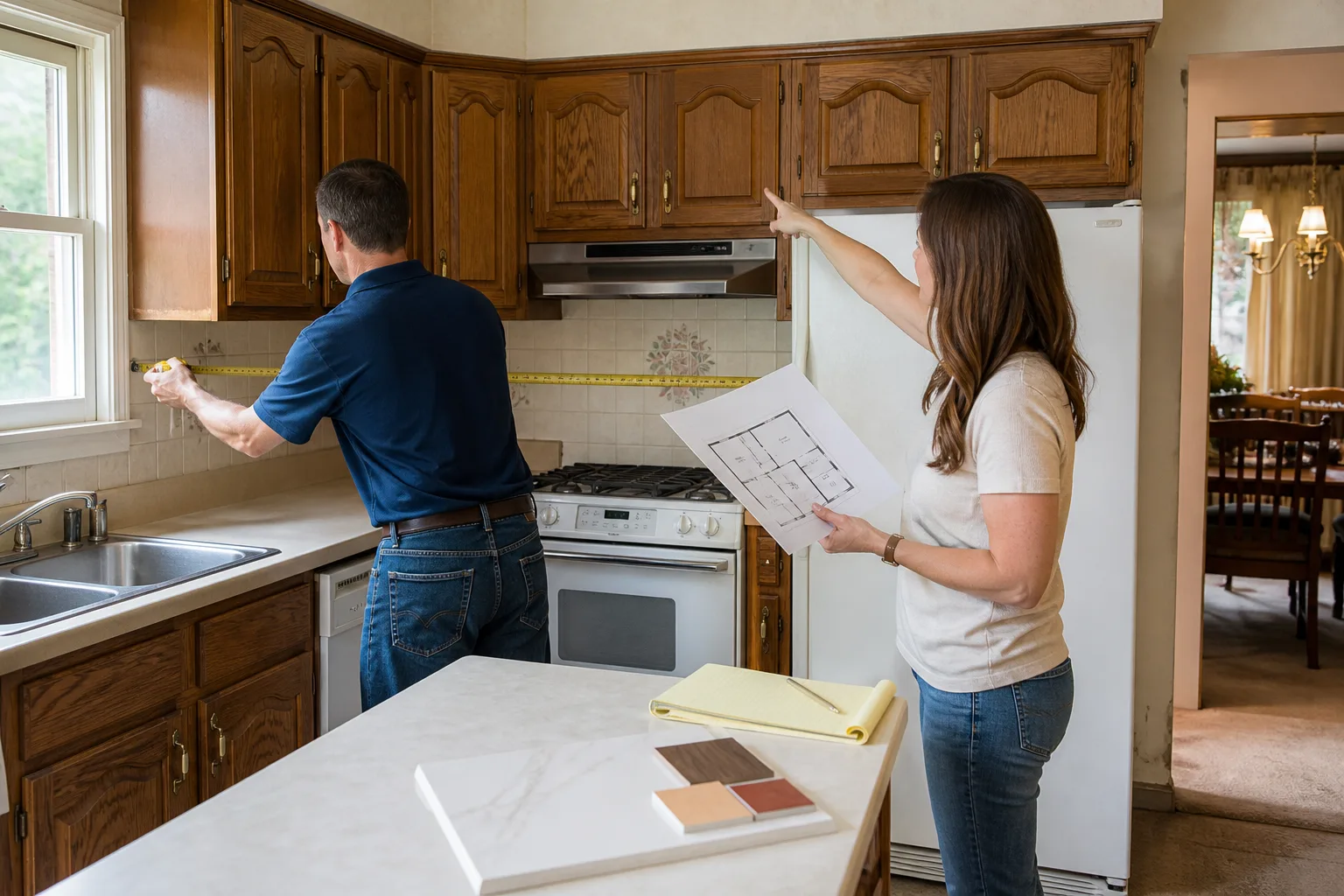
Free written scope consultation - allowances, timeline, and change-order rules on paper before a single trade is scheduled
Bathroom Remodeling Warning Signs Every Homeowner Should Know
A crooked grout line is fixable in an afternoon. A contractor who gave you a verbal price that ballooned 40 percent at the door is a problem you can’t tile over. Most of the horror stories we hear from homeowners in Anaheim don’t start on demo day. They start weeks earlier, in a kitchen-table conversation where nobody wrote anything down. In this guide, we’ll walk through the warning signs that matter, the ones that show up before the first tool is unpacked and the quieter ones that appear mid-job, plus the exact questions to ask before you sign. You’ll finish knowing what a proper written price, a real schedule, and a genuine warranty should look like, and how Anaheim’s permit rules fit into all of it.
Quick Answer
The biggest warning signs in a bathroom remodeling project are administrative, not visual: no written price, a vague or missing permit plan, a cash-only deposit request, and no written warranty. If a contractor can’t hand you a written price, a written schedule, and a written guarantee before work starts, that’s the red flag. Crooked tile and sloppy cleanup are symptoms of a job that was already going wrong on paper.
Styles & brands we work with
- Kitchen remodeling
- Bathroom remodeling
- Home additions & ADU
- Roofing
- Windows & doors
- Driveway & pavers
- Fence
Table of Contents
- Pre-Work Warning Signs: The Quiet Failures
- Mid-Work Warning Signs You Can See
- What Is a Substrate, and Why It Matters More Than Tile
- Anaheim Permits: What “We’ll Handle It” Should Actually Mean
- What a Written Guarantee Should Actually Say
- The One-Document Checklist Before You Sign
- What Bathroom Remodeling Costs in Anaheim
- Questions to Ask Any Anaheim Bathroom Contractor
Pre-Work Warning Signs: The Quiet Failures
The warning signs that cost homeowners the most money happen before a single cabinet comes out. They’re administrative. They’re boring. And they’re the ones we wish more people asked about.
A written price is the starting line. Not a range, not a “ballpark,” not a number scribbled on the back of a business card. A written number tied to a scope of work, so you know exactly what’s included. When a contractor balks at putting it in writing, that’s your signal. The verbal price is the one that changes at the door. If you’ve already been through a remodel with a bid that swelled 40 percent after demo, you know exactly what we mean.
Here’s what to watch for in the pre-work phase:
- No written estimate. A verbal number is a number that doesn’t exist once the truck pulls away.
- Vague permit language. “We’ll take care of it” with no documentation isn’t reassurance. It’s a warning sign if there’s no permit number to look up or a copy to keep.
- Cash-only deposits. A deposit request by cash, with no receipt, no contract, and no paper trail, is a red flag.
- No defined start date in writing. “Sometime next month” isn’t a schedule. A start date and an arrival window belong on the paperwork.
- Pressure to sign today. Any contractor who needs your signature before you’ve had a chance to think is telling you something about how they’ll handle change orders later.
Anaheim homeowners often ask us how to spot the difference between a busy contractor and a disorganized one. The tell is the paperwork. A busy contractor still writes the price down. A disorganized one tells you the price is “around” a number and then improvises. For a broader look at what working with a licensed general contractor in Anaheim actually involves, that’s covered in detail elsewhere.
Mid-Work Warning Signs You Can See
Once the work begins, the warning signs get louder but the stakes also get higher, because by then you’ve paid a deposit and demo has already happened. Mid-work problems usually fall into three categories: cleanliness, sequencing, and people.
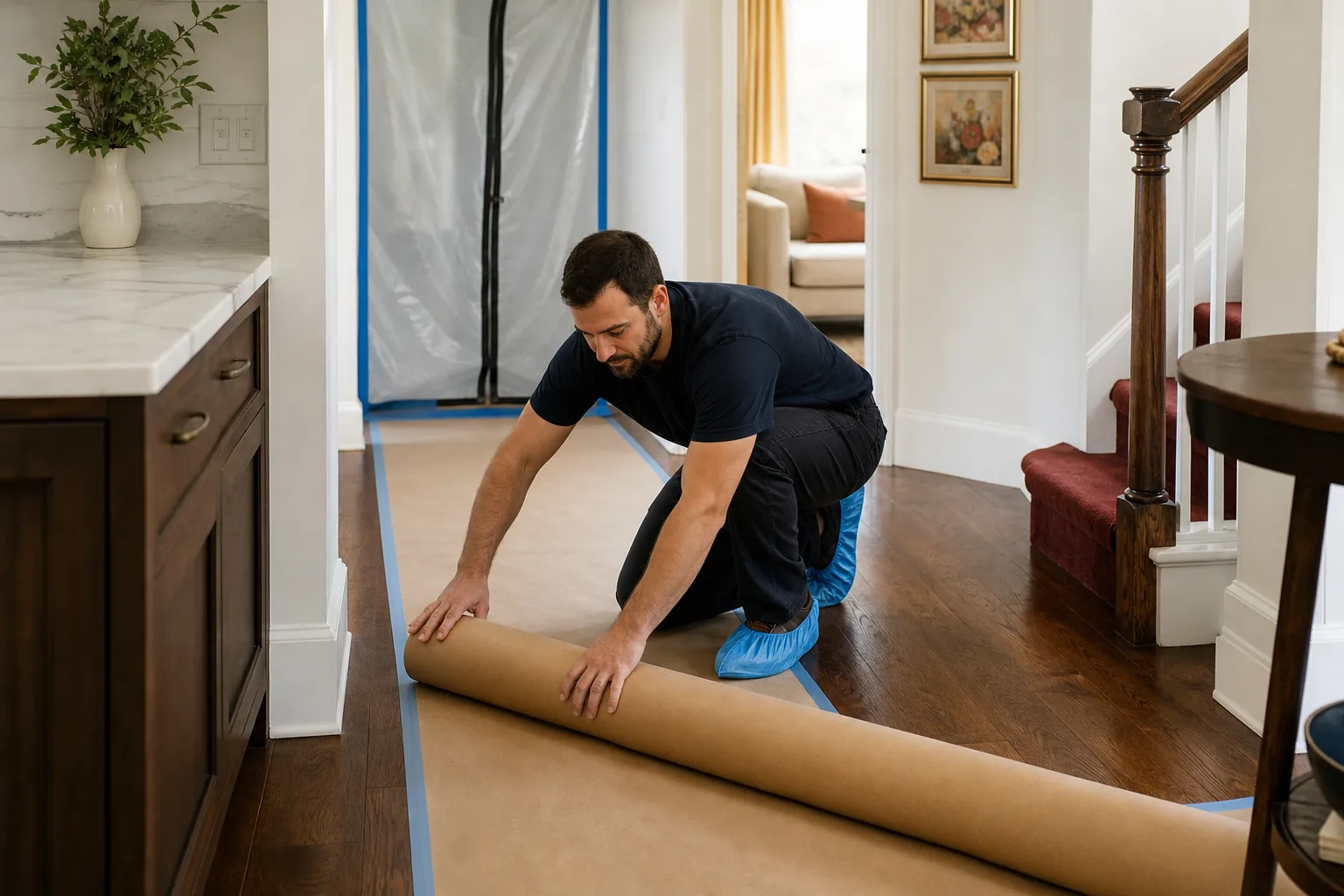
Cleanliness first. A contractor who doesn’t clean up at the end of each workday is telling you what they think of your home. We’re not talking about a spotless site mid-job, because a bathroom under renovation is going to look like a bathroom under renovation. We’re talking about a daily reset: tools in one place, debris bagged, a path through the room so you can still use the rest of the house. If the dust from your Anaheim bathroom is drifting into the hallway by day three and nobody’s vacuuming, that’s a tell.
Sequencing second. Here’s the short list we watch for on every job we walk into:
- Disappearing subcontractors. If your tile setter vanishes for a week with no explanation and no schedule update, the project timeline was probably never real.
- Substrate shortcuts. If the crew starts setting tile directly on drywall in a shower or wet area, stop them. We’ll explain why below.
- No daily communication. A remodel is a series of decisions, and if the crew isn’t telling you what’s happening tomorrow, they’re probably not telling the office either.
- Change orders after the fact. Legitimate mid-job changes happen. A change order should always be written down and agreed before the extra work starts, not billed on the back end.
- Constant “we’ll sort it out later” responses. Later never comes with a contractor who’s already gone.
Mid-work warning signs are uncomfortable to raise with a crew you’re stuck with for another three weeks. Raise them anyway. A contractor operating under The Kingswell Way will take the conversation seriously. A contractor who gets defensive and blames the homeowner is telling you something.
What Is a Substrate, and Why It Matters More Than Tile
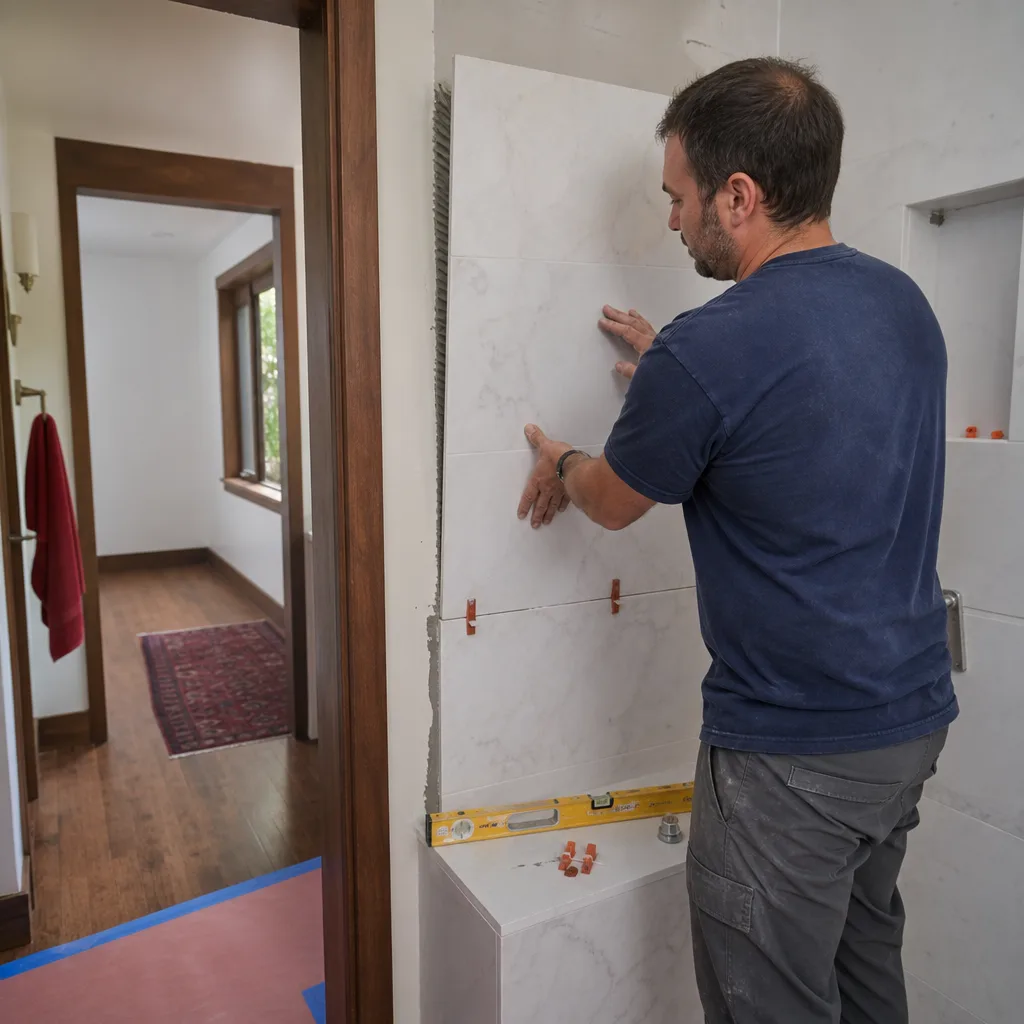
The substrate is the layer under your tile, the surface the tile actually bonds to. In a bathroom, particularly a shower, that layer is the difference between a bathroom that lasts 15 years and one that starts growing mold behind the wall inside 18 months. You won’t see the damage. You’ll smell it.
Here’s how it works. A proper shower build starts with a waterproofing layer, usually a liquid-applied membrane or a bonded sheet membrane, over a stable substrate like cement board (a moisture-resistant panel specifically made for wet areas). The membrane is what keeps water out of the wall cavity. Tile is decorative and functional, but tile itself is not waterproof. Grout isn’t either. The waterproofing is the actual defense.
What goes wrong when a contractor skips the membrane:
- Moisture migrates into the framing and drywall behind the tile.
- Mold and mildew grow where you can’t see them, usually starting at the corners and along the pan seam.
- Tile pops, grout cracks, and eventually the whole wall needs to come out.
- The problem typically surfaces 18 to 24 months after the job, well past the point most contractors will come back.
This is why a written guarantee matters so much on a bathroom job. A 30-day handshake isn’t long enough for a shower substrate failure to show up. A guarantee that actually runs a year or more is the one sized to the failure. If you’re still in the planning stage on a full bathroom renovation, the details on bathroom remodeling in Anaheim walk through what a proper build looks like from the framing up.
Anaheim Permits: What “We’ll Handle It” Should Actually Mean
Bathroom remodeling in Anaheim generally requires a building permit when you’re moving plumbing fixtures, altering electrical, or changing the structural layout. A like-for-like fixture swap in the exact same location often doesn’t, but the rules are specific and worth confirming with the city before work starts. The point isn’t the paperwork. It’s that the permit is the inspection, and the inspection is your independent verification that the framing, the waterproofing, the plumbing rough-in and the electrical were built to code.
“We’ll take care of the permit” is only reassuring when it comes with documentation. Ask for:
- The permit number. You should be able to look it up on the city’s online portal.
- A copy of the permit card. It should be posted on-site during construction.
- Who is pulling it. The licensed contractor performing the work should be the one pulling the permit. If a subcontractor is pulling it under a different license, ask why.
- Which inspections are scheduled. A proper bathroom job usually involves at least a rough-in inspection before drywall and a final inspection when it’s finished.
We’ve seen Anaheim homeowners discover a permit was never filed only after selling a house and having a buyer’s inspector flag the shower. The consequence is not just the remodel cost, it’s a disclosure problem at resale. A written price and a permit trail are not separate documents. They belong together. This is part of what we mean when we talk about the standard behind Penhallow Remodeling Anaheim’s home base, written price up front and documentation through to closeout.
Anaheim’s climate matters too, in a small way. The region’s dry summers are harder on caulk and grout than people expect, and a bathroom with a poor moisture barrier will show grout haze and cracking faster here than in a wetter climate, because the seasonal swing pushes the assembly one way and back. That’s another reason the waterproofing layer has to be right the first time.
What a Written Guarantee Should Actually Say
Most homeowner complaints about bathroom contractors come down to what the warranty didn’t cover. A written guarantee should name three things clearly: what’s covered, for how long, and what the contractor is obligated to do when you call.
What’s covered: the work and the materials. If the tile pulls away from the shower wall inside the guarantee window, that should be on the contractor, not on you. If the fixture leaks at the connection, that should be on the contractor. If the homeowner damages the work, that’s different, and every honest guarantee carves that out.
How long: a 30-day handshake guarantee is not big enough for a bathroom. The failures that matter most (substrate, waterproofing, plumbing rough-in) don’t show up in 30 days. We operate under a 365-Day Done Right Promise. If the work fails inside that window, we come back and fix it at no charge, and that’s written on the project, not promised verbally.
What happens when you call: this is the part most guarantees skip. A real guarantee spells out the contractor’s obligation. That means a return visit within a defined window, at no cost to you, and a written record of what was fixed. If the repair itself fails, there shouldn’t be a service call fee or a re-inspection charge. Ours doesn’t have one.
A guarantee is a contract. If it’s short, verbal, or contains the phrase “at our discretion,” ask what that means in plain terms before you sign. If you’re also planning a kitchen down the line, the guarantees and the scope work the same way. Kitchen remodeling in Anaheim follows the same standard.
The One-Document Checklist Before You Sign
Here’s the single question that catches most of the pre-work red flags. Ask the contractor: “Can I see the written price, the written schedule, and the written warranty on one document before you start?”
The answer tells you everything. A contractor who can produce it is organized, accountable, and operating on paper. A contractor who says “we’ll put it together after the deposit” is hoping you won’t ask again.
Before you sign with any bathroom contractor in Anaheim, walk through this list:
- A written price with the scope of work spelled out line by line.
- A start date and an arrival window in writing.
- A named warranty period with a stated obligation if the work fails.
- A permit plan with documentation you can verify.
- A named contact and a phone number a real person answers.
- A written change-order process for the mid-job decisions that will come up.
- Materials and brands named in writing, so you know what’s being installed.
If a contractor can’t produce that list on a single document, that’s the warning sign. Everything else is symptoms.
What Bathroom Remodeling Costs in Anaheim
Bathroom remodels in Anaheim typically run $9,500 to $28,000 depending on the size of the room, whether the layout changes, and the materials you choose. A simple cosmetic refresh (new tile, paint, fixtures, no layout change) lands toward the lower end. A full gut with moved plumbing, new substrate, new tile, new cabinetry and a heated floor pushes toward the upper end. Here’s roughly what drives the number:
- Cosmetic refresh, no plumbing moved: $9,500 – $14,500
- Mid-level full remodel, plumbing in place: $14,500 – $21,000
- Full gut with layout change and premium finishes: $21,000 – $28,000+
- Permit and inspection fees: typically $300 – $900 depending on scope
- Premium cabinetry and countertops (KraftMaid, Cambria, Silestone): adds $2,000 – $6,000 over builder-grade
- Heated floor and premium fixtures (Kohler, Moen): adds $1,200 – $3,500
Those numbers matter because a verbal bid that “starts around $6,000” and lands at $19,000 after demo is not a pricing problem, it’s a warning sign you didn’t catch in the pre-work phase. The written price is the one that doesn’t move. If you want to read deeper into what drives a bathroom budget up or down, our guide to bathroom remodeling in Anaheim breaks down the line items. And for a full-house comparison, the kitchen remodeling side of the business follows the same pricing discipline, because the discipline is the point.
Questions to Ask Any Anaheim Bathroom Contractor
Ask these before you sign a contract, and ask them in the room with the contractor so you can see how they answer. A good contractor welcomes every one of these.
- “Can I see the written price, the written schedule, and the written warranty on one document?” The core question. If the answer is “we’ll put that together after the deposit,” walk.
- “Who pulls the permit, and can I see the permit number?” The licensed contractor performing the work should pull it, and you should be able to verify it.
- “What’s your waterproofing method, and who inspects it before tile goes down?” Substrate matters. The answer should name a membrane system and an inspection point.
- “Who will be on the job day to day, and are they background-checked?” You deserve to know who’s walking through your home.
- “What’s your cleanup routine at the end of each workday?” Ask it plainly. The answer reveals a lot.
- “If something fails inside the warranty, what happens, and is there any charge?” Ours is a free return visit, no service call fee, no re-inspection charge.
- “Can I see a written change-order process?” Mid-job decisions are normal. Billed-after-the-fact decisions are not.
- “Is there a real person I can call after hours?” A live person answers our phone 24/7, and that’s standing practice, not a promotional claim.
If a contractor gets irritated at these questions, that’s the answer to ninety percent of the question. A contractor who’s confident about the work is confident about the paperwork. A contractor who’s padding the price or avoiding the permit will get vague. A contractor with nothing in writing will suddenly have a lot to say.
Common Mistakes to Avoid
- Accepting a verbal price. If it isn’t written down before work starts, it’s not a price. It’s a wish.
- Signing before you see the warranty. A guarantee reviewed after the deposit clears is reviewed too late.
- Not asking who pulls the permit. In Anaheim, the permit is the inspection, and the inspection is your verification the job was built to code. No permit, no protection.
- Skipping the substrate conversation. If the contractor can’t tell you what waterproofing system goes behind the shower tile, that’s not a detail you can sort out later. It’s the whole job.
- Paying a deposit in cash with no receipt. A deposit is a contract, not a favor. Get it in writing with a signed agreement.
- Hiring on the low bid alone. The lowest bid usually wins on the written price, not the verbal one, because the low bidder padded the difference into the change orders.
- Ignoring the daily cleanup. A crew that won’t vacuum the hallway on day two is signaling exactly how they’ll handle the final punch list.
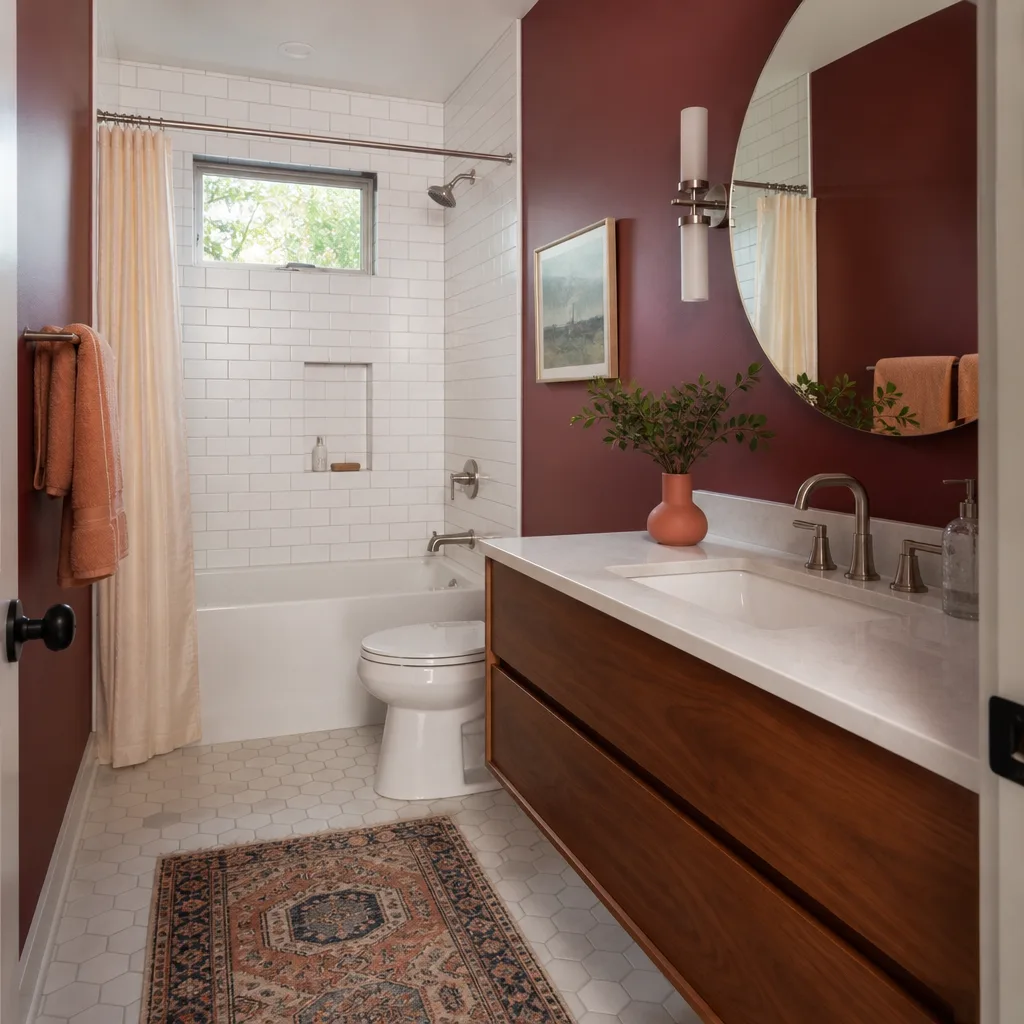
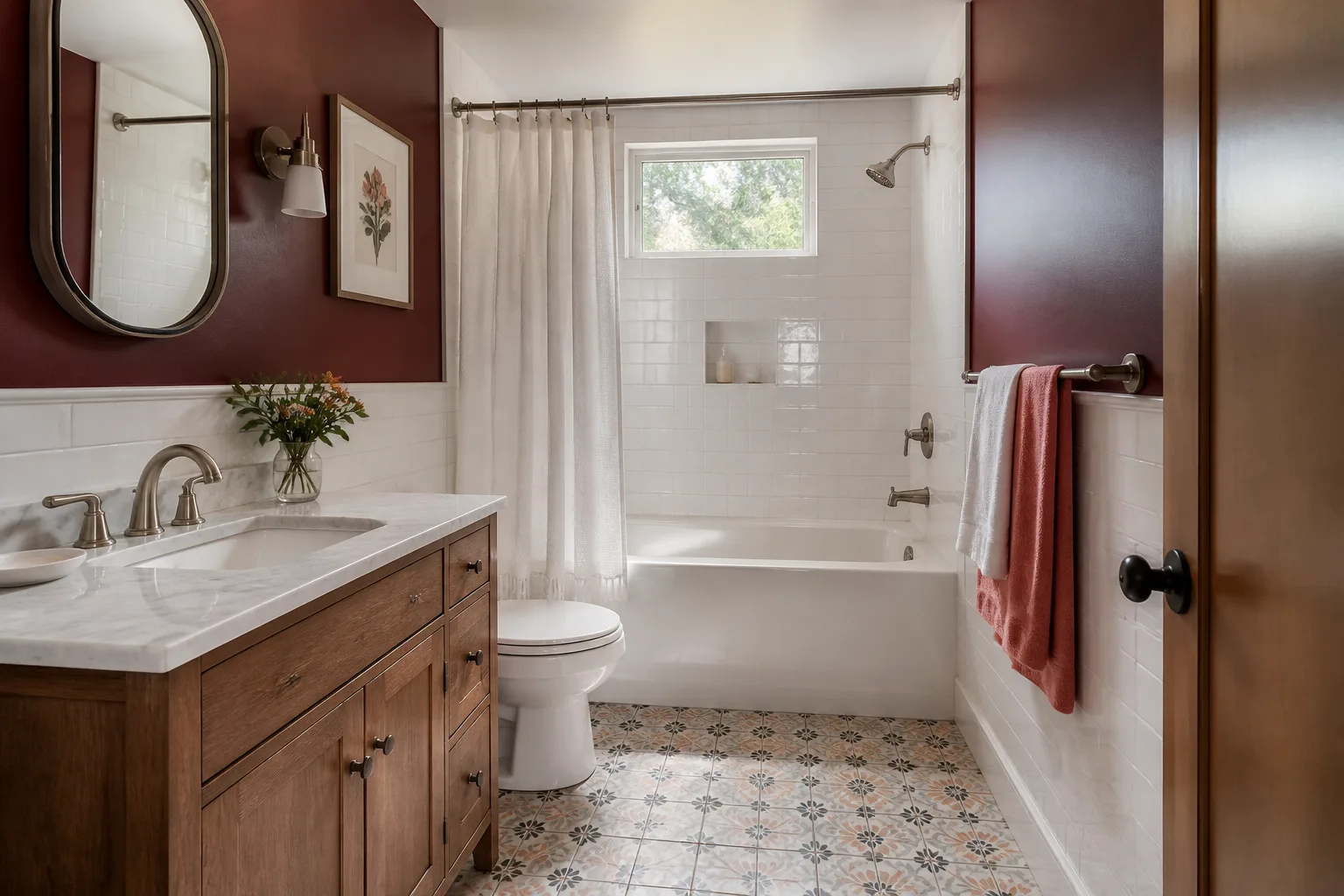
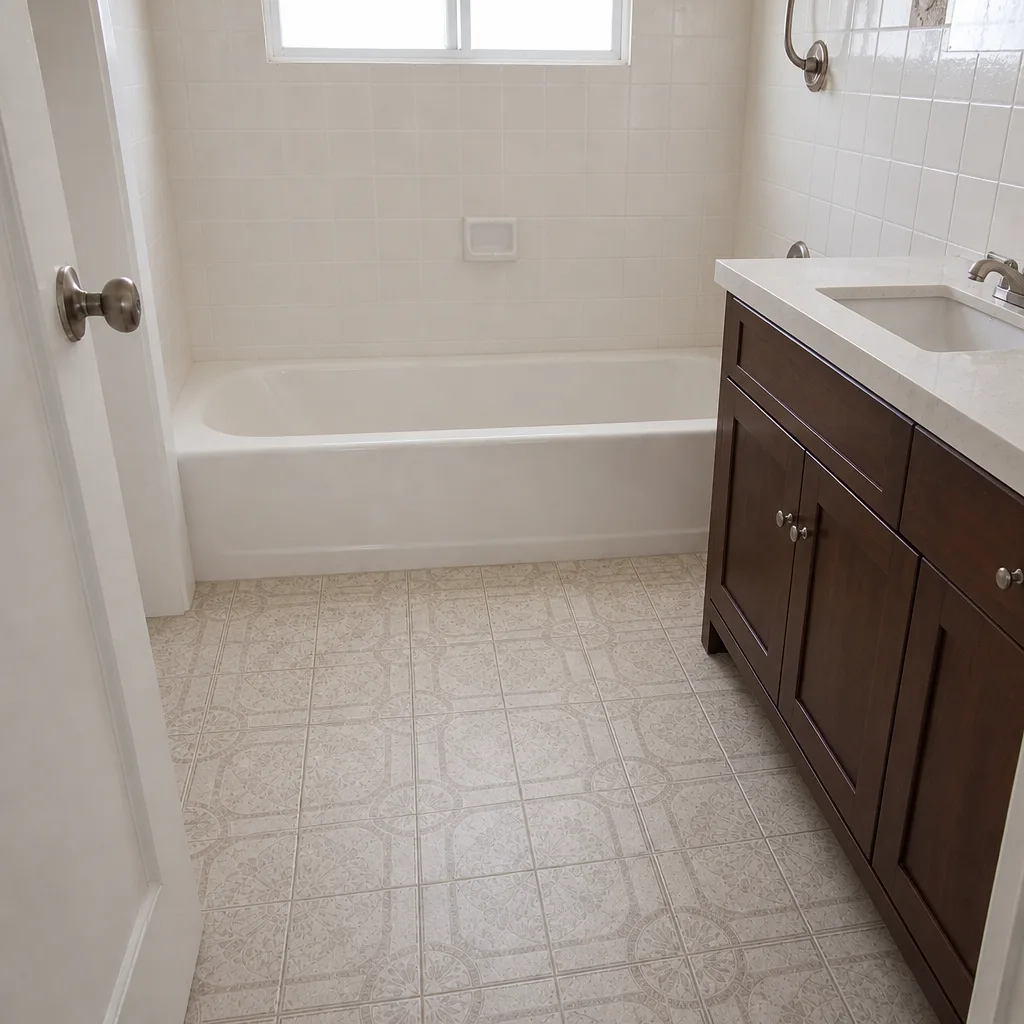
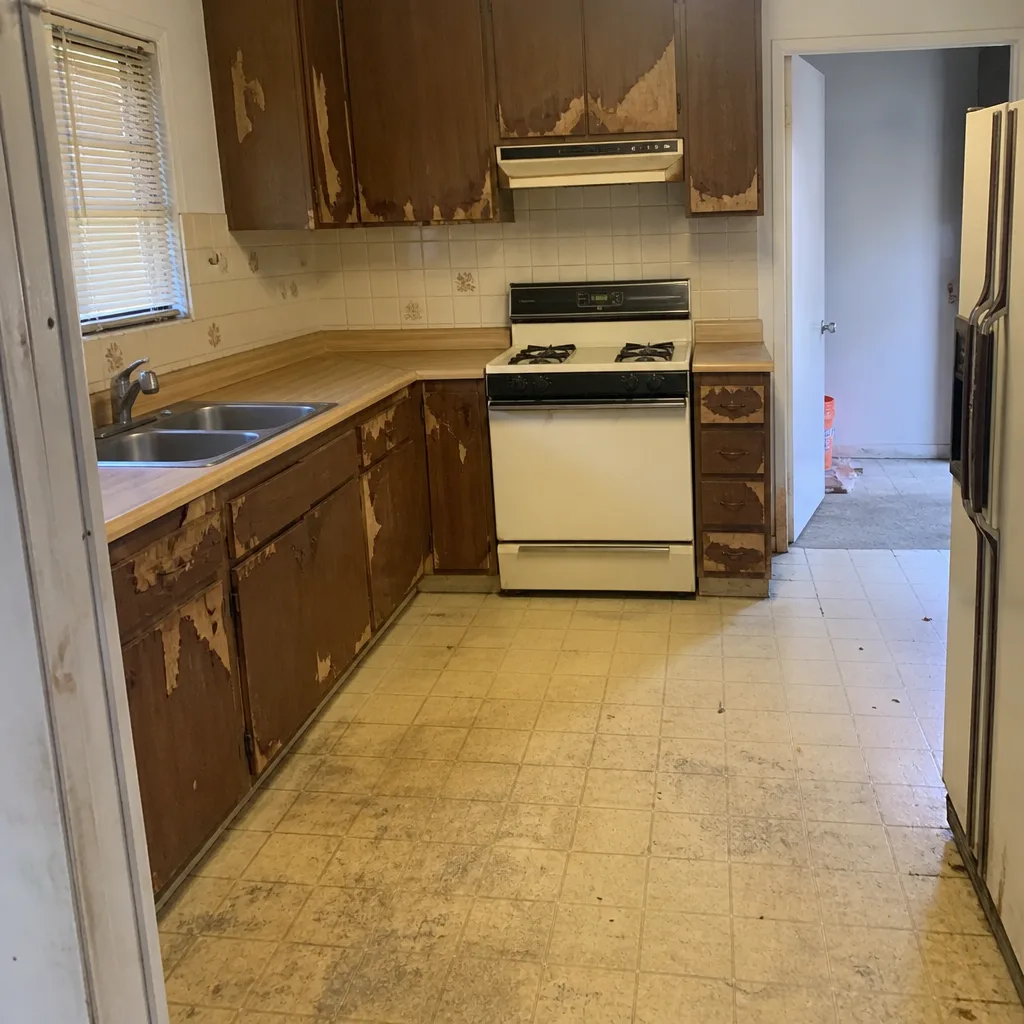
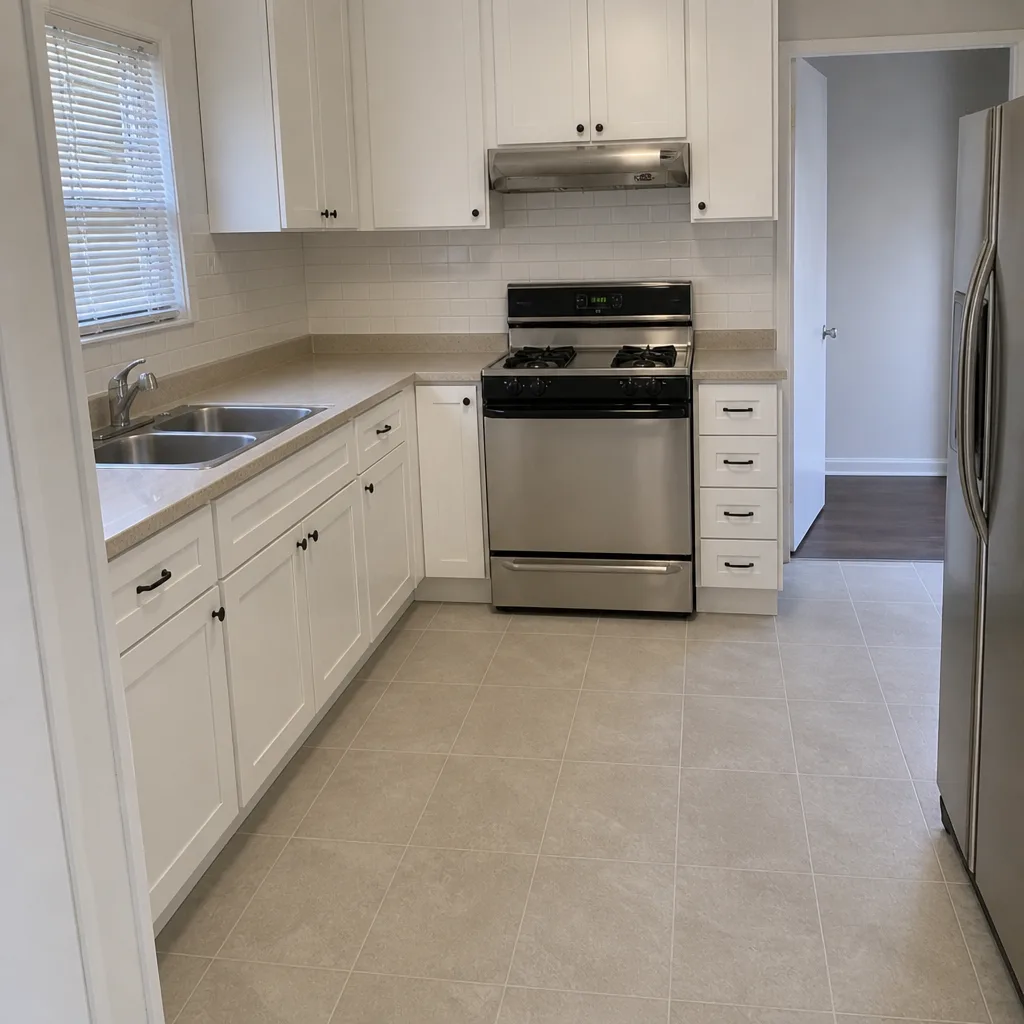
See the difference
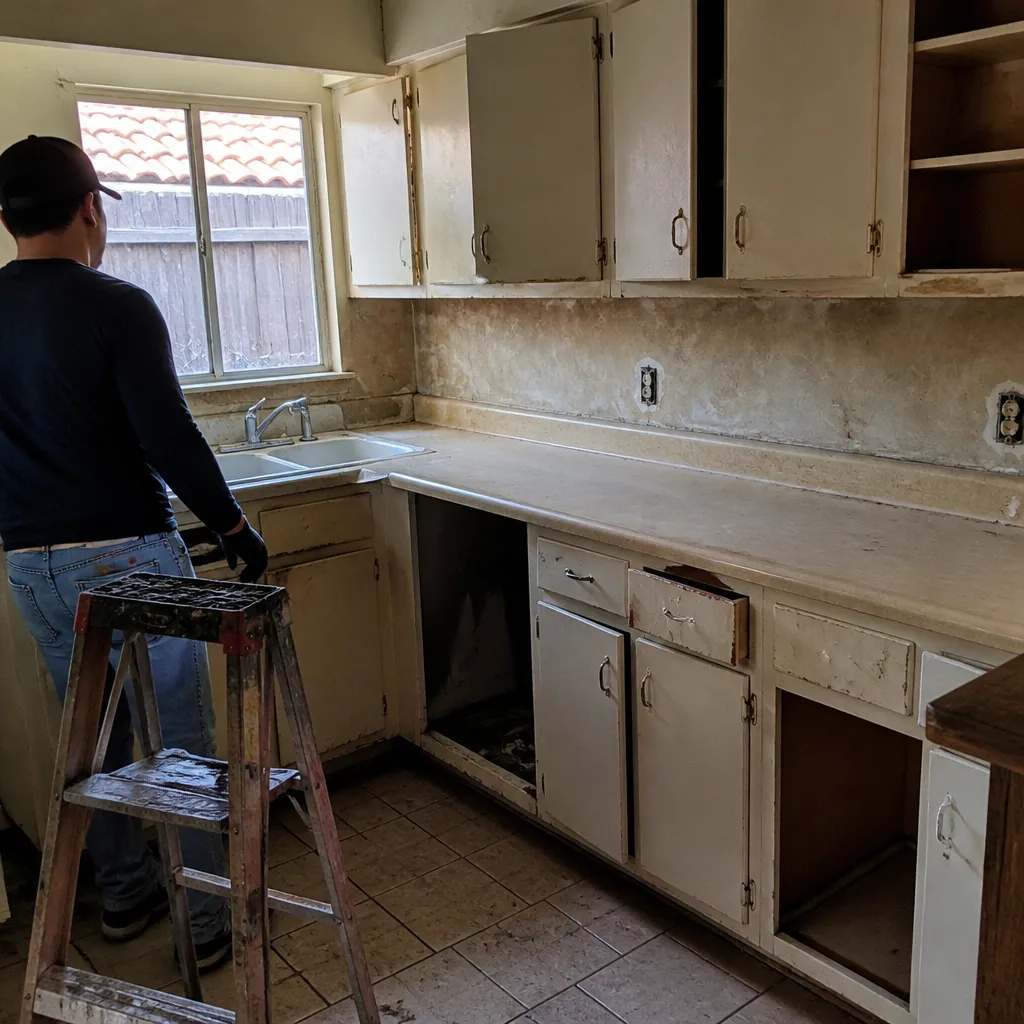 Before
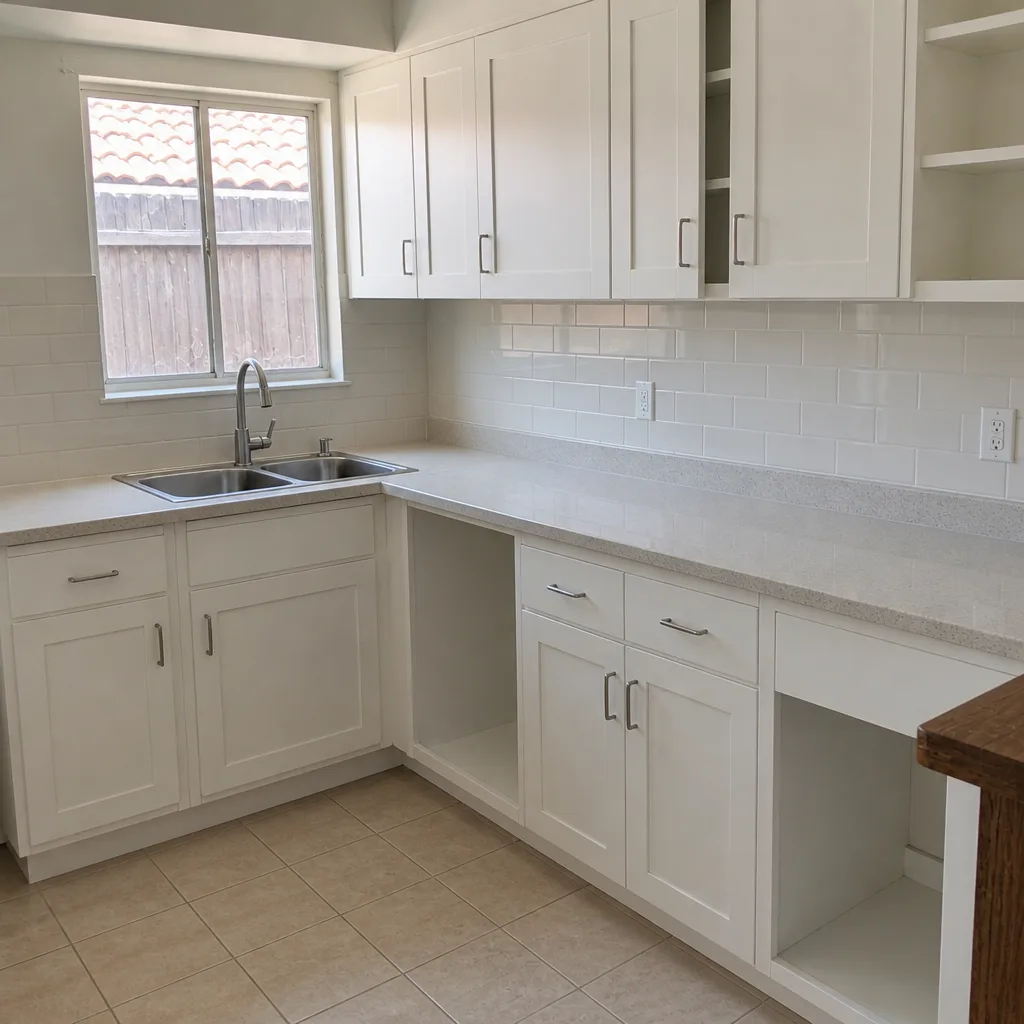 After
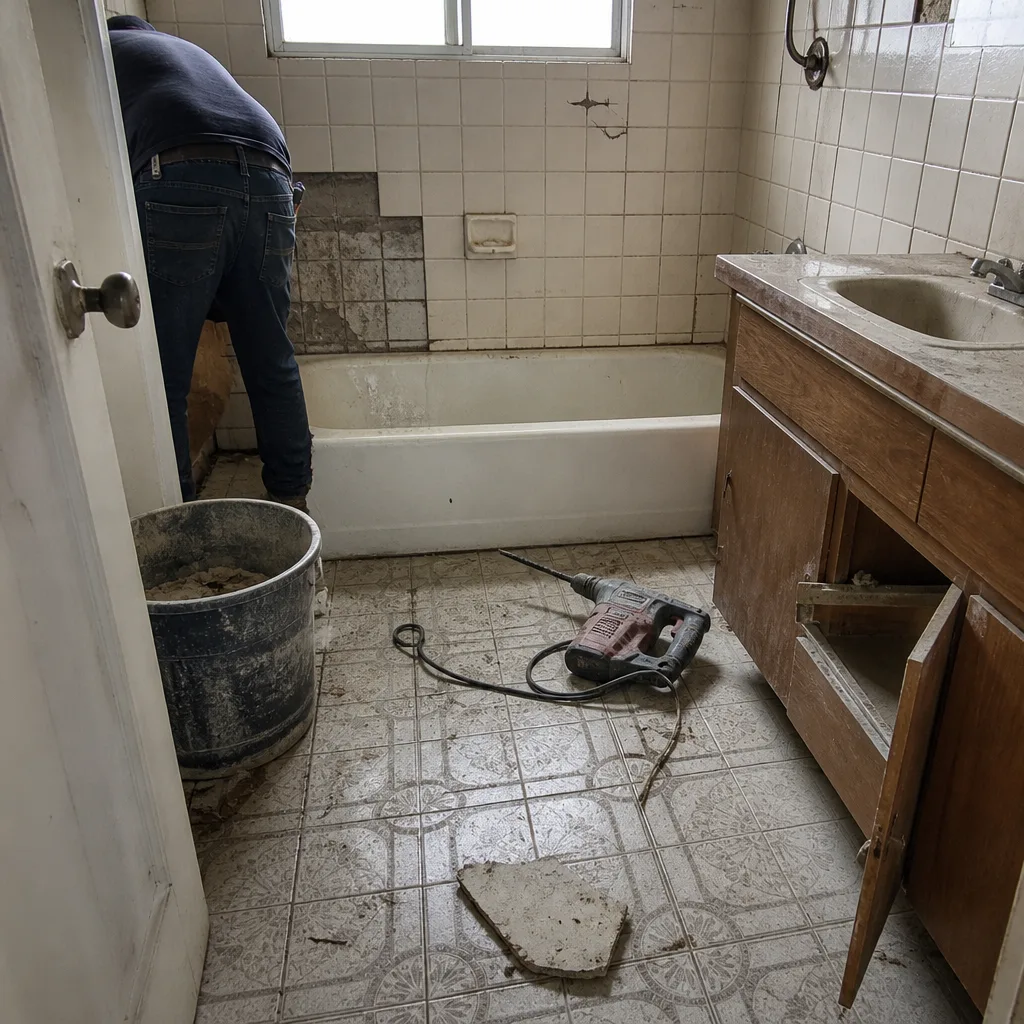 Before
 After
 Before
 After
When to Call a Professional
If the shower wall behind your tile is soft when you press on it, if you’re seeing recurring mold in the same corner after two cleanings, or if the grout line along your shower pan has cracked more than once, the substrate is likely the problem, and it’s not a patch job. Bathroom work touches plumbing, electrical, waterproofing and structural framing, and the failure modes are slow, invisible, and expensive. This is work that a trained, licensed professional should do. Our technicians have up to 22 years of experience, and we’d rather walk through your bathroom and tell you the truth about what you’re dealing with than have you find out in a resale inspection. Penhallow Remodeling Anaheim offers free estimates in Anaheim, and a live person answers the phone 24/7. Call (844) 320-2908 to schedule your free estimate.
Frequently Asked Questions
No written price. If a contractor can’t put the number on paper before work starts, everything downstream is a gamble. Call (844) 320-2908 for a free estimate and a written price you can hold us to.
Yes, always. A written warranty should name what’s covered, for how long, and what the contractor’s obligation is when you call. Ours is a 365-Day Done Right Promise with a free return visit if a repair fails. Estimates are free, so call (844) 320-2908 and we’ll walk you through the guarantee.
Often yes, especially when plumbing, electrical, or layout changes are involved. A like-for-like fixture swap in the same location may not require one, but the specifics depend on the scope, so confirm with the city before work starts. We pull the permits required for the job and provide documentation. Call (844) 320-2908 for a free estimate.
Bathroom remodels in Anaheim typically run $9,500 to $28,000, with the number driven by room size, whether the layout changes, and material choices. Cosmetic refreshes sit near the bottom of that range, and full gut remodels with premium finishes near the top. Call (844) 320-2908 for an exact quote. Estimates are free.
The substrate is the layer under your tile that the tile bonds to, and in a shower, the waterproof membrane over that substrate is what actually keeps water out of your wall. If a crew skips the membrane, mold and tile failure typically show up 18 months later, well past most contractors’ guarantees. Ask about the waterproofing method before tile goes down. Call (844) 320-2908 for a free estimate and we’ll walk you through ours.
Not on our jobs. The written price you receive before work starts is the number on the invoice. Mid-job changes are always handled by a written change order agreed before the extra work begins, so nothing lands on the back end. Call (844) 320-2908 for a free estimate.
The Bottom Line
If you remember one thing from this guide, make it this: bathroom remodeling problems are almost always administrative before they’re visual. A crooked tile line is fixable. A contract without a written price, a permit without a number, and a warranty without defined coverage is the problem you can’t fix on the back end. In Anaheim, the climate, the permit process, and the resale market all punish shortcuts in the same way, quietly, at disclosure time. Ask for the written price, the written schedule, and the written warranty on one document before you sign. If a contractor can produce that, you’re likely in good hands. If they can’t, you’ve just saved yourself a five-figure mistake. For more on the standards we hold every job to, see how we work as a general contractor in Anaheim.
Penhallow Remodeling Anaheim provides kitchen remodeling, bathroom remodeling, and whole-home remodels for homeowners across Anaheim and the surrounding area. Every project gets a written price before any work starts, a defined arrival window, background-checked and uniformed technicians, and a written guarantee. A live person answers the phone 24/7. Call (844) 320-2908 for a free estimate.
Written by the team at Penhallow Remodeling Anaheim.