Last updated November 18, 2026






Free written scope consultation - allowances, timeline, and change-order rules on paper before a single trade is scheduled
DIY vs Professional Home Remodeling: What’s Safe to Do Yourself
Here’s a number that surprises most homeowners: a $300 weekend tile job can quietly knock thousands off your home’s appraised value. Not because the tile is ugly, but because it shows up in the county record as unpermitted work. The permit trail and the licensed-work record on your property follow the house, not just you. When you sell in Anaheim, a buyer’s inspector reads that record, and so does the appraiser.
This guide isn’t a list of chores you’re allowed to attempt. It’s a framework for deciding what’s genuinely safe for you to touch, what quietly costs you money down the road, and where the honest line sits between cosmetic work and work that can hurt you or your resale value. We’ve walked through enough Anaheim homes to know the difference.
Quick Answer
Cosmetic work is generally safe to do yourself: painting, swapping a faucet, changing light fixtures with the breaker off, installing a floating shelf, refacing a vanity front. Anything that touches structure, moves a load-bearing wall, alters electrical circuits, relocates plumbing, or requires a permit is work for a licensed contractor, both to protect your home’s value and to keep you safe. In Anaheim, unpermitted structural, electrical, or plumbing work can surface at resale and cost you the deal.
Styles & brands we work with
- Kitchen remodeling
- Bathroom remodeling
- Home additions & ADU
- Roofing
- Windows & doors
- Driveway & pavers
- Fence
Table of Contents
- The Permit Trail: Why DIY Follows Your House
- The Risk Framework: Structural, Electrical, Plumbing vs. Cosmetic
- How to Evaluate Your Own Skill Honestly
- The Hidden Costs That Flip DIY Savings
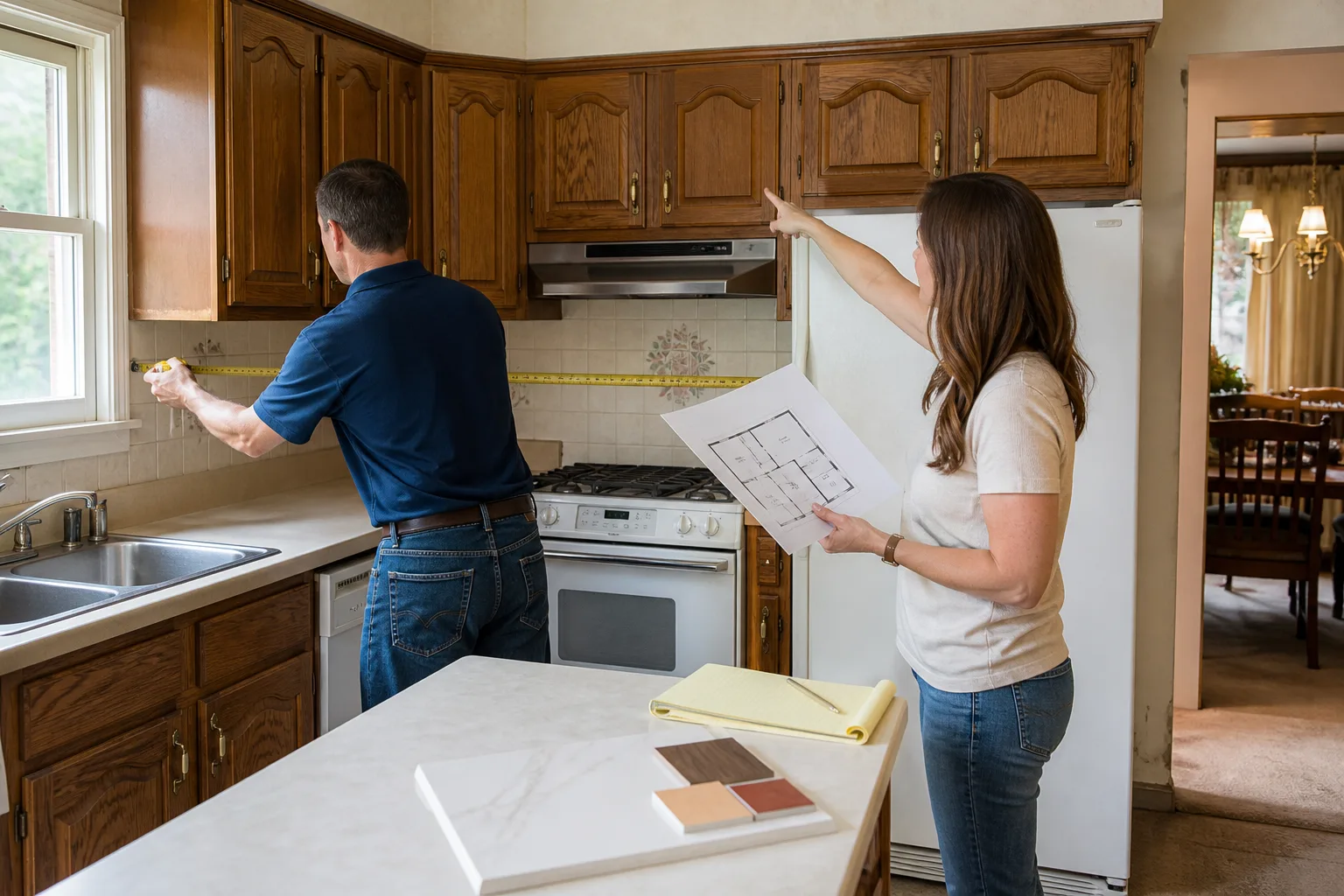
- What a Written Professional Estimate Actually Covers
- Anaheim-Specific Rules and Climate
- Common Mistakes to Avoid
- When to Call a Professional
The Permit Trail: Why DIY Follows Your House
When you pull a permit, the city inspects the work and logs it. When you don’t, the work still exists on the property, but the record doesn’t. That gap is what bites homeowners at resale. A buyer’s home inspector in Anaheim will note an unpermitted addition, an added bathroom, a relocated electrical panel, or a wall that came down without a permit. Then the buyer’s lender gets nervous, and suddenly you’re negotiating thousands off asking price or paying for retroactive permitting under deadline.
Here’s the part people miss. Unpermitted work is not automatically bad work. Sometimes it’s fine. But the record shows a gap, and a buyer’s attorney treats gaps as risk. That’s the entire mechanism: not the quality of the tile, but the absence of a paper trail that says a licensed professional did the job and an inspector signed off on it.
This is why the real question isn’t “can I do this myself?” It’s “what happens to my insurance and resale value if I do?” In Anaheim, homes that went through permitted kitchen remodeling and bathroom remodeling carry a cleaner record, and that record is a tangible asset. If you’re planning a bigger project down the road, it’s worth understanding how a general contractor in Anaheim manages the permit process from the start, so the record follows your house in the way buyers want to see.
The Risk Framework: Structural, Electrical, Plumbing vs. Cosmetic
The line between safe DIY and hired work isn’t fuzzy. It falls into three buckets, and only one of them belongs in your hands with any confidence. Use this framework before you pick up a tool.
Cosmetic work (usually safe for a careful homeowner)
- Interior painting and trim work
- Swapping a bathroom faucet on an existing supply line (Kohler and Moen both make drop-in replacements that fit most standard installs)
- Replacing a vanity cabinet front or refacing a cabinet door
- Changing a light fixture with the breaker off and no new wiring
- Installing shelving into studs, hanging mirrors, tiling a small backsplash on existing substrate
Electrical work (hire a licensed electrician)
Adding or moving a circuit, replacing a panel, adding outlets, running new wire, or installing a ceiling fan where none existed all cross the line. In Anaheim, electrical permits are pulled by the licensed trade. The reason is plain: an unsafe connection doesn’t fail on your timeline, it fails on someone else’s, and that someone is often a family member sleeping three feet from the outlet.
Plumbing work (hire a licensed plumber)
Moving a drain, relocating a toilet, replacing a water heater, or rerouting supply lines all require a permit and a licensed pro. A slow leak behind a wall in an Anaheim home is a mold issue in three months, and fixing it means tearing out the wall you just finished. A Kohler shower valve that wasn’t set to code isn’t a warranty problem, it’s a water damage problem.
Structural work (never touch)
Removing a wall, widening a doorway, adding a beam, raising a ceiling, or altering load-bearing framing requires an engineer, a permit, and a licensed contractor. Studfinder or not, you can’t see what’s carrying the load above your head. A wall that looks empty can be holding up your roofline, and fixing a mistake after the fact is one of the most expensive corrections in remodeling.
How to Evaluate Your Own Skill Honestly
Most homeowners overestimate their readiness by exactly one project. The last project felt easy, so the next one gets bigger, and the third one is where the trouble starts. Before you commit, run through this honest self-test.
- Have you done the exact task before, or a close cousin? Painting a wall is a cousin of painting a door. Cutting tile is not a cousin of changing a faucet.
- Do you own the right tool, or are you renting it for the first time? A wet saw you’ve never used is a weekend of learning, not an afternoon of work.
- Can you describe the failure mode? If this goes wrong, what breaks, and how expensive is that? If the answer involves the phrase “well, I’ll figure it out,” that’s your signal.
- Have you checked whether a permit is required? Ten minutes on the City of Anaheim’s permit page will tell you more than an hour of YouTube tutorials. If a permit’s needed, it’s not a DIY project in the practical sense.
- Would you be comfortable showing the work to a buyer’s inspector? If the answer is no, you’ve found the line.
YouTube-confident is a real thing. It’s the feeling you get after watching three videos where the host’s tile lines look perfect because the camera angle is generous. Job-site ready is different. It’s having spent an afternoon on a wet saw before, knowing how much thinset you actually burn through, and understanding that the substrate (the layer beneath your tile that carries the load) is where good tiling lives or dies. If you can’t explain what substrate is doing for you, the tile job isn’t ready for you yet.
The Hidden Costs That Flip DIY Savings
The interesting thing about DIY is that the savings you see on paper tend to disappear on the second trip to the store. Here’s where a “cheaper” project turns into a more expensive one, and why the honest comparison is total cost, not ticket price.
Tool rental and material waste
Tiling a small bathroom wall might need a $65/day wet saw rental for two weekends, plus $120 in cutting blades, plus 15% extra tile for waste and errors. Material overage on DIY projects typically runs 15-20%, because cutting errors are unforgiving. A professional buys precisely, uses precise cuts, and returns the difference.
Correction work
This is the quietest line item and the largest. A plumbing mistake behind a wall costs more to fix than the original job. A tile job over a wet-set backer can fail in six months and require the entire wall be redone. A dropped cabinet struck a countertop that now has to be replaced. The correction line on a DIY project is often the entire professional quote.
Inspection failures
If you pull a permit and fail inspection, you pay for re-inspection. If you skip the permit and the work comes up at resale, you pay for retroactive permitting plus any correction the inspector requires plus the timeline pressure of a sale.
Insurance and liability gaps
Ask your homeowner’s insurance carrier what happens if your DIY plumbing floods the kitchen. The answer is usually that some coverage applies but the claim can trigger a rate increase, and if the work was unpermitted and non-code, the insurer can push back. A licensed contractor’s work comes with their liability behind it. That’s a material cost of its own, and it’s the one homeowners forget to price in.
What a Written Professional Estimate Actually Covers
A written estimate isn’t just a number. It’s a contract that lines up the scope, the price, the timing, and the liability behind every part of the job. Here’s what a professional written estimate covers that a DIY budget never includes.
- Line-item scope with material brands named. Not “cabinets” but “KraftMaid or Wellborn cabinet line in [finish].” Not “fixtures” but “Moen and Delta standard, Kohler upgrade option.” You can see exactly what you’re buying.
- Permit filings and inspection handling. The permit goes in the contractor’s name, inspections are scheduled and passed, and the record ends up clean at your county office.
- A fixed written price. At Penhallow Remodeling Anaheim, the number on day one is the number on the invoice. That’s the standard under The Kingswell Way: say the price before the work, show up in the window we gave, leave the place cleaner than we found it.
- The 365-Day Done Right Promise. If the work fails inside the guarantee period, we come back and fix it at no charge. That covers a repair that cracked again six weeks later, which is exactly the kind of failure a DIY homeowner can’t easily diagnose.
- Liability behind the work. If damage happens to your home during the job, the contractor’s coverage responds. If you do the same job yourself and damage your home, your policy decides.
- A free return visit if a repair fails. No service call, no re-inspection fee, no argument about whose fault it was.
The comparison that matters is total cost over the life of the work. A DIY job that costs $900 but needs $1,200 in correction next year is a $2,100 job. A written estimate with a guarantee is what it says on the page, and someone else carries the risk. If you want to see how this plays out on kitchens specifically, the kitchen remodeling in Anaheim page lays out the scope differences; the same logic applies to bathrooms and whole-home work.
Anaheim-Specific Rules and Climate
A general guide gets you 80% of the way. The last 20% is local, and it’s where Anaheim homeowners get surprised. Three things stand out from our experience in this city.
Permits are not optional here. The City of Anaheim requires permits for structural changes, electrical work beyond a fixture swap, plumbing relocations, additions, and any work that changes a home’s footprint or safety systems. This is true everywhere, but Anaheim’s older housing stock means the permit record matters more, because so many homes have prior unpermitted work layered over the decades. If you’re updating a 1960s ranch in west Anaheim or a mid-century home near the Colony, the record is part of what you’re buying and selling.
Climate affects what fails. Anaheim’s warm, dry summers and Santa Ana wind events are hard on exterior materials. James Hardie siding holds up in this climate in a way that cheaper composite doesn’t, which is why we install it. Interior-wise, the low humidity means tile and grout behave differently here than they do in a wetter region, and a poorly set tile floor can look fine for a year and then show every hollow spot. Warm, dry inland conditions are also why exterior caulk joints and window flashing get checked earlier than homeowners expect.
Neighborhood housing stock varies. A 1950s single-story in the Anaheim Colony Historic District faces review requirements that a newer build in Platinum Triangle doesn’t. Homes near the Packing House and downtown infill have different structural and utility realities than the newer construction out toward Yorba Linda. Before you plan a project, know what you’re starting from, because the scope of a permitted bathroom remodel in one neighborhood can differ from another by thousands. The bathroom remodeling in Anaheim page touches on how we scope by home type, and it’s worth a read before you decide whether your project is a DIY candidate.
Common Mistakes to Avoid
- Assuming “I can watch a video” equals “I can do the job.” Video doesn’t teach you what to do when the substrate behind the old tile is rotted, and that’s the moment that decides the project.
- Skipping the permit to save money. The permit cost is small next to the resale deduction from unpermitted work. In Anaheim, that deduction can run into five figures on a structural change.
- Tearing out before understanding what’s behind the wall. Load-bearing walls, plumbing runs, and electrical are not labeled. Demo day reveals them, and by then you’re committed.
- Buying materials before the scope is final. Cabinets, tile, and countertops bought on a rough idea are the most common cause of over-budget DIY, because returns on opened materials are limited.
- DIY-ing anything that touches a shower valve, water heater, or panel. These are the three items most likely to cause damage from a small mistake, and all three are beyond cosmetic.
- Comparing a DIY budget to a professional estimate on the sticker price alone. The right comparison is total cost of ownership, including correction work, insurance exposure, and resale value.
- Forgetting the inspection timeline. Even permitted work needs to be ready for inspection at the right moment. Scheduling inspections late is a common DIY stumble that stretches a short project into a long one.
When to Call a Professional
Call a professional when the work involves structure, electrical circuits, plumbing relocations, permit filings, or anything you’d be uneasy showing a buyer’s inspector. That’s most of remodeling. It includes kitchens, bathrooms, additions, wall removals, panel work, and any project where the finish quality matters to resale. Penhallow Remodeling Anaheim offers free estimates in Anaheim; every estimate is written, line-item, and backed by the 365-Day Done Right Promise. Our technicians have up to 22 years of experience, arrive background-checked and uniformed, and a real person answers the phone 24/7. Call (844) 320-2908 to schedule your free estimate. You can also start with the Penhallow Remodeling Anaheim home page to see how we handle projects end to end.
See the difference
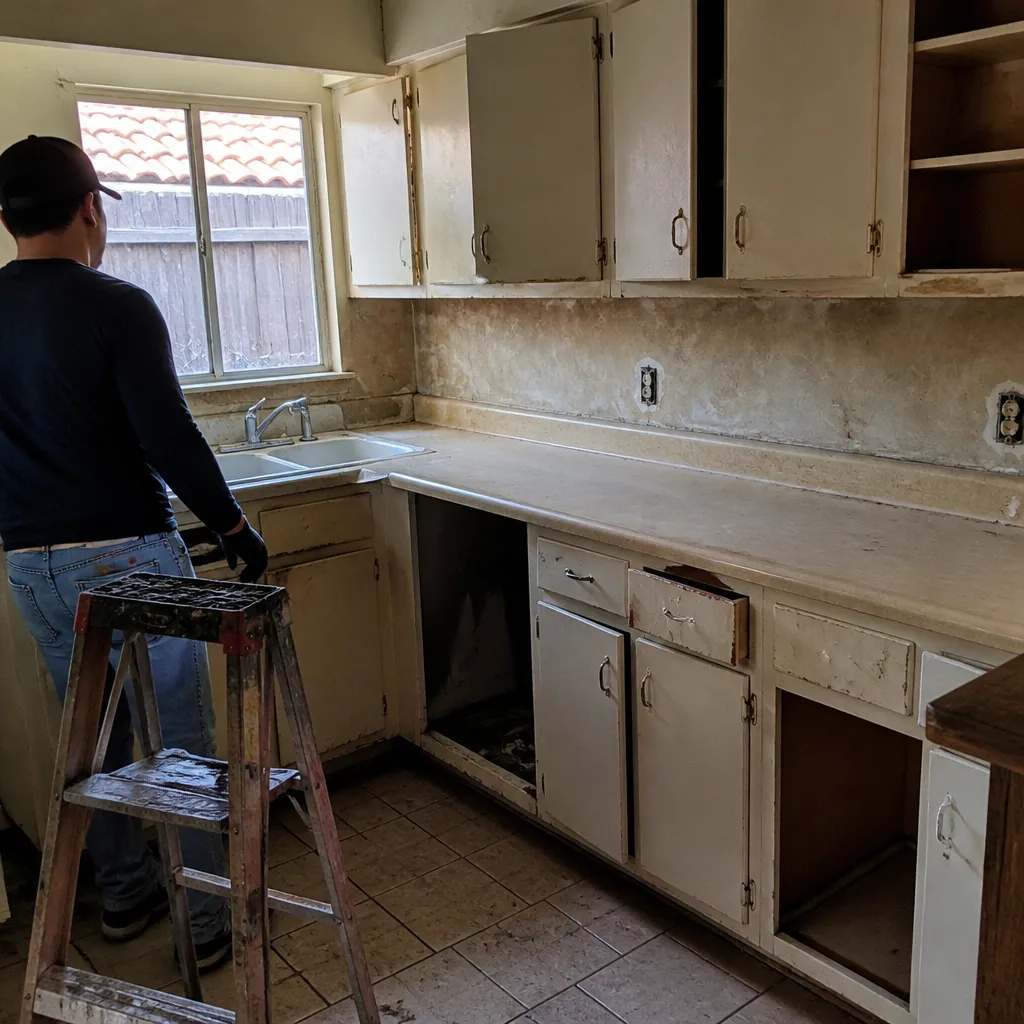 Before
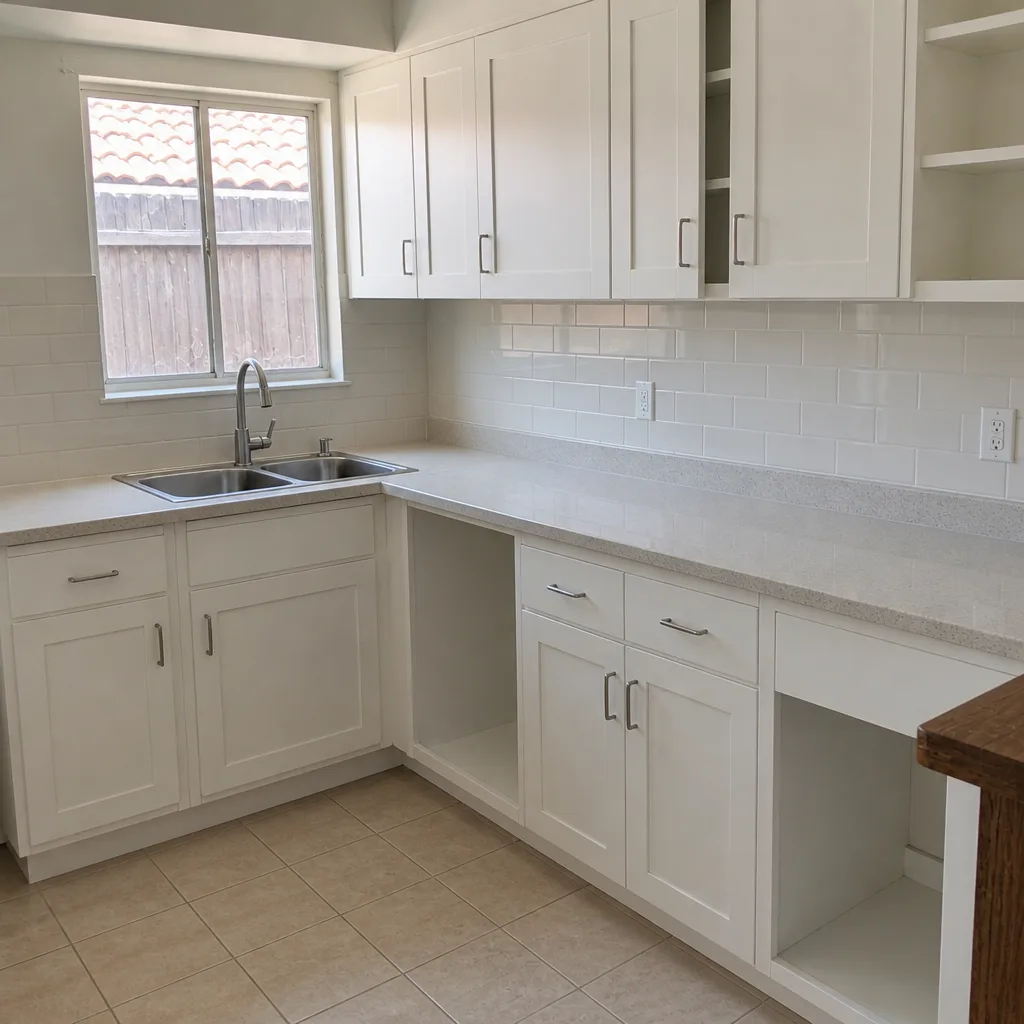 After
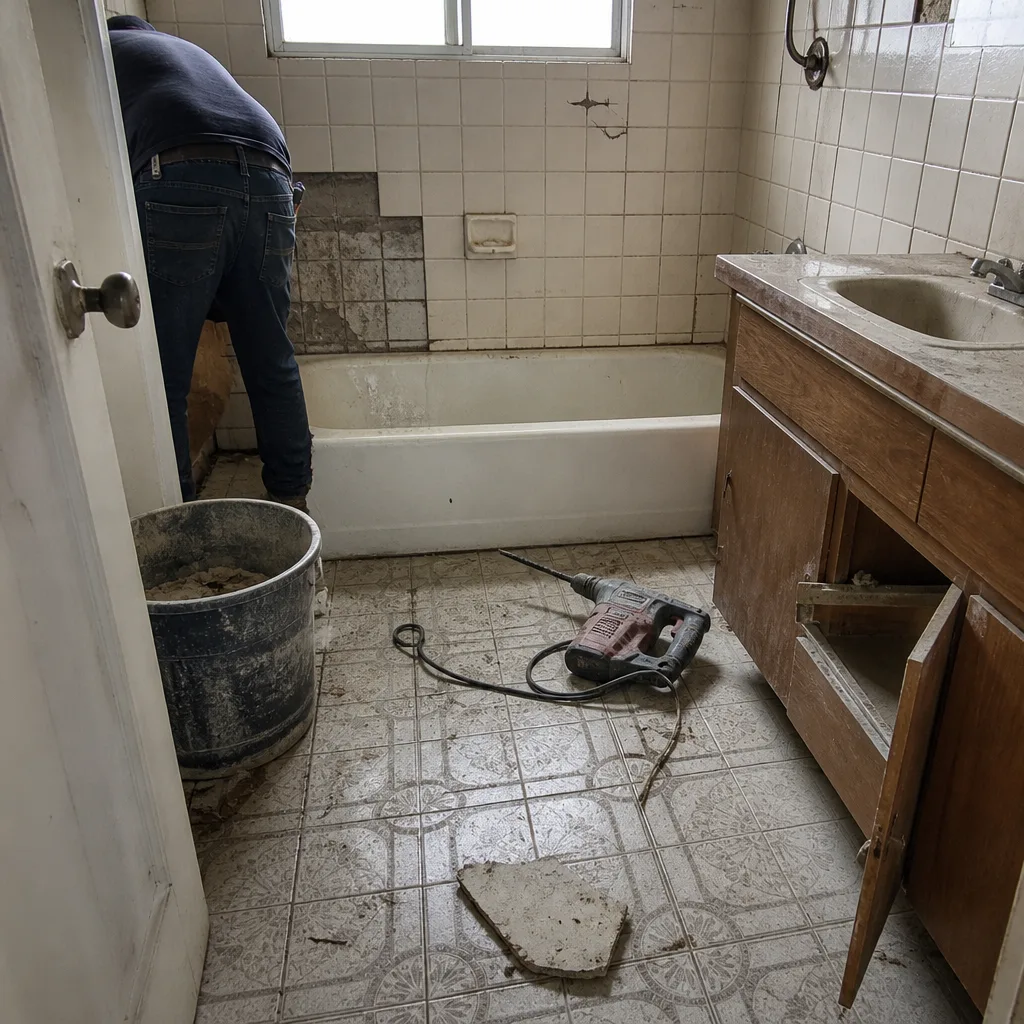 Before
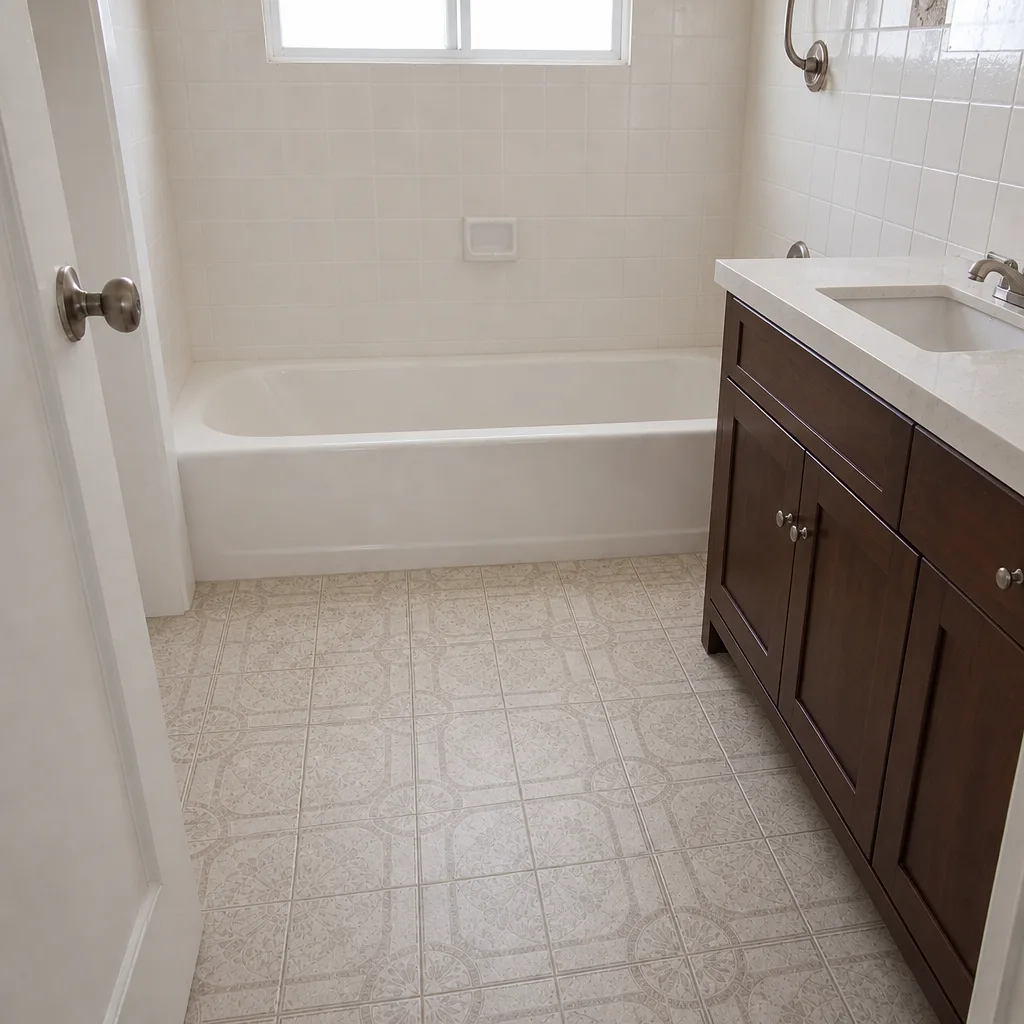 After
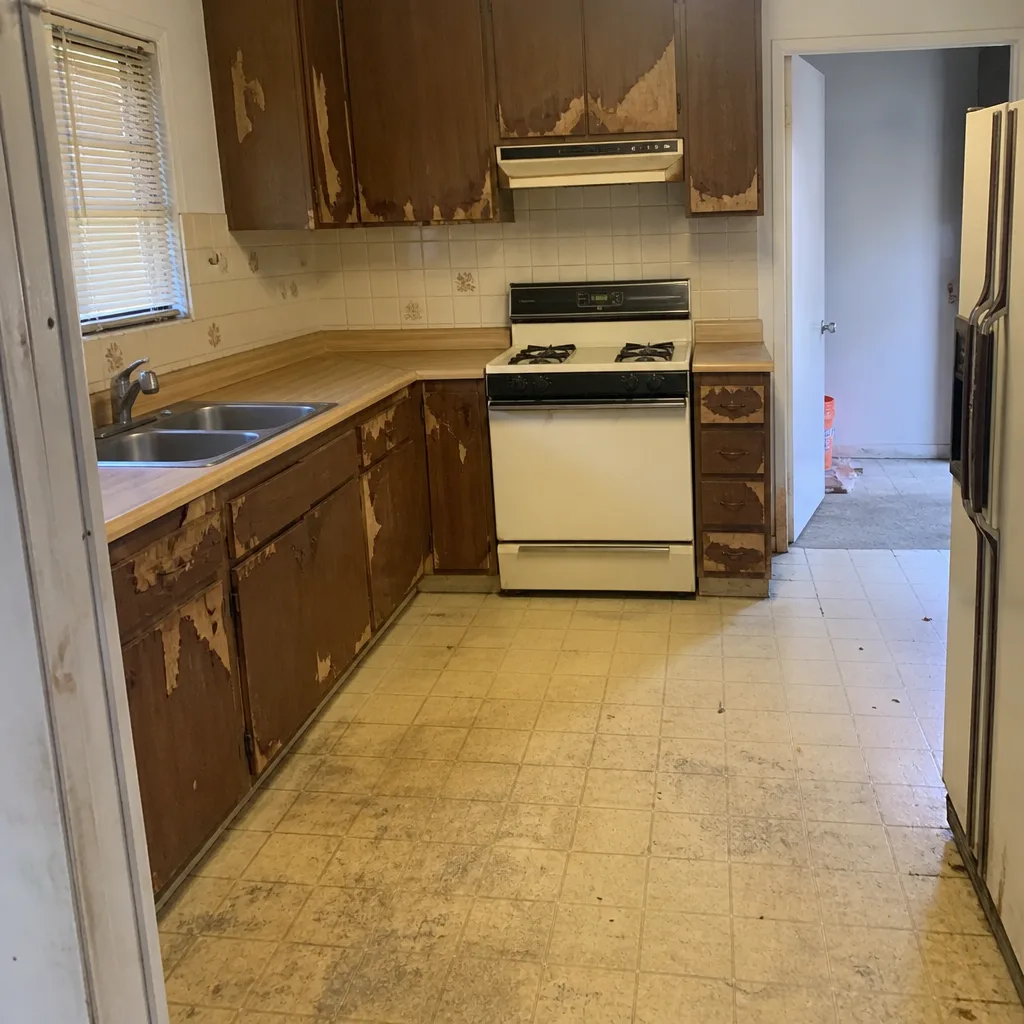 Before
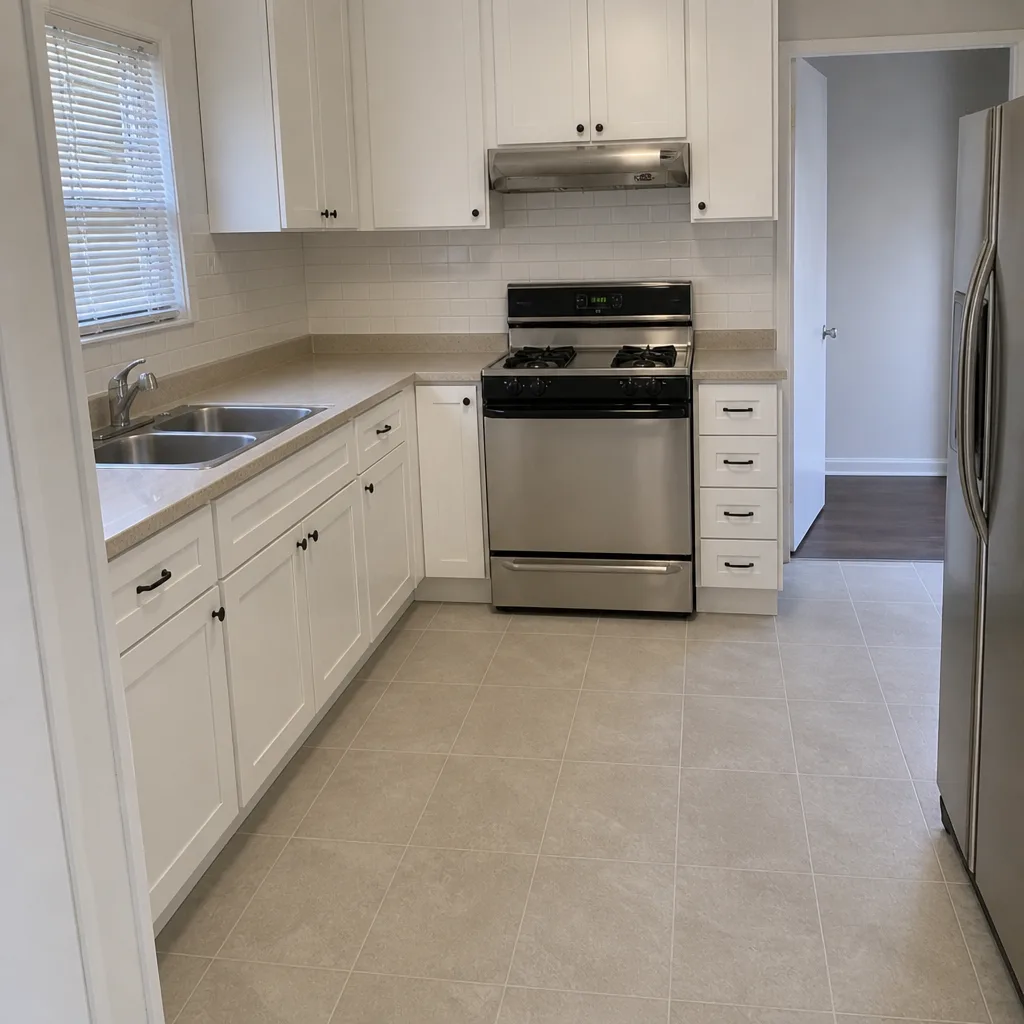 After
Frequently Asked Questions

Only if it’s genuinely cosmetic. Replacing a faucet, painting, or swapping a vanity top doesn’t need a permit. Moving a drain, relocating a toilet, or adding a shower valve does, and the City of Anaheim requires a licensed trade and an inspection for those. If you want the bathroom remodel to hold value and pass a buyer’s inspection, pulling the permit is the safer move. Call (844) 320-2908 for a free written estimate on the permitted scope before you decide.
Yes, and usually more than the permit would have cost. A buyer’s inspector flags unpermitted structural, electrical, or plumbing work, and the buyer’s lender may require it to be corrected or retroactively permitted before closing. That correction is priced against a timeline, which means you pay more than if the work had been permitted the first time. A written pro estimate up front is cheaper than a correction at sale.
Cosmetic work changes surface appearance without altering structure, electrical circuits, or plumbing. That covers paint, tile over existing substrate, cabinet fronts, faucet swaps, and light fixtures. Structural work alters load-bearing framing, electrical circuits, or plumbing paths, and requires an engineer, a permit, and a licensed contractor. If a project changes what’s under the surface, it’s on the structural side.
Sometimes, yes. A single bathroom remodel in Anaheim typically runs $12,000 – $28,000 depending on tile, fixture line, and whether plumbing moves. If your DIY version leaves a correction behind, the total often matches the professional price. Small jobs where permits, protection, and finish quality all matter usually favor a written estimate. Call (844) 320-2908 for a real number before you commit to either path.
If work we performed fails inside the 365-day period, we come back and fix it at no charge. That includes a repair that fails, a finish that lifts, or an installation that doesn’t perform the way the written scope describes. The promise is in writing on every project, and it’s separate from any manufacturer warranty on materials. It’s one of the reasons a written estimate is worth more than a verbal one.
Cabinet replacement itself is borderline, but everything around it usually isn’t. Cabinets often require moving electrical for lighting, changing plumbing for a sink position, or addressing the substrate and wall framing behind the old boxes. KraftMaid and Wellborn cabinets are forgiving to install only when the walls are square and the substrate is sound, and in older Anaheim homes, they’re often not. A professional scope covers the parts that fail quietly. Call (844) 320-2908 for a free estimate.
The Bottom Line
DIY is a good fit for the genuinely cosmetic: paint, faucet swaps, cabinet fronts, shelves, and light fixtures with the breaker off. Anything structural, electrical, or plumbing belongs to a licensed professional, and the reason is less about your skill than about what the permit record says about your home at resale. In Anaheim, that record is a real asset. A written professional estimate covers the permit trail, the inspection sign-off, the liability, and the 365-Day Done Right Promise, and the number on day one matches the invoice. If you’re pricing a project and want to decide with real numbers, Penhallow Remodeling Anaheim gives free written estimates. Call (844) 320-2908.
Written by the team at Penhallow Remodeling Anaheim.