
Last updated November 18, 2026








Free written scope consultation - allowances, timeline, and change-order rules on paper before a single trade is scheduled
Bathroom Remodeling Troubleshooting: Common Problems and How to Fix Them
A shower that leaks into the subfloor doesn’t announce itself with a puddle. It announces itself with a soft spot in the floor six months later and a repair bill that often exceeds what the original tile installation cost. In our experience across Anaheim, the failures that wreck a bathroom remodel are rarely random. They cluster at four known vulnerability points: the shower pan, the tile substrate, the exhaust ventilation, and the fixture connections. And each one leaves a visible early warning sign, if you know where to press, flex, and look. This guide teaches you to read those signs so a five-minute check catches a problem while it’s still a small fix.
Quick Answer
Most bathroom remodel problems after renovation trace back to water getting where it shouldn’t: a failed shower pan, missing or incorrectly installed waterproofing behind the tile, a weak exhaust fan that never moves enough air, or a loose fixture connection. The fix depends on catching the sign early. In Anaheim’s dry, warm climate, tile and caulk dry out and crack faster than homeowners expect, so a monthly five-minute inspection (press, flex, and look at the four points below) is the single best defense against a full tear-out.
Styles & brands we work with
- Kitchen remodeling
- Bathroom remodeling
- Home additions & ADU
- Roofing
- Windows & doors
- Driveway & pavers
- Fence
Table of Contents
- The Five-Minute Monthly Shower Inspection
- Is Your Exhaust Fan Actually Moving Air?
- What Efflorescence Tells You About Your Waterproofing
- Leaking Wax Ring vs. Sweating Toilet: The Right Test
- Reading Substrate Failure Before the Tile Loosens
- How to Document a Defect Without Waiving Your Warranty
- Common Mistakes to Avoid
- When to Call a Professional
Before we get into the specifics, a word on how we work: every project at Penhallow Remodeling starts with a written price and a written 365-Day Done Right Promise, so if something fails inside the guarantee period, we come back and fix it at no charge. That standard is the reason we care so much about the warning signs below. Catching a defect early protects your home; catching it while the paperwork is still clean protects your wallet.
The Five-Minute Monthly Shower Inspection
You don’t need tools to catch most shower problems. You need your hands and about five minutes once a month. Here’s exactly what to do, in order.
- Press the shower floor near the drain and the corners. Use the ball of your foot or your thumb. A solid tile feels dead and firm under pressure. A tile that gives slightly, flexes, or sounds hollow has a substrate problem underneath (the substrate is the structural layer behind the tile, usually cement board). Flexing means water has likely reached the layer below the tile.
- Flex the caulk line where the floor meets the wall. Run a fingernail along the joint at the base of the shower walls. Any gap, peeling, or black discoloration behind the caulk is water getting in. Re-caulk within a week; every day you wait widens the path.
- Look at the grout joints for voids. A grout void is a pinhole or missing section of grout. Hold a phone flashlight at a low angle across the floor. Shadow lines reveal voids and hairline cracks that a straight-on look hides. A grout void in a shower floor is a direct channel to the pan.
- Check the corners and the curb top. The curb is the raised lip you step over. Water pools at corners and on the curb, so cracks show here first. Press the top of the curb; it should feel rigid with zero give.
- Watch the drain after a shower. Slow drainage combined with a musty smell usually means the weep holes in the drain assembly are clogged, or the pan isn’t draining. Both are worth a professional look.
These steps catch substrate failure, grout voids, and caulk separation before water gets behind the wall. In Anaheim, where humidity swings between a dry spring and warmer months, caulk and grout expand and contract more than people realize, and hairline gaps open faster than in cooler coastal neighborhoods. Five minutes a month is cheap insurance. For a full picture of what a properly built shower involves, see our Bathroom Remodeling in Anaheim service page.
Is Your Exhaust Fan Actually Moving Air?
A bathroom exhaust fan that hums does not mean it’s moving air. This is the most common misdiagnosis we see. A fan can spin, make noise, and pull almost nothing because the duct is crushed, disconnected, or undersized. The result is mold that looks like a cleaning problem but is really a ventilation problem – and no amount of scrubbing will fix it if the air isn’t moving.
Here’s how to tell whether your fan is doing its job:
- The tissue test. Hold a single square of toilet paper up to the fan grille while it runs. A working fan holds it flat against the grate; a weak one lets it drop. Do this with the bathroom door cracked an inch – a sealed room starves the fan of replacement air.
- Check the CFM rating. CFM means cubic feet per minute, the fan’s air-moving capacity. The general rule is a fan rated to move at least one CFM per square foot of bathroom floor. A small 40-square-foot Anaheim bathroom needs at least a 40 CFM fan; a larger one needs more. If the label is missing, that’s a sign the fan is old and likely tired.
- Run it long enough. The fan should stay on 20 to 30 minutes after a shower, not switch off with the light.
- Inspect the roof or wall vent. If the duct ends in the attic instead of outside, moisture dumps into your attic, not out of your house.
If the mirror stays fogged ten minutes after the fan is off, or if you see recurring mold in the same corner, the fan is the place to look first. Replacing an undersized fan is one of the cheapest fixes in a bathroom, and it prevents thousand-dollar mold remediation. If the fan or its wiring is part of a larger renovation, our General Contractor in Anaheim page covers how we build ventilation into a remodel from the start.
What Efflorescence Tells You About Your Waterproofing
That white, powdery, salt-like staining on your grout joints has a name: efflorescence. It forms when water moves through tile, grout, and the layers behind them and carries dissolved minerals to the surface, where they crystallize as the water evaporates. Efflorescence is a message. Sometimes it’s a harmless one from fresh construction moisture. In a bathroom that’s a few years old and suddenly showing it, efflorescence usually means there’s a waterproofing problem.
Five minutes of running water, 40 CFM of airflow, a proper shower pan, and a 365-day promise you can hold us to – that’s the Penhallow way to build a bathroom that doesn’t leak.
Leaking Wax Ring vs. Sweating Toilet: The Right Test
Water at the base of your toilet can come from two very different problems that look identical from above: a failed wax ring or condensation (a “sweating” toilet). The repair paths and costs are completely different, so running the right test matters.
The wax ring is the seal between the toilet and the floor drain. When it fails, wastewater seeps out at the base every flush. Condensation, on the other hand, is harmless water that forms on the outside of the bowl when warm, humid bathroom air meets a cold tank. To tell them apart:
- Wipe the base completely dry. Use a towel and dry the floor and the base of the toilet.
- Do not flush for an hour. If water reappears while the toilet sits unused, it’s condensation.
- Flush once and watch. If water seeps out at the base only when you flush, the wax ring has failed.
- Check the smell. A failing wax ring often carries a faint sewer odor; condensation doesn’t.
A fixed wax ring is a relatively small job. Waiting on one can rot the subfloor around the flange and run into real money. Condensation, by contrast, points back to ventilation – the same exhaust fan problem above. Fix the airflow and the sweating stops.
Reading Substrate Failure Before the Tile Loosens
By the time a tile pops off the shower wall, the damage underneath has usually been building for months. Water reaches the substrate – the moisture-resistant backer behind the tile – and the backer swells, softens, or loses its bond. In Anaheim, where a hot afternoon can warm a bathroom wall and a cool shower cools it again, that expansion and contraction cycles the tile and grout thousands of times a year, and this is precisely where a substrate with any weakness gives out first.
Look for these signs before a tile loosens:
- Hollow sound. Tap a few tiles gently with a coin. A dull thud is fine; a hollow, tinny ring means the tile has lost its bond.
- Grout cracking along a line. A single crack running in a straight line across several tiles often follows the seam between backer panels – a sign the panels shifted or weren’t properly sealed.
- Bulging or bowing. A wall that isn’t flat compresses the tile.
- Recurring mold near the base. Mold keeps coming back in the same spot because moisture is trapped behind the wall.
When substrate has failed, the honest fix is a tear-out of the affected wall and a rebuild with proper cement board and a waterproofing membrane (the thin, water-blocking layer that goes on before tile). Patching over it buys a few months at best. Our team has up to 22 years of experience reading these failures, and we’ll tell you plainly whether it’s a patch or a rebuild.
How to Document a Defect Without Waiving Your Warranty
If a defect shows up after a remodel, how you document it decides whether your warranty stays alive. Most homeowners accidentally weaken their own claim by fixing the problem themselves first, or by waiting too long to report it. Here’s the process that protects you.
- Photograph before you touch anything. Get a wide shot showing the whole area, then a close-up of the defect and a shot with something for scale (a coin, a ruler). Note the date in the photo if your phone allows it.
- Write a dated notice describing exactly what you see. Keep it factual: what, where, when it appeared, and whether it’s getting worse. Send it in a way you can prove – email or text, not a phone call.
- Do not tear anything out or patch it yourself. A contractor can’t warranty a problem that’s been altered by someone else. A temporary mop-up is fine; a repair is not.
- Give the contractor access to inspect. A warranty is a two-way agreement. Make reasonable access available and put your request in writing.
- Keep receipts and receipts of contact. Save every message, and log any return visit.
A warranty you can actually call on is only worth something if it was written down to begin with. That’s why we put ours in writing on every job: the 365-Day Done Right Promise means if work fails inside the guarantee period, we come back and fix it at no charge, and a failed repair gets a free second visit – no service call, no re-inspection fee. If you’re planning a remodel and want that kind of guarantee behind it, a Penhallow Remodeling Anaheim home page walkthrough explains how our projects are structured.
Common Mistakes to Avoid
- Caulking over a wet joint instead of drying it first. A new bead of caulk traps moisture and makes the problem worse. Dry the area thoroughly, then re-caulk, or the substrate absorbs it.
- Ignoring a fan because “it still runs.” Noise isn’t airflow. A humming fan with a crushed duct is doing nothing but moving air around the attic.
- Scrubbing efflorescence off with vinegar and calling it fixed. The white staining is a symptom. If you clean it and it returns within a few months, water is still moving behind the wall.
- Patching a hollow tile without checking the substrate. It hides the failure, and the tile next to it pops in a month. The hollow sound is the warning; patching silences it.
- Fixing a leaking toilet yourself, then claiming warranty later. Once you’ve worked on it, you own that repair. Document and report first.
- Letting a small grout void in a shower floor wait for next season. In Anaheim’s dry, warm months, one summer of a gap can move enough water into the pan to start rot.
- Hiring on a verbal estimator’s word. If the price isn’t on paper before work starts, it isn’t the price. A written number you can hold someone to is worth more than a verbal promise.
See the difference
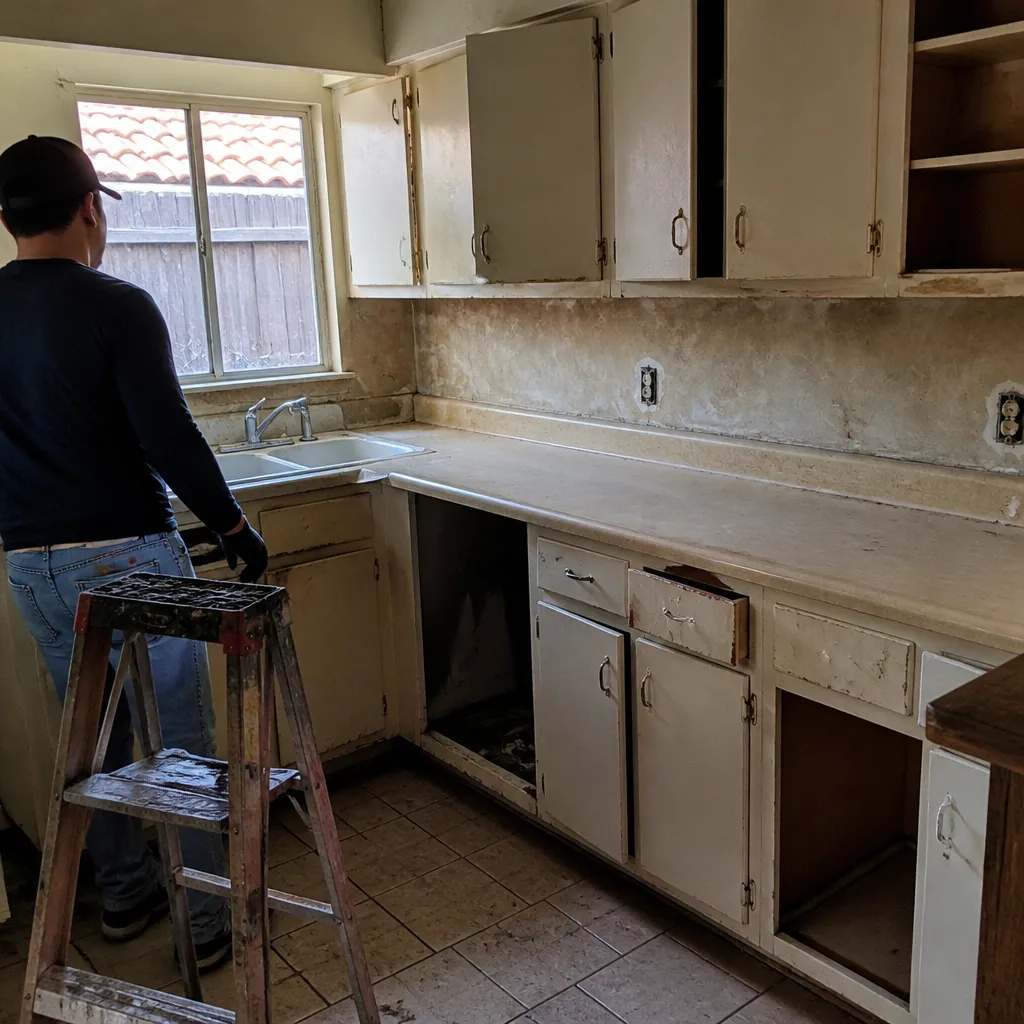 Before
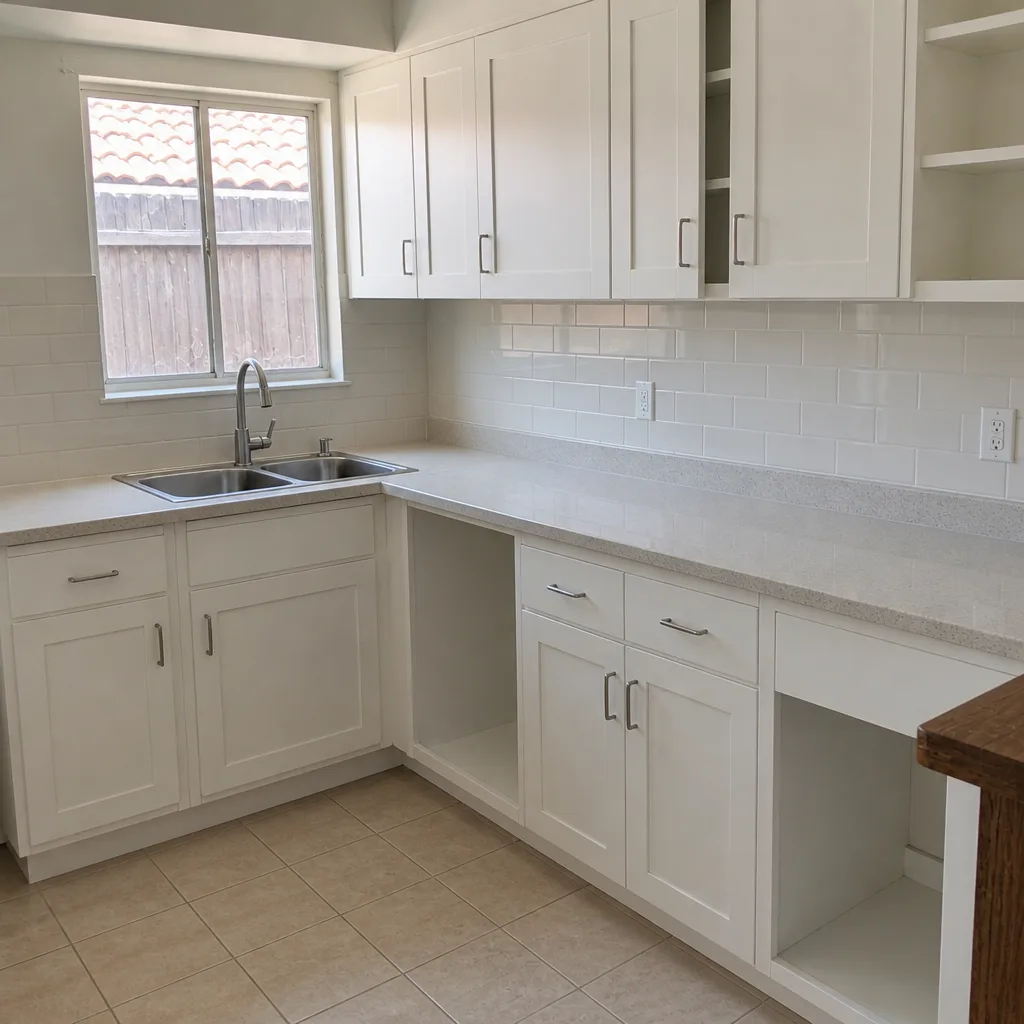 After
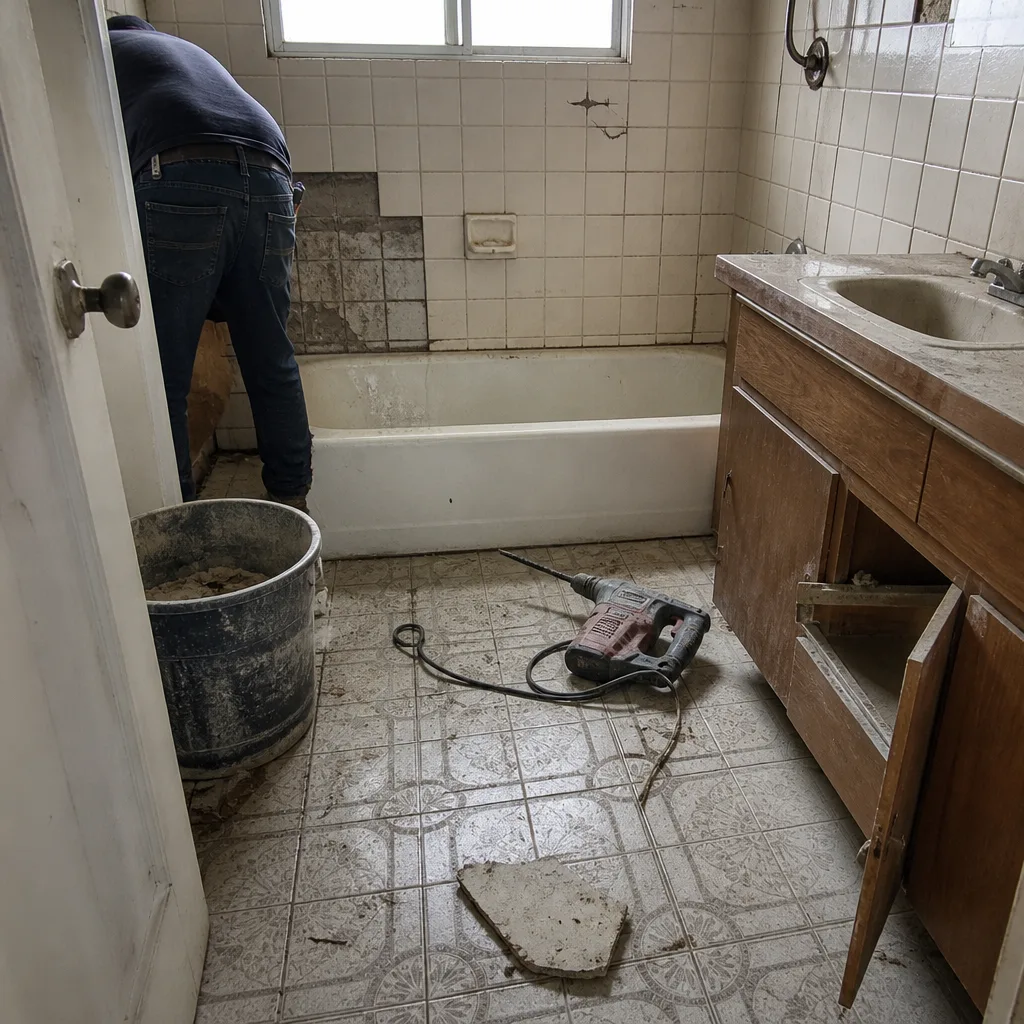 Before
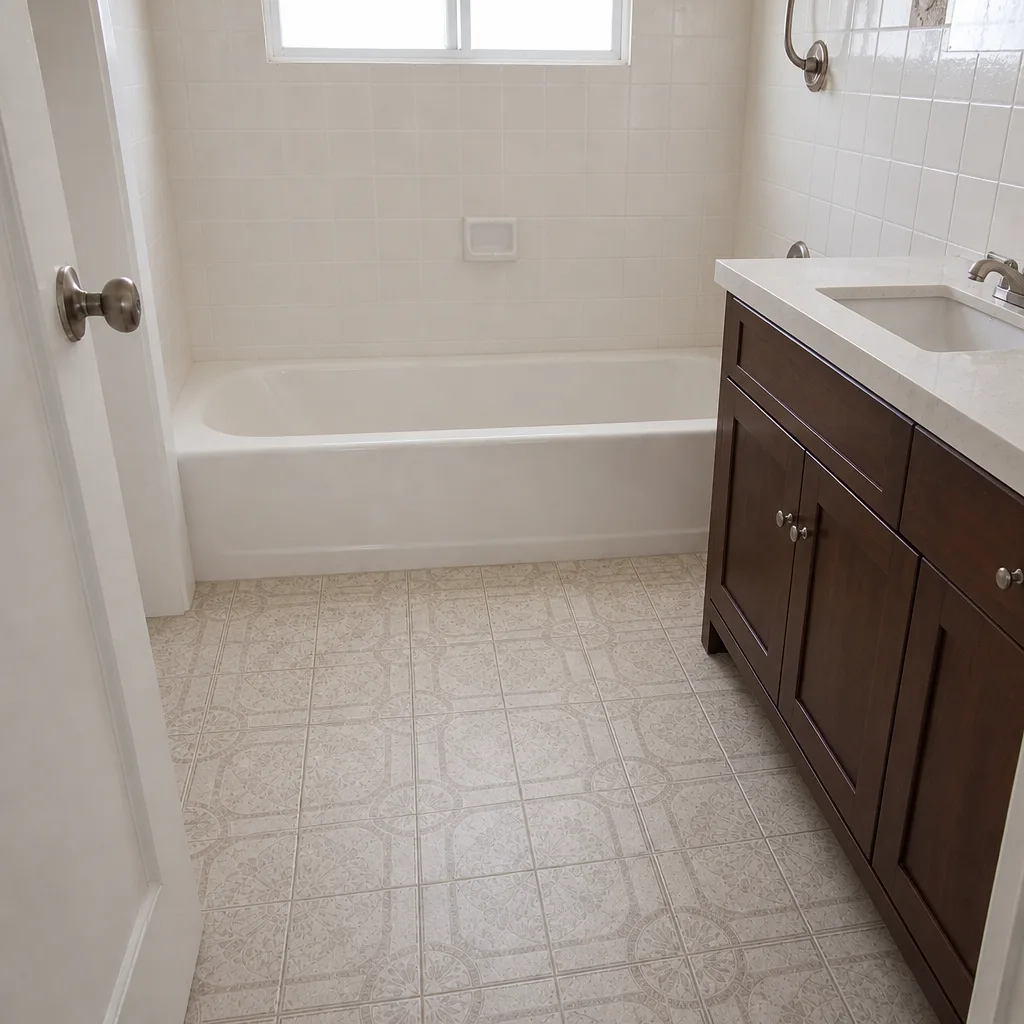 After
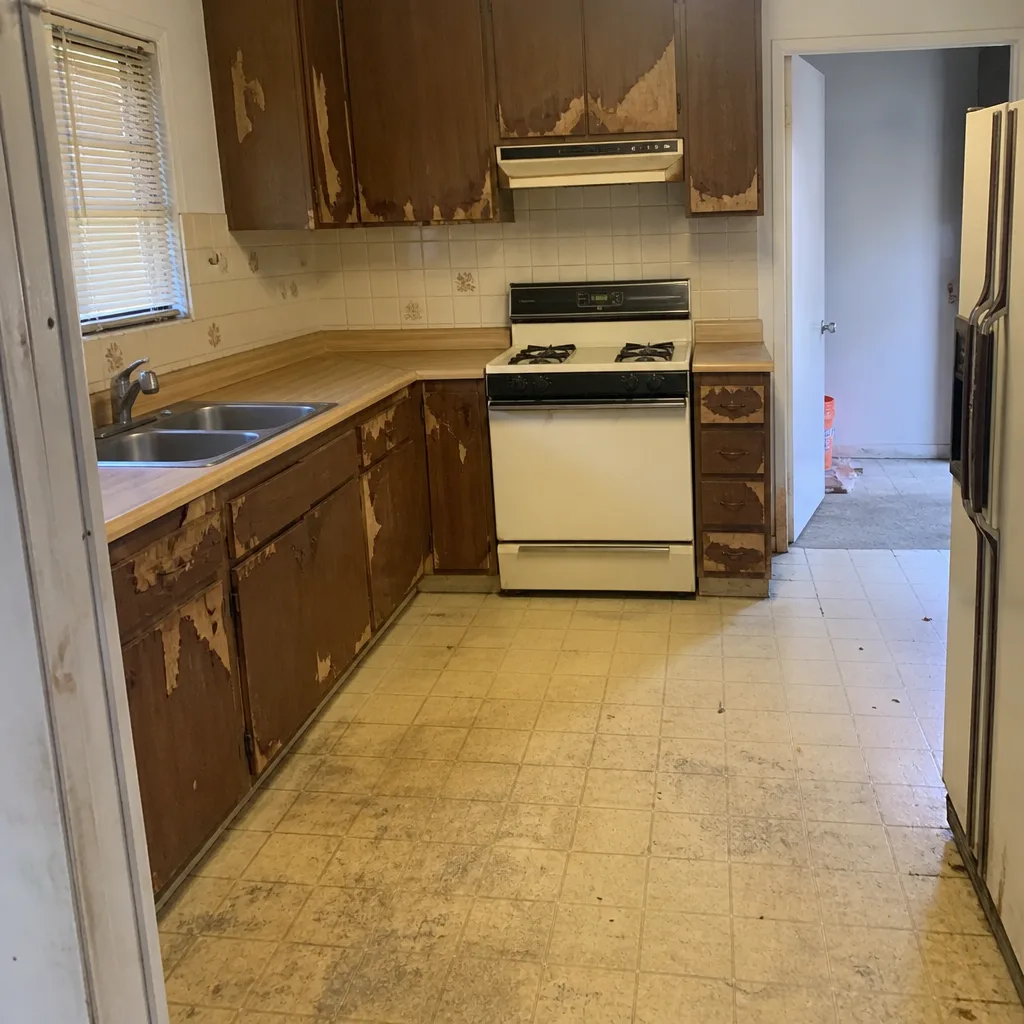 Before
 After
When to Call a Professional
Some signs are cosmetic and slow. Others are a warning that the damage is already behind the wall. Call a professional if you press a shower floor and it flexes, if the same grout crack keeps returning, if water seeps at the base of the toilet when you flush, or if the exhaust fan fails the tissue test even after a duct check. These involve the shower pan, substrate, waterproofing, or drain seals, and getting them wrong means a full tear-out later. Penhallow Remodeling Anaheim offers free estimates in Anaheim, a written price before any work starts, and a written 365-Day Done Right Promise on every job. Our technicians are background-checked, arrive in uniform, and a live person answers the phone 24/7 – call (844) 320-2908 to schedule your free estimate.
Frequently Asked Questions
Press the shower floor and tap the tiles with a coin – a hollow ring or any give under pressure means water has likely reached the substrate. Look for recurring mold in the same corner, efflorescence on the grout, or a ripple in the paint on the opposite side of the wall. Any of these points to a water problem behind the tile; get it inspected before it spreads. Call (844) 320-2908 for a free estimate and a straight answer.
The fan is probably not moving enough air, which means the mold is a ventilation problem, not a cleaning problem. Hold a tissue to the grille – if it won’t stay, the fan is undersized, the duct is crushed, or the fan is too old to pull its rated CFM. Fixing the airflow is often the whole solution. Call (844) 320-2908 to schedule a free ventilation assessment.
Not always, but in a bathroom that’s a few years old, white efflorescence on grout usually means water is moving through the tile and the waterproofing behind it is failing or was skipped. Clean it once; if it returns, treat it as a waterproofing signal. Call (844) 320-2908 to schedule your free estimate.
Wipe the base dry, wait an hour without flushing – water returning on its own is condensation, water seeping only on flush is a failed wax ring. The two repairs are unrelated and the costs differ sharply, so run the test before anything else. A failed wax ring is a quick fix; a sweating toilet usually traces back to poor exhaust airflow. Call (844) 320-2908 for an exact quote – estimates are free.
Yes – most Anaheim bathroom remodels that move plumbing, add or relocate a fixture, or replace an exhaust fan require a permit and inspection, so the work should be pulled under permit from the start. Skip it and it can surface later at resale. We pull permits and pass inspections as part of the job; call (844) 320-2908 to schedule your free estimate.
Often yes – once you’ve altered or patched the defect, most contractors can’t warranty the outcome. Photograph the issue in a wide and close shot, send a dated written notice describing what you see, and don’t touch the repair. Call (844) 320-2908 and we’ll walk through the next step; estimates are free.
The Bottom Line
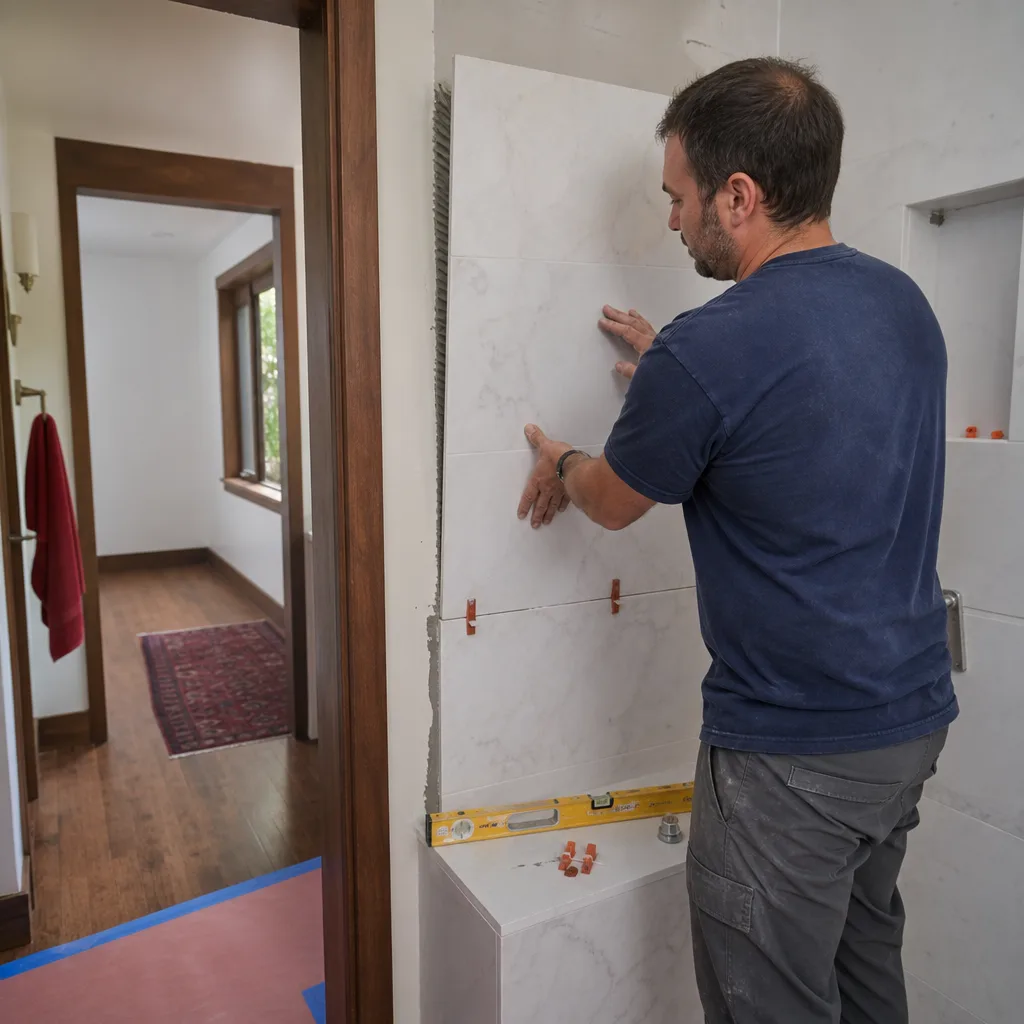
Bathroom problems after a remodel are predictable, not random. They hit four places: the shower pan, the tile substrate, the exhaust ventilation, and the fixture connections – and each one warns you before it fails. A monthly five-minute inspection that presses the floor, flexes the caulk, checks for efflorescence, and confirms your fan is actually moving air catches the small stuff before it becomes a tear-out. And when something does go wrong, document it before you touch it, so your warranty stays alive. Want a bathroom built to catch these problems from day one? Call (844) 320-2908 for your free estimate.
Planning a larger renovation alongside the bathroom? Our Kitchen Remodeling in Anaheim service and General Contractor in Anaheim team can coordinate the whole project under one written price and one written guarantee.
Written by the team at Penhallow Remodeling Anaheim.