Last updated November 18, 2026


Free written scope consultation - allowances, timeline, and change-order rules on paper before a single trade is scheduled
DIY vs Professional Bathroom Remodeling: What’s Safe to Do Yourself
Thousands of Anaheim homeowners have installed their own subway tile beautifully and legally. Thousands of others have done the same job, touched one drain, and created an unpermitted plumbing modification that surfaced on a home inspection report five years later. The difference wasn’t skill. It was scope. Bathroom remodeling splits along a line most DIY guides never draw: whether your project triggers a permit. A permitted job requires licensed trades for plumbing and electrical no matter how handy you are. A cosmetic refresh doesn’t. This guide draws that line precisely for Anaheim homeowners, using our experience across Orange County.
Quick Answer
You can safely DIY a cosmetic bathroom refresh in Anaheim: paint, tile over sound existing surfaces, swap fixtures on existing supply lines, and install accessories, with no permit. Anything that moves plumbing, electrical, or walls needs a permit and licensed trades. In a permitted remodel, you can still handle demolition labor, painting, and accessory installation, and negotiating those into your contract cuts real cost. The gray zone is shower waterproofing: possible to do yourself, but warranty-critical, which is why we usually steer it to a tile professional.
Styles & brands we work with
- Kitchen remodeling
- Bathroom remodeling
- Home additions & ADU
- Roofing
- Windows & doors
- Driveway & pavers
- Fence
Table of Contents
- The Permit Line: What’s Cosmetic vs. What Crosses Into Licensed Work
- What You Can Legally DIY in Anaheim Without a Permit
- What You Can Realistically DIY Alongside a Licensed Contractor
- The Waterproofing Decision: Gray Zone or Warranty Risk?
- California’s Disclosure Rules at Resale
- The Honest Cost Comparison: Savings vs. Risk
- Common Mistakes to Avoid
- When to Call a Professional
The Permit Line: What’s Cosmetic vs. What Crosses Into Licensed Work
Anaheim enforces California’s building code through its own permit system, and a bathroom permit gets triggered by the category of work, not the price tag. Painting a bathroom is not a permit event. Moving a shower drain two inches left is. This is where DIY advice from national websites quietly fails Anaheim readers, because permit thresholds vary from city to city and the answer to “do I need a permit?” depends entirely on where you live.
Here’s the working rule we use with homeowners before a single tool comes out:
- Cosmetic work (no permit, DIY-legal): painting, wallpaper, swapping a vanity top that sits on existing plumbing, replacing a toilet with the same rough-in, changing out a faucet on existing supply lines, new mirror, new towel bars, and tile over existing tile when the substrate is sound.
- Permit-required work (licensed trades): moving or adding supply lines or drains, re-piping, adding or relocating electrical outlets, moving a switch, adding a fan or light in a new location, moving a wall or door, changing the tub to a walk-in shower, and any change to the shower pan or waterproofing that involves opening the floor.
- Always licensed: gas work if you have a gas appliance in the bathroom, and any electrical panel work. These carry genuine safety exposure and we never advise touching them yourself.
If you’re working with a general contractor in Anaheim, that contractor pulls the permits and manages inspections. Say the price before the work, show up in the arrival window we gave, and leave the site cleaner than we found it – that’s the Kingswell Way, and it includes a permit pulled and passed before the job closes out.
What You Can Legally DIY in Anaheim Without a Permit
A cosmetic bathroom refresh is genuinely safe for a capable homeowner to handle, and Anaheim’s climate is forgiving for this kind of work. We’re in a dry, warm zone with low indoor humidity swings compared to coastal cities, which means paint cures evenly and grout lines aren’t fighting the moisture load a fog belt would create. Here’s what we’d feel comfortable telling a homeowner they can do on their own.
- Painting and drywall patching. Anaheim bathrooms have zero exterior moisture issues on interior walls; the ventilation is what matters, so make sure your exhaust fan is sized and working before you paint over old mildew stains.
- Replacing a toilet with the same rough-in. A standard 12-inch rough-in swap is a straightforward task – new wax ring, proper shim, and the shutoff valve turned off at the wall.
- Swapping faucets, shower heads, and accessories. Existing supply lines and existing valve positions make this swap a screwdriver-and-wrench job. Upgrade to a Delta or Toto fixture and you get years of service out of it.
- Tile over existing sound tile or a sound cement board surface. Do not tear out the substrate; tile on top with a proper bonding agent and the existing waterproofing carries forward.
- Vanity top replacement on an existing cabinet. New quartz or stone top on existing plumbing is a legal DIY.
Each of these tasks pulls fewer than a day of labor and doesn’t touch the systems that fail home inspections. If you’re considering a bathroom remodeling in Anaheim project that goes beyond the cosmetic list, that’s the point where a permit becomes part of the conversation – and where a licensed professional needs to be on the job.
What You Can Realistically DIY Alongside a Licensed Contractor
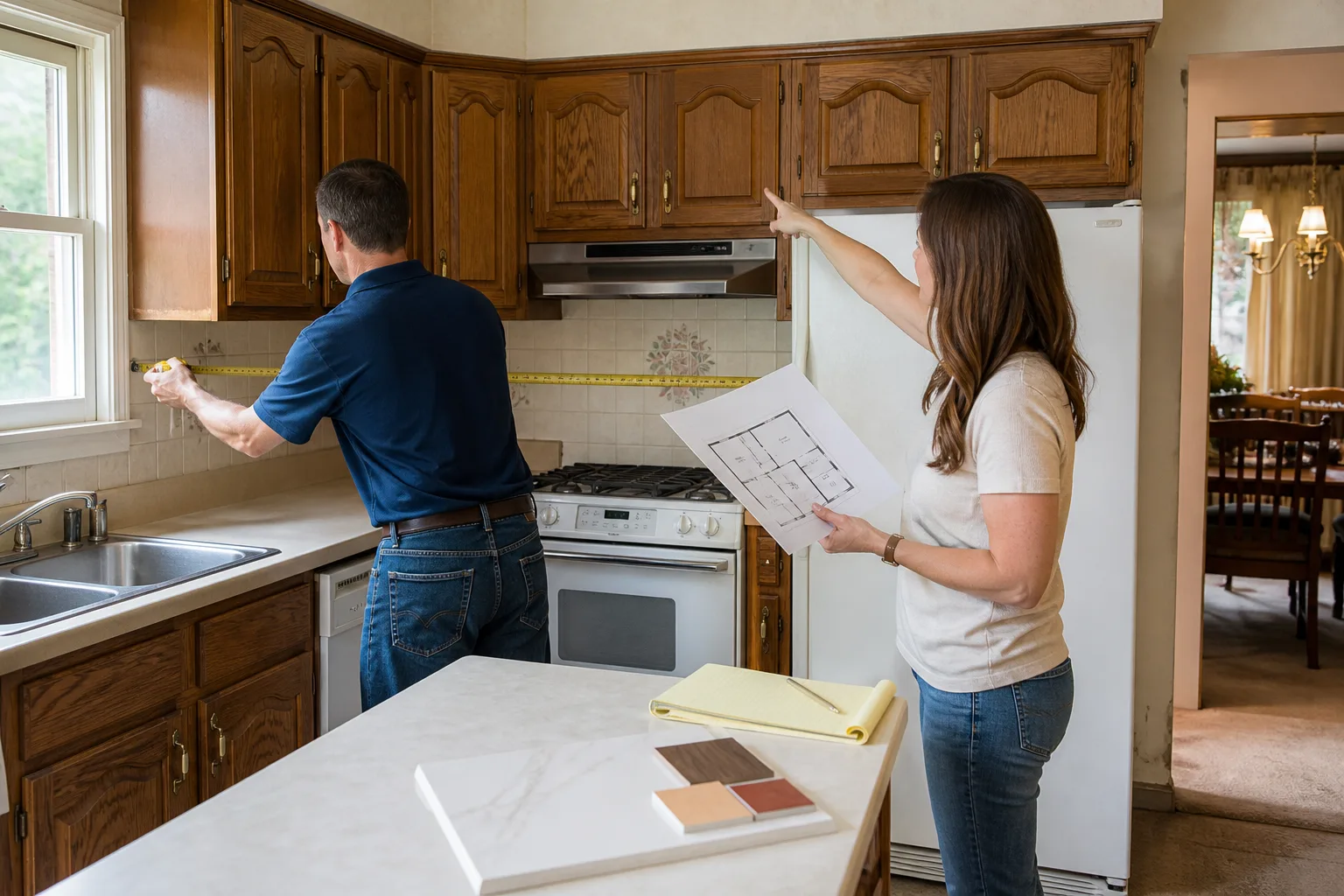
There’s a middle path most homeowners don’t know exists: hiring a licensed contractor for the permit-triggering work, and negotiating certain line items out of the contract so you handle them yourself. This is legitimate, common, and it saves real money when it’s negotiated up front. In our experience the work that’s safest to claim in a permitted Anaheim bathroom remodel is demolition labor, painting, and accessory installation.
The trade-off is coordination. When you carry part of the labor, the schedule becomes a shared responsibility, and a missed demo day can push the tile crew back a week. We spell out who does what in the written agreement so there’s no confusion at the boundary. That’s part of why every Penhallow project starts with a written price before any work begins – the number on day one is the number on the invoice, and the labor split is documented in the same document.
Here’s how the negotiation typically works:
- Ask for a line-item quote showing labor for demo, framing, plumbing rough-in, tile, electrical, and finish work separately. Most contractors who won’t itemize will refuse to let you take pieces out, so the quote structure tells you whether the conversation is viable.
- Claim demolition. Removing old tile, vanity, and toilet is real labor hours, is low-skill, and is where the biggest labor savings sit. Take the drop-off, dumpster rental, and site cleanup off your plate, and leave it to the pros if heavy debris hauling isn’t your thing.
- Claim painting. Once the plumbing and tile work is done, painting is a clean handoff. Make sure the contractor has finished and the inspection has passed before you pick up a roller.
- Claim accessory installation. Towel bars, mirrors, shelving, and hardware are simple finish items that won’t affect inspection sign-off.
The math is real: a homeowner who takes demo and paint labor can shave several hundred to a couple of thousand dollars off a midsize Anaheim bathroom remodel, depending on the scope. The line not to cross is plumbing, electrical, and the shower pan – those stay with licensed trades.
The Waterproofing Decision: Gray Zone or Warranty Risk?
Shower waterproofing sits in the grayest zone of the entire DIY conversation. It’s not a permit event in most Anaheim cases, so a homeowner is technically allowed to do it. But it’s also the single most warranty-critical piece of a bathroom, and the failure mode is brutal: when a shower pan or wall membrane is installed without proper tile-setter oversight, water migrates quietly behind the tile for months and rots the framing and subfloor before any visible leak appears. By the time the homeowner notices a soft spot along the baseboard, the repair is a gut job.
The trade word here is “membrane,” and it covers a few systems: liquid-applied roll-on membranes, sheet membranes, and cement board substrate (the moisture-resistant layer behind your tile) combined with a vapor barrier. Each system has its own install rules, seam overlaps, thickness requirements, and cure times. Getting the details right requires knowledge of the specific product, not just the general idea of “make it waterproof.”
Our position is straightforward: if the shower is going behind a tile wall and tile pan, we hand waterproofing to a tile setter who does it every day and can stand behind it. When we install a system with a manufacturer warranty, that warranty depends on installers trained to that manufacturer’s spec. Do-it-yourself waterproofing voids most manufacturer warranties on membrane and tile products, and it sits outside any contractor guarantee at the same time. The savings on a $600-$1,200 waterproofing line item is small compared to a $6,000-$15,000 repair when it fails. If you want to save money on the shower, save it on tile selection or fixture tier, not the layer you can’t see once the job is finished.
If you’re pricing out a shower rebuild, it’s worth asking a bathroom remodeling contractor in Anaheim what waterproofing system the quote specifies, and whether it carries a manufacturer warranty in writing. That’s a fair question and any contractor should be able to answer it, brand name and warranty term included.
California’s Disclosure Rules at Resale for Unpermitted Bathroom Work
This is where unpermitted DIY work becomes expensive, and it’s the part almost no DIY guide covers. California requires sellers to disclose known material facts about the property, and unpermitted work counts. The standard Transfer Disclosure Statement (TDS) requires a yes/no on “unpermitted improvements,” and Anaheim-area real estate agents we work with tell us that a bathroom flagged as unpermitted during the buyer’s inspection is one of the most common reasons a sale gets renegotiated or stalls.
Here’s what buyers’ inspectors look for:
- Permit history pulled from the city. Buyers’ agents check Anaheim’s permit records before making an offer on any home with a recent bathroom remodel.
- Mismatched plumbing and electrical fixture installation. New shower valve with old supply lines, or a new fan with improper venting, are red flags.
- Shower pan installations without a visible membrane or liner edge. Inspectors will flag a shower that appears to have been rebuilt without visible waterproofing detail.
- Electrical outlets too close to the tub without GFCI protection, which is a code requirement and one of the easiest red flags to spot.
- Floor transitions at door thresholds where tile was added over a subfloor without the correct substrate, which shows up as lippage and cracked grout.
The sale impact is real. In our experience, a flagged unpermitted bathroom can cost 2%-5% of the sale price in negotiation room, or force the seller to permit the work retroactively at their expense. A $900 permit pulled on the front end is cheap by comparison. If you’ve already got unpermitted work and you’re planning to sell, the fix is a retrofit permit – which requires opening walls so the inspector can see the work, which means a licensed plumber or electrician needs to be on the job.
The Honest Cost Comparison: Savings vs. Risk
The reasonable question is what a homeowner actually saves by doing specific tasks, and what those savings cost if the task fails and damages adjacent licensed work. Here are the real Anaheim-area ranges we see, with the risk-adjusted number alongside:
- Demo labor: $400-$1,200 saved by doing it yourself. Risk if done poorly: damage to adjacent framing, plumbing, or flooring, adding $300-$2,000 to the licensed scope. Net savings most of the time.
- Painting: $300-$800 saved. Risk if done poorly: cosmetic only. Repaint with a professional. Safe DIY.
- Accessory install: $100-$300 saved. Risk if done poorly: patched drywall. Safe DIY.
- Faucet and shower head swap on existing supply lines: $75-$250 saved. Risk if done poorly: minor leak, generally caught before damage. Acceptable DIY with a shutoff nearby.
- Waterproofing a shower: $600-$1,200 saved. Risk if done poorly: $6,000-$15,000 in water damage repair plus membrane warranty void. Savings do not justify the risk.
- Plumbing rough-in modification: $500-$1,800 saved. Risk if done poorly: code violation, permit refusal, $3,000-$10,000 in water damage and re-inspection cost. Never a DIY.
- Electrical outlet relocation: $300-$900 saved. Risk if done poorly: fire hazard, immediate inspection failure, insurance claim denial. Never a DIY.
The pattern is clear: the tasks with the biggest perceived savings (waterproofing, plumbing) are exactly the ones with the largest risk-adjusted cost when they fail. The tasks with modest savings (paint, demo, accessories) are also the safest. A wise homeowner picks from the second column.
What Drives the Number in Anaheim
Bathroom remodel pricing in Anaheim ranges roughly $9,000-$28,000 for a full rebuild depending on size, fixture tier, and how much tile work is specified. A standard 5×8 hall bath typically runs toward the low end; a primary suite with a walk-in shower and separate tub lands in the upper range. Cabinetry line drives cost fast (KraftMaid and Wellborn are our standard cabinetry brands), and a Cambria or Caesarstone quartz top priced with the shower tile and fixture packages together is where most of the total lives. Fixture brands like Delta, American Standard, and Toto sit at different tiers, and stepping from one to the next can swing the total by $1,500 or more.
The takeaway for a homeowner weighing a kitchen remodeling in Anaheim alongside a bathroom is the same: the labor hours tied to licensed trades and waterproofing are non-negotiable, so DIY savings come from the cosmetic end. A written price on day one gives you a benchmark for where the savings actually are.
Common Mistakes to Avoid
- Assuming “cosmetic” means “no permit needed.” Moving a shower drain two inches is cosmetic to a homeowner and plumbing-scope to an inspector. If the work touches supply, drain, or electrical, treat it as permit-required until an inspector or GC says otherwise.
- Waterproofing a shower yourself to save $800. It’s the single most warranty-critical step of a bathroom, and the failure typically shows up 8-18 months later as a soft subfloor, long after you’ve forgotten the money you saved.
- Starting demo before a quoted price is in hand. Anaheim contractors who work without written quotes are the ones whose numbers change after demo day. Get the price before the first tile comes down.
- Selling a home with unpermitted bathroom work without a plan. California’s disclosure rules will surface it during inspection, and buyers’ agents price the negotiation accordingly.
- Skipping the exhaust fan upgrade. Anaheim’s warm, dry climate masks moisture issues until they don’t. A correctly sized exhaust fan is required in a bathroom and dramatically reduces long-term moisture damage.
- Using a shower valve or drain from a brand the installer can’t source replacement parts for. Stick with Delta, Toto, American Standard, and other trade-standard brands so parts are available years from now.
- Taking on electrical outlet work in a bathroom “because it looks simple.” Bathroom electrical has specific GFCI requirements and placement rules near water sources, and it’s a fire-safety item. Leave it to a licensed electrician.
See the difference
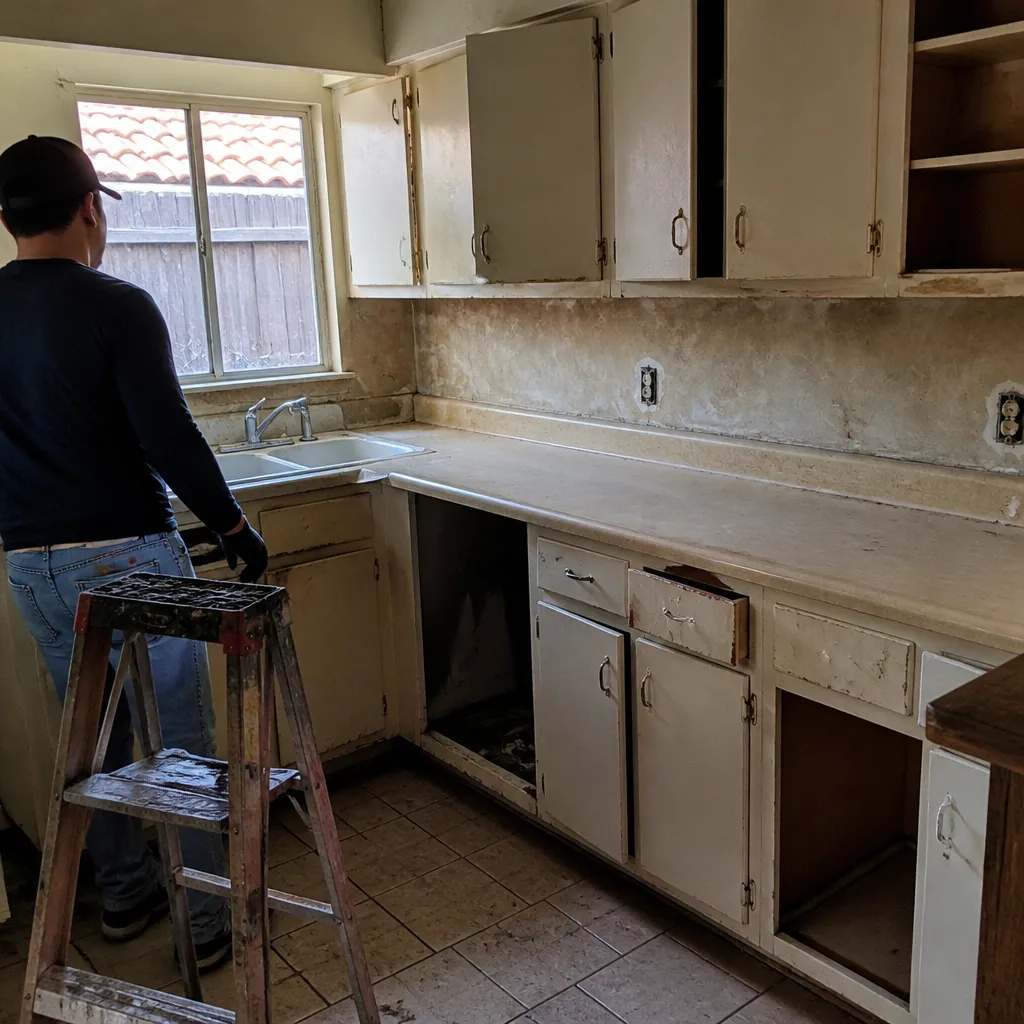 Before
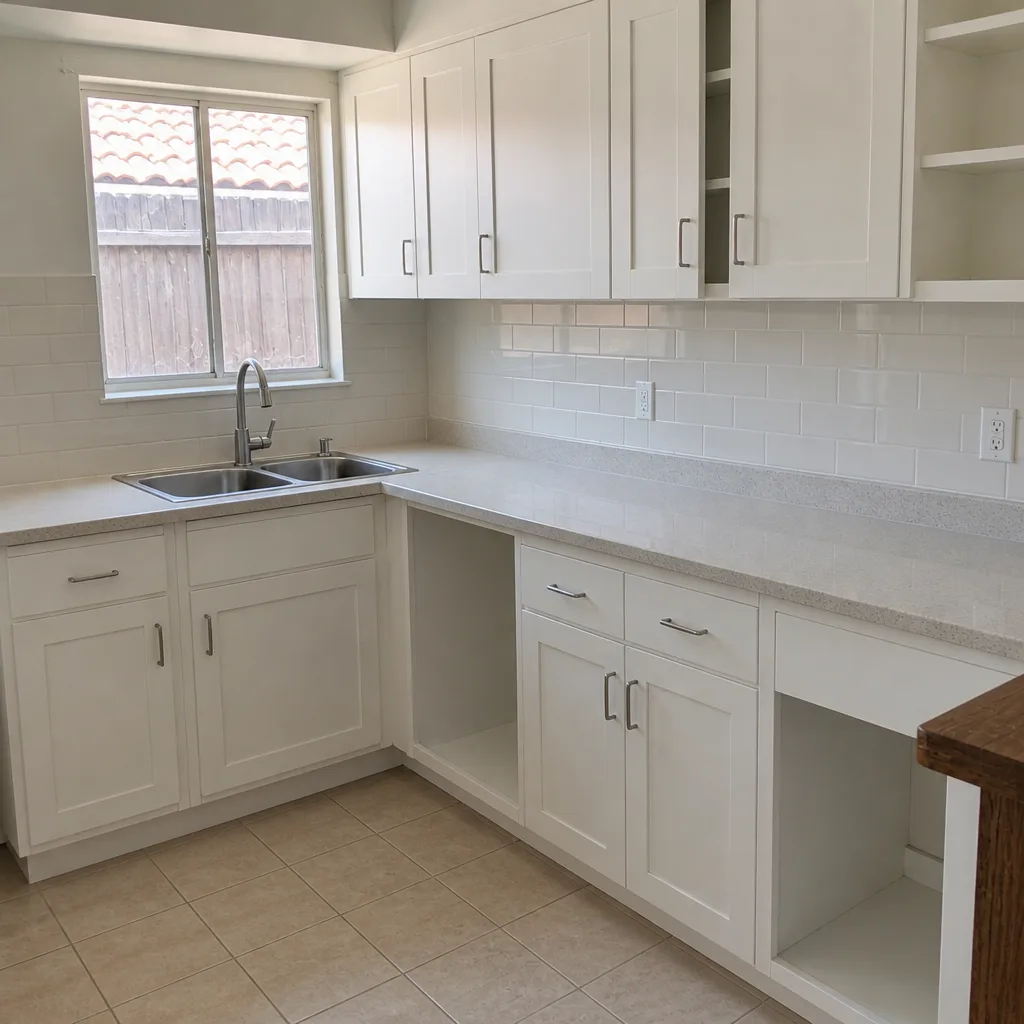 After
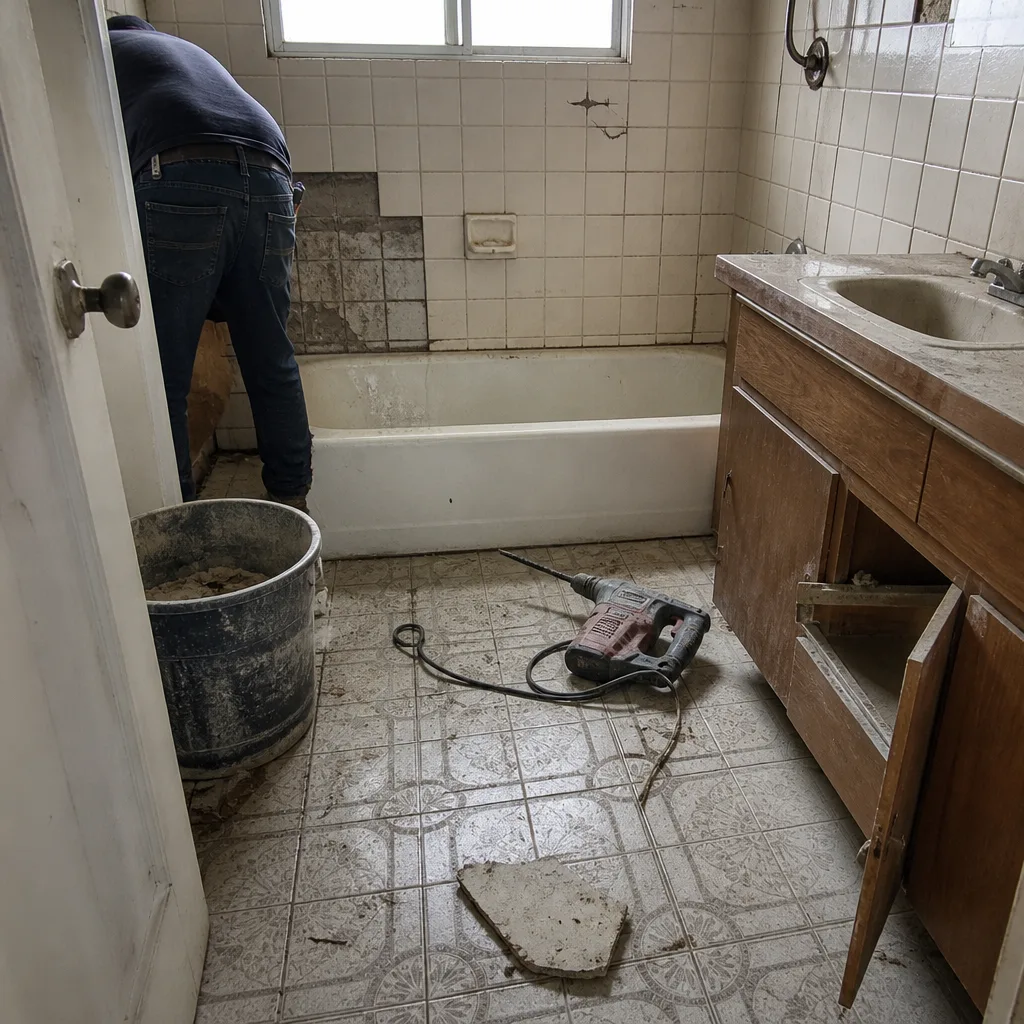 Before
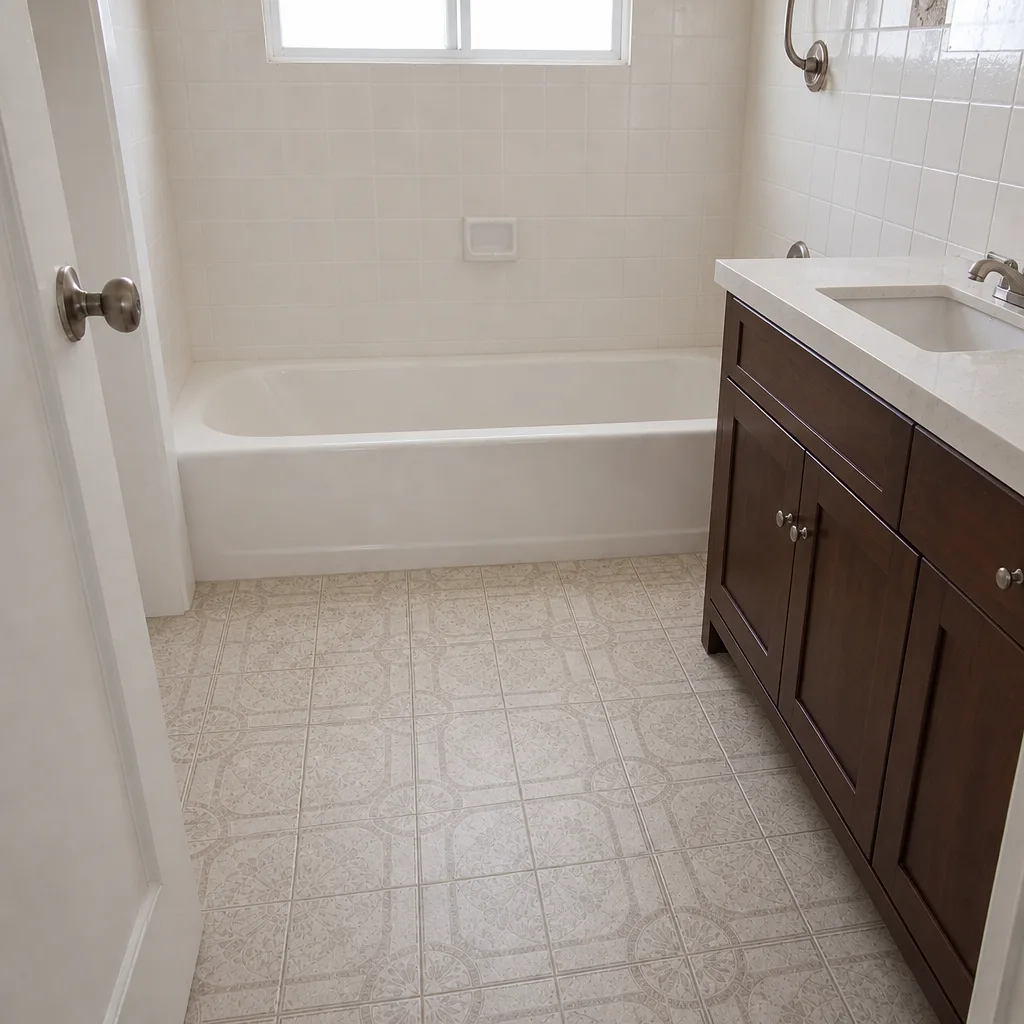 After
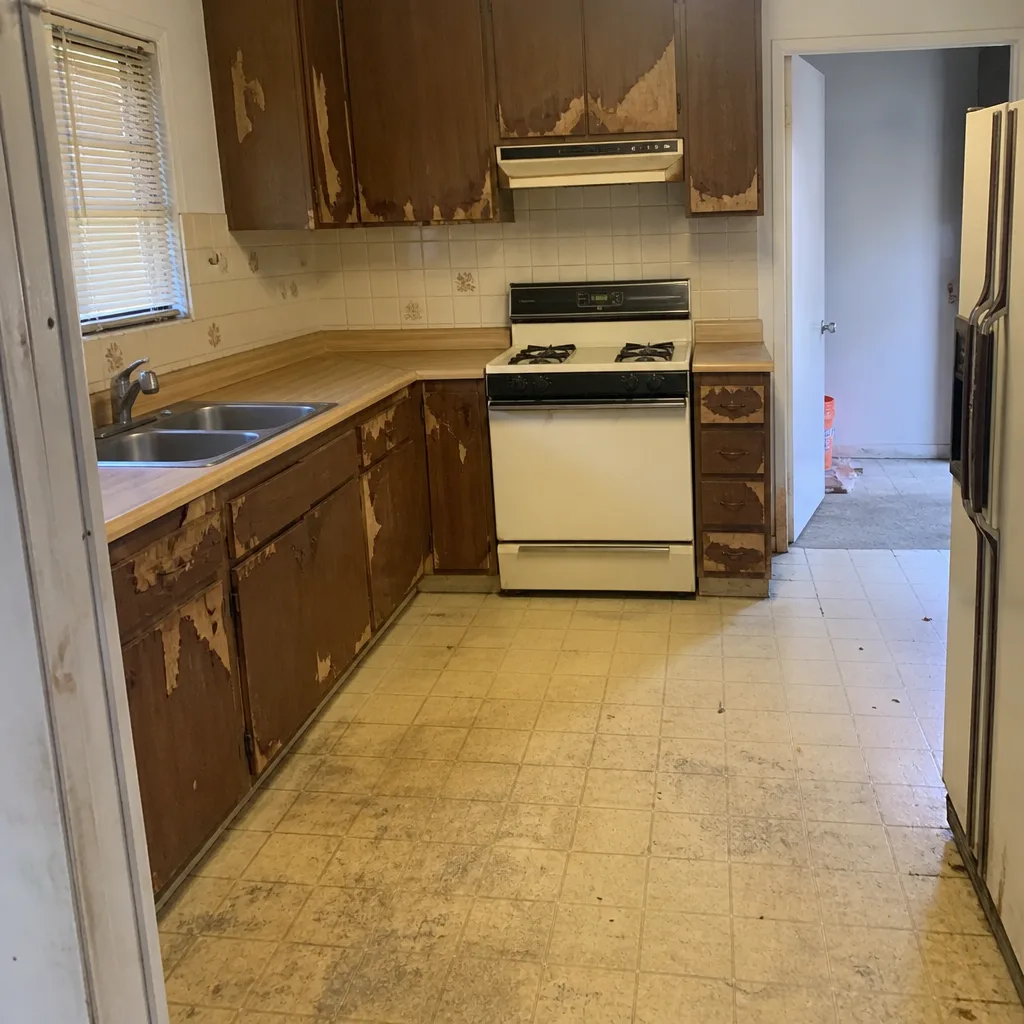 Before
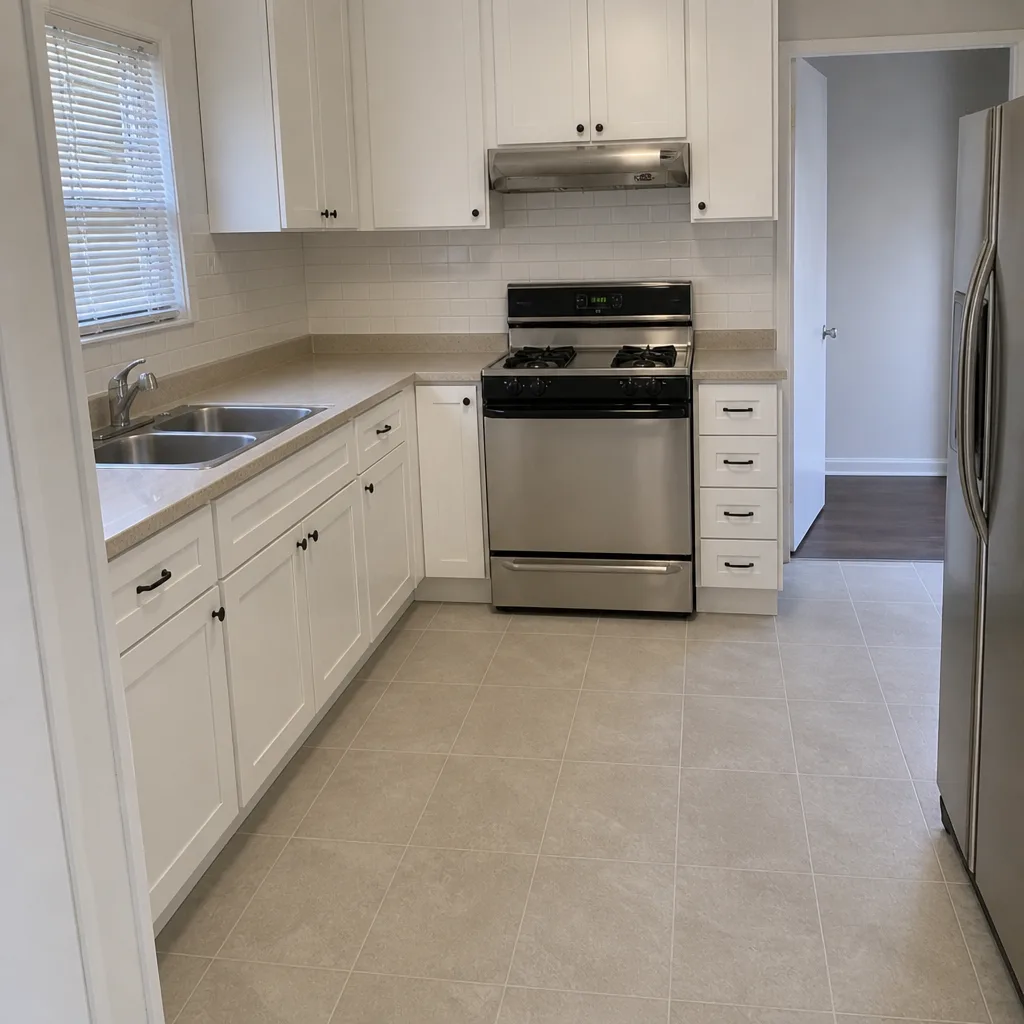 After
When to Call a Professional
Call a licensed professional the moment your plan includes moving a shower or tub drain, adding an outlet or switch, opening a wall, retrofitting a shower pan, or taking the bathroom back to studs. Every one of those triggers a permit that requires licensed plumbing or electrical work, and DIY execution at that point risks a failed inspection, an insurance denial, and a resale negotiation. If you’re honestly unsure where your project falls, that’s the right moment to have someone look at it. Penhallow Remodeling Anaheim offers free estimates in Anaheim – call (844) 320-2908 to schedule, and we’ll walk through the scope, tell you which pieces you can responsibly keep, and give you a written price before any work starts. Our technicians have up to 22 years of experience and arrive uniformed and background-checked. If a repair inside the guarantee period fails, we come back and fix it at no charge under our 365-Day Done Right Promise, and there’s no service call fee on that return visit.
Frequently Asked Questions
Yes, if the work moves plumbing, electrical, or walls. A cosmetic refresh (paint, tile over sound substrate, fixture swaps on existing lines) doesn’t need a permit. Moving a drain, adding an outlet, relocating a switch, opening a wall, or changing a tub to a walk-in shower requires a permit and licensed trades. When in doubt, call us at (844) 320-2908 and we’ll tell you which category your project falls into – estimates are free.
Yes, demolition labor is one of the safest DIY tasks in a bathroom project and can save $400-$1,200 depending on scope. The risk is damaging adjacent framing or plumbing during the demo, which can add $300-$2,000 to the licensed work. If you’re comfortable with a pry bar and heavy debris hauling, take the demo; if not, leave it. Call (844) 320-2908 for a free quote that itemizes demo labor separately so you can decide.
No. Waterproofing is the single most warranty-critical piece of a bathroom, and the failure mode is hidden water damage that typically surfaces 8-18 months later as a $6,000-$15,000 repair. Doing it yourself also voids most manufacturer warranties on the membrane and tile. Spend your savings on tile selection or fixture tier instead, and leave waterproofing to a tile professional. Call (844) 320-2908 to talk through your shower rebuild and get a written price on the waterproofing line specifically.
You must disclose it on California’s Transfer Disclosure Statement, and buyers’ inspectors will pull Anaheim permit history and flag the issue. The result is typically a 2%-5% renegotiation of the sale price or a requirement that you permit the work retroactively at your cost. A permit pulled on the front end is far cheaper than a resale concession. If you’re planning to sell, call (844) 320-2908 and we’ll walk through what a retrofit permit would involve.
Yes, in many cases. Demo labor, painting, and accessory installation are commonly negotiated out of a contract so the homeowner handles them, cutting real cost off a midsize Anaheim bathroom remodel. The plumbing, electrical, waterproofing, and tile-setting stay with the licensed trades. The labor split goes in the written agreement so there’s no confusion at the boundary. Call (844) 320-2908 to get a line-itemized quote you can work from – estimates are free.
The licensed general contractor pulls the permits on your behalf, manages the inspections, and closes out the permit at the end of the job. At Penhallow Remodeling Anaheim, every project is priced with the permit included in the written agreement, so there’s no surprise invoice at inspection time. A live person answers the phone 24/7 – call (844) 320-2908 for a free estimate.
The Bottom Line
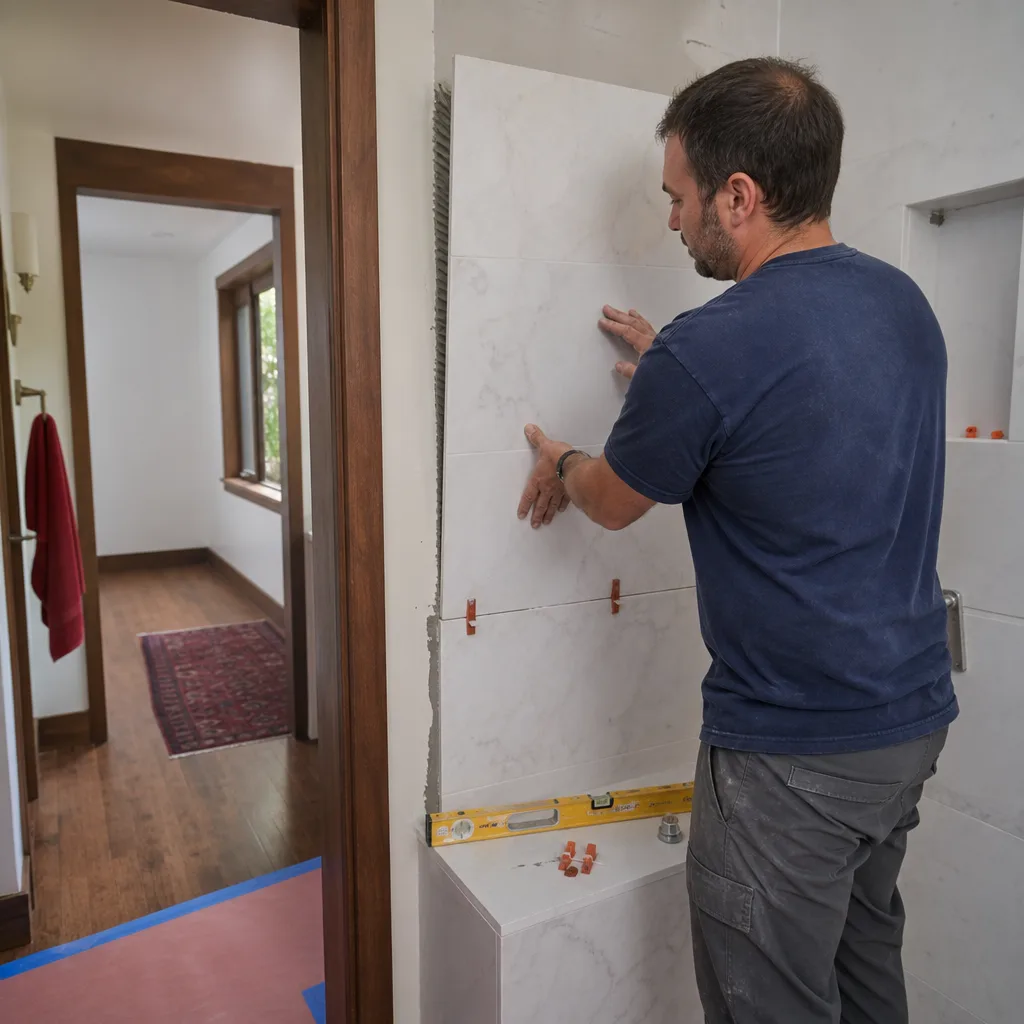
The safe DIY list in bathroom remodeling is short and clear: paint, tile over sound substrate, swap fixtures on existing lines, install accessories, and handle demolition labor if you want to reduce cost. Everything that moves plumbing, electrical, or walls needs a permit and licensed trades in Anaheim, and shower waterproofing is a gray zone that isn’t worth the risk-adjusted savings. The bigger cost of getting this wrong doesn’t show up at install – it shows up at resale, when California’s disclosure rules force the issue on a buyer’s inspection. A written price before work starts tells you exactly what’s in the plan and what you can responsibly keep. Call (844) 320-2908 to schedule your free estimate with Penhallow Remodeling Anaheim – real answers, a real arrival window, and a real guarantee in writing before any tool comes out.
Written by the team at Penhallow Remodeling Anaheim.