Last updated November 18, 2026







Free written scope consultation - allowances, timeline, and change-order rules on paper before a single trade is scheduled
Seasonal Construction Care for Anaheim: Year-Round Homeowner’s Guide
Most “winterize your home” advice was written for places where winter means freezing pipes and snow load. Anaheim doesn’t work that way. The single most damaging weather event an Anaheim home faces each year is the Santa Ana wind season, which runs roughly October through December and can push 60 mph dry gusts through the Orange County flats for days at a stretch. Those winds don’t freeze your pipes. They pry at roof edges, work loose caulk joints, and drive grit into every gap on your exterior. This guide walks you through Anaheim’s real construction-care calendar: four maintenance windows built around wind, marine layer, peak UV and winter rain, and how to keep the schedule without tracking it yourself.
Quick Answer
Anaheim homes need care on four distinct timelines rather than the traditional four seasons: a September pre-wind inspection before Santa Ana season, paint and seal work timed around the May-through-June marine layer, heat-driven maintenance for driveways and decks in the June-to-September window, and rain and soil preparation before the December-to-March wet months. Homes that follow these windows do preventive repairs on a schedule; homes that don’t end up doing reactive repairs at the worst possible time. A written seasonal maintenance agreement is the simplest way to keep every window covered.
Styles & brands we work with
- Kitchen remodeling
- Bathroom remodeling
- Home additions & ADU
- Roofing
- Windows & doors
- Driveway & pavers
- Fence
Table of Contents
- Window 1: The September Pre-Santa Ana Inspection
- Window 2: Marine Layer, June Gloom and Exterior Paint
- Window 3: Summer Heat, Driveways and Decking
- Window 4: Winter Rain and Anaheim’s Clay Soil
- Building a Seasonal Contractor Visit Into a Written Agreement
- Common Mistakes to Avoid
- When to Call a Professional
- Frequently Asked Questions
Window 1: The September Pre-Santa Ana Inspection
September is the quiet month in Anaheim, and that’s exactly why it’s the right time to get on the roof and around the exterior. The Santa Ana winds arrive in October, and the damage they cause starts with small failures: a lifted shingle edge, a cracked bead of caulk along a fascia board, a piece of trim that’s been loosening since spring. Under 50 to 60 mph gusts, those small failures become the entry point for water the first time it rains.
Run this inspection checklist every September:
- Walk the roofline from the ground with binoculars. Look for lifted, curling or missing shingles, especially along the ridge and the windward edges. GAF and CertainTeed shingles both carry manufacturer warranties, but those warranties depend on proper installation and upkeep.
- Check every eave and fascia joint. Press on the caulk with a putty knife. If it’s brittle or pulls away, it needs replacement before wind season.
- Inspect the flashing around chimneys, vents and skylights. This is where most wind-driven leaks begin.
- Test the gutters. Anaheim roofs rarely see heavy rain, so debris builds up unnoticed. A clogged gutter during the first winter storm sends water behind the fascia board.
- Look at the trees. A eucalyptus or ficus branch that overhangs the roof is a projectile in a Santa Ana wind event. Trim it in September.
We’ve seen Anaheim homes where a single missing ridge shingle led to a $3,000 soffit and fascia repair after one wind event. A September inspection catches that shingle for the price of a service visit. If you’re planning a larger exterior project, our General Contractor in Anaheim page covers how Penhallow Remodeling structures full exterior work with the written price and guarantee before any demo begins.
Window 2: Marine Layer, June Gloom and Exterior Paint
May and June bring the marine layer to Anaheim: cool, damp morning air that burns off by mid-afternoon. This matters for exterior paint because paint adhesion depends on the moisture content of the wood or stucco under it. Painting during June Gloom, especially on a south-facing wall that stays damp into midday, traps moisture under the film. The paint looks fine for a season, then blisters or peels from underneath.
The right window for exterior paint touch-up and sealing in Anaheim is late April and early May, before the marine layer settles in, or late September and early October, once the air dries out ahead of the Santa Ana winds. If you have to paint during the damp months, work only between late morning and mid-afternoon when the surface is fully dry.
A few Anaheim-specific paint and seal notes:
- Stucco is the dominant exterior finish in Anaheim and it needs a breathable acrylic paint. Elastomeric coatings seal cracks but can trap moisture if the wall already has issues.
- Caulk the joints between stucco and wood trim with a paintable exterior sealant rated for movement. Rigid caulk cracks at the first thermal cycle.
- Fascia boards and window frames are the first places paint fails, because they face the sun and the wind. Check them every spring.
- Wood decks need resealing every 18 to 24 months in Anaheim’s UV load. If water beads on the surface after a splash, the sealer is still working. If it soaks in, you’re already late.
If the fail point is more than paint, our Bathroom Remodeling in Anaheim and Kitchen Remodeling in Anaheim pages explain how we handle interior moisture issues during a remodel, with a written price and 365-Day Done Right Promise on every project. Penhallow Remodeling installs materials from recognized trade brands including James Hardie siding, KraftMaid and Wellborn cabinetry, Cambria, Silestone and Caesarstone countertops, and Grohe and Moen fixtures, so the materials behind the guarantee hold up to Anaheim’s climate.
Window 3: Summer Heat, Driveways and Decking
Anaheim’s summer heat runs roughly June through September, with highs in the high 80s to mid 90s inland and cooler near the coast. That heat is hard on asphalt and wood, and it’s the reason some sealing jobs work and some don’t. Asphalt driveway sealer needs overnight temperatures above 55°F and daytime surface temps below about 90°F to cure properly. In Anaheim, that puts the window in late April through May, or in October, not in the middle of July.
What to watch for in the summer window:
- Asphalt driveways: look for hairline cracks that open in the heat. If you’re seeing rutting or alligator cracking, sealing is no longer the answer; patching or replacement is.
- Wood decks: boards cup and check in high UV. Reseal by early June or wait until September; don’t seal a deck when the surface temperature is above 95°F or the sealer will flash off and leave lap marks.
- Expansion joints in concrete flatwork: the joints in Anaheim patios and walkways absorb a lot of thermal movement. If the joint filler is missing or cracked, water gets under the slab and starts what becomes a much bigger repair. Replace joint filler in the dry season.
- Concrete driveways: watch for spalling, the flaking of the top surface. Spalling accelerates once it starts, because water gets into the exposed aggregate and freezes overnight in the rare cold snap.
Sealing after the crack has already opened is a reactive fix. Sealing before it opens is preventive. The difference is usually a couple hundred dollars and the life of the surface. Owens Corning shingles and James Hardie siding are rated for UV and thermal cycling, but even those materials need the joints and edges maintained on a schedule.
Window 4: Winter Rain and Anaheim’s Clay Soil
Before the rain arrives in December, you need to understand the ground under your Anaheim home. Much of Anaheim sits on expansive clay soil, which swells when wet and shrinks when dry. That’s why the winter wet season is when foundation and flatwork problems show up as cracking and movement. During the long dry summer the clay contracts; when winter rain saturates it, the soil expands and pushes up against slabs, foundations and retaining walls.
How to prepare for the winter window:
- Check drainage before the first storm, not after. Downspouts should discharge at least 4 to 6 feet from the foundation. Anaheim properties that route gutter water directly against the slab see differential movement within one wet season.
- Look for cracked or missing caulk in expansion joints. Water that enters the joint during winter rain forces the ground to swell under the slab and can heave it.
- Inspect retaining walls and planters. Saturated clay soil exerts enormous pressure. A hairline crack in a retaining wall in December can be a leaning wall by February.
- Watch for new cracks in interior drywall near doors and windows. That’s often the first sign of foundation movement from winter soil expansion.
- Point downspouts, swales and grading so water flows away from the house, not toward it. This is the single highest-value Anaheim winter prep item.
If you’re seeing cracks, don’t seal them and hope. A structural assessment before the wet season tells you whether it’s cosmetic movement or something the 365-Day Done Right Promise is going to cover after we fix it. Penhallow Remodeling’s written price and written guarantee are the baseline on every job, including foundation-adjacent repairs.
Building a Seasonal Contractor Visit Into a Written Agreement
The biggest reason seasonal maintenance doesn’t happen in Anaheim is not laziness; it’s that nobody wants to keep a calendar of four different windows. The fix is to put the schedule in writing with a contractor you trust, so each visit is booked in advance rather than remembered.
A written seasonal maintenance agreement should specify:
- The exact months for each visit. September for pre-wind inspection, late April for pre-marine-layer paint check, early June for deck and joint sealing, November for winter rain and drainage prep.
- What gets inspected at each visit. Roofline, eaves, caulk, flashing, gutters, deck surfaces, driveway cracks, expansion joints, drainage.
- What the price is and how additional work is quoted. The Kingswell standard applies here: written price before any work starts, and a written guarantee on the repair.
- Arrival window. A real one, not “sometime Tuesday.”
- The guarantee. The 365-Day Done Right Promise if the repair fails, plus the free return visit with no service call or re-inspection fee.
That’s the standard Penhallow Remodeling operates on, part of the Penhallow Remodeling Anaheim home approach and the Kingswell family of companies operating under The Kingswell Way since 2004. Each location is independently owned and operated. When the schedule lives in the agreement, you stop being the project manager for your own home. A live person answers the phone 24/7, and every technician is background-checked, arrives in uniform, and gets the same professional standard on every visit.
See the difference
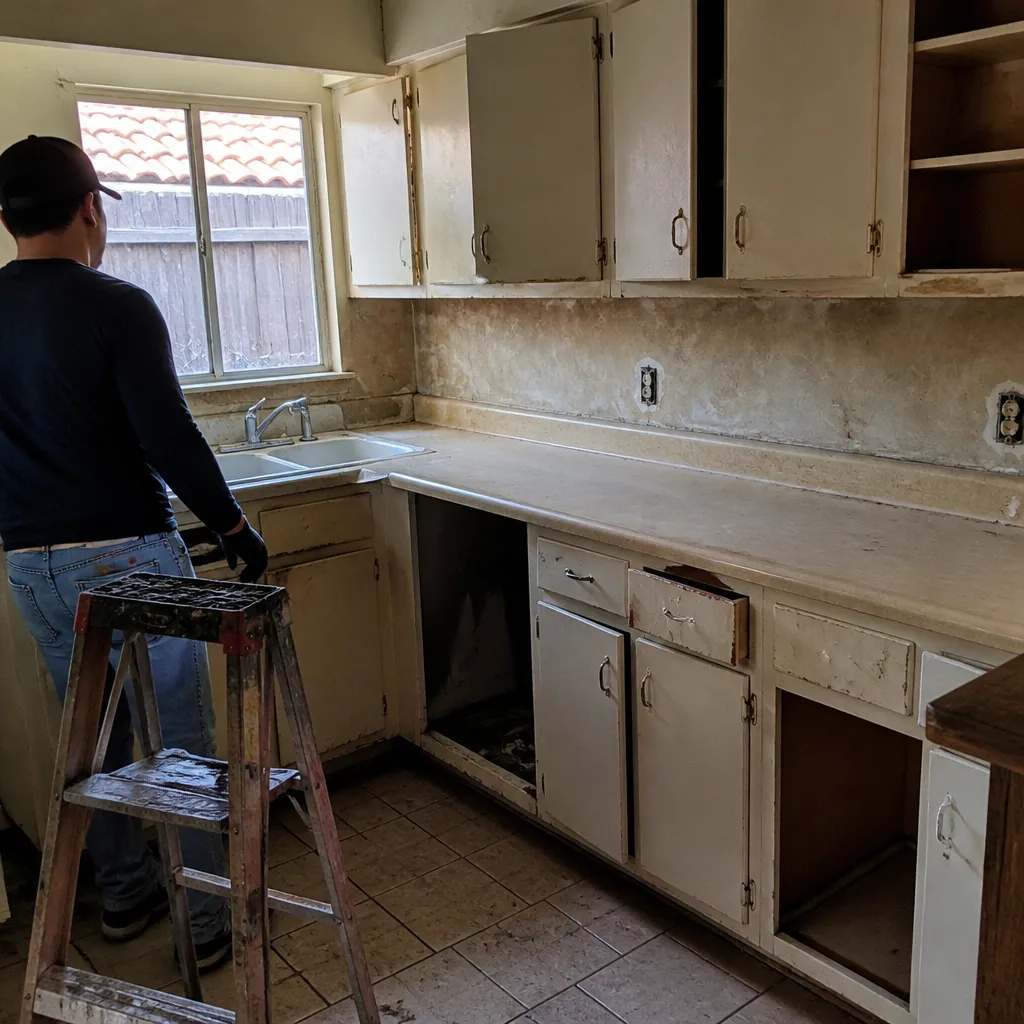 Before
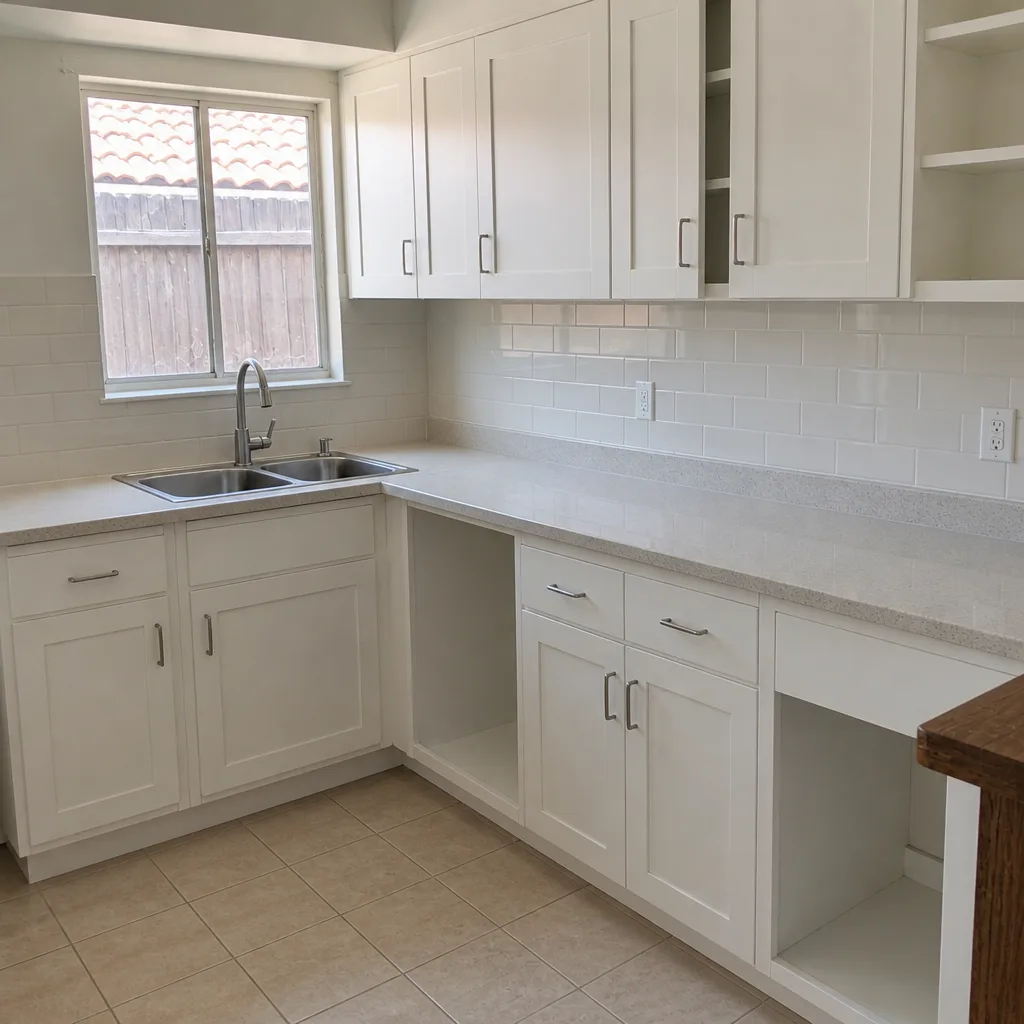 After
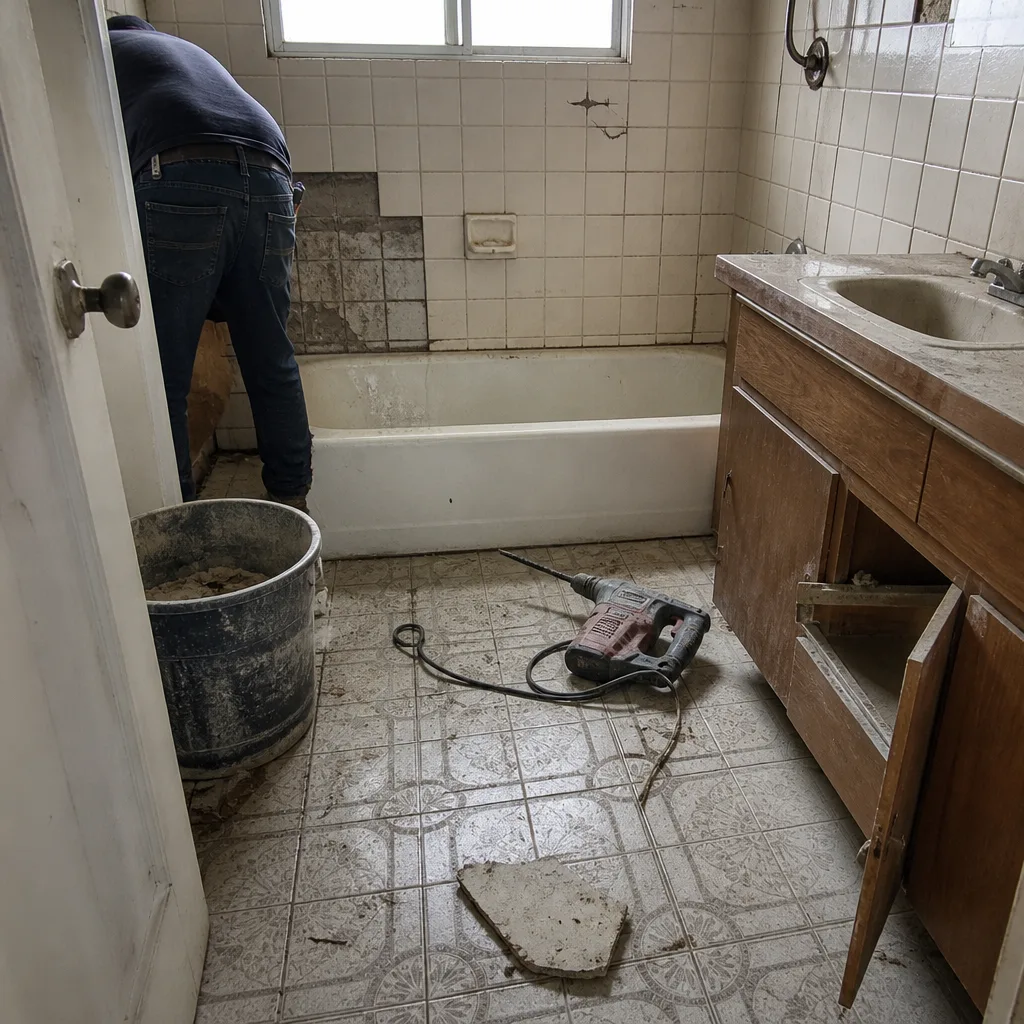 Before
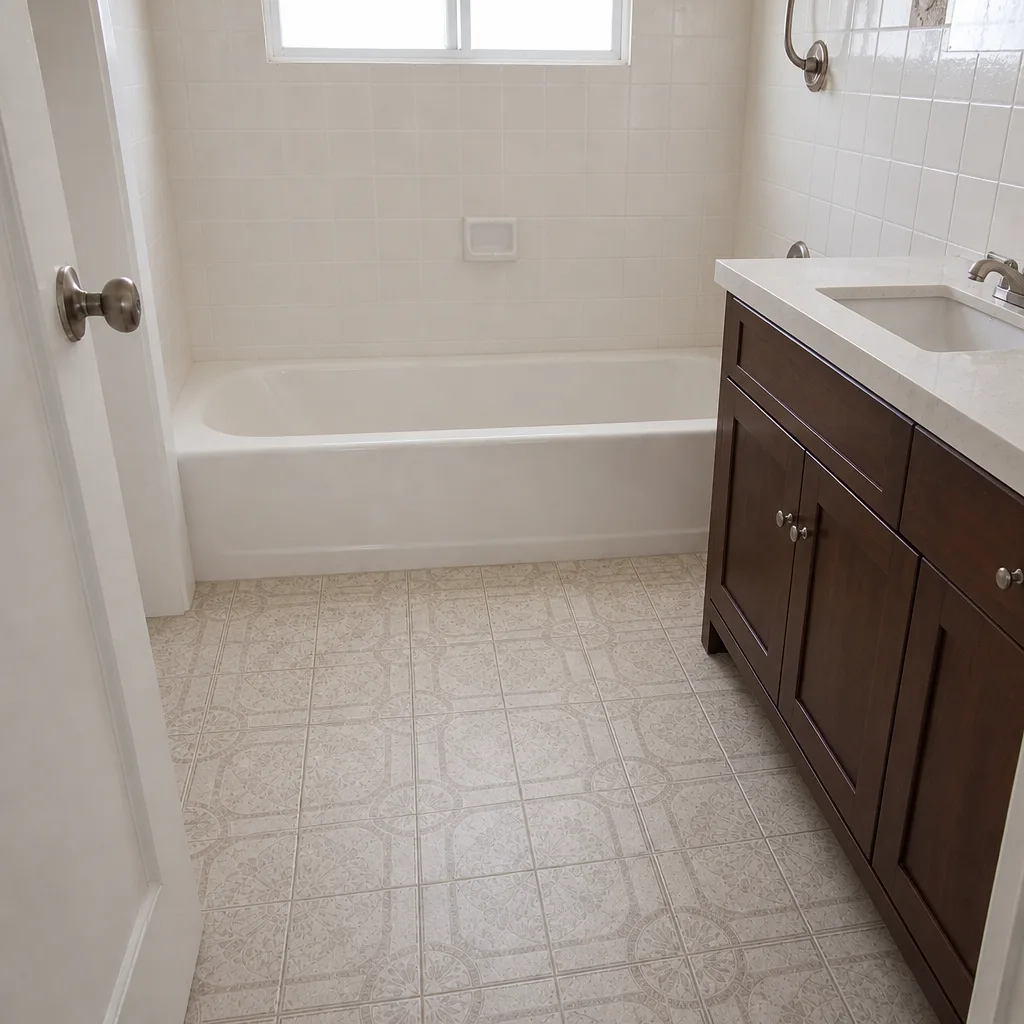 After
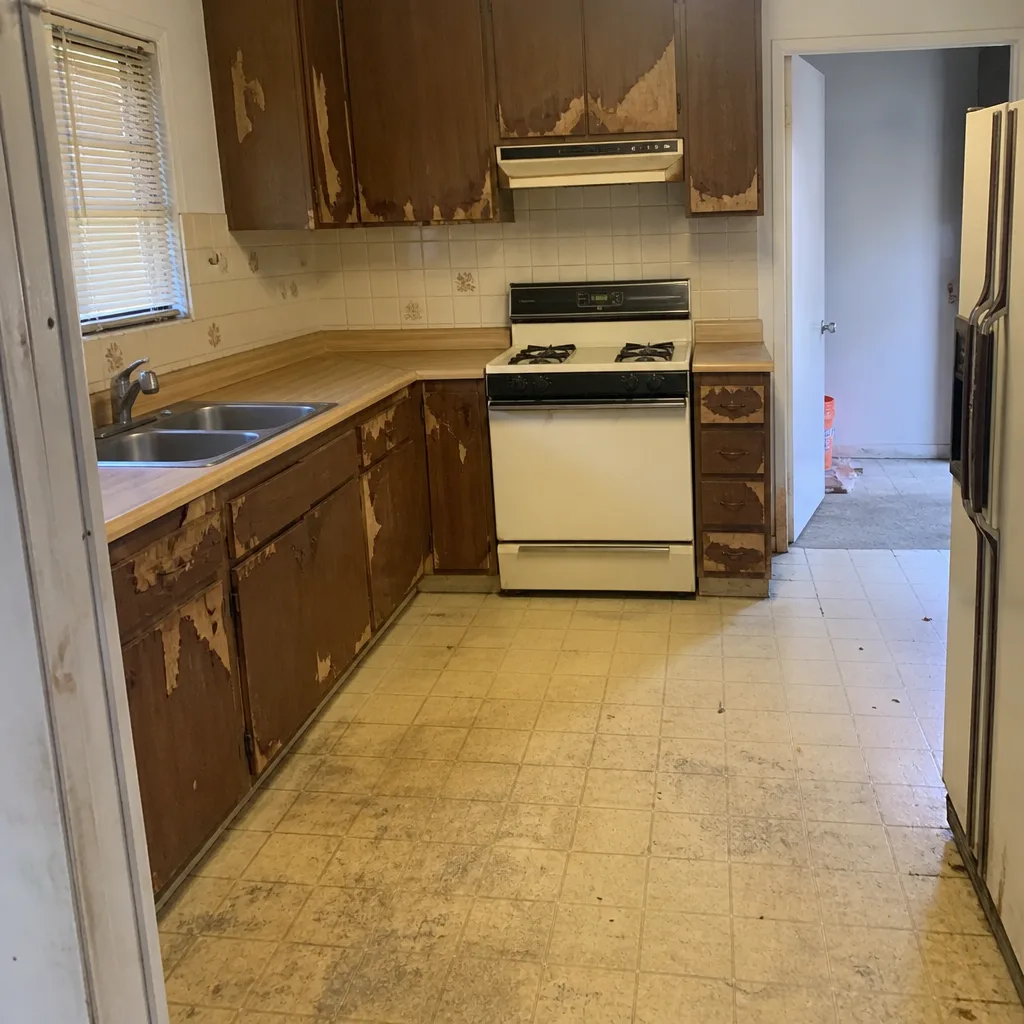 Before
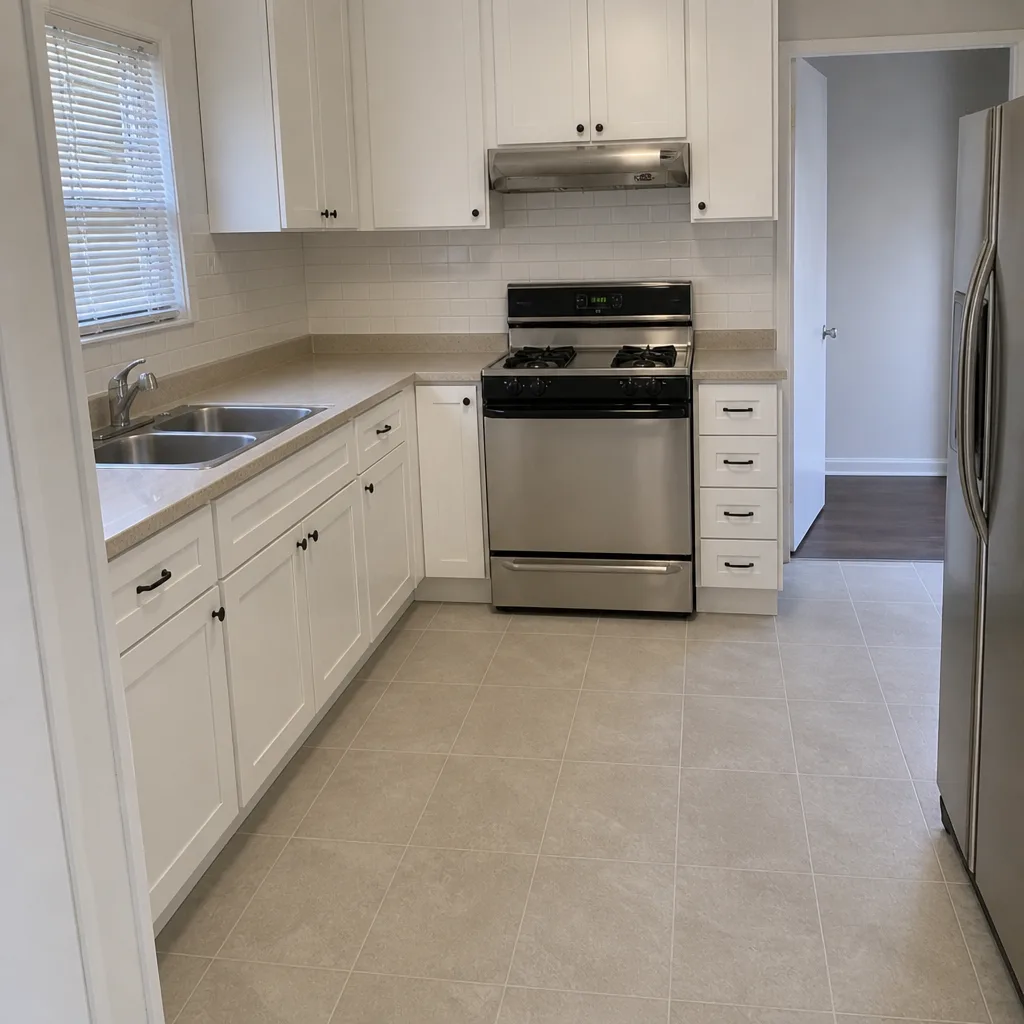 After
Common Mistakes to Avoid
- Winterizing on a snow-climate timeline. Anaheim’s biggest threat isn’t freeze; it’s wind. Insulating pipes and buying snow stakes is fine, but if you skip the September roofline inspection you’ve prepared for the wrong event.
- Painting during the marine layer. A cool, damp morning in June feels pleasant and looks like good painting weather. It isn’t. It traps moisture under the film and peels the following season.
- Sealing asphalt in July heat. High surface temperatures make sealant cure too fast and fail in the first year.
- Ignoring the downspouts until the first storm. Anaheim’s clay soil swells fast in the wet season. A downspout discharging against the slab can produce visible foundation movement in one winter.
- Treating the wet season as a no-work window. Moisture problems inside Anaheim homes often begin in winter; if you wait until spring to inspect, you’re inspecting damage, not fixing the cause.
- Relying on a verbal schedule. A contractor who says “I’ll come by in the fall” and a contractor who puts October 14 in a written agreement are not offering the same thing.
- Assuming a manufacturer warranty covers the work. Owens Corning, GAF and CertainTeed warrant their products, not the installation. The installation is what the 365-Day Done Right Promise covers.
When to Call a Professional
Some seasonal items are homeowner-safe: walking the yard for lifted shingles, checking that downspouts discharge away from the slab, noting cracks in the driveway or expansion joints. Others are not. If the inspection turns up missing shingles, damaged flashing, cracked fascia, foundation movement, any roof work above one story, or any exterior repair that requires getting on a ladder, that’s professional work. Anaheim’s wind season turns a small roof defect into a serious water intrusion problem quickly. Roofs are a genuine fall hazard, and the same goes for anything that requires reaching above the gutter line. Penhallow Remodeling Anaheim offers free estimates in Anaheim; call (844) 320-2908 for a written price before any repair begins.
Frequently Asked Questions
The Santa Ana wind season, roughly October through December, is the most damaging for Anaheim homes. Dry gusts of 50 to 60 mph pick at every loose shingle, cracked caulk bead and unsecured branch on your property, and each small failure becomes a water entry point the first time rain arrives. A September inspection catches those failures before wind season turns them into repairs.
Late April to early May or late September to early October are the best windows for exterior paint in Anaheim. The marine layer makes May and June damp and cool, which prevents paint from adhering properly to stucco and wood. If you must paint during the damp months, work late morning to mid-afternoon when the surface is fully dry. Call (844) 320-2908 for a written quote on exterior prep and paint.
Anaheim sits on expansive clay soil in many neighborhoods, and that soil swells in the wet season and shrinks in the dry season. The movement presses on concrete slabs and driveways and opens cracks. Cracked expansion joints let more water in, which makes the soil swell more, which produces more cracking. Sealing cracks before the wet season interrupts that cycle.
Every 18 to 24 months is typical for a wood deck in Anaheim given the UV load and dry summer air. Sealing too often isn’t the goal; sealing at the right time is. Wait until the deck is fully dry and temperatures are moderate, usually late April or September.
No. Penhallow Remodeling gives every homeowner a written price before any work starts, and the number on day one is the number on the invoice. Every job also carries the 365-Day Done Right Promise, and a free return visit if a repair fails with no service call or re-inspection fee. Call (844) 320-2908 for your free estimate.
You can safely cover the ground-level walk-around: roofline from a distance, downspout discharge, driveway cracks, deck boards and gutters from a ladder-free height. Roofs, gutters at height, flashing and anything that requires getting on the roof are professional work, because fall risk is real and wind damage is easy to miss up close. Call (844) 320-2908 to schedule a professional inspection.
The Bottom Line

Anaheim’s construction-care calendar is four windows, not four seasons. September is the pre-wind inspection, late April to early May is the paint and caulk window, June through September is when you protect driveways, decks and joint seals from heat, and November is when you finalize drainage and soil preparation before winter rain. The best way to actually keep that schedule is to put it in writing with a contractor: fixed months, written prices, a real arrival window, and a 365-Day Done Right Promise behind every repair. The point of all of it is the same: fix the small failure before it becomes the expensive one. If you’d like a written price on any of the items in this guide, call Penhallow Remodeling Anaheim at (844) 320-2908 for a free estimate.
Written by the team at Penhallow Remodeling Anaheim.