Last updated November 18, 2026








Free written scope consultation - allowances, timeline, and change-order rules on paper before a single trade is scheduled
Construction Warning Signs: An Anaheim Homeowner’s Reference Guide
Here’s the part most warning-sign guides get wrong: a contractor can be fully licensed, bonded, and insured in California and still hand you a contract that lets them charge whatever they want once the walls come down. The license regulates the work, not the price. It confirms someone is allowed to build. It says nothing about whether the number you agreed to will survive the first week of demo. In our experience across Anaheim, the most expensive mistakes don’t come from shady unlicensed operators slipping through the cracks. They come from legitimate, well-reviewed companies using legal-but-harmful practices, and the paperwork is where they hide. This guide shows you the exact phrases, patterns, and contract language to watch for.
Quick Answer
The biggest construction warning signs in Anaheim aren’t missing licenses or bad reviews. They’re legal contract language that keeps your price open-ended: “time and materials,” “estimated cost,” and “subject to field conditions.” A contractor who won’t put a firm written price and a written guarantee in place before work starts, or who discourages you from pulling your own permit, is a warning sign no matter how good their reviews look.
Styles & brands we work with
- Kitchen remodeling
- Bathroom remodeling
- Home additions & ADU
- Roofing
- Windows & doors
- Driveway & pavers
- Fence
Table of Contents
- Why “Licensed and Insured” Isn’t the Protection You Think
- The Contract Phrases That Signal an Open-Ended Price
- Why a Contractor Who Discourages Your Own Permit Is a Red Flag
- How to Spot Bid Shopping Before It Costs You
- What “We Always Come Back” Actually Means in California
- The Pattern of a Valid-Looking Low Bid
- Change Orders: The Difference Between Written and Verbal
- Questions to Ask Before You Sign Anything
Why “Licensed and Insured” Isn’t the Protection You Think
A California contractor’s license proves three things: the person passed a trade and law exam, they carry the state-required bond, and they’re subject to discipline by the Contractors State License Board. That’s meaningful. It protects you from unqualified workmanship and gives you a place to file a complaint. But nowhere in that license is there a single rule about how much a contractor can charge you, how vague a scope can be, or whether a change order has to be in writing.
That gap is where Anaheim homeowners get hurt. A licensed contractor can lawfully hand you a one-page agreement that says “remodel, approximately $60,000, time and materials, subject to field conditions,” collect your deposit, start demo, and then stack change orders on top of that number for the next three months. Every one of those change orders can be legal. Every one can be “reasonable” under the terms you signed. The license did its job. The contract didn’t.
The other piece homeowners miss is what “insured” actually covers. A general liability policy protects the contractor’s business and, in some cases, your property if the crew damages it. It generally does not cover your cost of redoing substandard work, and it doesn’t pay you back when a project runs three months long because the schedule was never real to begin with. If you want price protection and workmanship protection, you have to get them in the written agreement, because the license and the insurance won’t supply them.
What actually protects you is a written price before any work starts, a defined scope with line items, and a written guarantee on the finished work. Those three things aren’t regulated by the state. They’re a choice the contractor makes. When you’re comparing bids, the question isn’t “are you licensed?” It’s “will you put the number and the guarantee in writing before we start?” That’s a fair question to ask any general contractor in Anaheim, and a good one should answer it without flinching.
The Contract Phrases That Signal an Open-Ended Price
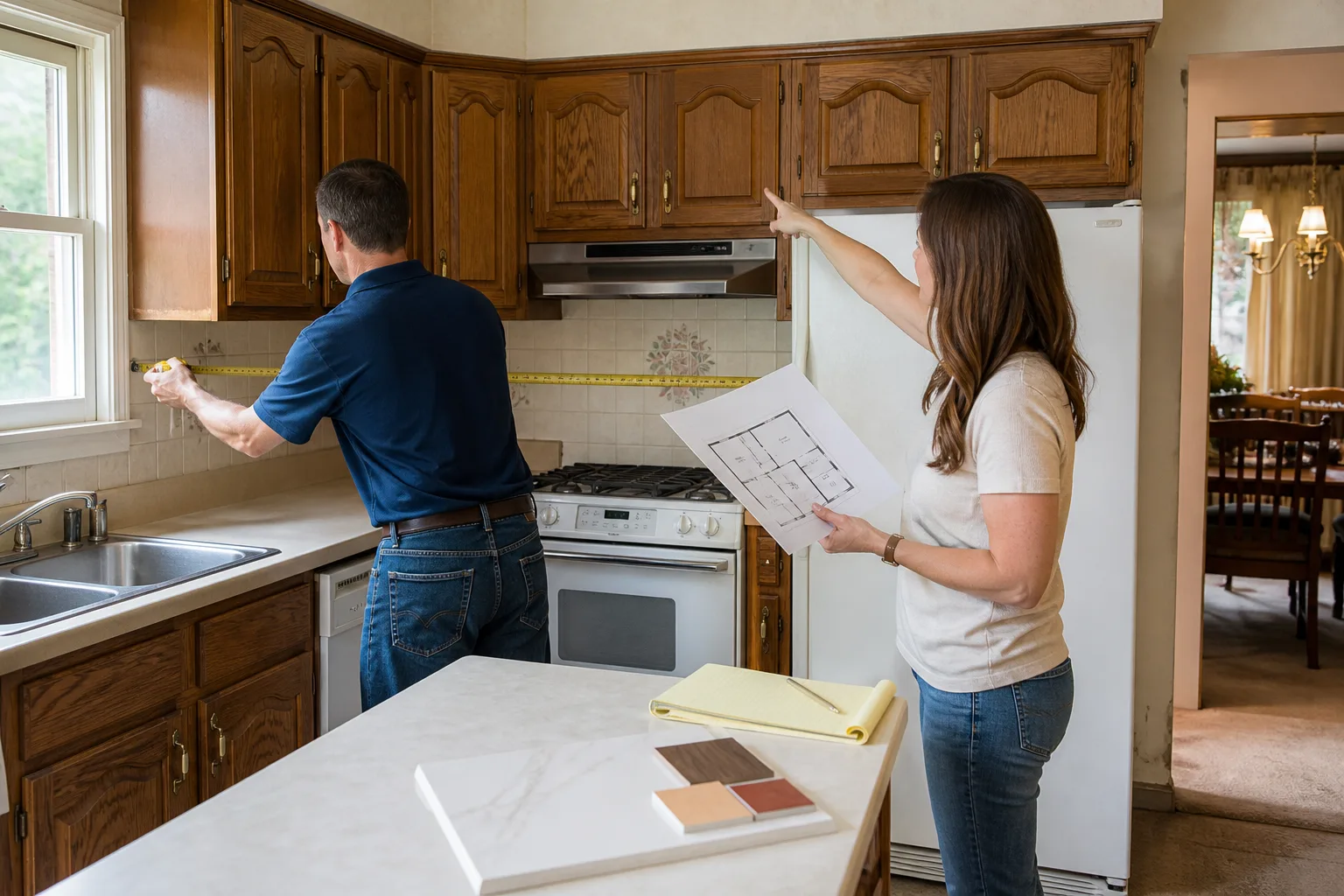
Read the scope and payment section of any contract before you read the number. The number means very little if the language around it lets the contractor move it. Three phrases come up again and again, and each one hands the price control back to the contractor the moment work begins.
“Time and materials.” This means you’re paying for hours worked and materials purchased, often with a markup, and the total is whatever it turns out to be. There’s no ceiling unless one is written in. A generous contractor may add a “not to exceed” clause. A less generous one won’t, and you have no ground to argue later. What to ask for instead: a fixed price for a defined scope, with any time-and-materials work confined to a specific, pre-approved allowance you can cap in writing.
“Estimated cost.” An estimate is not a price. In plain terms, an estimate is a guess, and a guess is not something you can hold anyone to. A fixed price is a commitment. When you see “estimated cost of $48,000” on a kitchen remodel, ask: is this a fixed price or an estimate? If it’s an estimate, ask what the contractor’s written policy is for how far it can move and under what circumstances. Our own standard is simple: the number on day one is the number on the invoice, which is why we hand over a written price, not an estimate range, before any cabinet is pulled.
“Subject to field conditions.” This one is sneakiest because it sounds reasonable. It means the contractor has reserved the right to reprice the job once they open a wall and find something they didn’t expect. Old homes in Anaheim do surprise people: knob-and-tube wiring behind a plaster wall, dry-rot under a 1960s window, a slab that isn’t level. The problem is when that phrase appears with no defined process around it. The fix is to ask for a written protocol: if a field condition turns up, the contractor stops, documents it with photos, and quotes the fix separately in writing before touching it. No verbal “hey, this is going to be more.” No surprise line on the final invoice. Just a documented, agreed change or nothing at all.
Why a Contractor Who Discourages Your Own Permit Is a Red Flag
Here’s a scenario we’ve run into more than once in Anaheim. A homeowner says they want to pull the permit themselves to save on the fee, and the contractor talks them out of it. “It’ll slow us down.” “You don’t want to deal with the city.” “We handle all that.” Sometimes that’s genuine helpfulness. Often it’s a warning sign worth pausing on.
A contractor discouraging an owner-pulled permit is signaling that they’d rather the inspection never happen on their schedule, or that the inspection wouldn’t pass. In Anaheim, a permit means an inspector from the city’s building division reviews the framing, electrical, and plumbing at key stages. Those inspections are your best independent check on the work you can’t see once the drywall goes up. A contractor who wants to keep that check at arm’s length, regardless of how good their reviews are, is telling you something about how they expect the job to go.
The flip side matters too. Pulling your own permit makes you the “owner-builder” on record, and California rules around owner-builder permits are specific: you generally can’t use one to hire a licensed contractor to do the work, because that defeats the point. It’s a legal gray area that homeowners get tangled in. The clean answer is the contractor pulls the permit in their name, it’s included in the written price, and you receive copies of the passed inspections at the end. Ask any contractor: “Who is pulling the permit, and will I get the inspection records?” A straight answer with no hedging is what you want. A shrug or a redirect is your signal to walk.
How to Spot Bid Shopping Before It Costs You
Bid shopping is when a general contractor wins your job at a price, then turns around and pressures their subcontractors to cut their own price to protect the general’s margin. Sometimes it happens before the contract is even signed. The homeowner rarely sees it directly, but the effects show up three to four months in. A tile sub who got squeezed on price uses a cheaper thinset. A framer who was told to “make it work” for less takes a shortcut you won’t discover until the house settles.
You won’t sit in on those conversations, but you can spot the pattern in a few ways:
- The bid is dramatically below the others. If three bids land at $52,000, $55,000, and $38,000 for the same scope, the low bid has to come from somewhere. Either the scope is missing items, the subs will be squeezed, or the change orders are coming later. None of those is a bargain.
- The contractor won’t name their subs. A straightforward contractor will tell you who’s doing your electrical and plumbing. If the answer is “we’ll figure that out,” they may still be shopping for the cheapest available sub after you’ve paid the deposit.
- The schedule is suspiciously fast. If the same job that takes six weeks elsewhere is promised in four, someone is compressing labor. Compressed labor cuts corners.
- Subs show up with no paperwork. A sub who isn’t licensed and insured is being used because they’re cheap. Ask for their license number and certificate of insurance before they touch your home.
The defense is simple: ask upfront who’s doing each part of the work, ask to see the sub’s license and insurance, and ask what happens to the price if the general’s arrangement with a sub changes. Your price should be your price, not a moving target based on who’s squeezing whom.
What “We Always Come Back” Actually Means in California
“We don’t do written guarantees, but we always come back.” You’ll hear this. It sounds warm. It is legally worth almost nothing.
California does give homeowners some protection for new residential construction through a legal doctrine that, in practice, gives you a window to pursue a contractor for certain defects. But that window is narrow, the process is often expensive, and it relies on you proving the defect exists and was caused by the work. What it does not do is create a simple, no-argument path back to the contractor. A contractor who says “we always come back” without putting it on paper is offering you a verbal promise, and verbal promises are impossible to enforce when the person who made them stops answering the phone.
A written guarantee is different in kind, not just degree. It names what’s covered, how long it lasts, and exactly what happens if something fails. It’s something you can hold up when the toilet supply line leaks twelve months after the bathroom remodel and the contractor has gone quiet. At Penhallow, we put the 365-Day Done Right Promise in writing on every project: if the work fails inside that window, we come back and fix it at no charge. If a repair fails, we make a second visit free, no service call and no re-inspection fee. That’s not generosity. That’s the standard, and it’s written down precisely so you never have to rely on someone’s memory of a phone call.
When you’re comparing contractors, ask to see the guarantee language before you sign. If there isn’t any to show you, you’ve learned something important. Which brings up the related work: our bathroom remodeling in Anaheim projects carry the same written guarantee as the rest of the work, because the failure points on a bathroom (water, tile, shower pans) are exactly the places where a verbal promise evaporates fastest.
The Pattern of a Valid-Looking Low Bid
A low bid rarely announces itself as a problem. It arrives formatted cleanly, itemized, and it beats everyone else by a wide margin. The warning sign is what’s missing from it. Compare any two bids line by line and you’ll often see the low bid simply left things out, and those omissions become change orders later at premium prices, because by then you have no choice but to pay them.
Here’s what a low bid typically leaves off, and what happens next:
- Permit fees. Omitted from the bid and added later, often at a markup. A bid that doesn’t list the permit isn’t cheaper; it’s incomplete.
- Demolition and haul-away. “Demo not included” looks like a small line item until you’re paying a separate crew to tear out the old kitchen and truck the debris to a transfer station.
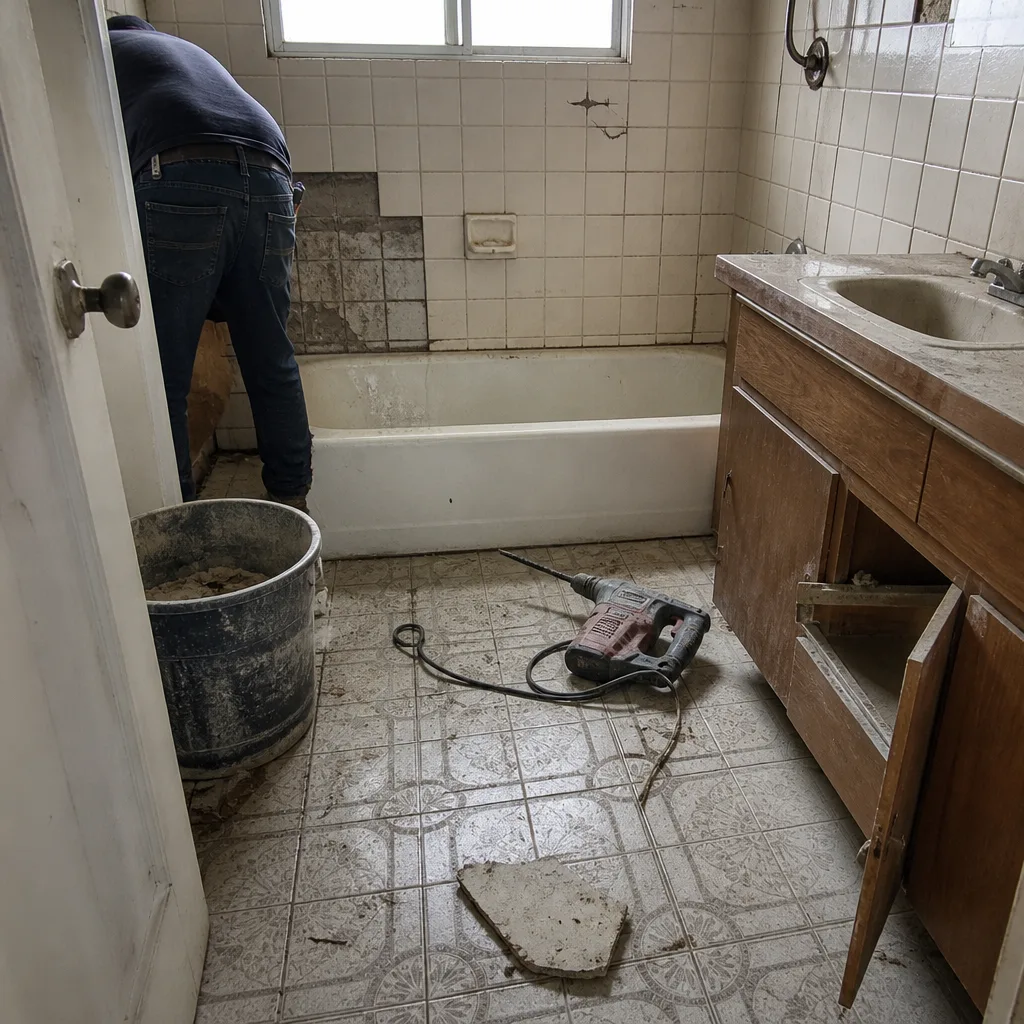
- Subfloor or substrate repair. Old bathroom floors in Anaheim homes commonly have soft spots and water damage under the existing tile. A bid that doesn’t price cement board substrate (the moisture-resistant layer behind your tile) is a bid that will add it once the old tile comes up.
- Electrical and plumbing rough-in adjustments. Moving a sink or a range almost always means moving a line. A bid that assumed “no changes” will price those changes at change-order rates.
- Paint, trim, and touch-up. Small line items that together add 3 to 6 percent to a job. Skips them, adds them later.
- Dumpster and job-site cleanup. Legitimately a real cost, frequently omitted to make the number look better.
The way to spot this pattern is straightforward: ask for a written, line-item quote that names each of the above. If a bid can’t itemize permit, demo, substrate, rough-in, and finish, it’s incomplete, and an incomplete bid is a future change order. A written line-item price isn’t a luxury. It’s the difference between a bid you can compare and a bid you have to guess about.
Change Orders: The Difference Between Written and Verbal
Change orders are where most remodels go sideways on price. A change order is any adjustment to the scope of work after the contract is signed: you want a different cabinet line, or the plumbing has to be rerouted, or you add a window. Done well, it’s a normal, documented moment in the job. Done badly, it’s a verbal conversation that resurfaces on the final invoice at a price you never agreed to.
Every change order in a job we run is written. It names the specific change, states the dollar amount, and gets signed before the work moves. This isn’t bureaucracy. It’s the only way you can be sure the number you agreed to is the number you’re going to pay. Verbal change orders are the single biggest reason homeowners see a final invoice that’s thousands above the figure they thought they agreed to, and the law will generally treat a change the contractor can demonstrate you authorized as valid, even if you never saw a number first.
What to ask for: a written change order for any scope adjustment, with a dollar figure on it, signed before work proceeds. If a contractor tells you “we’ll just sort it out at the end,” you’ve found your warning sign. Ask them to put it in writing or decline. A kitchen remodeling in Anaheim project that starts with a fixed scope will hit fewer surprises, but even the best-laid scopes get adjusted once walls come down. The difference is whether the adjustment arrives with a number attached or at the end of the job.
Questions to Ask Before You Sign Anything
Take this list to every contractor meeting. A good contractor will answer each question without flinching, and a warning sign contractor will get quiet when you pull it out. In our experience, a homeowner who asks these six questions avoids most of the traps in this guide.
- “Is this a fixed price or an estimate?” Make them say it in plain words. Write their answer on the contract.
- “Can I see the guarantee in writing?” Ask for the exact language. If there’s nothing to show, that’s your answer.
- “Who is pulling the permit, and will I get the inspection records?” The contractor’s name should be on the permit. Ask for copies of passed inspections at the end.
- “Who are the subcontractors, and can I see their licenses and certificates of insurance?” A contractor who can’t or won’t provide these is a contractor to keep looking past.
- “What’s your written process for field-condition surprises?” The right answer involves photos, a written quote, and a signature before any extra work is billed.
- “What does ‘change order’ mean in your contract, and can I see an example?” If they don’t have one, they don’t run them in writing.
None of these questions is aggressive. They’re the questions any homeowner should ask before handing over a deposit for a five-figure project. If a contractor bristles at them, that’s information you’re lucky to have gotten early. You can always compare approaches by looking at how a company like ours Penhallow Remodeling Anaheim home frames its written price and guarantee before the first meeting, and hold every other contractor to the same standard.
Common Mistakes to Avoid
- Signing a contract with “estimated cost” language. An estimate is a guess you can’t enforce. Ask for a fixed written price before you sign, and don’t accept “we’ll see how it shakes out.”
- Letting a contractor talk you out of an owner-pulled permit without an explanation you understand. Inspections are your best independent check on work you can’t see. If the contractor won’t pull the permit in their own name and provide inspection records, keep looking.
- Taking the lowest bid at face value. On a typical Anaheim kitchen or bathroom, a bid that’s 20 to 30 percent below the others is missing items that will come back as change orders.
- Accepting verbal change orders. “Hey, we found rot in the subfloor, we’re going to need another couple thousand.” Fair or not, insist on a written change order with a number before any work moves. Otherwise you don’t know what you’re paying until the invoice arrives.
- Believing “we always come back” without a written guarantee. California’s defect protections exist, but they lean on you proving a case. A written guarantee, with a named duration and coverage, is a different and more durable protection.
- Missing the scope omissions in a bid. Walk every bid line by line and check for permit, demo, substrate, rough-in, trim, and cleanup. What’s missing is what you’ll pay extra for later.
- Hiring on schedule urgency instead of price certainty. A contractor who promises a six-week kitchen in four is compressing labor somewhere. A written schedule that matches the scope is more reliable than a fast promise.
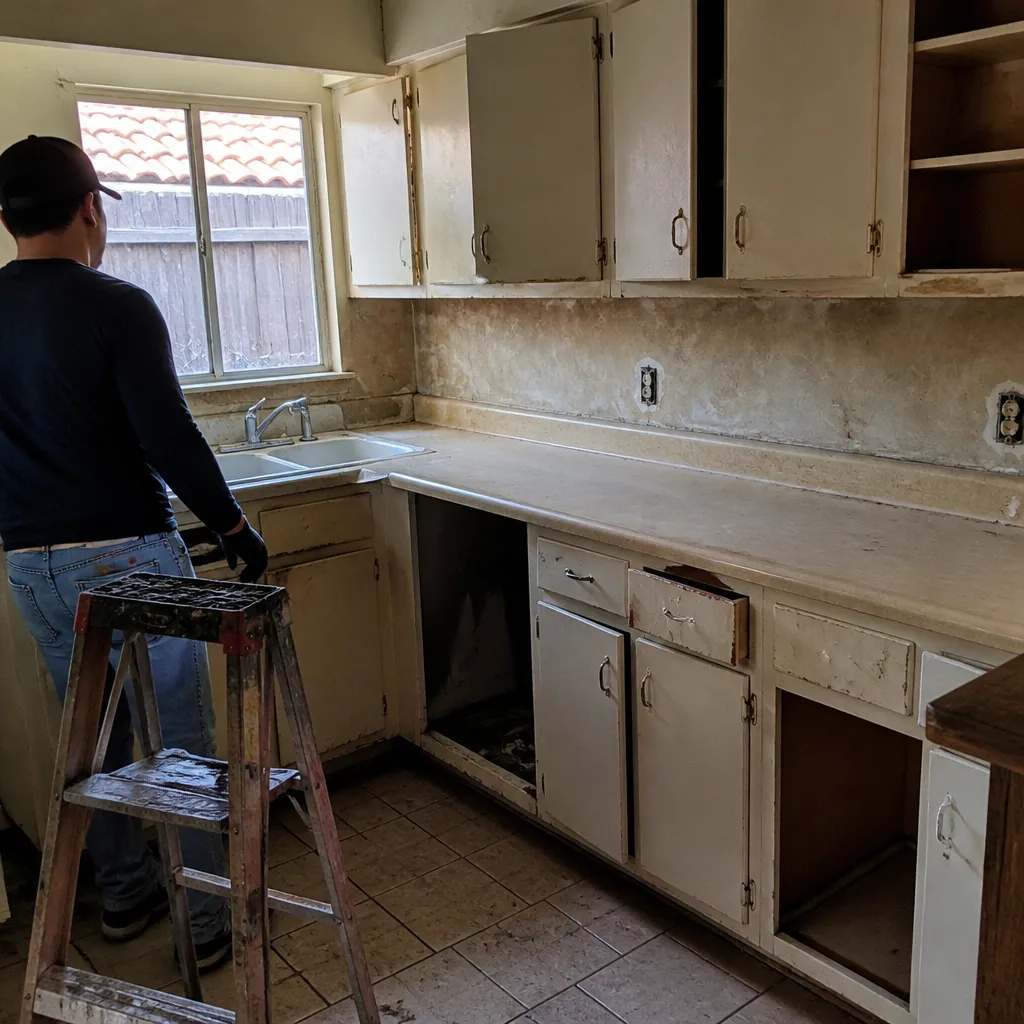
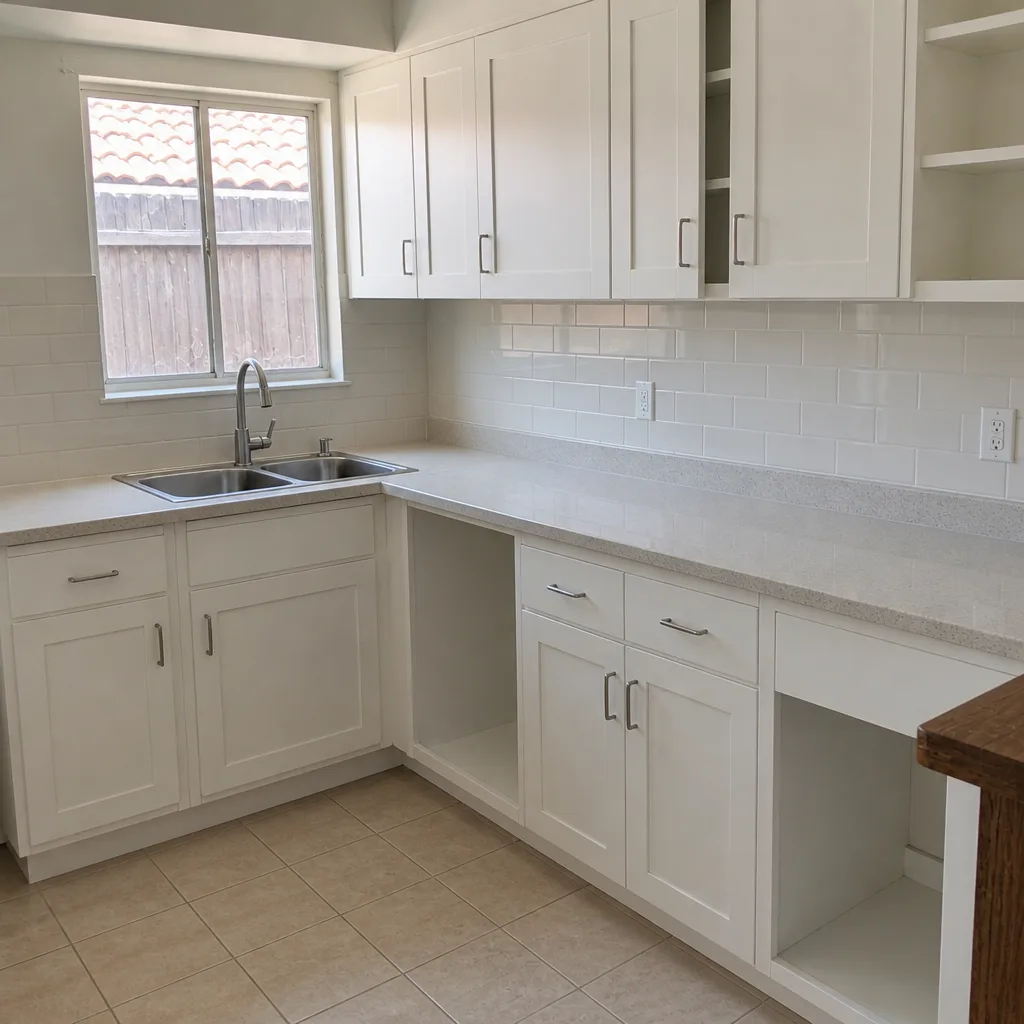
See the difference
 Before
 After
 Before
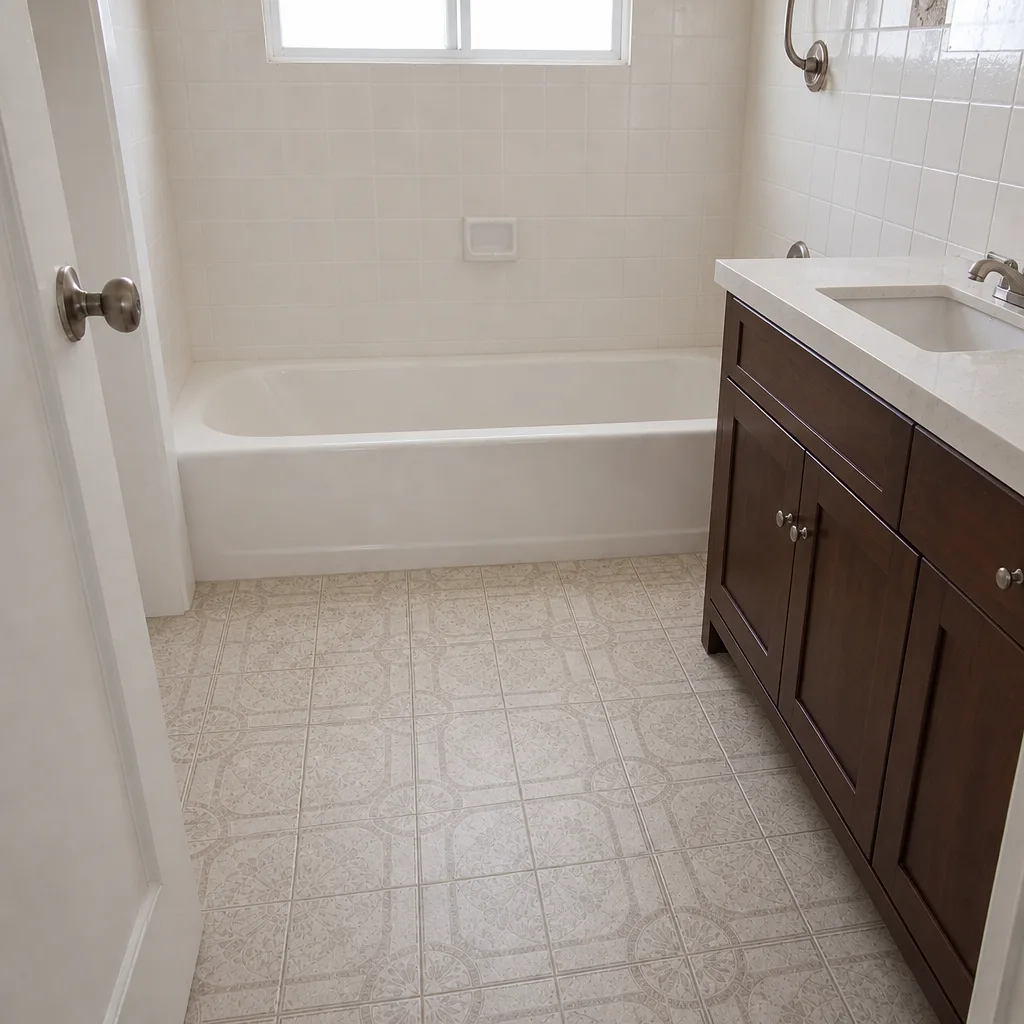 After
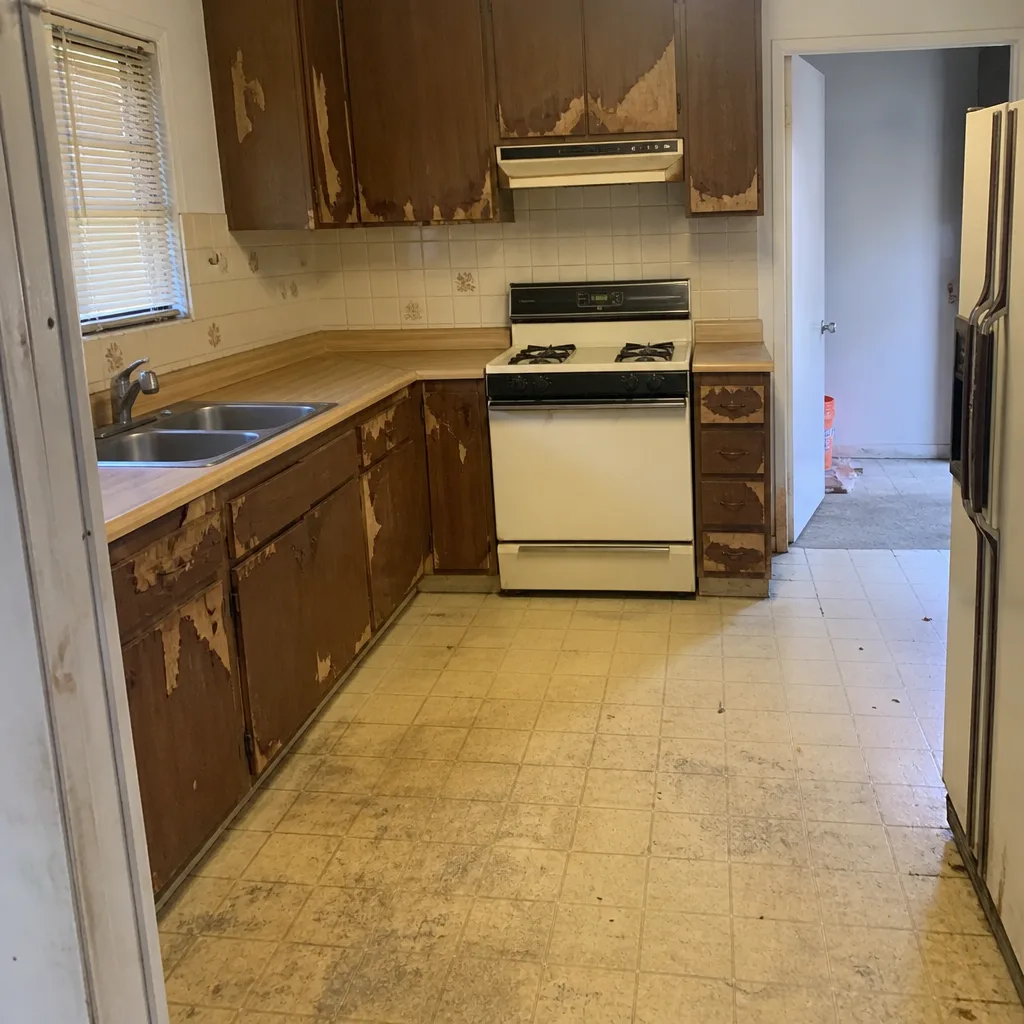 Before
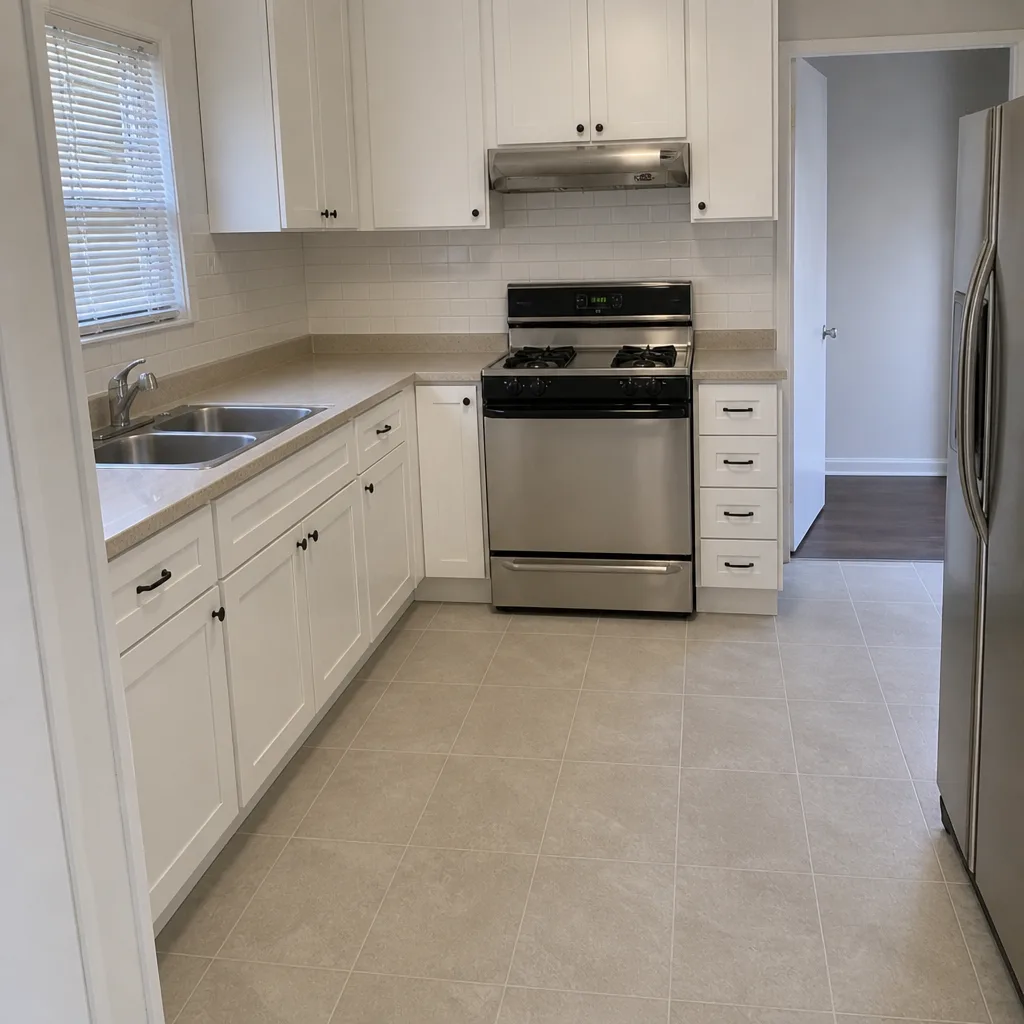 After
When to Call a Professional
Some warning signs you can catch on your own by reading; some need a professional’s eyes. Call us if you’ve got a signed contract with vague scope language and you want a second opinion on what it actually commits you to. Call us if you’re staring at a bid that’s dramatically lower than the others and you can’t tell what’s missing. Call us if a contractor has already started work and change orders are stacking up faster than you can track them, or if a repair from a prior job failed and the last company has gone quiet. Penhallow Remodeling Anaheim offers free estimates in Anaheim, and we’ll walk the contract and the scope with you before you commit a dollar. Call (844) 320-2908. A background-checked, uniformed technician will arrive in the window we quote, in writing, and give you a written price for the work, if the work is ours to do. If it isn’t, we’ll tell you that too.
Frequently Asked Questions

Yes. A contractor who will only quote “time and materials” or “estimated cost” is handing you a number that can move with no ceiling. A fixed written price for a defined scope is the standard you should ask for, and a contractor who won’t provide one is telling you the price is theirs to change. Call (844) 320-2908 for a free written estimate on your Anaheim project.
Compare every bid line by line and check for six things: permit fees, demolition and haul-away, substrate or subfloor repair, electrical and plumbing rough-in adjustments, paint and trim, and dumpster and cleanup. A bid that leaves any of those out will price them later as change orders, at change-order rates. Call (844) 320-2908 and we’ll walk through your bid with you, free.
It means the contractor has reserved the right to reprice the job after opening a wall and finding something they didn’t expect. That clause is fine if the contract also documents a process: photos, a written quote, and your signature before any extra work is billed. It’s a warning sign if the process isn’t defined. Call (844) 320-2908 if you want a second read on a contract you’re considering.
Often because they’d rather keep the city inspector off their schedule, or because the work wouldn’t pass inspection. In California, an owner-builder permit generally can’t be used to hire a licensed contractor, so a clean arrangement is the contractor pulls the permit in their own name and provides inspection records. Call (844) 320-2908 if you’re unsure how a bid handles permits.
As a verbal promise, no. It’s impossible to hold someone to when the call goes unanswered. A written guarantee, with a named duration and a stated scope of what’s covered, is enforceable. Our 365-Day Done Right Promise is written on every project, and if a repair fails we make a second visit free. Call (844) 320-2908 for a free estimate and we’ll show you the guarantee language before you sign.
Yes, and it’s legal. The California license regulates the work, not the price. A licensed contractor can lawfully include vague scope, verbal change orders, and start work on an open-ended number. Ask for a fixed written price, a written scope, and a written guarantee; if any of those is missing, keep looking. Call (844) 320-2908 for a free written estimate.
The Bottom Line
Licensing and insurance protect you from unqualified work. They don’t protect you from an open-ended price. The real warning signs in Anaheim come from contract language: “time and materials,” “estimated cost,” “subject to field conditions,” verbal change orders, an owner-pulled permit, a bid that omits the permit and demo and substrate. Ask for a fixed written price, a defined scope with line items, a written guarantee on the finished work, and inspection records at the end. Those four things are what separate a job you can hold a contractor to from a job that holds you. If a contractor won’t give you all four in writing before you sign, that’s your answer.
Penhallow Remodeling Anaheim offers free estimates in Anaheim and a written price before any work starts. Call (844) 320-2908 to schedule yours. You’ll hear a real person on the line, any hour, no voicemail maze. Background-checked, uniformed technicians arrive in the arrival window we quote, and every project comes with our 365-Day Done Right Promise in writing. Our technicians have up to 22 years of experience, and each Penhallow location is independently owned and operated as part of the Kingswell family of companies. The materials we install come from trade brands you already know: KraftMaid and Wellborn cabinetry, Cambria, Silestone and Caesarstone countertops, Kohler and Moen fixtures, James Hardie siding.
Written by the team at Penhallow Remodeling Anaheim.