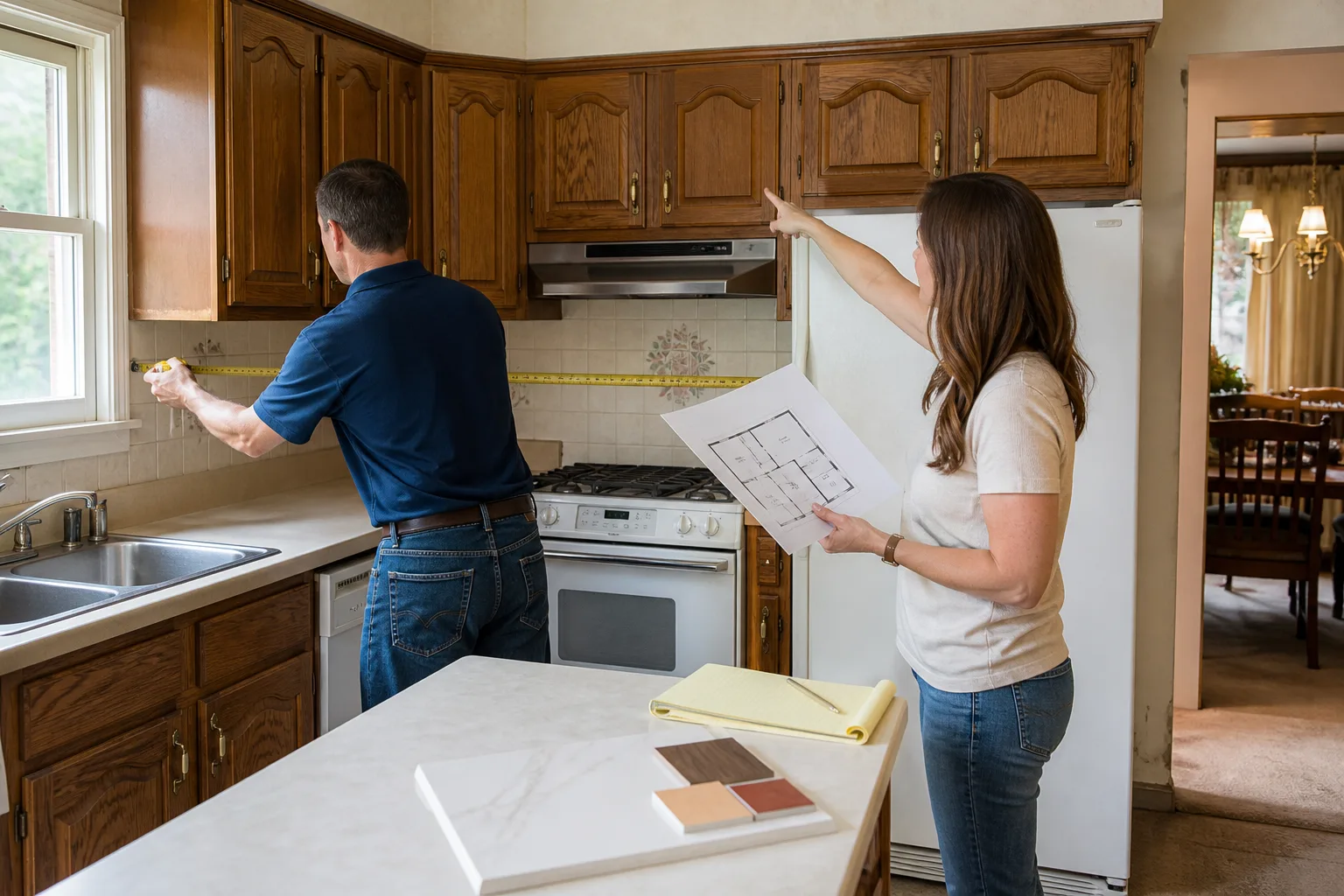
Last updated November 18, 2026
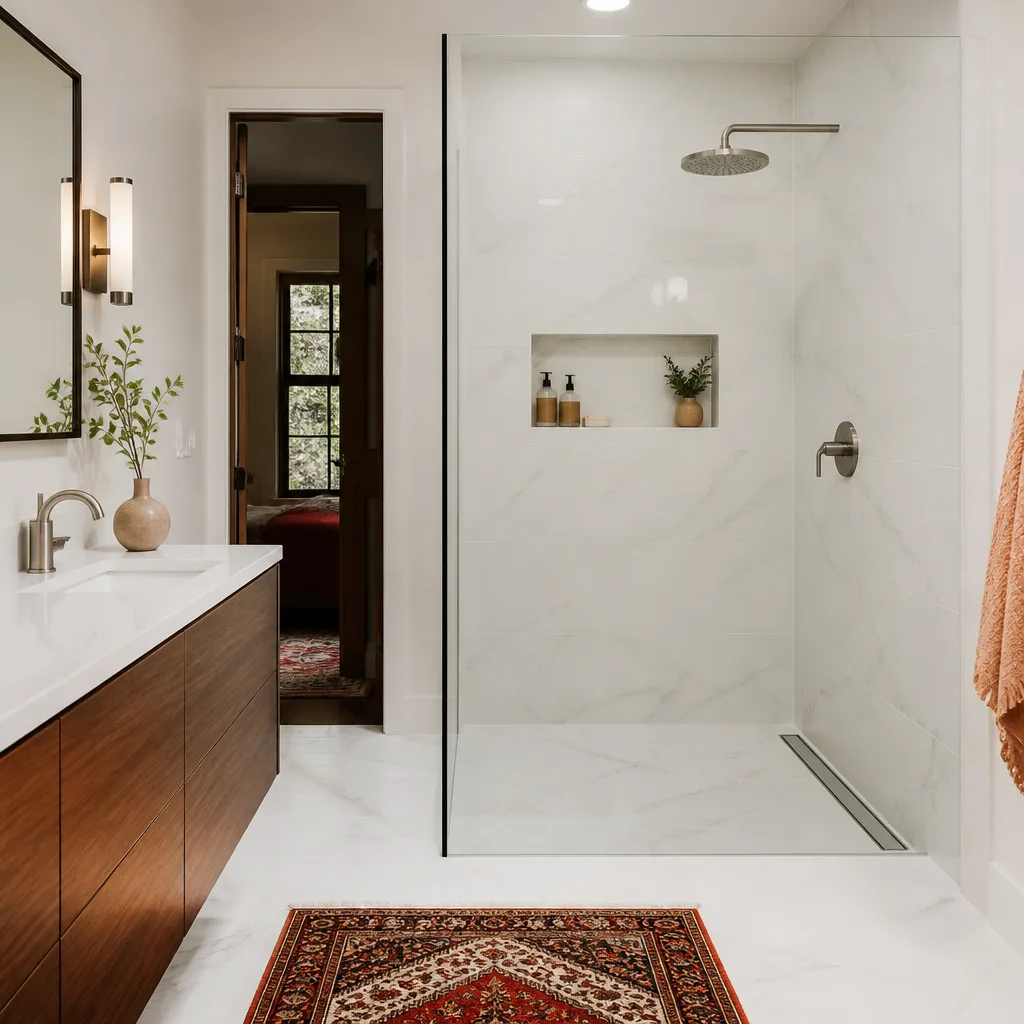
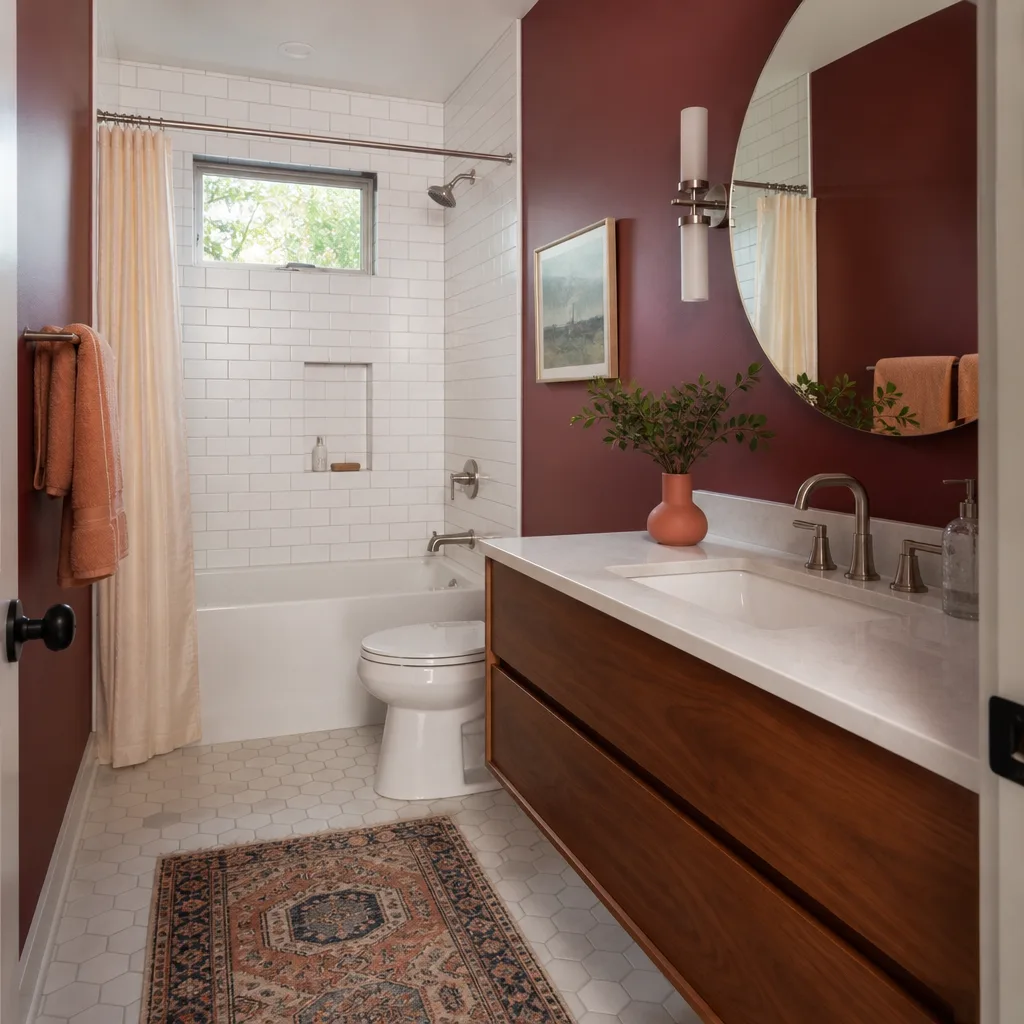
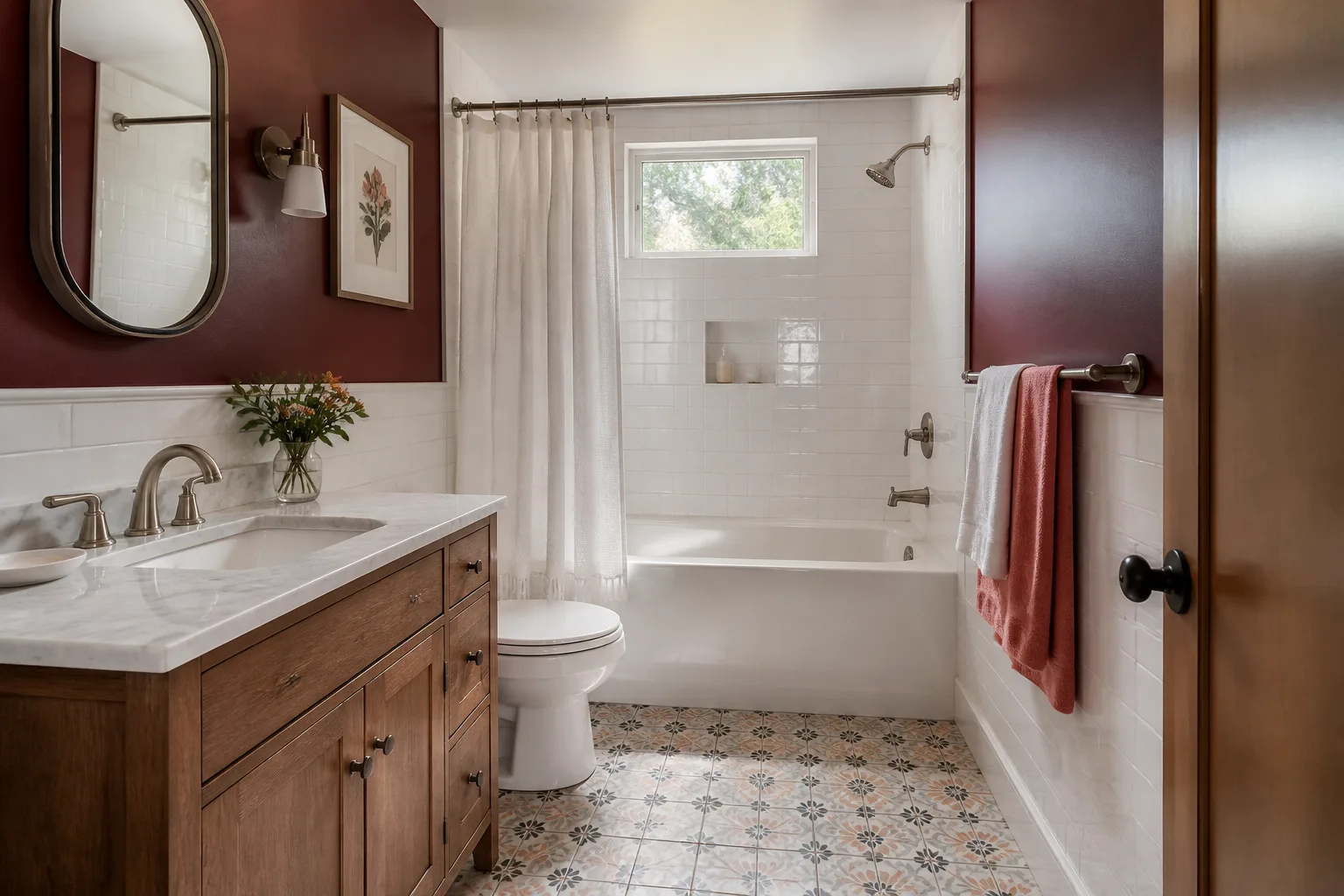



Free written scope consultation - allowances, timeline, and change-order rules on paper before a single trade is scheduled
How Long Does Bathroom Remodeling Take? Timelines and What to Expect
Most bathroom remodels run longer than the contractor’s original verbal estimate, and rarely because of hidden problems. The real culprit is usually that material lead times and scope changes were never written into the schedule in the first place. A vanity ordered in week three, a tile that ships from backorder, a “while we’re in there” plumbing swap: each one quietly pushes the finish date. In this guide we’ll break timelines by scope tier, show you which decisions at the estimate stage add or subtract weeks, and explain what a written schedule should actually promise. We’ll ground it in Anaheim, where permit queues and 1950s-era plumbing shape the calendar more than most homeowners expect.
Quick Answer
A cosmetic bathroom refresh in Anaheim typically takes 3 to 5 working days, a partial gut remodel runs 2 to 3 weeks, and a full gut with a layout change runs 4 to 6 weeks once permits are pulled. The biggest variable is not labor speed, it’s material lead times and how many scope decisions get locked in before demolition starts.
Styles & brands we work with
- Kitchen remodeling
- Bathroom remodeling
- Home additions & ADU
- Roofing
- Windows & doors
- Driveway & pavers
- Fence
Table of Contents
- Timeline by scope: three tiers, three calendars
- Anaheim permit times and why they matter
- What a written schedule is (and what a verbal promise isn’t)
- The three selection decisions that move the finish date
- What a real arrival window looks like
- What the 365-day callback window means for bathrooms
- Living without a shower: planning around the job
- Common mistakes to avoid
Timeline by Scope: Three Tiers, Three Calendars
The single most useful thing you can do before calling anyone is sort your project into one of three tiers. The scope tier sets the floor on your schedule. Labor is fairly predictable; what swings wildly is how much of the room gets opened up, how much trades overlap, and how long Anaheim’s permit office takes.
- Cosmetic refresh (3 – 5 days): Paint, new vanity top, faucet swap, mirror, light fixtures, re-caulk. No walls opened, no permit typically required, no plumbing moved. This is the tier where “done by Friday” is a believable sentence.
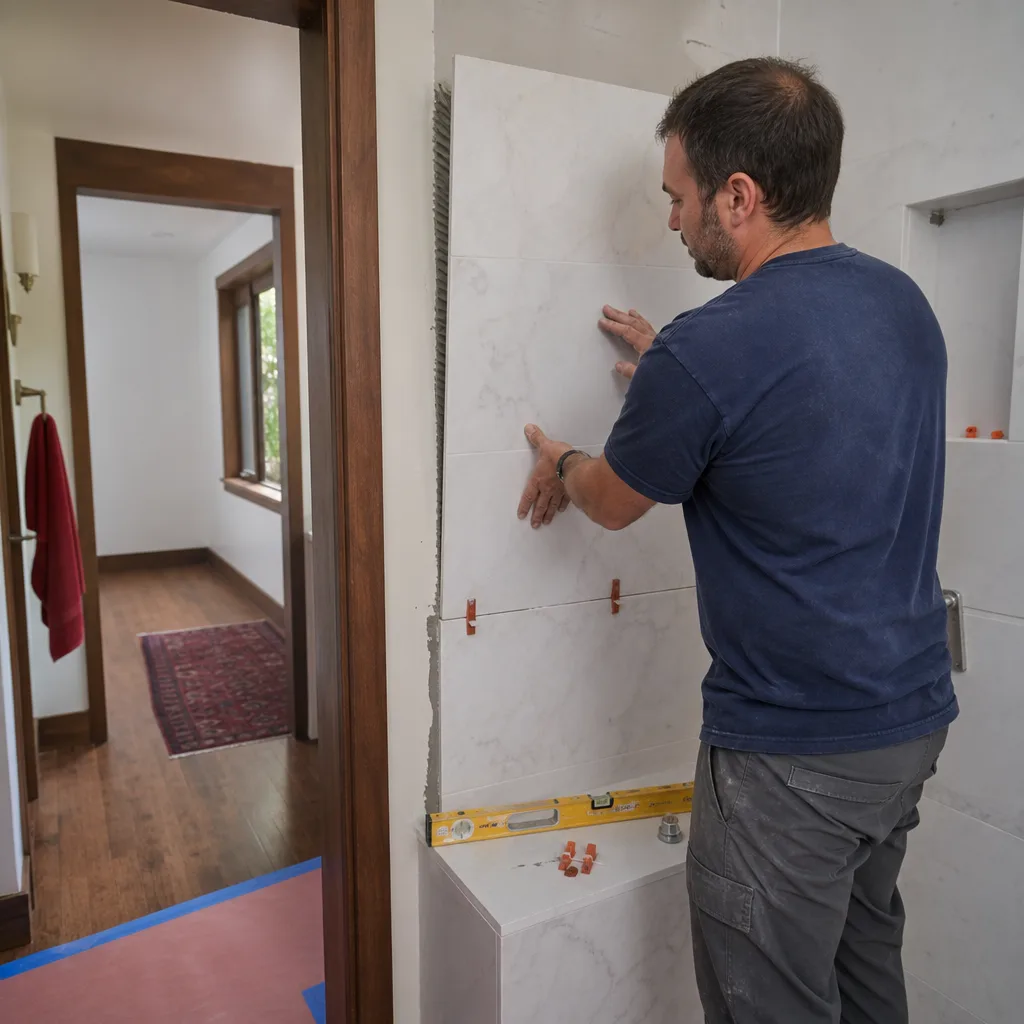
- Partial gut (2 – 3 weeks): New tile floor and shower surround, new vanity and fixtures, keep the existing layout and drain locations. Waterproofing membrane goes in behind the tile, which adds a day of cure time most homeowners don’t anticipate.
- Full gut with layout change (4 – 6 weeks): Everything comes out down to the studs, plumbing and electrical get relocated, and a permit is pulled. Moving a toilet or adding a second sink adds days of rough-in work and a second inspection.
If you’re weighing options, our overview of Bathroom Remodeling in Anaheim breaks down what each tier includes so you can match your wish list to the calendar it demands.
Anaheim Permit Times and Why They Matter
Permits are the part of the schedule most homeowners never see on the estimate, and they’re often the reason a “three-week job” becomes five. In Anaheim, a straightforward bathroom permit that involves plumbing or electrical relocation usually takes one to two weeks to pull and get through the plan-review stage, and inspections get scheduled in the days after each phase of work. That’s not time you can compress by working faster; it’s a queue.
Two things Anaheim homeowners should know:
- Layout changes almost always trigger a permit. Moving a drain, relocating a toilet, or adding a circuit means plan review. A finish-only refresh often doesn’t need one. Ask explicitly which tier your job falls into before signing anything.
- Older housing stock adds hidden days. Much of Anaheim was built in the 1950s and 1960s. When a wall opens on a house from that era, we routinely find galvanized supply lines near the end of their life or cast-iron drains that need to be swapped. Discovering it after demo means a change order and a delay – which is exactly why pre-demo inspection matters.
A contractor who tells you “permits are no problem, we’ll handle it” without naming a timeline is telling you they haven’t scheduled around the queue. Ask for a written number of days for the permit phase. It should be in the schedule, not in a phone call.
What a Written Schedule Is (And What a Verbal Promise Isn’t)
“We’ll be done by Friday” is not a schedule. It’s a sentence with no date attached, no phase breakdown, and no recourse when Friday arrives with the shower still sitting in boxes. A written schedule in a contract looks different. It names the start date, the demo window, the rough-in inspection date, the tile install window, the fixture install window, and the final walkthrough. It also names the arrival windows for each visit, so you’re not sitting at home from 8 a.m. to noon wondering.
Here’s why that distinction matters when you’re living without a working shower: you need to plan where you’ll be bathing for the duration, and you can’t plan around a moving target. A written phase schedule lets you decide whether to book those four nights at a hotel, whether to schedule the plumber around a family event, or whether to put off the job a month so it lands during a quieter season.
The number on day one should also be the number on the invoice. A written price before the work starts, and a written schedule that says what happens when, are two halves of the same promise. That’s the standard we work to at Penhallow, and it’s part of what we call The Kingswell Way: say the price before the work, show up in the window we gave, leave the place cleaner than we found it.
The Three Selection Decisions That Move the Finish Date
By the time a contractor pulls a hammer, the calendar is largely set. It was set at the estimate stage, by three decisions. Get them right and you compress weeks. Get them wrong and you add them.
- Tile. This is the biggest lead-time risk in any bathroom. A stocked porcelain from a local supplier ships in days; a hand-made zellige or a natural stone with a specific batch can take three to six weeks from order. Pick a tile you can physically confirm in a warehouse, or accept that your schedule waits on the ship date.
- Fixtures. Faucets, shower valves and trim kits seem interchangeable, but the specific model you choose can carry a backorder of days or weeks. Kohler and Moen lines are widely available, but “widely available” doesn’t mean the exact finish you saw in a magazine is stocked. Confirm the SKU and the delivery date in writing before demo.
- Vanity. A stock vanity from a showroom floor ships in days. A custom width in a specific cabinet line can run six to eight weeks. If your schedule can’t absorb that, choose a standard size and adapt the design around it.
Our guide to Kitchen Remodeling in Anaheim makes the same point about cabinetry lead times – they behave the same way whether the room has a sink or a stove. The theme is consistent: the schedule is a function of what you order and when you lock it.
What a Real Arrival Window Looks Like
An arrival window is different from an appointment time, and it’s different from “sometime in the morning.” A legitimate window on a job this size is a defined block – for example, “between 8 and 9 a.m.” – and it comes with a call if something changes. That’s not a courtesy; it’s a scheduling commitment that lets you plan your day.
What you should expect on a bathroom job:
- A named window for demo day, because demo is disruptive and requires you to clear the closet or move the car.
- A window for the rough-in inspection visit, because the inspector’s schedule is not the contractor’s to control, but the contractor’s window still tells you when to be home.
- A window for the tile-setter, who is usually on site for two to three consecutive days.
- Call-ahead if a crew is running late. A live person, not a voicemail.
Ask before you sign: “What is your arrival window for the first day, and who calls me if it changes?” A contractor who hedges on that question is telling you something about the days that follow. At Penhallow, a live person answers the phone 24/7 – not an answering service – so when something changes, you hear it from us.
What the 365-Day Callback Window Means for Bathrooms
Bathroom work has a specific failure pattern that shows up in the first twelve months, and it’s worth understanding before you pick a contractor. The failures are not catastrophic and they’re almost never a sign the job wasn’t done right; they’re the ordinary settling that happens when a room is used daily and seasons shift.
- Grout hairline cracking. Especially at the floor-to-wall junction. Grout is rigid; houses aren’t. A crack there after a season of use is normal, and it’s a callback item.
- Caulk separating at the tub or shower base. Caulk loses adhesion as the joint flexes with temperature changes and use. If it lifts inside a year, it should be re-done at no charge.
- Door alignment. New door slabs settle as the frame cures and the room humidifies. A door that swings fine on install day and sticks in month six needs an adjustment.
A 365-Day Done Right Promise is a written commitment to come back and fix any of those at no charge, backed on every project. And a free return visit if a repair fails – no service call, no re-inspection fee. That’s not a marketing line; it’s the whole point of a written guarantee. If it’s not on paper, it doesn’t exist. When you’re comparing Anaheim contractors, ask each one what their callback policy is in writing, and read what they hand you.
Living Without a Shower: Planning Around the Job
The trickiest part of a bathroom remodel is not the work – it’s the living. This is where a written phase schedule earns its keep. Here’s how to plan realistically around the calendar:
- Know which phase is the no-water phase. The shower is out of service from demo through tile cure and fixture install. For a partial gut that’s roughly 10 to 14 days; for a full gut with layout change it’s closer to the full duration.
- Identify your backup shower before demo day. Neighbors, family, a gym membership, or a hotel for the worst nights. Don’t guess – line it up in week one.
- Plan the toilet. A bathroom that keeps a functioning toilet during much of the work is far more liveable. Ask the contractor which phase requires it to come out and for how long.
- Protect the rest of the house. Dust migrates far beyond the bathroom door. Ask for plastic sheeting at the doorway, floor protection on the path to the front door, and daily cleanup. A clean job site is one of the four promises in The Kingswell Way, and it makes the job feel shorter than it is.
If the bathroom is the only one in the house, a cosmetic tier becomes much more attractive simply on the living-disruption math, even if it means keeping the existing layout. This is exactly the kind of trade-off we talk through in a free estimate.
Common Mistakes to Avoid
- Ordering tile after demo. The single most common cause of a three-week overrun. Confirm ship dates in writing before the first hammer swings – especially on natural stone or hand-finished tile that comes from out of state.
- Accepting a verbal finish date. “Done by Friday” without a written phase schedule is a wish, not a plan. Get the start date, inspection date, tile window and walkthrough date on paper.
- Assuming permits are quick. Anaheim plan review can take one to two weeks on a layout change. If a contractor ignores that on the estimate, the delay lands on you, not on them.
- Skipping the pre-demo inspection on a 1950s Anaheim house. Galvanized supply lines and cast-iron drains are routine at that age. Finding them before demo keeps the change order in the schedule; finding them after means a week of waiting on parts.
- Choosing the exact fixture finish on install day. If it’s not stocked and not ordered, it doesn’t ship. Confirm the SKU and delivery window before the sequence that needs it.
- Choosing a contractor who can’t tell you the drainage detail. Behind every tile is a waterproofing membrane (the moisture barrier that keeps water out of the wall cavity). Brands like Schluter are widely used and dependable, but the important thing is that it’s specified and installed to the manufacturer’s standard. If the estimate doesn’t mention it, ask.
- Not planning for the first-season check-in. Grout cracks, caulk lifts, doors stick. A good contractor expects a callback in the first year. One who doesn’t want to hear from you after the final invoice is telling you their guarantee is verbal.
See the difference
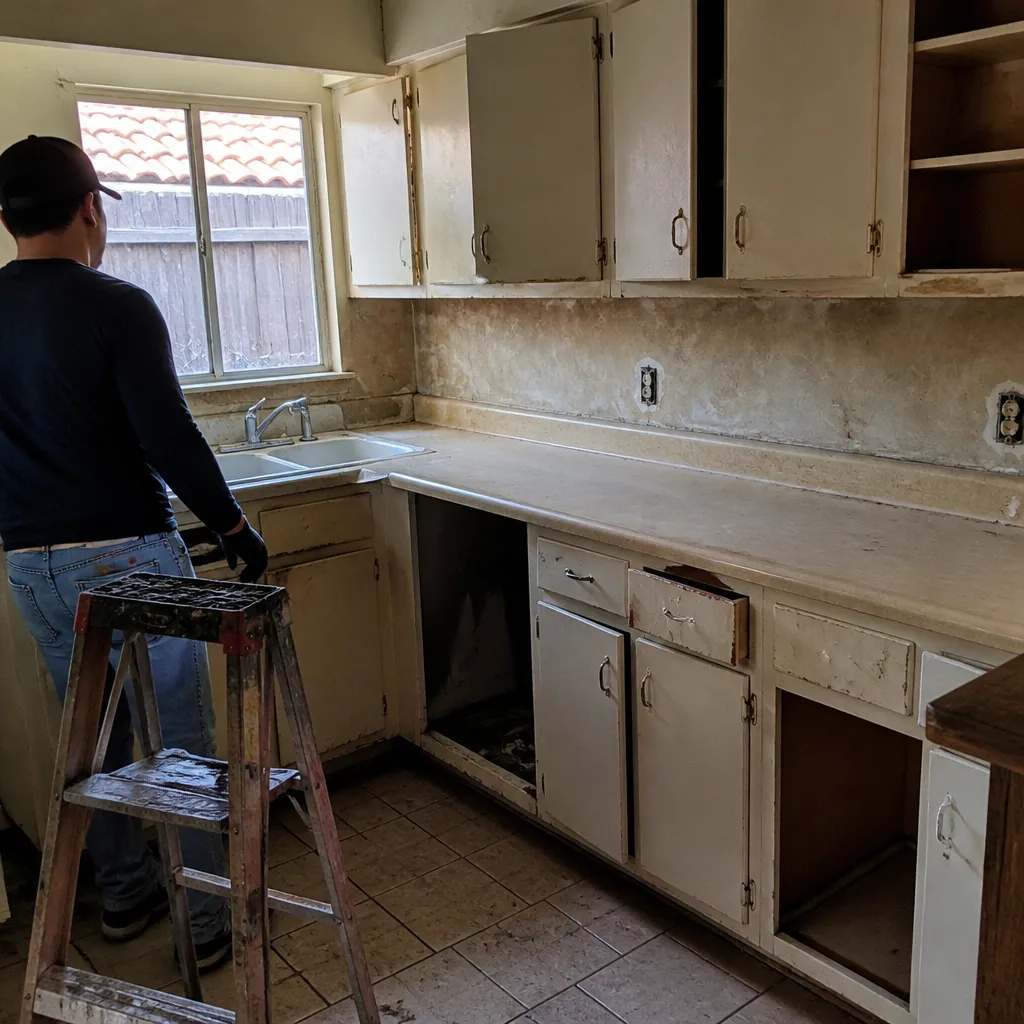 Before
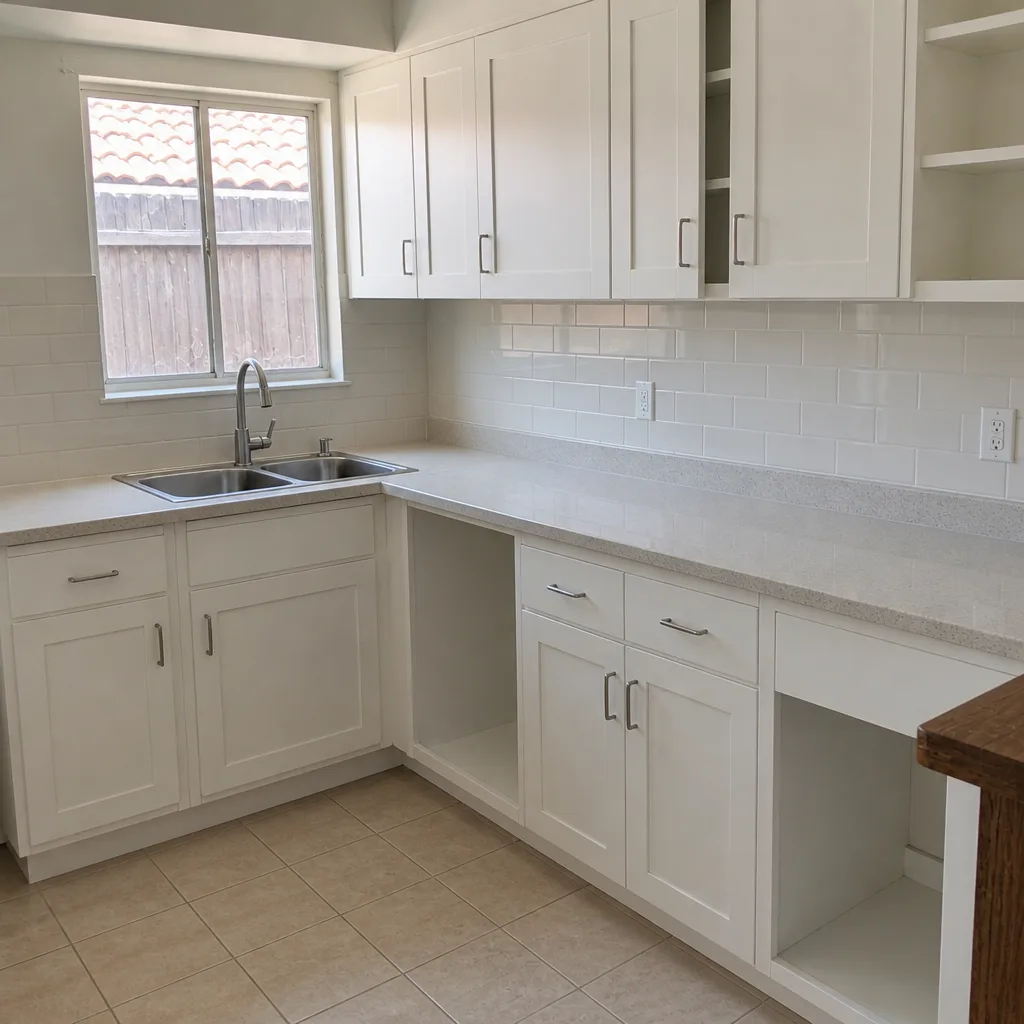 After
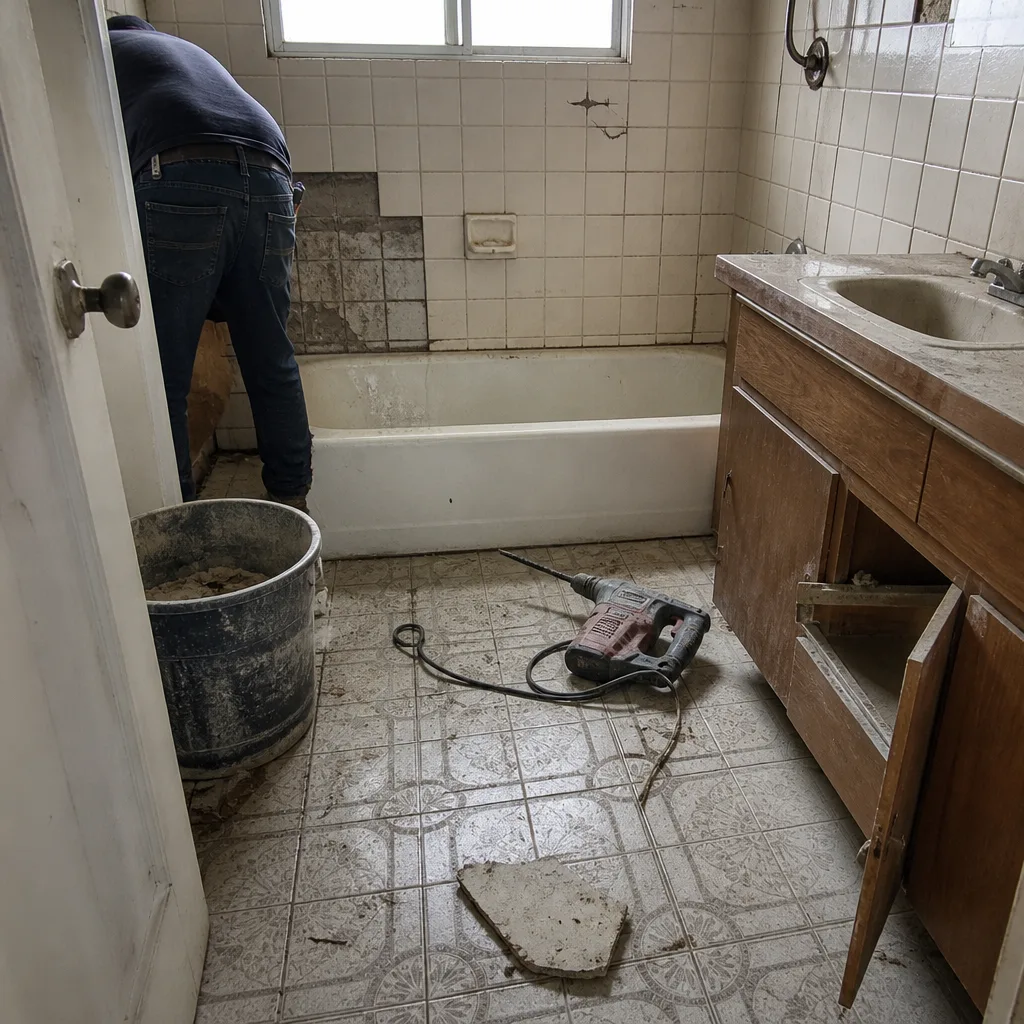 Before
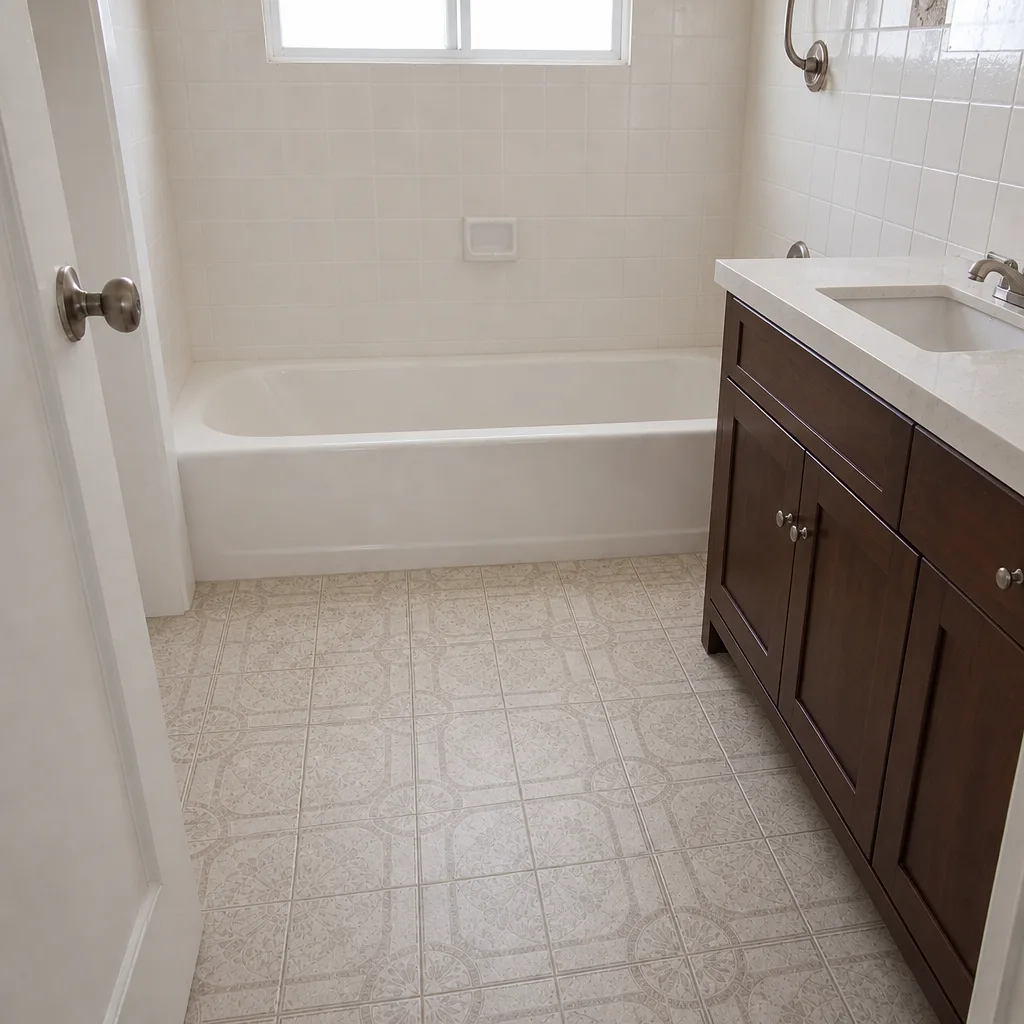 After
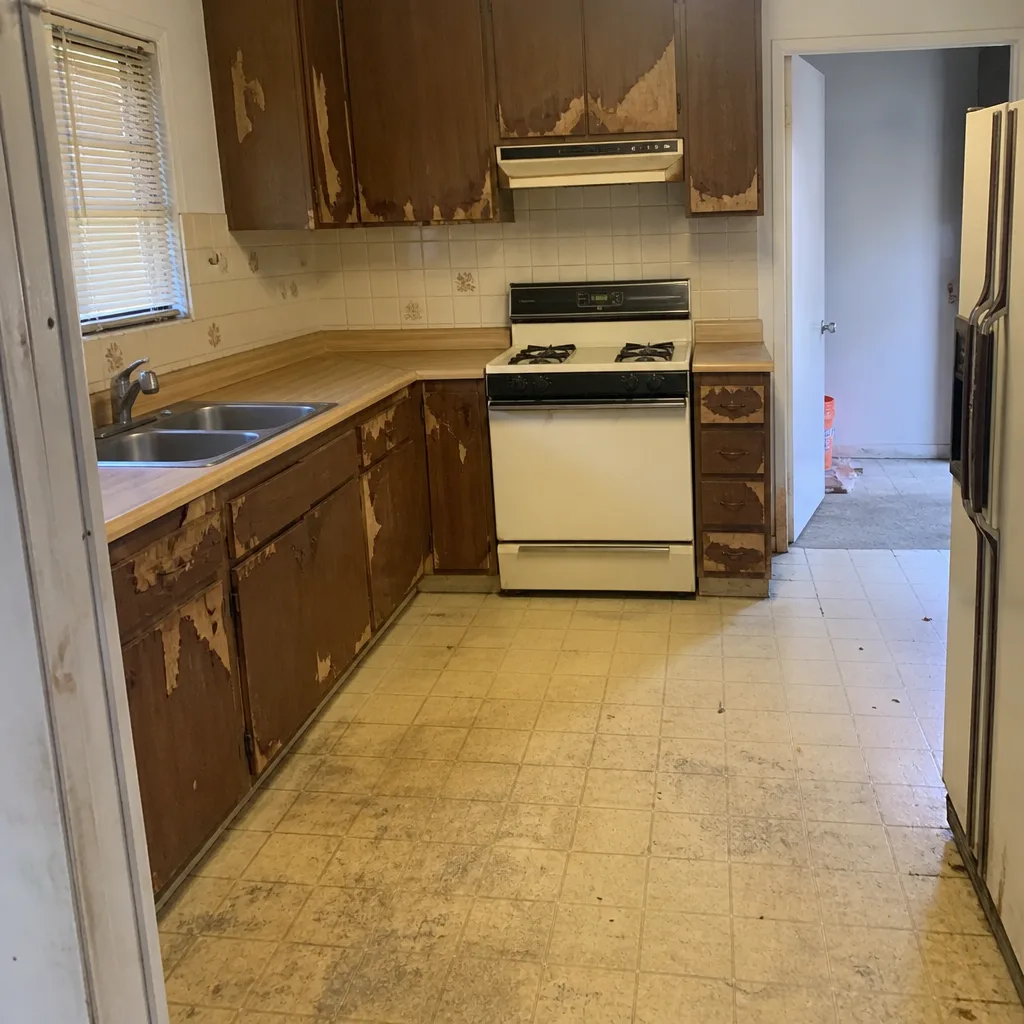 Before
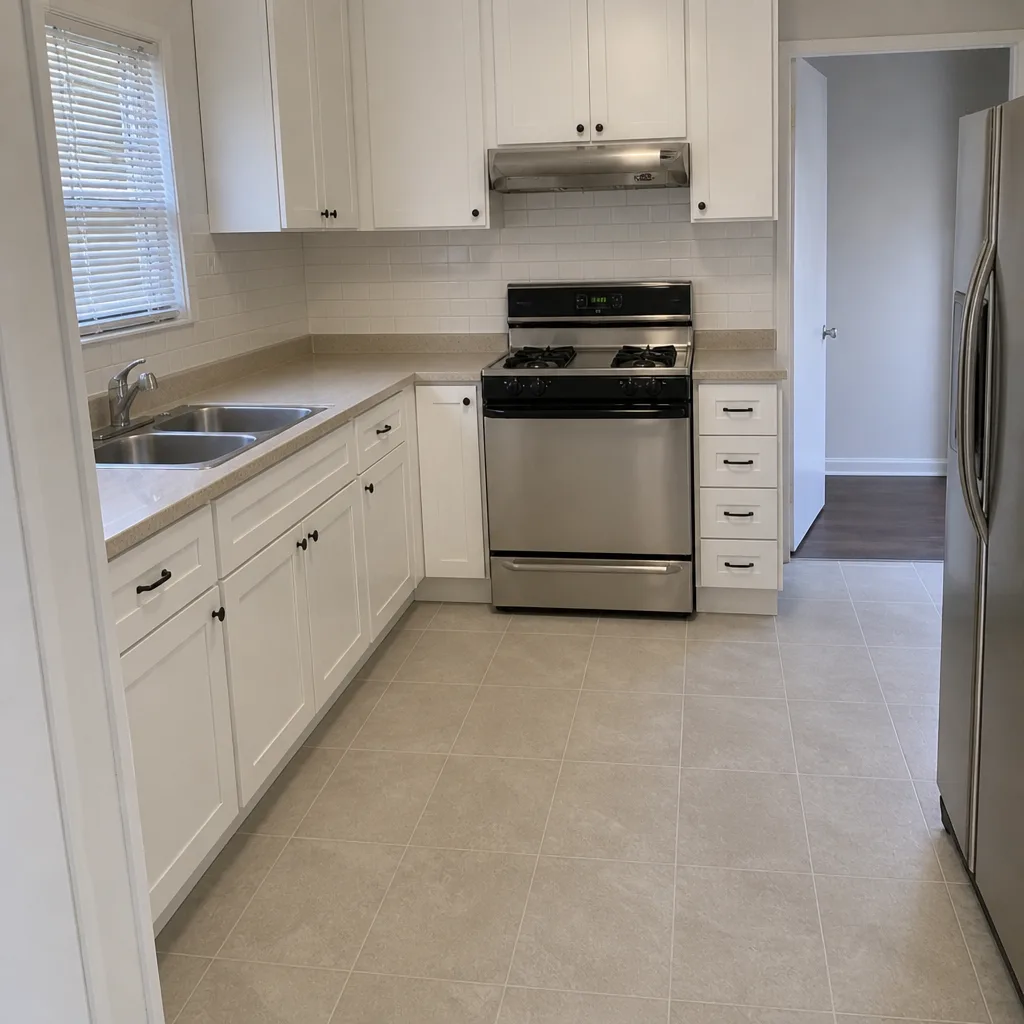 After
When to Call a Professional
Call a licensed general contractor when the job involves anything behind the finish line: moving plumbing, relocating a drain, adding a circuit for a heated floor or a fan, opening a wall, or pulling a permit. Those are the items that fail an inspection or, worse, fail silently a season later. In Anaheim, older housing stock makes a professional pre-demo inspection especially worthwhile – a galvanized line that’s been fine for decades can give up under the pressure of new fixtures. A bathroom is also a moisture-heavy room, and waterproofing mistakes don’t show up until the wood rot is already there. If the job is a paint-and-vanity-level refresh, a good handyman can handle it. If it’s a partial or full gut, get a general contractor with a written price and a written guarantee. Penhallow Remodeling Anaheim offers free estimates in Anaheim – call (844) 320-2908 to schedule one, and you’ll get a written price before any work starts.
Frequently Asked Questions
A cosmetic refresh takes 3 to 5 working days, a partial gut 2 to 3 weeks, and a full gut with a layout change 4 to 6 weeks in Anaheim, with permit pull time included in the latter two. The biggest schedule swing is material lead times – tile and vanity orders can add weeks if they aren’t locked in before demo. Call (844) 320-2908 to talk through your scope and get a timeline in writing.
You need a permit in Anaheim any time the work moves plumbing, electrical or a structural element – which is almost always the case on a full gut or a layout change. Finish-only work such as paint, new fixtures and new tile over an unchanged layout often doesn’t require one. Ask the contractor explicitly which tier your job falls into and how many days they’ve budgeted for plan review. Call (844) 320-2908 and we’ll walk through your specific plan.
Remodels run over the original estimate most often because material lead times and scope changes weren’t in the written schedule. A tile that ships in five weeks, a vanity in a specific width, a “while we’re in there” plumbing swap discovered after demo – each adds time that a written phase schedule would have anticipated. A written price and a written schedule, given before work starts, are how you avoid the drift. Call (844) 320-2908 for a free estimate with both.
A cosmetic refresh typically runs a few thousand dollars, a partial gut sits in the mid-five figures, and a full gut with a layout change runs higher still, depending on fixture brands, tile type and whether plumbing relocates. The number that matters is the written one – a fixed price you can hold us to, not a verbal ballpark that changes after demo. Call (844) 320-2908 for a free in-home estimate with a written range.
Yes, in most cases, though the bathroom itself will be out of service during portions of the job. The shower is typically down from demo through tile cure and fixture install – roughly 10 to 14 days on a partial gut – so plan a backup bath and confirm which phase requires the toilet to come out. A written phase schedule lets you plan around those windows. Call (844) 320-2908 to talk through the living-disruption side of your job before you commit.
The 365-Day Done Right Promise covers the work for twelve months after completion, including the first-season issues that show up on bathrooms specifically – grout hairline cracks, caulk separating at the tub base, and door alignment that settles with use. If the work fails inside that window, we come back and fix it at no charge, with a free return visit if a repair fails. That promise is written into every project. Call (844) 320-2908 with any question about what’s covered.
The Bottom Line
Your bathroom schedule is mostly set before demolition starts, by the scope tier you choose and the three selection decisions you lock in at the estimate stage. A cosmetic refresh is a week; a partial gut is two to three; a full gut with a layout change is four to six, with Anaheim permit review folded into the latter two. What separates a manageable job from a hostage situation is paperwork: a written price before work starts, a written phase schedule with real arrival windows, and a written guarantee that covers the first season of use. That’s the standard we hold to at Penhallow Remodeling Anaheim, and it’s how a bathroom remodel becomes a project you can plan around rather than one that runs you.
Ready to put your project on a real calendar? Call (844) 320-2908 for a free estimate. A live person answers 24/7, and you’ll get a written price and a written schedule before anything moves. You can also start from our Penhallow Remodeling Anaheim home page, learn about our work as a General Contractor in Anaheim, and if your project is broader, our team can scope a Kitchen Remodeling in Anaheim alongside it. Every technician is background-checked and arrives in uniform, and every project comes with a written guarantee.
Written by the team at Penhallow Remodeling Anaheim.