Last updated November 18, 2026



Free written scope consultation - allowances, timeline, and change-order rules on paper before a single trade is scheduled
How Long Does General Contractor Take? Timelines and What to Expect
Most homeowners in Anaheim set a move-back-in date based on a number a contractor said out loud in the kitchen: “six weeks.” That number almost never includes the weeks before a single tool is picked up. Permits, plan review, and cabinet lead times all run on their own clocks, and in Orange County those clocks can add four to eight weeks to a project before demolition even begins. This guide breaks down the four real phases of a remodel, how Anaheim’s permit timelines actually work, and how to build a written schedule you can hold a contractor to.
Quick Answer
A typical kitchen remodel in Anaheim runs eight to sixteen weeks from signed contract to final walkthrough, and a bathroom runs four to eight weeks. Whole-home remodels commonly run five to nine months. The two factors that most often push those numbers past the estimate are Anaheim Building & Safety permit review and special-order material lead times, not labor speed.
Styles & brands we work with
- Kitchen remodeling
- Bathroom remodeling
- Home additions & ADU
- Roofing
- Windows & doors
- Driveway & pavers
- Fence
Table of Contents
- The Four Phases Every Remodel Actually Has
- How Anaheim Permit Timelines Work
- Material Lead Times by Category
- Timelines by Project Type
- Legitimate Delays vs. Warning Signs
- How to Build a Written Schedule
- Common Mistakes to Avoid
- Frequently Asked Questions
The Four Phases Every Remodel Actually Has
When a contractor says “eight weeks,” they’re usually talking about construction. That’s one of four phases, and it’s the only one most homeowners plan for. The other three are where schedules slip.
- Pre-construction (one to three weeks). Design, selections, and the written contract. This is where you lock cabinet lines, countertop material, tile, and fixture models. Every selection made here removes a delay later.
- Permit phase (two to six weeks, sometimes more). Plan review by Anaheim’s Building Division, plus any HOA approval if you’re in a planned community. No work starts until the permit is issued.
- Rough work (two to four weeks for a kitchen, one to two for a bath). Demolition, framing, electrical, plumbing, and mechanical rough-in, followed by the rough inspection. This is where unexpected conditions surface.
- Finish work (three to six weeks). Drywall, tile, cabinets, countertops, paint, trim, and fixtures. This phase depends entirely on materials being on site when the crew needs them.
The phase homeowners almost never budget for is pre-construction. Making cabinet and countertop decisions in week one instead of week five is the single biggest lever you control over the total calendar. We’ve watched a three-week decision delay translate into a six-week schedule slip because the cabinet order queued behind it.
How Anaheim Permit Timelines Work
Anaheim’s Building & Safety Division reviews residential permits through two paths: over-the-counter for straightforward work, and full plan check for larger projects. The path your project takes changes the timeline significantly.
- Over-the-counter review: Simple bathroom remodels and minor kitchen work that doesn’t move walls often qualify. Same-day or a few days, depending on how complete the submittal is.
- Standard plan check: Structural changes, wall removal, additions, and ADUs typically require full plan review. In Anaheim, this commonly runs two to four weeks on a clean submittal and stretches longer when corrections are issued.
- ADU review: Accessory dwelling units go through a dedicated review track. Budget four to eight weeks from submittal to permit issuance. State law has streamlined the process, but the review still takes time.
- HOA approval: If you’re in a planned community, add one to three weeks for architectural committee sign-off before you can even submit to the city.
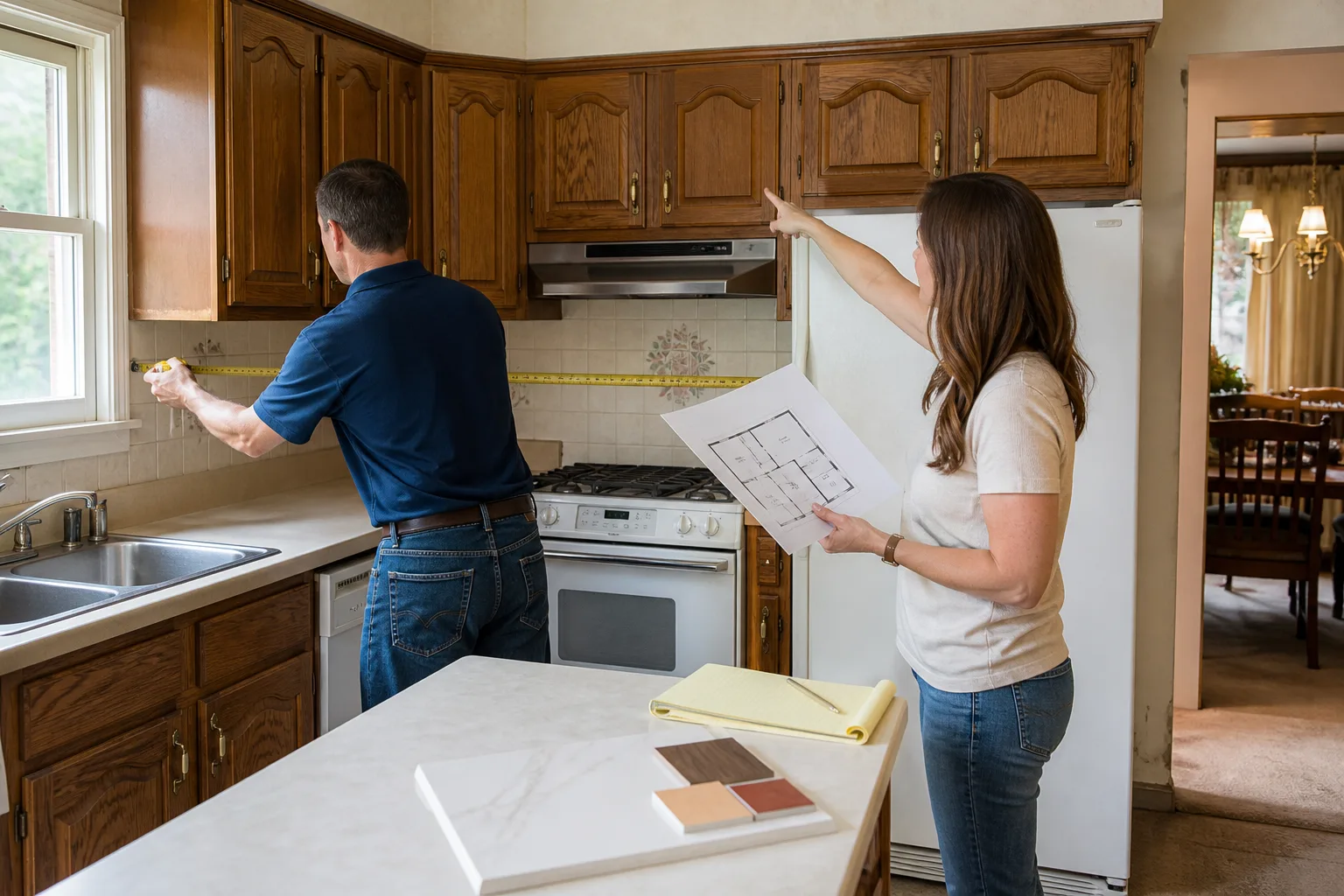
The common trap: a contractor quotes “six weeks” for a wall-removal kitchen, but six weeks is the construction calendar. It doesn’t include the three weeks of plan check. If you’re planning a project in Anaheim, ask the contractor to name the permit path in the written estimate. A contractor who can tell you whether your job qualifies for over-the-counter review knows the local process. That detail is one reason we put everything in writing before work starts. See how our Penhallow Remodeling Anaheim home team approaches the pre-construction phase.
Material Lead Times by Category
Material lead times are the other variable that national average timelines ignore. Here’s what we’re seeing in the current Anaheim market, by category.
- Stock cabinets: Two to four weeks. KraftMaid and Wellborn stock lines move faster than most homeowners expect, provided the door style and finish are in the catalog.
- Semi-custom cabinets: Five to nine weeks. This is the most common kitchen bottleneck. Order before demo, not after.
- Custom cabinets: Ten to sixteen weeks. For a custom kitchen, cabinet order must go in during pre-construction, full stop.
- Cambria and other quartz countertops: Two to four weeks from template to install. Template happens after cabinets are set, so countertops are a mid-project item, not a pre-demo one.
- Special-order tile: Two to six weeks. In-stock tile is available immediately. Anything imported or dye-lot-specific has a lead time, and reorders can fail to match.
- Plumbing and lighting fixtures: One to four weeks. Kohler and Moen stock items are quick; special finishes are not.
- James Hardie siding: Generally one to three weeks for standard profiles.
The rule that prevents most of this pain: cabinets, tile, and fixtures are ordered before demolition. A contractor who wants to “see what’s behind the wall first” before ordering cabinets is a contractor who will extend your schedule by a month.
Timelines by Project Type
Here’s a practical table of contractor timelines in Anaheim, including the phases most verbal estimates skip. These are working ranges, not promises, because every home is different.
- Bathroom remodel: 4 – 8 weeks total. Pre-construction 1 week, permit 1 – 3 weeks (often over-the-counter), construction 3 – 5 weeks.
- Kitchen remodel (no wall changes): 8 – 12 weeks total. Pre-construction 2 weeks, permit 1 – 3 weeks, construction 6 – 8 weeks.
- Kitchen remodel (wall removal or structural change): 10 – 16 weeks total. Plan check adds 2 – 4 weeks.
- Whole-home remodel: 5 – 9 months. Multiple permits, phased inspections, and long finish schedules.
- ADU: 6 – 12 months. Plan check 4 – 8 weeks, construction 5 – 9 months depending on scope.
For a more detailed breakdown of kitchen-specific timelines, our guide to Kitchen Remodeling in Anaheim walks through the week-by-week sequence. If you’re comparing scope and cost at the same time, that page covers it. Anaheim’s older neighborhoods, particularly the ones with homes built in the 1950s and 1960s, sometimes turn up galvanized plumbing or aluminum wiring during rough work. Those discoveries add days, not weeks, but only if the schedule has a buffer for them.
Legitimate Delays vs. Warning Signs
Some delays are real. Others are a sign the contractor is spreading your job thin to cover other projects or manage cash flow. Knowing the difference matters when your schedule slips.
Legitimate reasons for extension:
- A permit correction is issued and requires a resubmittal (common on structural work).
- Concealed conditions: water damage behind tile, an undersized electrical panel, or a non-permitted addition discovered during demo.
- Material backorder on a special-order item, communicated to you in writing with a new date.
- Inspection scheduling delays that the contractor has no control over.
Warning signs of a stretched job:
- The crew disappears for several days at a time with no explanation and no notice.
- The contractor asks for additional money mid-project without a written change order describing the work.
- Material deliveries are repeatedly “on the way” without a tracking number or a revised date.
- You’re asked to pay for the next phase before the current one is finished and inspected.
- The schedule is verbal only, and there’s no document you can point to when dates slip.
The clearest signal is whether the contractor puts the schedule and the price in writing before work starts. A written number and a written schedule are two different documents that work together. That’s the standard we hold ourselves to on every job: say the price before the work, and show up in the window we gave.
How to Build a Written Schedule With Milestone Dates
A written schedule is the single best protection against a slippery timeline. Here’s how to structure one with your contractor before signing.
- List every phase with a start and end date. Pre-construction, permit submittal, permit issuance, demolition, rough-in, rough inspection, drywall, finish, final inspection.
- Name the milestone dates in the contract. “Rough inspection passed by [date]” is a milestone. “Rough work ongoing” is not.
- Attach the order dates for cabinets, tile, and fixtures. These should be pinned to specific dates before demo begins.
- Define what happens if a milestone is missed. Spell out who is responsible if the contractor’s crew causes the delay, and who is responsible if the homeowner’s selections are late.
- Include a weather or special-inspection clause if relevant. Interior remodels rarely need one, but exterior work and ADUs might.
- Require written change orders for any scope change. A change order should describe the new work, the new price, and the schedule impact.
We recommend a simple penalty and credit structure: if the contractor misses a milestone through no fault of the homeowner or permitting authority, the contractor covers reasonable hotel or storage costs. If the homeowner causes the delay by changing selections, they absorb the impact. A fair contract cuts both ways, and putting it in writing removes the argument before it starts.
If you’re planning a bathroom remodel and want to see how we structure timelines on a smaller project, our Bathroom Remodeling in Anaheim page walks through the phased approach.
Common Mistakes to Avoid
- Setting a move-in date before the permit is issued. Permit issuance is not guaranteed on a specific day. Build in at least two weeks of buffer.
- Making cabinet selections after demo. Cabinet lead times alone can add four to eight weeks. Lock selections before demo, not after.
- Comparing contractor estimates that don’t include the same phases. One estimate may include permit and pre-construction, another may not. Compare like for like. The line items matter more than the bottom number.
- Not checking whether the project needs full plan check or over-the-counter review. The permit path drives weeks. Ask your contractor which one applies before signing.
- Ordering special-order tile at the last minute. Dye lots and backorders can add weeks and you can’t easily match the original. Order tile with the cabinets.
- Paying for the next phase before the current inspection passes. That’s how projects lose leverage and inspections slip.
- Ignoring the disclosure that your Anaheim home is subject to HOA architectural review. In planned communities, HOA review can add one to three weeks before city submittal.
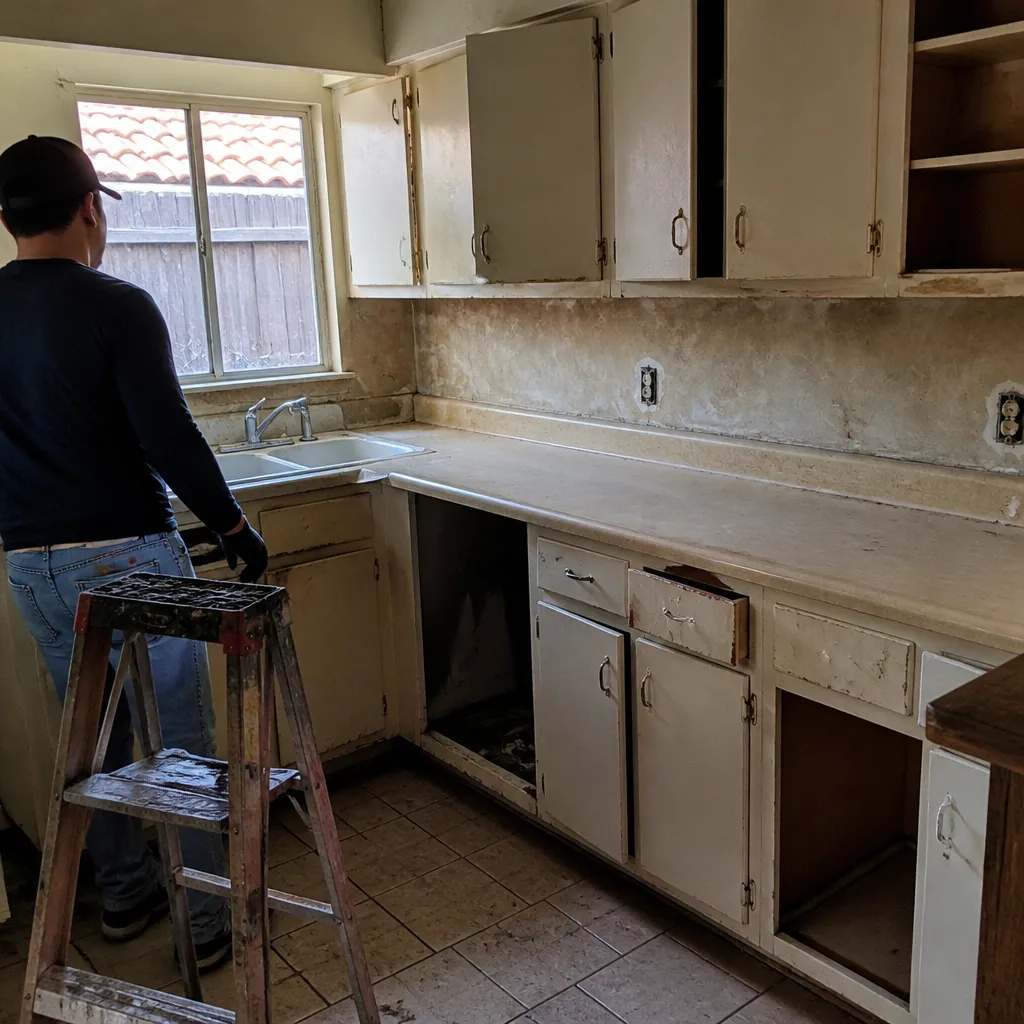
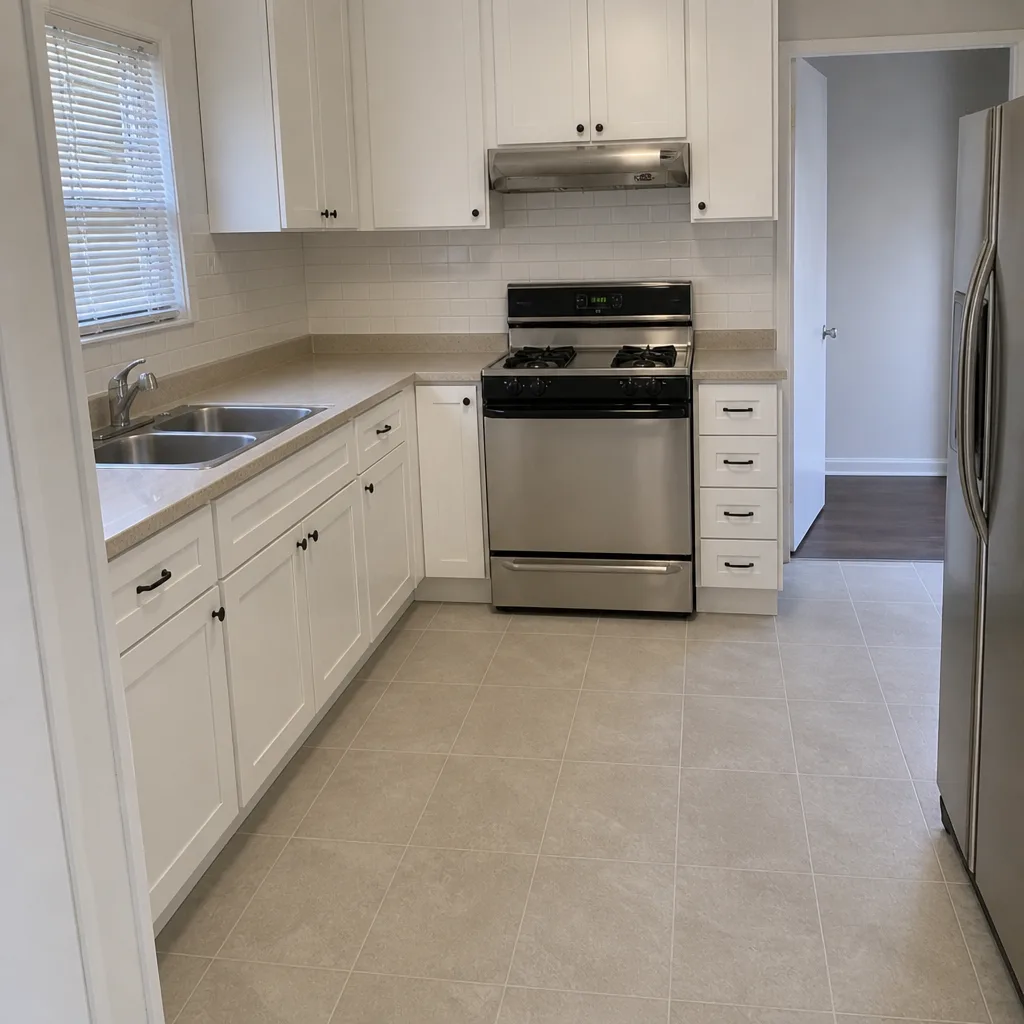
See the difference
 Before
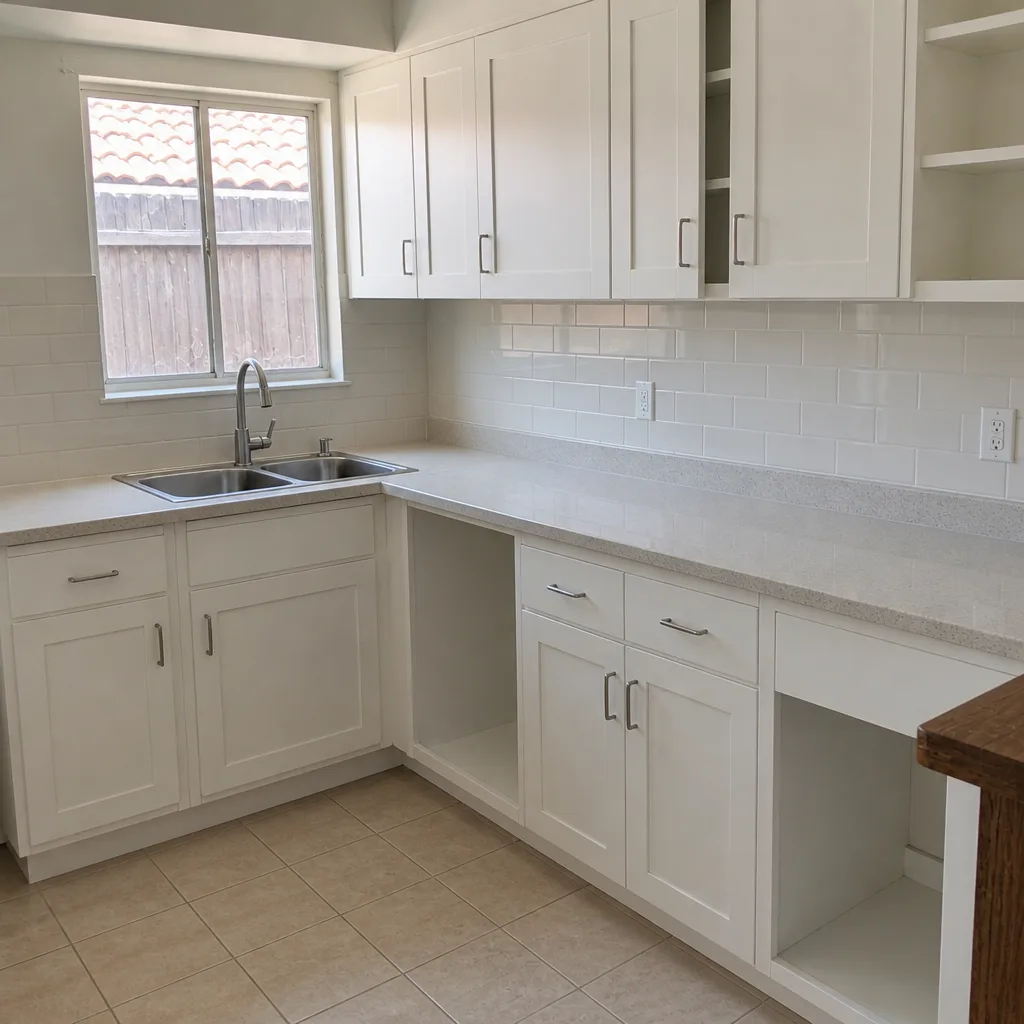 After
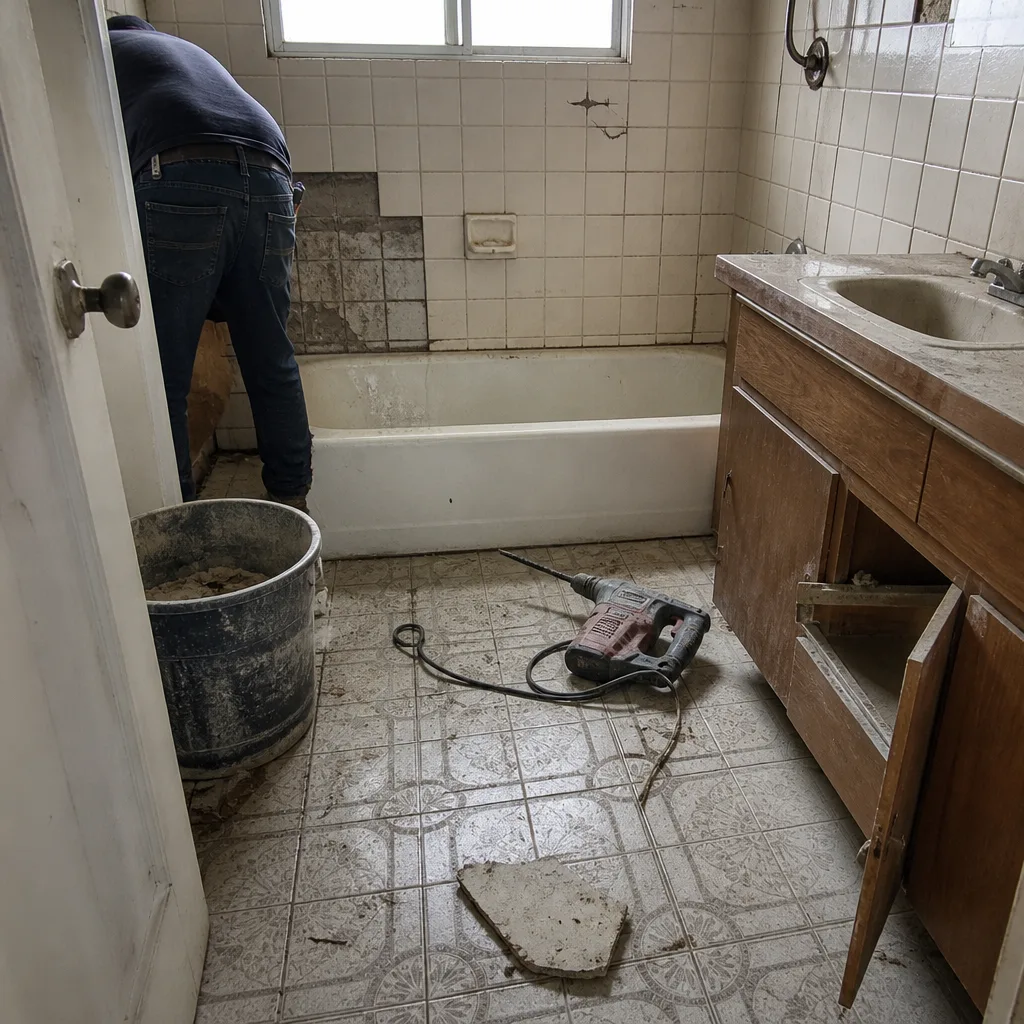 Before
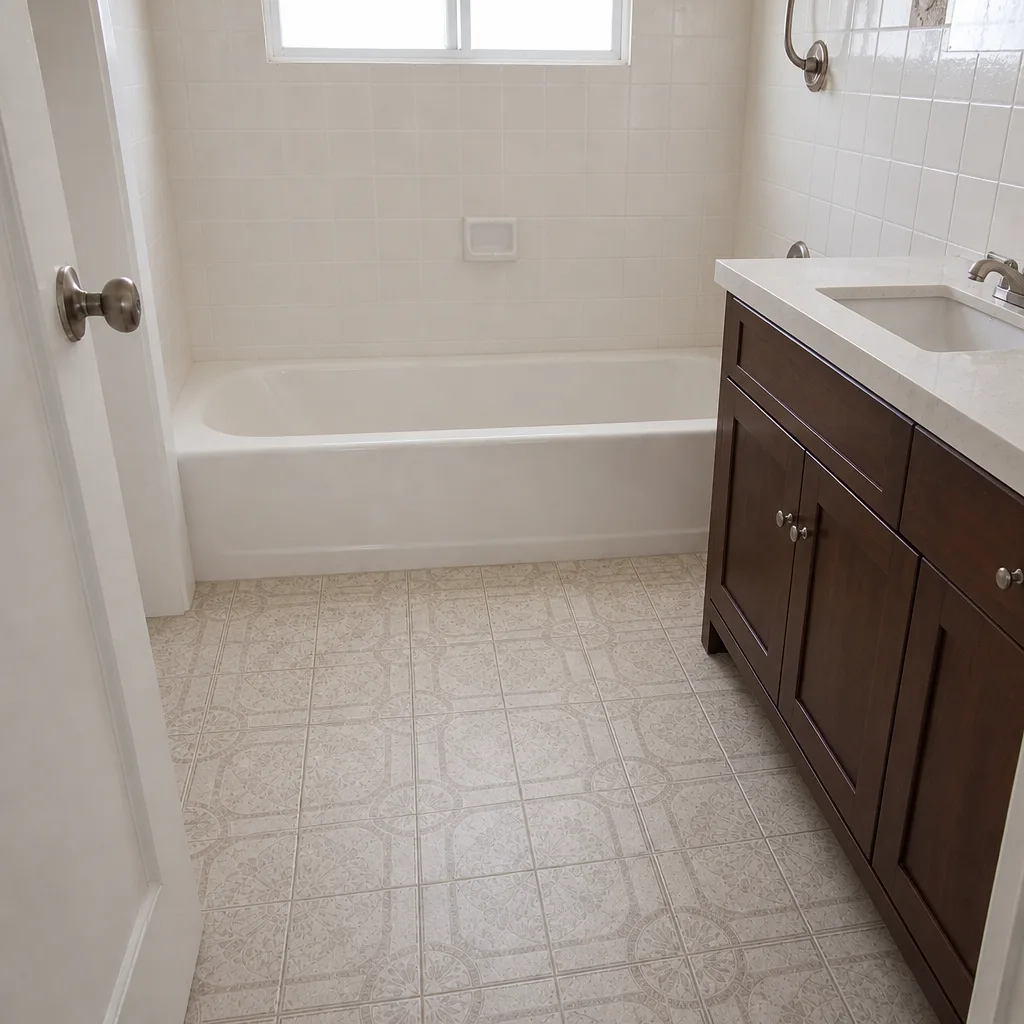 After
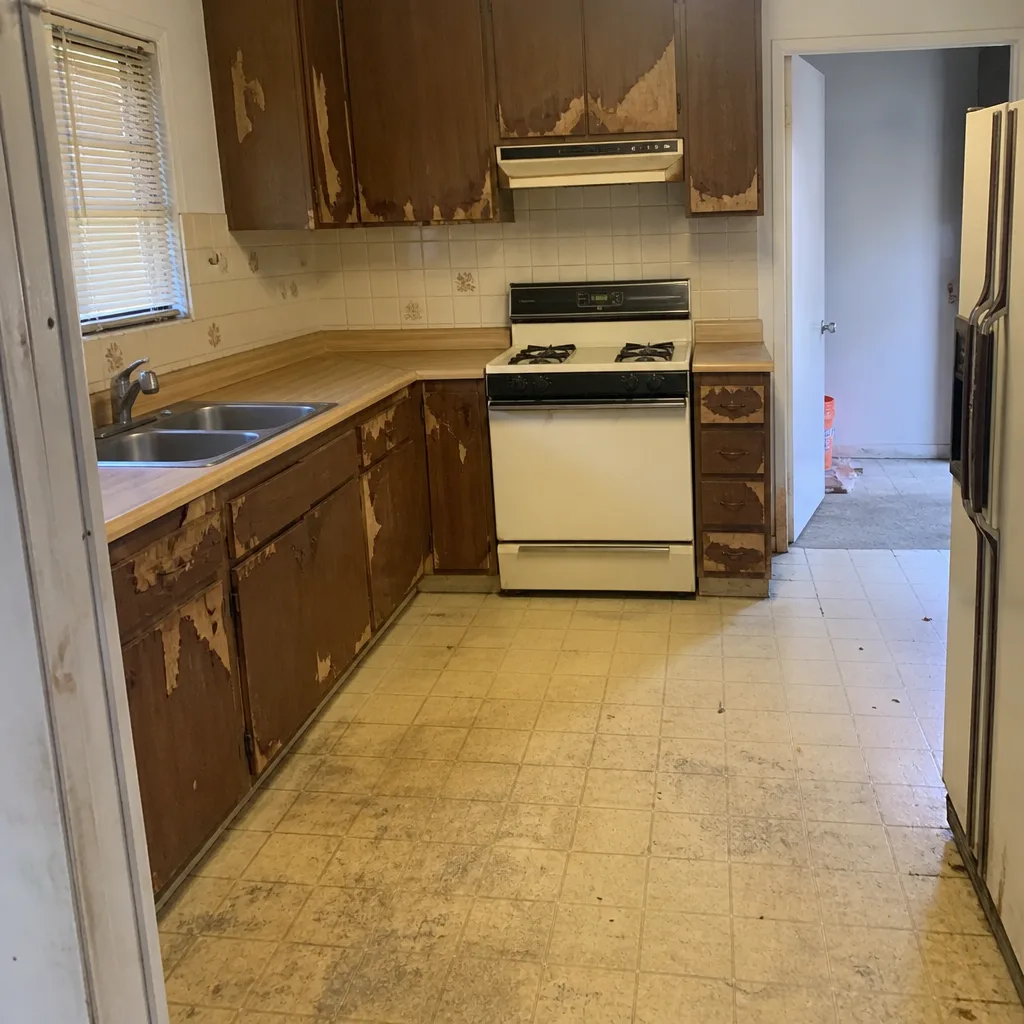 Before
 After
When to Call a Professional
Some projects are genuinely beyond the scope of a homeowner with a weekend and a truck. Wall removal, electrical panel upgrades, any plumbing relocation, and anything that touches structural framing all need a licensed general contractor and a permit. If a contractor offers to skip the permit to “save you time,” walk away. Unpermitted work can be flagged at resale and cost tens of thousands to correct. The same applies to any project where a hidden condition (water damage, older wiring, or undersized framing) is already suspected. Get a professional eyes-on assessment before you start buying materials. Penhallow Remodeling Anaheim offers free estimates in Anaheim. Call (844) 320-2908 to schedule yours.
Frequently Asked Questions
A kitchen remodel in Anaheim typically takes eight to sixteen weeks from signed contract to final walkthrough, and a bathroom takes four to eight weeks. Whole-home remodels run five to nine months. The range is wide because permit review and material lead times vary more between jobs than construction labor does. Call (844) 320-2908 for a written timeline tied to your project scope, and estimates are free.
Anaheim permits add roughly two to six weeks on most residential projects, though over-the-counter bathroom work can be days and full plan check for structural or ADU projects can stretch longer. The permit phase runs before construction begins, so it adds to the total calendar, not to the construction schedule. That’s the number most verbal estimates leave out. For a precise estimate, call us – we’ll walk through the permit path for your project.
Schedules slip most often because cabinets or countertops aren’t ordered until after demolition. Cabinet lead times run from two weeks for stock to sixteen weeks for custom. When a homeowner’s selection timeline slips past the demo date, the finish phase comes to a halt. The fix is simple: order before demo. We build the order dates into the written schedule and discuss the timeline with every homeowner at the free estimate.
It shouldn’t. A written estimate with line-item pricing and a written schedule protect you from surprises. Mid-project changes belong in a written change order that names the work, the price, and the schedule impact. If a contractor can’t commit to a written price before demo, that’s the moment to ask why. Estimates are free – call (844) 320-2908.
Yes, by compressing pre-construction. If you make all cabinet, countertop, tile, and fixture selections in the first two weeks, you’ll save weeks off the total calendar because cabinet orders can be placed before demo. Getting a permit application in early, and choosing stock over custom lines where it fits your design, both shorten the calendar meaningfully. We’ll show you where the schedule savings actually live.
Legitimate delays come with a written notice and a new date. Material backorders, concealed water damage, and permit corrections all fall in that category. Delays where the crew disappears for days and the contractor asks for money mid-phase without a change order are not legitimate. If you’re midway through a project and unsure, call us for a free second opinion on your schedule and contract.
The Bottom Line
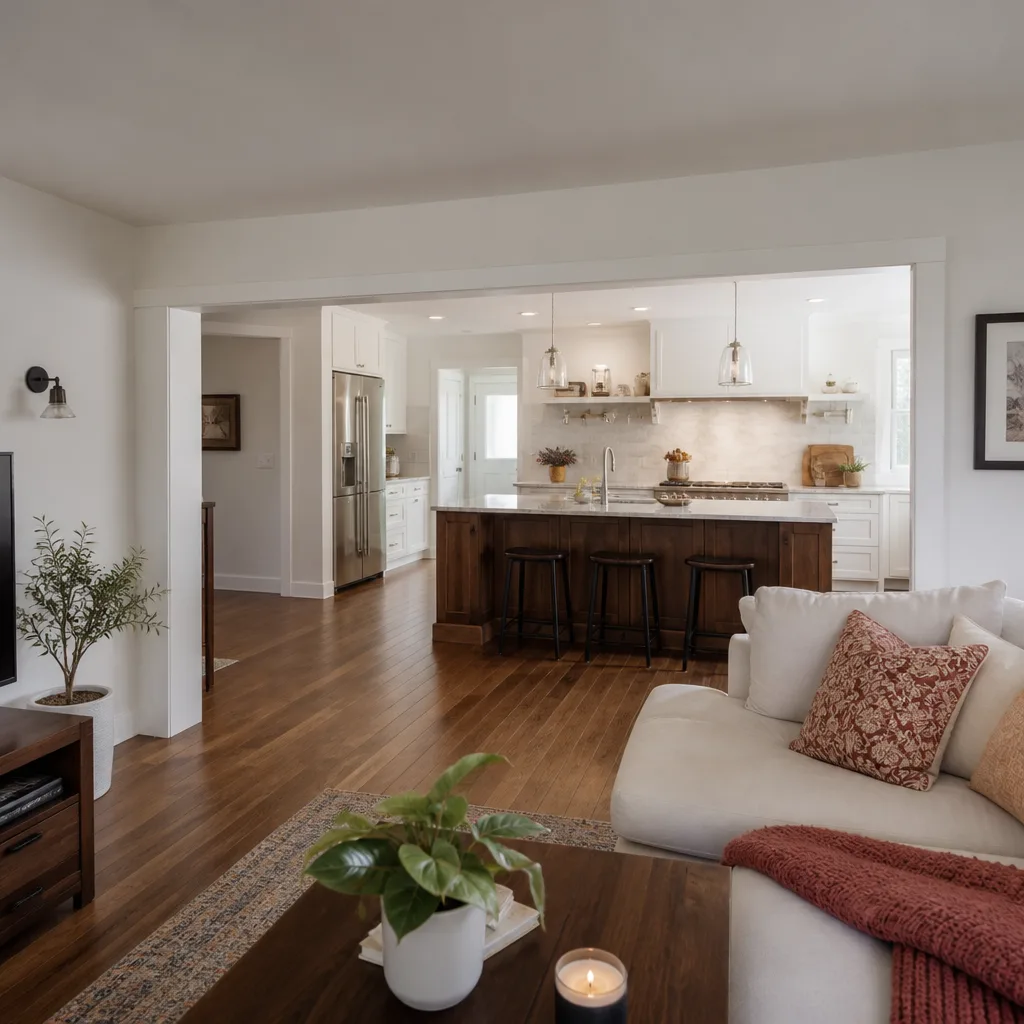
Contractor timelines in Anaheim slip because the schedule was never built around permit review and material lead times at the start. A kitchen that runs eight to sixteen weeks isn’t slow; it’s realistic. The phase homeowners don’t plan for is pre-construction, and the decision they most often make too late is cabinet selection. If you insist on three things in writing – a written price, a written schedule with milestone dates, and order dates pinned to demo – you’ll sidestep most of what goes wrong. Penhallow Remodeling backs every project with a 365-Day Done Right Promise, a written price before work starts, background-checked uniformed technicians, and a live person answering the phone 24/7. See our General Contractor in Anaheim page for the full overview of how we run projects. When you’re ready to price your project, call (844) 320-2908 for a free estimate – we’ll put the timeline in writing alongside the number, so neither one surprises you later.
Written by the team at Penhallow Remodeling Anaheim.