Last updated November 18, 2026




Free written scope consultation - allowances, timeline, and change-order rules on paper before a single trade is scheduled
Kitchen Remodeling Warning Signs Every Homeowner Should Know
A contractor who won’t give you a written price before demo day has already told you everything you need to know about how the rest of the job will go. Most homeowners spend the build sweating details like sloppy caulk and crooked tile lines, but those are finish-stage symptoms of problems that started at the contract stage. The homeowner who learns to read the warning signs on paper never reaches the tile problems at all. Below we’ve put together the red flags we’re asked about most often in Anaheim, what they actually mean, and the three questions to ask before you sign anything.
Styles & brands we work with
- Kitchen remodeling
- Bathroom remodeling
- Home additions & ADU
- Roofing
- Windows & doors
- Driveway & pavers
- Fence
Quick Answer
The biggest kitchen remodeling red flags are no written price before work starts, no written schedule with milestone dates, no written warranty that states what it covers and for how long, and an undisclosed scope change that magically appears mid-demo. If the number on day one isn’t a written number you can hold the contractor to, assume it will change. Everything else, including crooked tile and cracked grout, tends to follow.
Key Takeaways
- The dangerous warning signs show up on the contract, not in the tile.
- A written price, a written schedule, and a written warranty are non-negotiable.
- Mid-demo “surprises” that cost exactly what your contingency budget was are a warning, not bad luck.
- You have the right to know who the electricians and plumbers are on your job.
Table of Contents
- The Three Contract-Stage Red Flags That Predict Everything Else
- Warning Sign #1: No Written Price Before Demo Day
- Warning Sign #2: No Written Schedule
- Warning Sign #3: No Written Warranty With Specific Terms
- The Mid-Demo Warning Sign: Undisclosed Scope Changes
- Legitimate Unforeseen Conditions vs. Manufactured Ones
- The Subcontractor Disclosure Problem
- Three Questions to Ask Before Signing Any Kitchen Remodel Contract
- Common Mistakes to Avoid
- When to Call a Professional
- Frequently Asked Questions
- The Bottom Line
The Three Contract-Stage Red Flags That Predict Everything Else
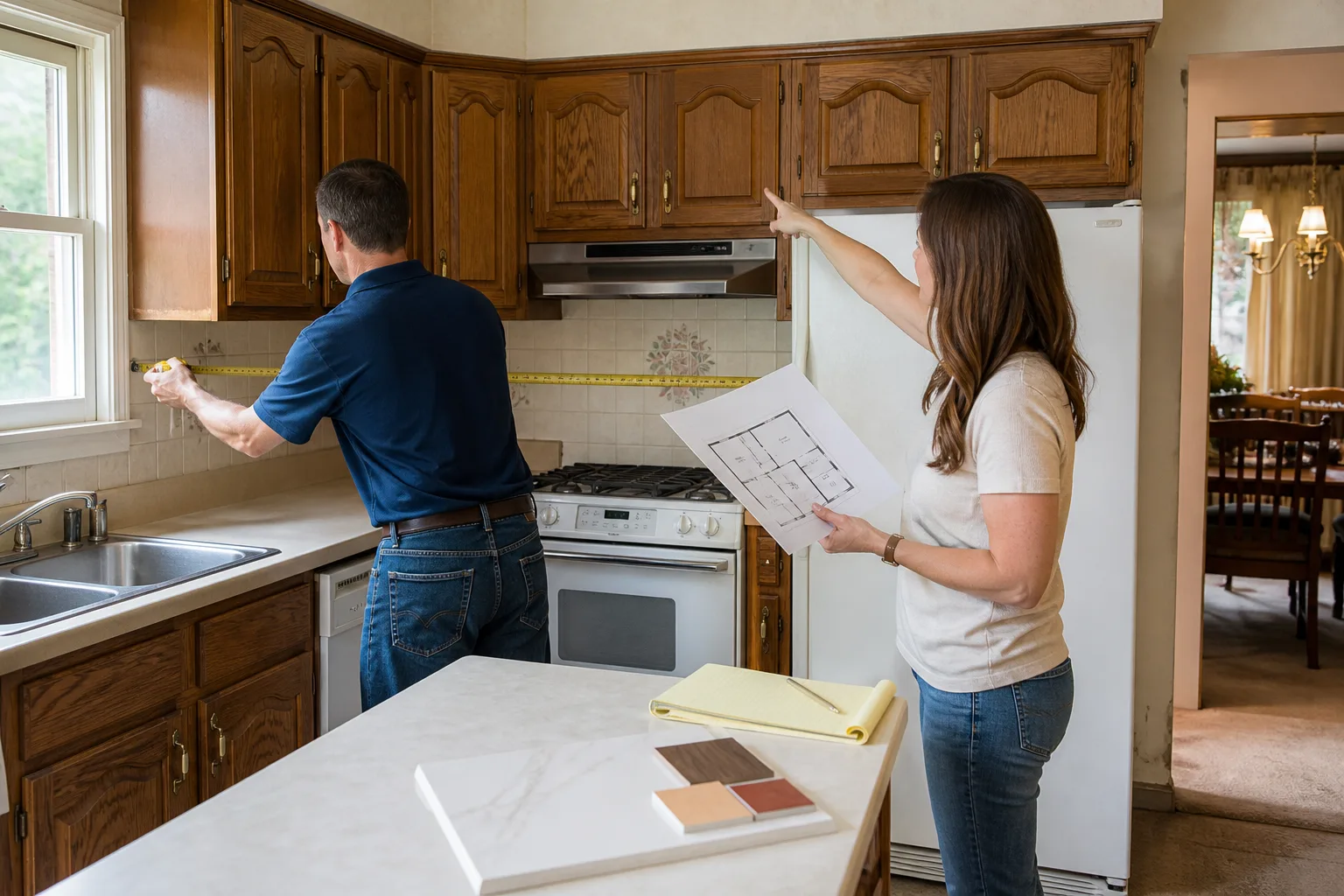
When we walk into an Anaheim kitchen for a free estimate, we can usually tell within fifteen minutes whether the homeowner has already been burned once. The clues aren’t in the existing kitchen. They’re in the questions the homeowner asks. Somebody who’s been through a bad job asks about the written price before we’ve even measured the counter. Somebody who hasn’t asks about backsplash colors.
Both are fair questions. But the color conversation only matters if the job actually finishes on the number it was quoted on, on the date it was promised, and with a warranty that covers what happens if something fails a month later. Those three things either exist in writing before the first cabinet comes out, or they don’t.
The contract-stage red flags we see most often in Anaheim:
- No written price. The contractor gives you a verbal range, a ballpark, or “around $30,000 depending on what comes up.” That last phrase is the tell. It means the price depends on whether they feel like changing it later.
- No written schedule. There’s no document telling you the demo starts March 4, cabinets arrive March 18, tile goes down April 2, appliances hook up April 12. Without dated milestones in writing, “we’ll be back next week” becomes a sentence with no expiry.
- No written warranty with terms. The contractor says “of course we guarantee our work” but there’s no document. Guaranteed how? For how long? What’s covered, and what’s excluded? If those questions don’t have written answers before the contract is signed, they almost never will.
We operate under The Kingswell Way, which sounds like plain sense until you’ve lived through a job without it: say the price before the work, show up in the window we gave, leave the place cleaner than we found it. The reason we can say those things as a standing commitment is that nothing in that sequence requires a homeowner to trust us. It requires a written number, a dated window, and a written guarantee. Anaheim is a competitive market for remodeling, and the contractors who survive decades in it are the ones who put all three on paper.
The homeowner who asks for all three things on the first visit doesn’t need to learn the rest of this guide the hard way. But if you’re mid-job or about to hire, read on – the warning signs get sharper from here.
Warning Sign #1: No Written Price Before Demo Day
If a contractor won’t give you a written price before the first cabinet comes out, assume you’ll get a different one after. The number after demo day is always higher, and the reason is always “unexpected.” We’ve heard that story hundreds of times from Anaheim homeowners who call after a bad job, and the pattern is almost identical: a verbal estimate, a friendly handshake, then a text message three days into demolition asking for another $9,000.
A written price is different from a verbal estimate in three specific ways. Every one of those three matters.
- It’s itemized. A written price lists cabinets, countertops, backsplash, flooring, labor, permits, and disposal as separate lines. A verbal estimate collapses everything into one number, which means when the number goes up, you can’t tell which line changed.
- It’s tied to a scope. A written price names the cabinet line, the countertop material, and the fixture brands. “Cambria quartz” costs a different amount than “quartz,” and the written price names which one you’re getting.
- It’s the number on the invoice. Not a range. Not a starting point. Not “if everything goes smoothly.” The number you signed is the number you pay, unless you personally approve a written change order and sign it in advance.
Kitchen remodels in Anaheim typically run $18,000 to $55,000 depending on layout, cabinet line, and countertop material. A galley kitchen with stock cabinets and laminate lands near the low end. A 200-square-foot open-concept rebuild with KraftMaid or Wellborn cabinetry and Cambria quartz lands near the top. If the contractor you’re talking to can’t put a specific number on the page for your specific kitchen, they haven’t done the estimating work yet. That’s a warning sign.
For what a written, itemized price actually looks like on a real Anaheim project, our Kitchen Remodeling in Anaheim page walks through the line items.
Warning Sign #2: No Written Schedule
A contractor who can’t put dates on paper before the job starts doesn’t intend to be held to them. That’s the honest version. A written schedule with milestone dates – demo start, rough-in inspection, cabinet delivery, countertop template, countertop install, tile finish, appliance hookup, punch list – is the single most useful document you can ask for besides the price. It lays out the timeline in a way you can measure against reality.
The reason a written schedule matters in Anaheim specifically is lead times. Cabinet lines like KraftMaid and Wellborn typically quote six to ten weeks from order to delivery. Cambria, Silestone, and Caesarstone counters are templated after the cabinets are set, then fabricated, then installed – usually another two to three weeks. Windows and doors, if you’re replacing the one that opens to the patio, can run four to eight weeks depending on which manufacturer you’re using. None of that is negotiable, and none of it is the kind of thing a contractor can improvise around once demo begins.
Without a written schedule, the homeowner absorbs all the risk of those lead times while the contractor improvises. Common symptoms:
- The kitchen sits in a half-finished state for weeks while “the cabinets are in transit.”
- Two trades show up on the same day and get in each other’s way, doubling the timeline.
- Countertop templates get taken before cabinets are fully leveled, which means the counter comes back the wrong size.
- The punch list gets done “sometime next week,” which turns into three months.
A written schedule with milestone dates tells you in advance when each of those phases lands. If the contractor says “we’ll figure that out as we go,” that’s a warning sign, not flexibility.
Warning Sign #3: No Written Warranty With Specific Terms
“Of course we guarantee our work” is not a warranty. It’s a sentence. A warranty is a document that states what’s covered, for how long, who pays if a covered item fails, and what the homeowner has to do to make a claim. If you can’t answer all four of those questions before you sign, you don’t have a warranty – you have a hope.
Under the Kingswell Guarantee, every job gets a written warranty, and the 365-Day Done Right Promise specifically commits us to return and fix anything that fails within the guarantee period at no charge. That’s not a marketing phrase. It’s a written commitment with a defined scope, and it’s covered in writing on every project. We also include a free return visit if a repair fails – no service call fee, no re-inspection charge. Those are the kinds of terms a good warranty names explicitly.
What a legitimate kitchen warranty usually covers:
- Workmanship – tile that cracks because it was set on uncured substrate, cabinet doors that come out of alignment because the hinges were hung wrong, grout that fails because it was applied before the thinset was dry.
- Materials – with the manufacturer’s own warranty layered on top. We install Cambria quartz, which carries its own lifetime warranty alongside ours. Kohler and Moen fixtures carry their warranties. The written guarantee we provide names what we cover; the product warranty names what the maker covers.
- Plumbing and electrical connections – assuming the general contractor’s guarantee extends to the trades they brought in. That’s covered in the next section.
What a warranty shouldn’t say: “as-is,” “no warranty expressed or implied,” or anything at all if there’s no written document to point to. If your contractor has nothing to point to, that’s the warning sign.
The Mid-Demo Warning Sign: Undisclosed Scope Changes
Exactly three days into demo, the contractor pulls you aside and says they found something unexpected. Behind the drywall, or under the old flooring, or behind the backsplash. It’s going to cost more. The amount is suspiciously close to whatever contingency budget you had set aside – maybe $4,000, maybe $6,000. Sometimes it’s more than that. This is the most expensive warning sign in the industry, and it’s also the one homeowners miss because it feels polite to say yes.
Legitimate unforeseen conditions exist. We’ve found them in Anaheim kitchens. Water damage behind a sink from a slow leak that went unnoticed for years. Old galvanized supply lines running through a wall that has to be opened anyway. Knob-and-tube wiring in a pre-1950 home near the Packing District that can’t pass inspection without replacement. These are real, and they’re expensive, and no honest contractor can predict them from a walkthrough.
What separates a real condition from a manufactured one comes down to how the contractor handles it:
- They show you the problem before covering it up. They take photos. They walk you to the opened wall. They explain what they’re seeing in plain terms: “this is a slow leak that’s been running for at least two years based on the staining pattern; the wood behind it is soft.”
- They give you a change order in writing before doing any of the additional work, with itemized cost and a revised schedule line.
- They let you get a second opinion if you want one. There’s no manufactured urgency – the wall isn’t going anywhere in the next 24 hours.
- The cost is proportionate. Replacing a length of soft stud and re-drywalling the area is not a $9,000 ticket. Replacing galvanized supply through an entire kitchen is. If the number seems disconnected from the visible scope, it usually is.
Manufactured “unforeseen” conditions tend to arrive mid-job with no photos, no itemized change order, and no allowance for a second opinion. That’s a warning sign, and it’s a big one. Our general contractor in Anaheim page goes into how we handle change orders on the jobs where they’re legitimately needed.
Legitimate Unforeseen Conditions vs. Manufactured Ones
Since the mid-demo warning sign is the most abused, it’s worth spending real space on what separates a legitimate unforeseen condition from a manufactured one. The distinction is almost always in the documentation, not the discovery.
A legitimate unforeseen condition gets photographed before it’s covered back up. This is basic professional practice. The substrate – the layer behind the finish, like the cement board under your tile or the plywood under your countertop – has to be visible and assessed before it’s resealed. Once drywall goes back on, nobody can tell whether the wall behind it was sound. A good contractor photographs the condition for the file, shows the picture to the homeowner, and explains what the photo means in plain terms before doing any remediation.
What this looks like in practice:
- Photos before covering. The open wall, the substrate, the damaged section, all documented on a phone before the drywall closes.
- An assessment in plain English. “The moisture reading on that stud is 28 percent; a dry stud in this room reads 8 percent. The wood needs to come out.”
- A written change order. Signed by you before work continues. Itemized. Tied to a new milestone in the schedule.
- A revised contingency balance. You know how much of your reserve is left after the change.
Manufactured conditions are the opposite. The discovery happens at the most expensive possible moment – usually right after demo, right before cabinets, right when the contractor’s cash flow is tightest. There are no photos. The explanation is vague (“there was some water damage back there”). The cost is large and unsupported. When we hear about a $12,000 “unexpected” condition in a kitchen that had a $6,000 contingency, the manufactured side is the likelier explanation.
The best defense is the written price. A contractor who quoted you an itemized number and committed to it in writing has less room to manufacture a change, because the line items already cover the surprises within reason. That’s the point of the written price – not just to protect you, but to protect the job from the contractor’s own cash-flow improvisation.
The Subcontractor Disclosure Problem
If electricians and plumbers are on your kitchen job, you should know who they are, whether they’re licensed, and whether the general contractor’s guarantee extends to their work. That last question is the one homeowners forget to ask, and it’s the one that matters most when something fails a year later. A kitchen remodel touches plumbing (sink, dishwasher, ice maker line) and electrical (outlets, GFCI, appliance circuits, under-cabinet lighting) on almost every job. Those trades are almost always subbed out. If your GC’s written warranty excludes “work performed by subcontractors,” you’ve just discovered that half your kitchen isn’t covered.
Under the Kingswell Guarantee, every project is covered by our written warranty on the whole scope of work, and our background-checked, uniformed technicians are held to the same professional standard whether they’re hanging cabinets or wiring outlets. When we bring licensed electricians and plumbers onto an Anaheim job, they’re on the schedule, they’re on the permit, and they’re covered by the guarantee.
What to ask before you sign:
- Who specifically will do the plumbing and electrical? Company name, license state, and whether they’re employees or 1099 subs. Vague answers here are a warning sign.
- Is their work covered by your written warranty? Not “they have their own warranty.” Covered by YOUR warranty, with the same terms as the rest of the job.
- Will their permits be pulled in their name on the same job file? In Anaheim, electrical and plumbing permits are typically pulled by the trade licensee, and they should be filed against the same project address with cross-references to the general permit.
These questions feel technical. They’re actually the difference between a warranty that covers your whole kitchen and a warranty that covers only the cabinets. Ask them before the contract is signed, not after the sub’s truck pulls up.
Three Questions to Ask Before Signing Any Kitchen Remodel Contract
If you ask only three questions before signing anything, ask these. We’ve built our business around being able to answer all three with a written document, and any contractor who can’t should be the one you walk away from.
- Is this price guaranteed in writing? Not a range. Not an estimate that “could change based on conditions.” A written number, itemized, that will be the number on the final invoice unless you personally approve a written change order. If the answer is yes, ask to see the specific clause in the contract that says so.
- What does the written warranty cover, and for how long? Ask for the warranty document before you sign the contract, not after. Read what’s covered, what’s excluded, and what the timeline is for a claim. Under the 365-Day Done Right Promise, we make it right if it wasn’t done right, in writing, on every project – and we’ll give you the document to read before you sign.
- Can I see a schedule with milestone dates before work starts? Not a start date. A full schedule – demo, rough-in inspection, cabinet delivery, countertop template, install, punch list – with dates attached to each. If they can’t produce it before you sign, they can’t be held to it later.
Three questions. About ten minutes of reading. Every warning sign in this guide becomes visible once you’ve asked them.
For a closer look at how we handle bathroom work under the same standard, our Bathroom Remodeling in Anaheim page walks through the parallels. If you want the wider picture on how we run a project, the Penhallow Remodeling Anaheim home page lays it out.
Common Mistakes to Avoid
- Accepting a verbal estimate because the contractor is likeable. Likeability is not a warranty. The friendly contractor who “doesn’t do contracts” is the one who disappears three weeks in.
- Paying a large deposit before the schedule exists. In Anaheim, a 10 to 20 percent deposit is standard; anything north of 30 percent before demo walks the line between a deposit and a risk. Don’t pay it without a written schedule attached.
- Letting the contractor “handle the permits” without confirmation. Anaheim requires permits for most kitchen work involving plumbing or electrical changes. Ask for the permit number before demo begins.
- Skipping the substrate photos. Ask the contractor to photograph the wall, floor, and counter substrate before covering them back up. This is not an unusual request – it’s a professional standard. If it feels like one to your contractor, that’s a warning sign.
- Assuming the warranty covers the sub’s work. Read the warranty document specifically for a clause on subcontractor coverage. If there isn’t one, ask which parts of the kitchen are covered and which are not.
- Letting a small contingency hide a big change. If the mid-demo change costs exactly what you set aside, ask for the itemized change order and a photo of the condition. Fifty percent of the time, that question alone ends the “surprise” before it gets billed.
- Choosing the cheapest bid. Our Anaheim remodeling page and the rest of this guide exist because the cheapest bid is almost always the highest final invoice. Cheap bids are built on the assumption that the change orders will recover the margin. The written price is what separates a bid from a bill.
When to Call a Professional
Some kitchen warning signs are worth calling a professional before signing anything. Specifically:
- The contractor won’t put a written price on paper.
- The schedule is verbal only, or “we’ll figure it out.”
- The warranty is a sentence, not a document.
- Subcontractors are unnamed and uncovered by the general warranty.
- A mid-demo “unexpected” condition arrives with no photos and no itemized change order.
These are the moments when a second opinion from a remodeller who operates on written numbers is worth more than the difference in the price of the job. Penhallow Remodeling Anaheim offers free estimates in Anaheim, and every project gets a written price, a written schedule, and a written guarantee before work starts. Call (844) 320-2908 to schedule a free estimate.
Frequently Asked Questions
Kitchen remodels in Anaheim typically run $18,000 to $55,000 depending on layout, cabinet line, and countertop material. A galley kitchen with stock cabinets and laminate countertops lands near the low end; an open-concept rebuild with KraftMaid or Wellborn cabinetry and Cambria quartz lands near the high end. Call (844) 320-2908 for an exact quote – estimates are free.
Only if you approve a written change order in advance. Under The Kingswell Way, the written price given before work starts is the number on the invoice, and the only thing that changes it is a change order you sign before the additional work begins. If a contractor tells you the price will “probably go up depending on what we find,” that’s a warning sign – not a guarantee of flexibility on their part. Call (844) 320-2908 for an exact quote.
Yes. Kitchen work in Anaheim involving plumbing or electrical changes typically requires permits, and the permits are pulled and filed against your project address. Electrical and plumbing permits are typically pulled by the licensed trade doing the work, and they should be filed against the same job file so the inspection encompasses the whole scope. If your contractor can’t name the permit numbers before demo, ask why. Call (844) 320-2908 for a free estimate.
A full kitchen remodel in Anaheim usually takes eight to fourteen weeks from demo to final punch list, with cabinet lead times typically running six to ten weeks and countertop fabrication another two to three weeks after template. The better question is how long each phase takes – a written schedule with milestone dates is what lets you measure that against reality. If a contractor says “six to eight weeks total,” ask to see the schedule that proves it. Call (844) 320-2908 to schedule your free estimate.
Get the current written documentation together – the contract, the payments made, the change orders (if any), and the schedule (if any) – and get a second opinion before additional money is spent. Most of the warning signs in this guide are easier to stop before demo than after, but they’re still worth raising in writing. In Anaheim, the California State License Board takes contractor complaints and can help you understand your options. Call (844) 320-2908 for a free second-opinion estimate.
If the work fails within the guarantee period, we come back and fix it at no charge, and it’s covered in writing on every project. The written warranty names what’s covered, the timeline for a claim, and the no-charge terms for the return visit. If the repair fails again, we come back at no cost to you – no service call fee, no re-inspection charge. Read the warranty document before you sign any contract, ours or anyone else’s. Call (844) 320-2908 for a free estimate.
The Bottom Line
The most expensive warning signs in a kitchen remodel aren’t the ones you can see in the finished tile. They’re the ones the contractor leaves out of the contract: no written price, no written schedule, no written warranty with specific terms. Learn to read those three before signing anything and you’ll never reach the tile problems. Kitchen remodels in Anaheim run $18,000 to $55,000 depending on scope, and every one of them should come with a number on paper, a dated schedule, and a written guarantee before demo. Penhallow Remodeling Anaheim operates under The Kingswell Way and stands behind every project with the 365-Day Done Right Promise. Call (844) 320-2908 for a free estimate.
Written by the team at Penhallow Remodeling Anaheim.
See the difference
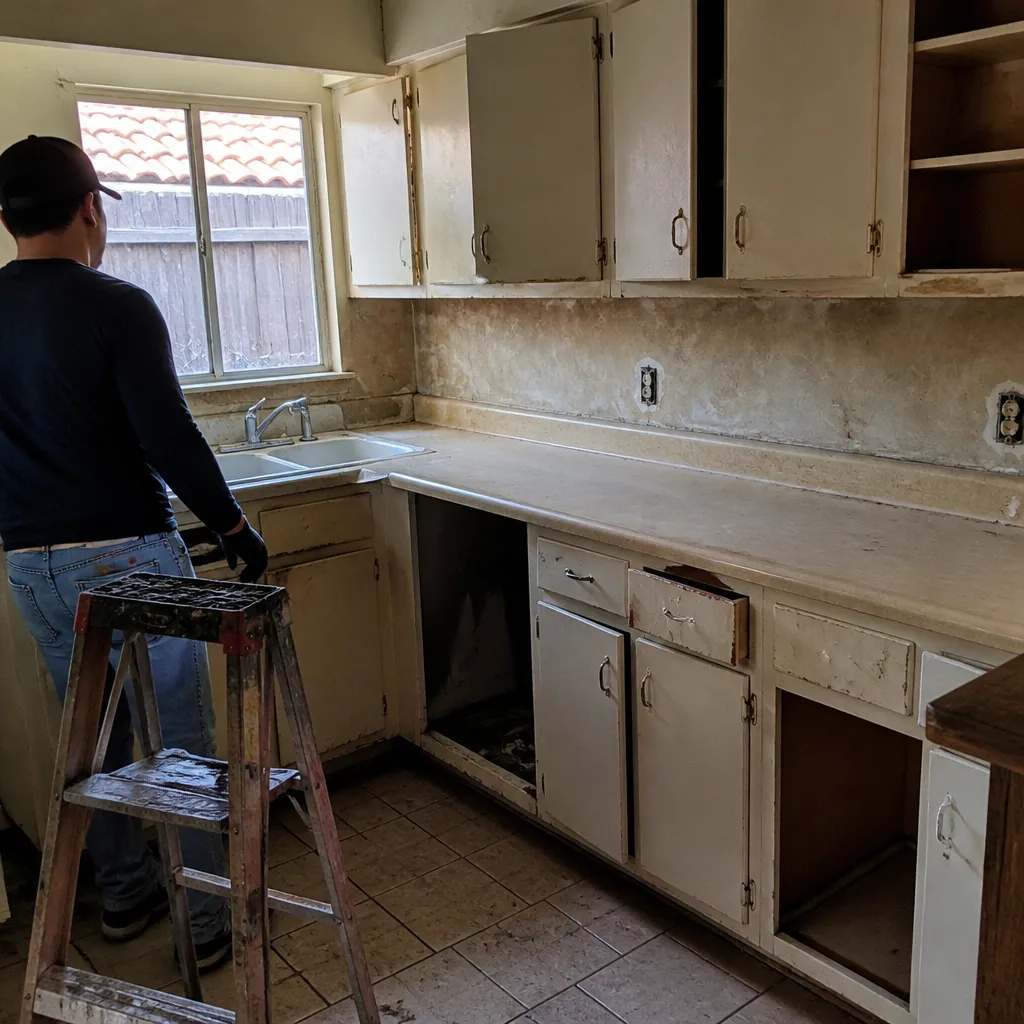 Before
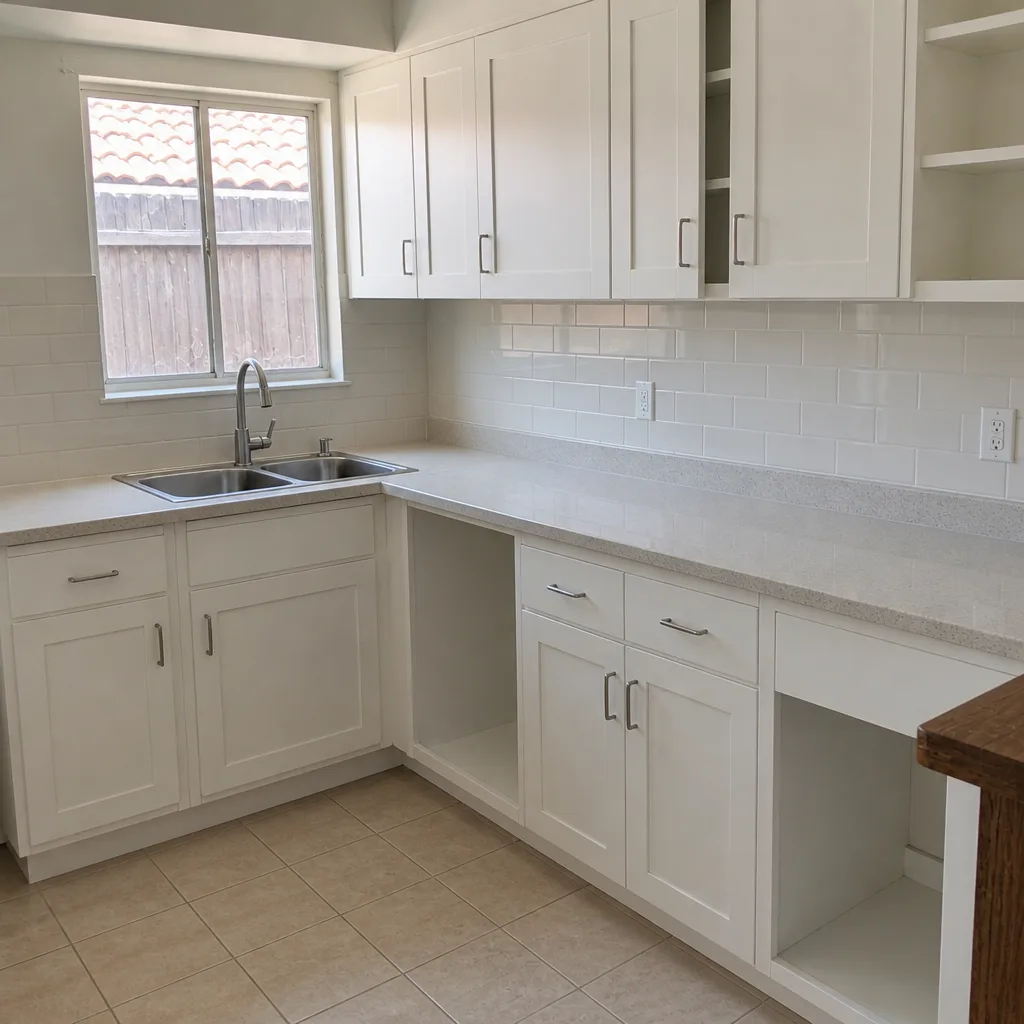 After
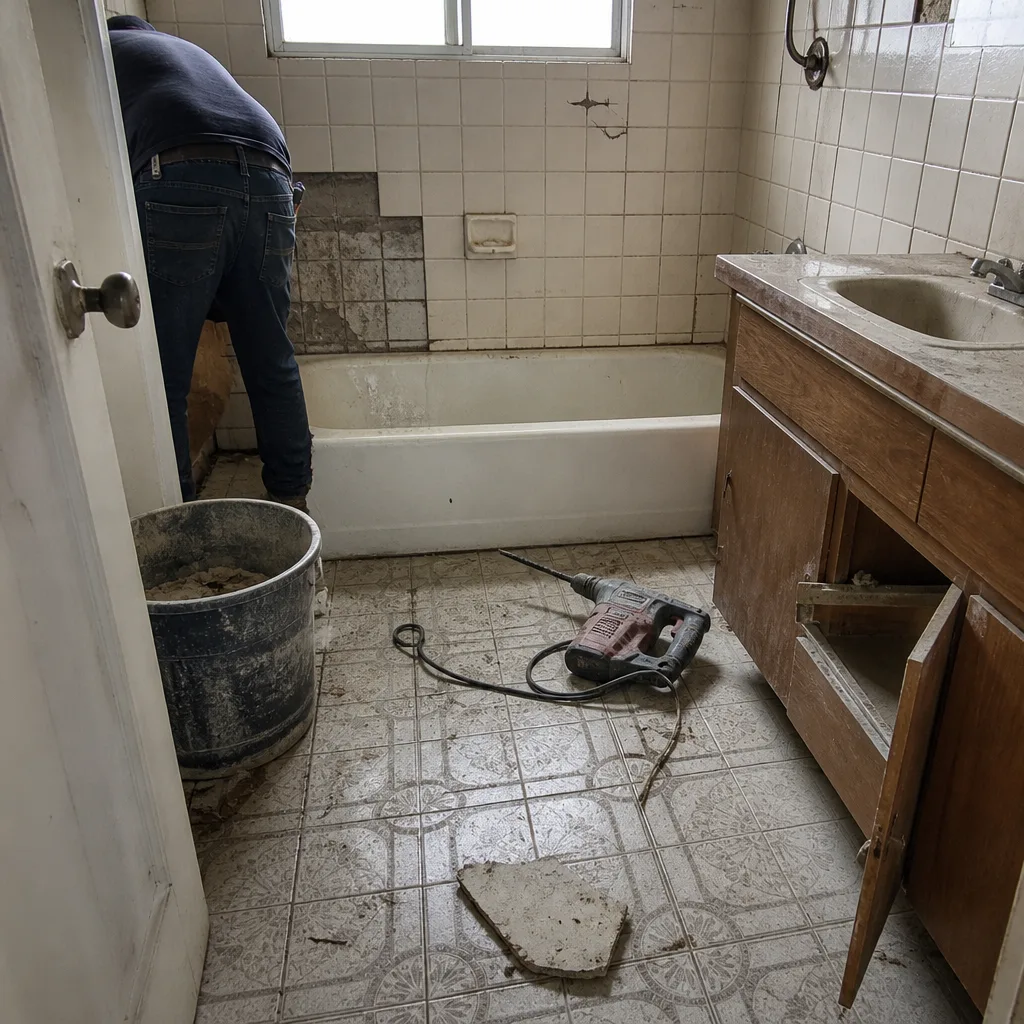 Before
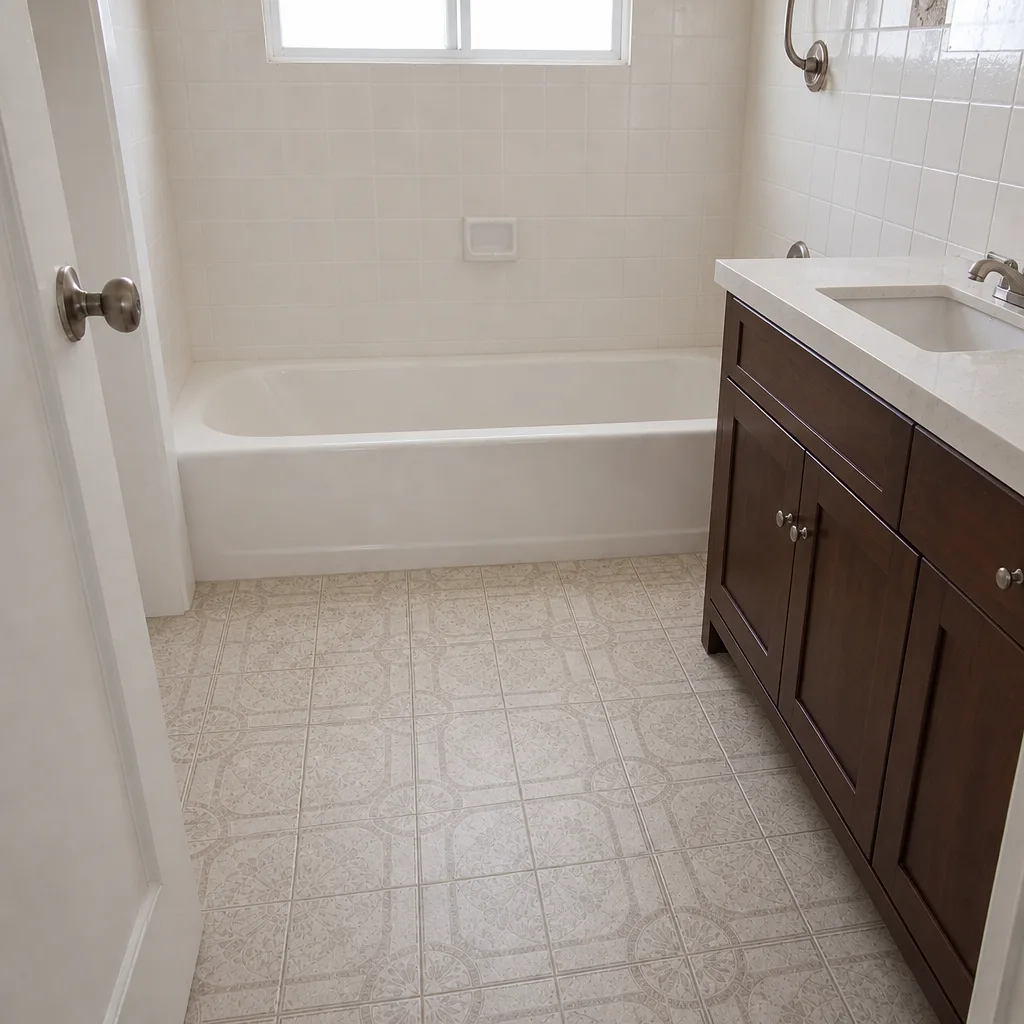 After
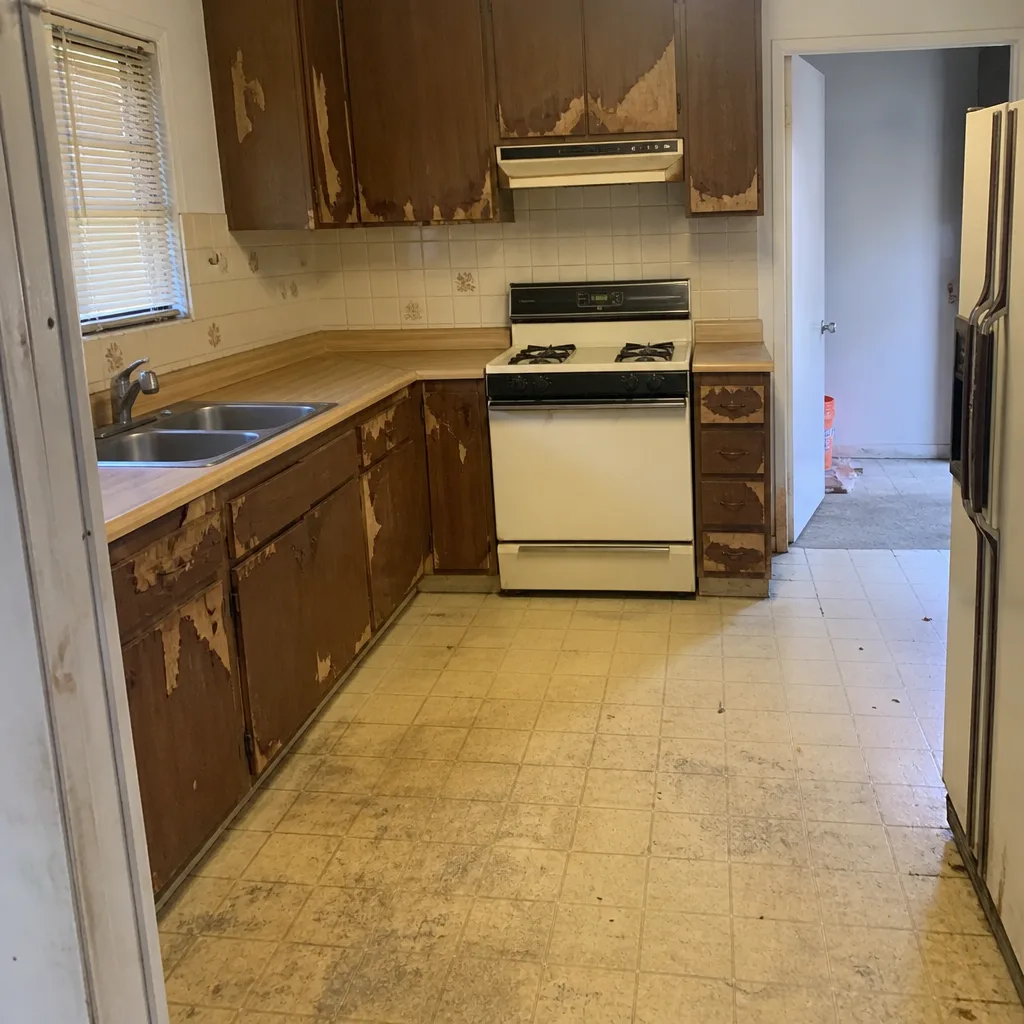 Before
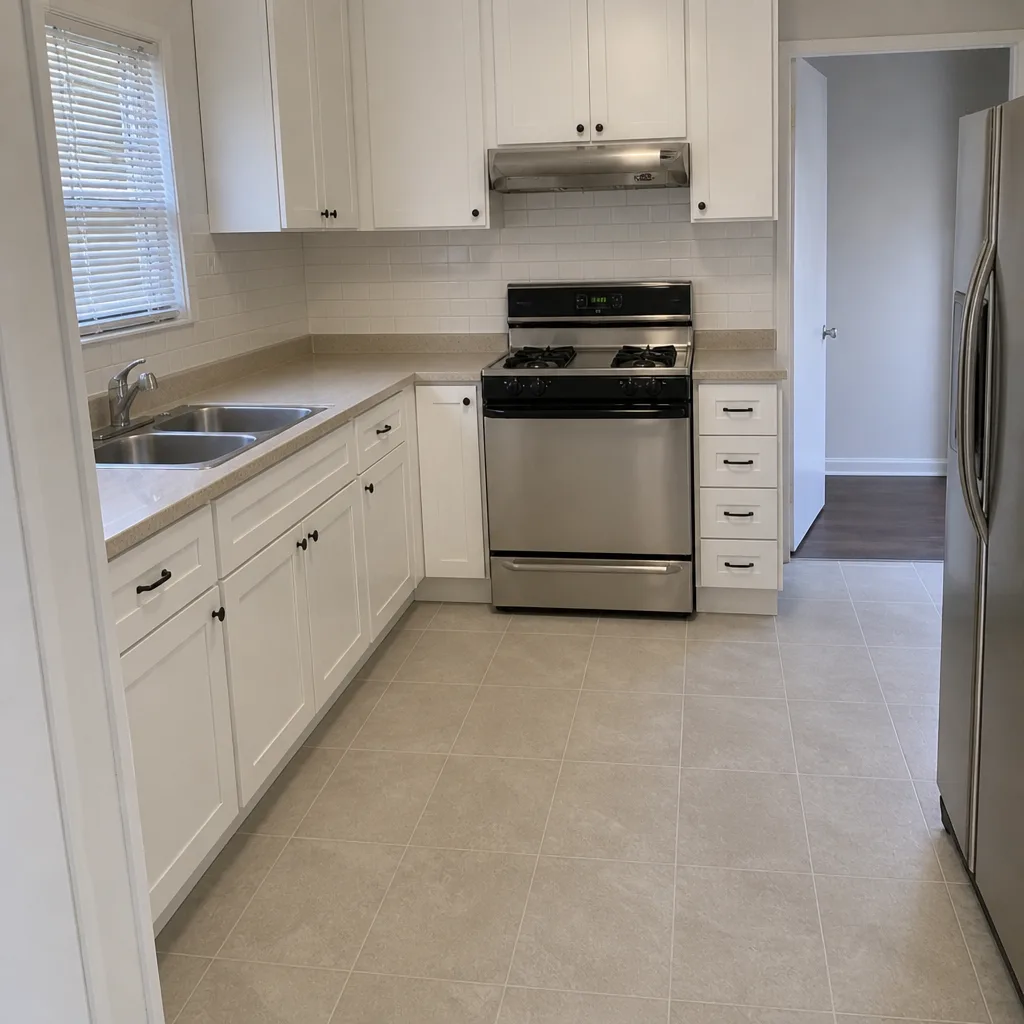 After