Last updated November 18, 2026







Free written scope consultation - allowances, timeline, and change-order rules on paper before a single trade is scheduled
Construction Permits, Codes & Inspections in CA: What You Need to Know
If you skip a permit to save two weeks and $400, you can inherit a problem that makes your home uninsurable, unsellable, or both. In California, unpermitted work follows the property deed, not the contractor who did it – which means the next person holding the bag is you. Most homeowners don’t learn this until they’re sitting at a closing table watching a buyer’s agent ask for proof of a final inspection that never happened. Here’s what you actually need to know about permits, code, and inspections in Anaheim, from the state energy rules down to the submittal counter.
Quick Answer
California construction permits are governed by state code (the California Building Code and Title 24 energy standards) that every city then amends with its own local ordinances – so the permit requirement, the submittal packet, and the inspection sequence can differ between Anaheim and a city fifteen minutes away. Most structural, electrical, plumbing, and mechanical work requires a permit in Anaheim, and even many “small” jobs like window replacements and HVAC changeouts do because of Title 24 energy compliance. Unpermitted work stays attached to your property and can affect insurance, resale disclosure, and your ability to get a future permit signed off.
Styles & brands we work with
- Kitchen remodeling
- Bathroom remodeling
- Home additions & ADU
- Roofing
- Windows & doors
- Driveway & pavers
- Fence
Table of Contents
- The Three Layers of California Code (and Why Anaheim Isn’t Fullerton)
- How Title 24 Interacts With Anaheim’s Local Amendments
- Anaheim Building Division Submittal Requirements vs. Neighboring Cities
- What’s Actually Exempt in Anaheim (and What Contractors Get Wrong)
- How to Track an Anaheim Permit and the Inspection Milestones
- Insurance and Resale: What Unpermitted Work Really Costs You
- Common Mistakes to Avoid
- When to Call a Professional
The Three Layers of California Code (and Why Anaheim Isn’t Fullerton)
People talk about “California code” like it’s one document. It isn’t. What actually governs your kitchen remodel or window replacement is three layers stacked on top of each other, and a contractor who works mostly in one city often doesn’t know the layers underneath yours.
The three layers:
- State code. The California Building Code (CBC) – itself a California-specific version of the International Building Code – plus the California Residential Code, Electrical Code, Plumbing Code, Mechanical Code, and the Energy Code (Title 24, Part 6). This is the baseline that every city in the state starts from.
- County amendments. Orange County, like every county, adopts its own amendments and administrative rules. These affect things like inspection scheduling, permit fees, and occasionally structural requirements in unincorporated areas.
- City ordinances. Anaheim has its own amendments adopted through the Anaheim Municipal Code, and its own Building Division that interprets and enforces them. Fullerton, Garden Grove, Orange, and Buena Park each have their own sets too – and they genuinely differ.
Here’s the practical consequence: a contractor who mostly works in Fullerton may hand you a submittal packet that Fullerton’s counter would accept on the spot but Anaheim’s counter will send back. Same job, same state code, different city rules. In our experience, this is one of the most common reasons a permit application sits in “incomplete” status for weeks while the homeowner thinks the contractor is stalling. They’re not necessarily stalling – they may just be filing the wrong paperwork for the wrong city.
How Title 24 Interacts With Anaheim’s Local Amendments
Title 24 is California’s energy code, and it’s the part of the permit system that trips up the most homeowners. The reason: Title 24 applies to things people think of as “cosmetic.”
Two common examples:
Window replacements
Replacing windows in an existing home almost always requires a permit in Anaheim, because Title 24 sets minimum U-factor and solar heat gain coefficient (SHGC) requirements for the new windows based on climate zone. Anaheim sits in a climate zone where the cooling load matters as much as the heating load – meaning the code cares about how much heat your windows let in, not just how much they keep out. A window that’s perfectly compliant in a cooler coastal city may not meet Anaheim’s SHGC requirement. This is why “the window guy said we don’t need a permit” is one of the most common – and most expensive – pieces of bad advice we hear.
HVAC changeouts
A straight like-for-like air conditioner replacement still triggers Title 24 compliance in most cases, because the code has requirements around duct sealing, refrigerant charge verification, and system efficiency (SEER2 ratings under current standards). Anaheim’s amendments layer on local requirements around duct testing documentation. If your contractor doesn’t pull the permit, you don’t get the inspection, and you don’t get the documentation that proves the system was installed to code – which becomes a problem if you ever sell the house or file a warranty claim on the equipment.
The short version: in Anaheim, “it’s just a window” and “it’s just an AC swap” are both permit jobs. Plan for it.
Anaheim Building Division Submittal Requirements vs. Neighboring Cities
Every city’s building department wants plans and a permit application. What differs is the detail. Here’s where Anaheim’s submittal expectations tend to diverge from what contractors are used to in Fullerton or Garden Grove:
- Plan detail for interior remodels. Anaheim generally wants framing plans, a clear scope of work, and finish schedules for anything involving wall removal or layout change – even non-structural. A single-line “remove wall, add island” sketch often gets kicked back.
- Title 24 compliance documentation. For window and HVAC work, Anaheim requires the compliance forms (CF1R, and occasionally CF2R/CF3R depending on scope) submitted with the application, not after approval. Fullerton and Garden Grove have historically been more lenient about accepting these later in the process.
- Owner-builder disclosures. If you’re pulling the permit as an owner-builder in Anaheim, expect the disclosure paperwork and the owner-builder acknowledgment to be checked carefully. Anaheim enforces the owner-builder rules more strictly than some neighboring cities, partly because of past issues with investor-flipped properties filed as owner-builder jobs.
- Fire and life-safety review. Anaheim routes certain projects – anything adding square footage, adding a bedroom, or touching egress paths – through a fire review that some smaller neighboring cities handle inside the standard plan check. That adds a step to your timeline.
- Historic and specific-plan overlays. Parts of Anaheim fall under specific plans and older neighborhood overlays (the Colony District and parts of the downtown area, for instance) with additional design review. A permit that would sail through in a standard residential zone can require an extra approval layer.
This is the practical value of working with a general contractor in Anaheim who files here regularly: the submittal packet goes in right the first time, which can mean the difference between a two-week plan check and a six-week one.
What’s Actually Exempt in Anaheim (and What Contractors Get Wrong)
California code does exempt some work from permits, and Anaheim adopts those exemptions. But the exemptions are narrower than the folklore suggests, and the folklore is what gets homeowners in trouble.
Generally exempt (no permit required) in Anaheim:
- Interior painting, wallpapering, and floor covering installation.
- Replacing a faucet or a toilet with a like-for-like unit (no relocation of plumbing).
- Replacing a light fixture or an outlet/switch, as long as no new circuit is added.
- Cabinet refacing or replacement with no structural or plumbing/electrical changes.
- Fences under six feet (with HOA and setback rules still applying).
- Minor cosmetic repairs that don’t alter structure, mechanical, electrical, or plumbing.
Commonly claimed as exempt – but isn’t:
- Replacing windows (Title 24, as covered above).
- Replacing a water heater (permit required; seismic strapping and expansion tank rules apply).
- Replacing an HVAC system or adding a mini-split.
- Removing a wall – even one that looks non-load-bearing. You need to verify; the permit does that.
- Re-tiling a shower with new waterproofing.
- Any electrical panel change or added circuit.
- Adding a bathroom fan that vents through the roof or wall (a penetration is a mechanical permit).
When a contractor tells you something is exempt, ask them to point you to the code section and confirm it with the Anaheim Building Division before you sign. A real professional won’t be offended by the question.
How to Track an Anaheim Permit and the Inspection Milestones
Anaheim’s Building Division uses an online permit portal where you can look up a permit by address or permit number, see its current status, view inspection results, and read any correction notices. You don’t need an account to check the status of a permit on your own address – and we’d encourage you to check it, especially if the job has been “in plan check” for an unusually long stretch.
The typical milestone sequence for a residential remodel in Anaheim runs like this:
- Submittal and intake. Application filed with plans and Title 24 docs. Status: “Submitted” or “Intake.”
- Plan check. A plan checker reviews for code compliance and issues either an approval or a correction list (often called a “check letter” or “comments”). Status: “In Review.”
- Corrections and resubmittal. Your contractor responds to each correction and resubmits. This round can repeat if corrections weren’t fully addressed.
- Permit issuance. Fees paid, permit card issued, work authorized to begin. Status: “Issued” or “Active.”
- Rough-in inspections. Framing, electrical, plumbing, and mechanical inspections happen before walls are closed up. These are often combined into a single “rough” inspection but can be split.
- Insulation and drywall. Insulation inspection precedes drywall hanging; some scopes also require a Title 24 insulation inspection.
- Final inspections. One final per trade (building, electrical, plumbing, mechanical) as applicable, followed by a “final” or “certificate of occupancy” for additions and major remodels. Status: “Finaled” or “Complete.”
Save the final inspection record. You’ll want it at resale, at insurance renewal, and anytime a future contractor asks whether a prior job was permitted.
Insurance and Resale: What Unpermitted Work Really Costs You
This is the part most homeowners don’t hear until it’s too late. Unpermitted work creates two separate problems, and they compound.
Insurance implications
Homeowner’s insurance policies typically require disclosure of improvements and often exclude or limit coverage for damage caused by unpermitted work. If a fire starts in an unpermitted electrical circuit, or a shower pan installed without a permit leaks and causes mold, the insurer can reduce or deny the claim. Even when the claim is paid, the adjuster will note the unpermitted work – and that can lead to a nonrenewal at your next policy cycle. In Anaheim’s tighter insurance market, we’ve seen homeowners face rate increases or forced shopping simply because an addition was unpermitted.
Resale disclosure obligations
California law requires sellers to disclose known material facts about the property, including whether improvements were permitted. In practice, this means:
- A transfer disclosure statement will flag unpermitted work.
- Buyers’ inspectors will find it during a standard inspection, almost every time.
- The lender may refuse to lend on unpermitted additions or improperly permitted structural changes.
- Buyers will often demand a price reduction equal to the cost of legalizing or removing the work – plus a discount for the hassle. In our experience, the discount is usually larger than the original permit would have cost.
The cleanest fix is always to permit it upfront. The second cleanest is to legalize it through a “as-built” permit before you list. Both are cheaper than the discount.
Common Mistakes to Avoid
- Trusting a verbal “you don’t need a permit for that.” Confirm every exemption in writing – or call the Anaheim Building Division yourself. In our experience, more than half of the “exempt” claims we hear turn out to require a permit.
- Pulling an owner-builder permit on a job you’re paying someone to do. Owner-builder permits exist for homeowners doing their own work. Filing one while a contractor does the work is a misrepresentation and can void the permit – and your insurance – if the city catches it.
- Letting work start before the permit is issued. Even a demo day before permit issuance can trigger a stop-work order and a re-inspection fee. It also puts your contractor’s insurance on the hook in a way that can stall the entire project.
- Skipping the Title 24 documentation on a window or HVAC job. Anaheim typically requires these forms at submittal. Missing them sends you back to intake and adds weeks to the timeline.
- Closing up walls before the rough inspection. Once drywall is on, the rough inspection can’t happen without opening the wall – a cost nobody wants. Schedule the rough inspection before the drywall goes up, full stop.
- Not saving the final inspection record. The permit card and final sign-off are your proof at resale and with your insurer. Keep them in your property file the same way you’d keep a title document.
- Assuming a neighboring city’s approved plans will sail through Anaheim. Plan check standards, Title 24 submissions, and overlay rules differ. A plan set stamped by Fullerton or Garden Grove is a starting point, not an approval.
When to Call a Professional
If you’re weighing a kitchen tear-out, a bathroom remodel, a window replacement, an HVAC changeout, or anything that moves a wall or adds square footage, the permit path is a professional job – not because the code is unknowable, but because the submittal, the inspection sequence, and the correction cycle all reward someone who files in Anaheim every week. Small like-for-like swaps you can often do yourself with a simple over-the-counter permit. Anything that touches structure, energy code, or a multi-trade scope is where a licensed Penhallow Remodeling Anaheim home page and a licensed general contractor earn their keep. Our technicians have up to 22 years of experience, and every project carries a written price before work starts and a written 365-Day Done Right Promise in case anything fails. Penhallow Remodeling Anaheim offers free estimates in Anaheim – call (844) 320-2908 for a written number you can hold us to.
See the difference
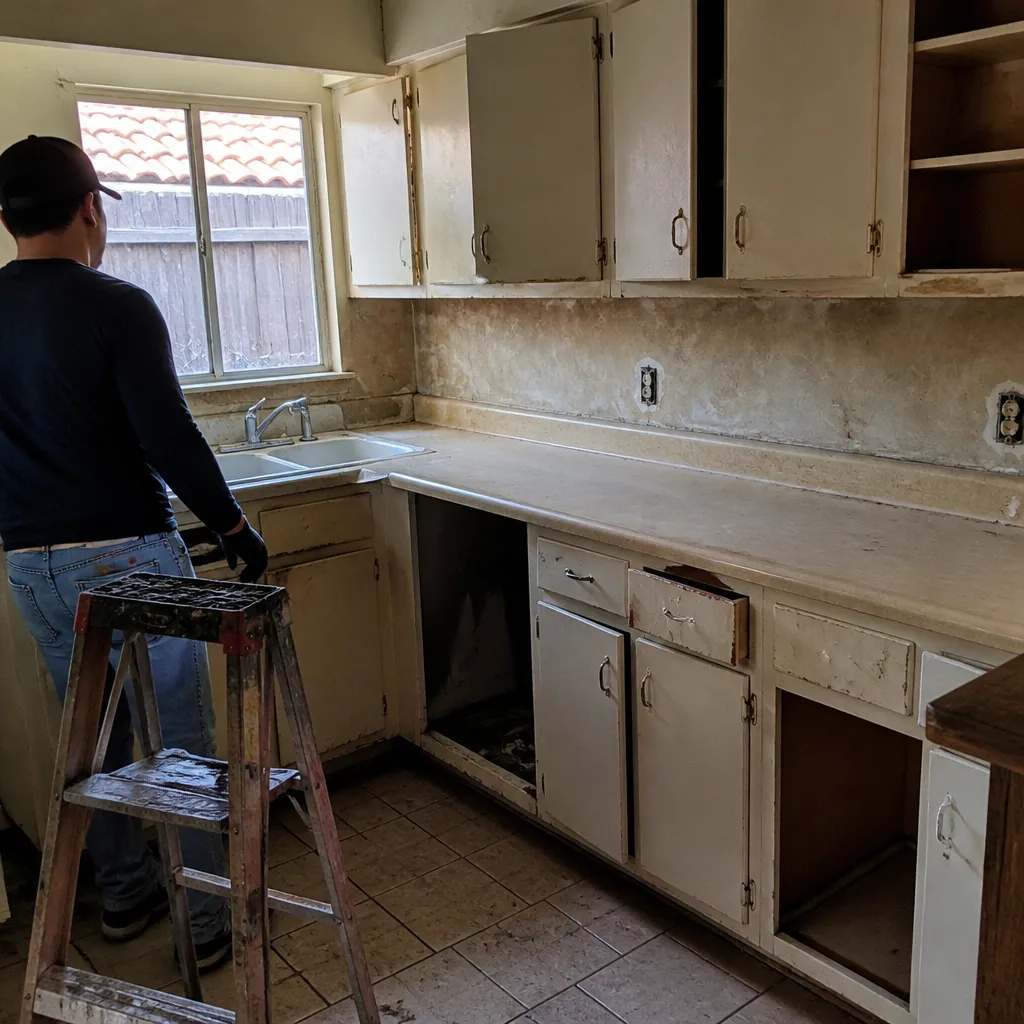 Before
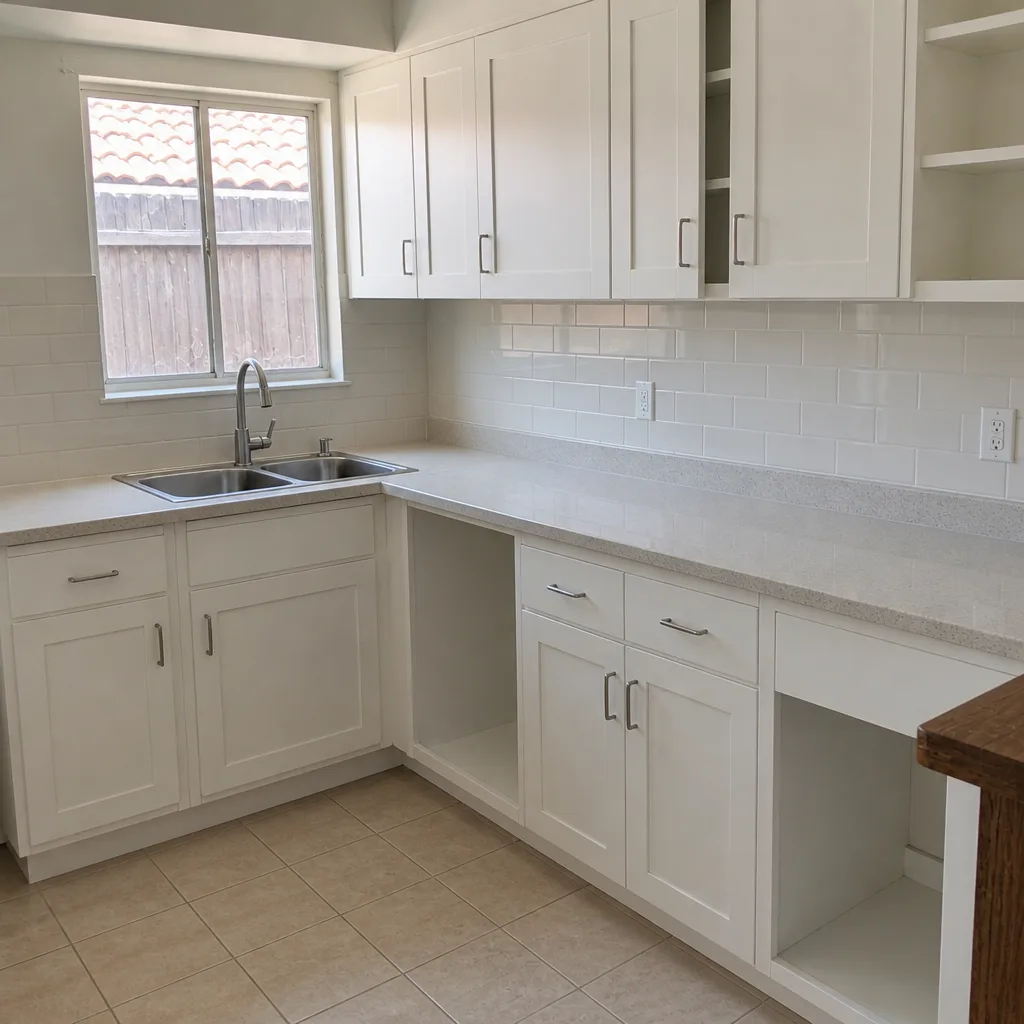 After
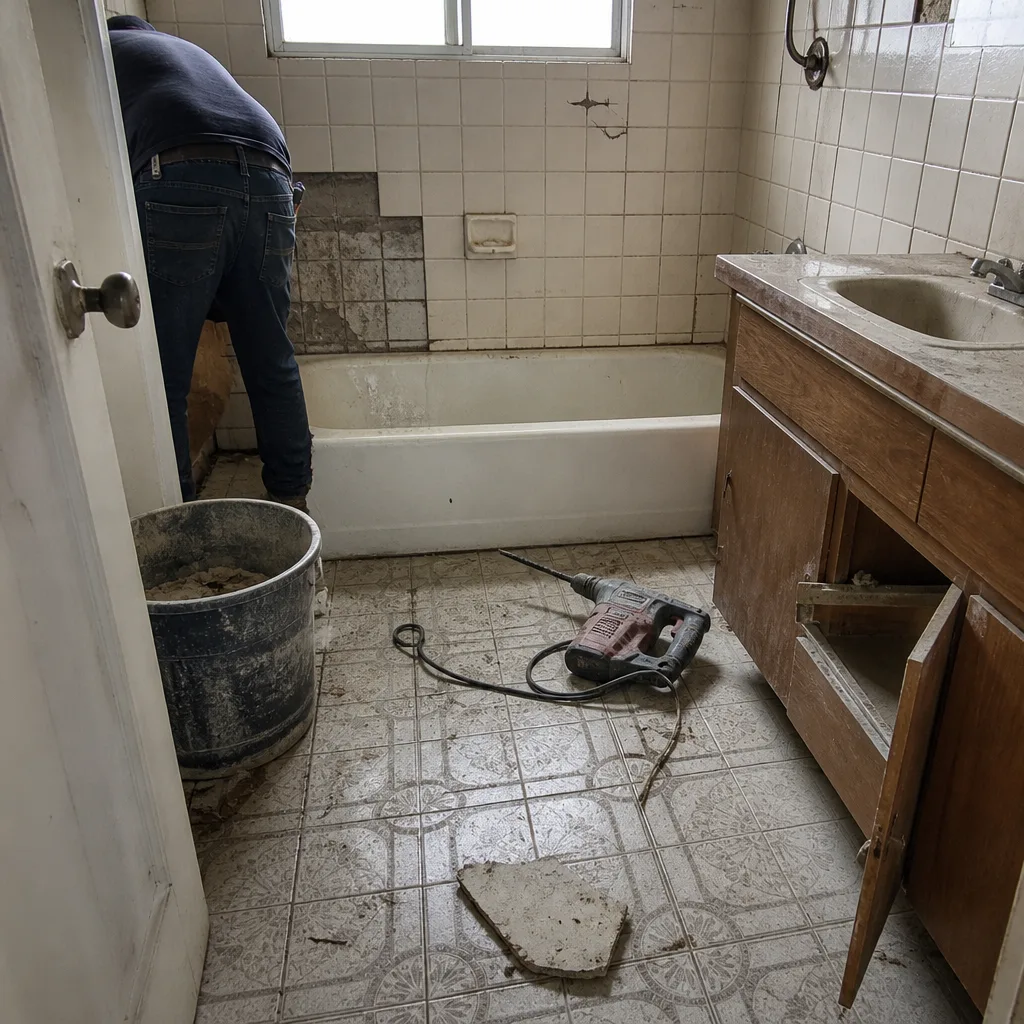 Before
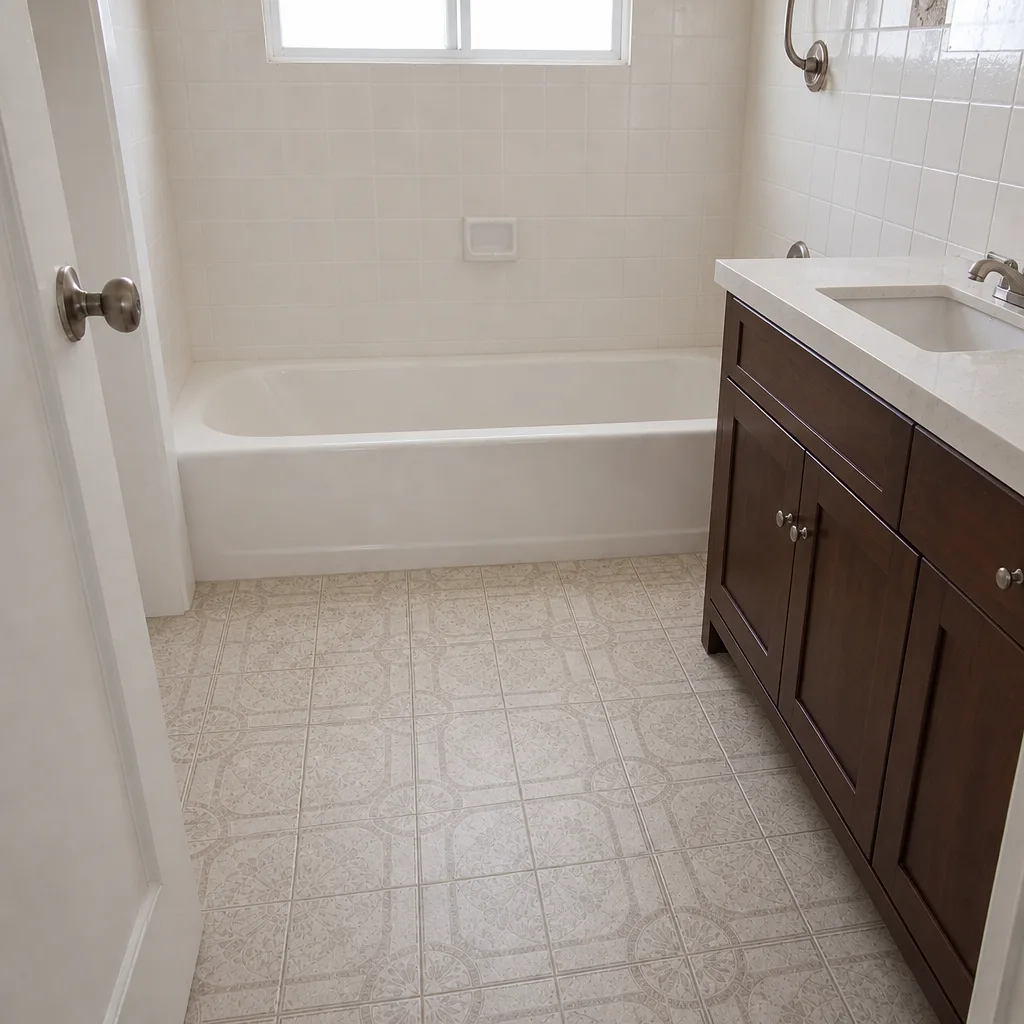 After
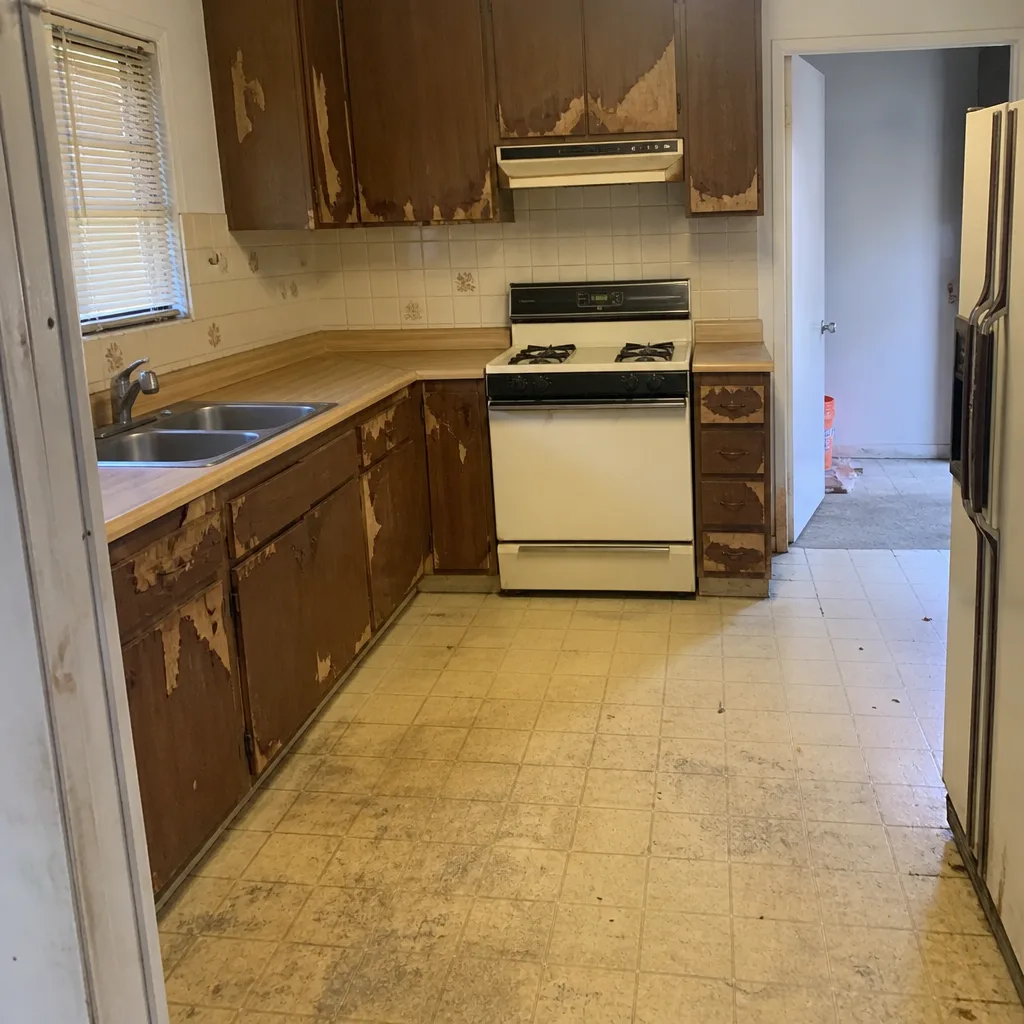 Before
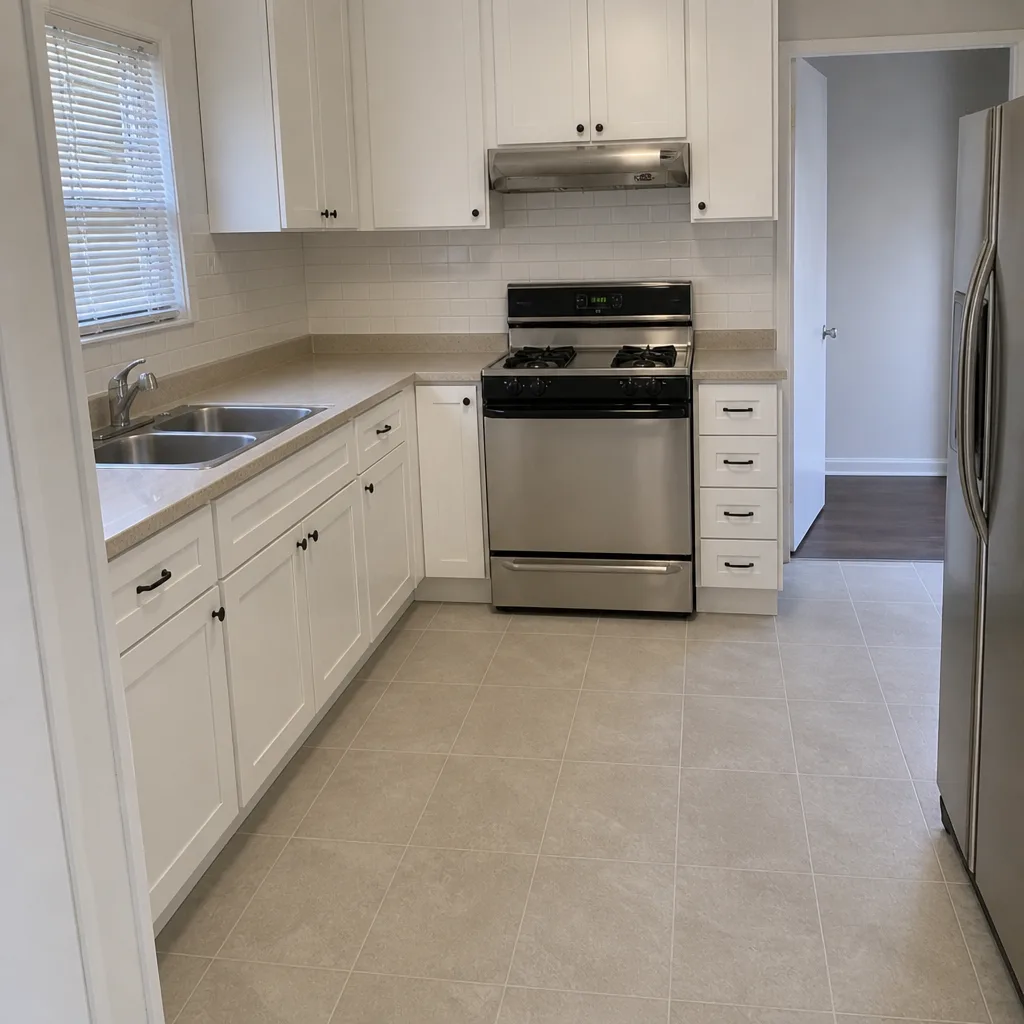 After
Frequently Asked Questions

Yes, almost always. Even a “cosmetic” kitchen remodel typically triggers permit requirements in Anaheim because new electrical circuits, plumbing relocations, and Title 24 energy compliance (for lighting and appliances) apply once you’re pulling cabinets and opening walls. Cosmetic-only work like painting or refacing cabinets generally doesn’t require a permit, but the line moves once anything behind the wall changes. Call (844) 320-2908 for a free walkthrough – we’ll tell you exactly which permits your specific scope needs.
Not on a properly quoted job. If the permit submittal reveals something the estimate missed – say, unpermitted work from a previous owner that needs to be corrected before we can get a sign-off – that’s a change, and it should be documented in writing before anyone picks up a tool. Our written price is a written price, and no work starts until you have that number on paper.
Yes. We file the Anaheim permit application, assemble the submittal packet (plans, Title 24 forms, scope documentation), manage the plan-check corrections, and schedule the inspections through final sign-off. All of that is handled before the crew shows up – because in Anaheim, the plan-check cycle can run two to six weeks depending on the scope and the current queue.
For a typical residential remodel – an interior kitchen or bathroom job with electrical and plumbing – expect two to four weeks from submittal to issuance, assuming no corrections. Additions and any project routed through fire review typically run four to eight weeks. Corrections can extend the timeline significantly, which is exactly why the submittal has to be right the first time.
You’re required to disclose it, buyers will find it in the inspection, lenders may refuse to fund the purchase, and buyers typically demand a discount exceeding the cost of legalizing the work. In our experience, unpermitted additions and structural changes are the biggest resale discount drivers – occasionally in the five figures. Legalizing the work through an as-built permit before you list is usually the cheaper path.
No, not in Anaheim. Window replacements are permitted work here because Title 24 sets minimum U-factor and solar heat gain coefficient requirements that depend on the climate zone, and Anaheim’s climate zone cares about solar heat gain as much as insulation. If a window contractor says no permit is needed, ask them to confirm it in writing with the Anaheim Building Division. Call (844) 320-2908 if you want a second opinion before you sign – estimates are free.
The Bottom Line
California’s permit system isn’t one system – it’s state code under county amendments under city ordinances, and Anaheim’s layer has specifics that catch out-of-area contractors every time. Title 24 makes window and HVAC jobs permit work. Anaheim’s submittal process requires compliance documentation upfront. Exemptions are narrower than the folklore. Unpermitted work follows the deed – through insurance, disclosure, and resale. Get the permit, keep the final inspection record, and hire someone who files in Anaheim routinely. Our team at Penhallow Remodeling Anaheim is here for the projects that need to be done right the first time – see our kitchen remodeling in Anaheim and bathroom remodeling in Anaheim pages for what permitted work looks like on our side of the counter. We install trusted brands like Kohler, Moen, and Delta on the fixtures side, and every job carries our written price, our written 365-Day Done Right Promise, and a real person on the phone 24/7.
Call (844) 320-2908 for a free estimate. We’ll walk your scope, tell you which permits the job needs, and put the price in writing before anything gets pulled.
Written by the team at Penhallow Remodeling Anaheim.