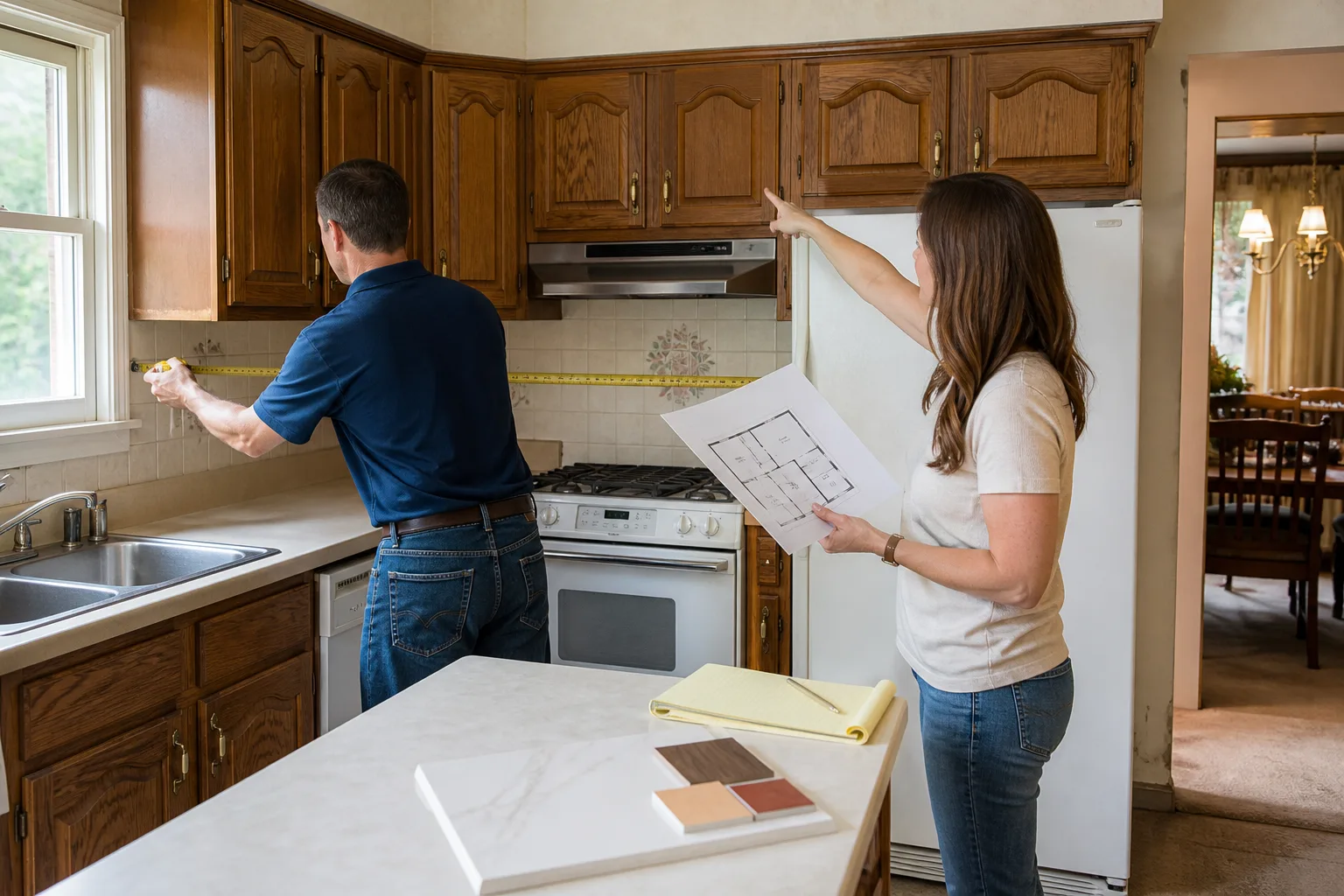
Last updated November 18, 2026








Free written scope consultation - allowances, timeline, and change-order rules on paper before a single trade is scheduled
The Complete General Contractor Guide for Anaheim Homeowners
Most Anaheim homeowners don’t realize that a licensed general contractor can legally subcontract 100% of the physical work on your project. That means the person you hired to run your kitchen remodel may never lift a tool. Under California law, you have no automatic right to know who is actually in your house swinging the hammer, wiring the outlets, or setting the tile. The GC’s license covers the management and the contract, not the hands. This guide walks Anaheim homeowners through what a GC is actually responsible for, what they can hand off to subs, and how to hold them to their end of the deal using written documentation at every stage.
Quick Answer
Hiring a general contractor in Anaheim comes down to three documents: a verified CSLB license, a written contract that matches California’s home improvement rules for jobs over $500, and a scope of work specific enough to settle disputes before they start. The GC, not you, must pull the permit and is the legally responsible party when inspection fails. Verify every subcontractor’s insurance yourself, because your homeowner’s policy almost certainly won’t cover an uninsured sub’s injury on your property.
Styles & brands we work with
- Kitchen remodeling
- Bathroom remodeling
- Home additions & ADU
- Roofing
- Windows & doors
- Driveway & pavers
- Fence
Table of Contents
- What Does a General Contractor Actually Do in Anaheim?
- What Do California CSLB License Classifications Mean for You?
- How Do Permits Work in Anaheim, and Who Should Pull Them?
- What’s the Difference Between a Bid, an Estimate, and a Contract?
- How Do You Verify a Subcontractor’s Insurance?
- What Should a Scope of Work Document Actually Contain?
- What Do GC-Led Projects Cost in Anaheim?
- Common Mistakes to Avoid
- When to Call a Professional
- Frequently Asked Questions
What Does a General Contractor Actually Do in Anaheim?
A general contractor in Anaheim manages the schedule, the budget, the permits, and the tradespeople. The GC coordinates the plumber, electrician, framer, drywaller, cabinet installer, and finish carpenters so they arrive in the right order and don’t step on each other. The GC also holds the contract with you, pulls the permits from the City of Anaheim, schedules inspections, and is the single point of accountability when something goes sideways.
Here’s the part that surprises people: a licensed GC can legally subcontract every hour of physical labor. If your contractor shows up once a week to check progress and otherwise runs the job over the phone, that’s legal. What it means for you is that the quality of your project depends on who the GC hires, whether those subs are licensed and insured, and whether the GC actually supervises them. In Anaheim’s older neighborhoods, like the 1950s tract homes around Westmont and the mid-century builds near Brookhurst, that supervision matters because subfloor and framing surprises come up the moment demo starts.
What a GC is contractually responsible for:
- The written contract and the price in it
- Pulling the correct permits from Anaheim’s Building Division and scheduling inspections
- Hiring and supervising every subcontractor on the job
- Verifying that every sub carries a current CSLB license and workers’ comp coverage
- Meeting the schedule and communicating delays before they cost you money
- Delivering a finished product that passes final inspection
What the GC can hand off: the actual carpentry, plumbing, electrical, HVAC, tile, cabinetry, drywall, painting, and every other physical task. If you want to see the full range of what a general contractor in Anaheim handles on a home remodel, our General Contractor in Anaheim page covers the service scope in detail.
What Do California CSLB License Classifications Mean for You?
The Contractors State License Board issues different license classifications, and the one you’re checking for on a remodel is the B-General Building license. A B license allows the holder to construct any fixed structure and to subcontract specialty trades. But there are real limits homeowners rarely check. A B-General Building licensee cannot perform work that requires a C-10 Electrical, C-36 Plumbing, or C-20 HVAC license unless those trades are performed by a properly licensed specialty contractor or the GC itself holds that specialty classification.
What this means on the ground: if your B-licensed GC says he’ll “just do the electrical himself,” verify it. The CSLB license lookup at cslb.ca.gov shows every classification a contractor holds. A B license alone does not cover pulling new circuits for a kitchen remodel or rerouting gas lines for a range relocation. Those require a C-10 or C-36 holder on the job.
The other classifications you’ll see on Anaheim remodels:
- C-10 Electrical – needed for panel upgrades, new circuits, and code-required GFCI work
- C-36 Plumbing – needed for drain and supply line changes, water heater swaps, and gas line work
- C-20 HVAC – needed for duct changes and system replacements
- C-54 Tile – often the specialty license behind quality bathroom and kitchen tile work
- C-6 Cabinet and Millwork – for custom cabinetry installs
Here’s how to verify a license in under five minutes through the CSLB:
- Go to cslb.ca.gov and open the “Check a License” tool.
- Enter the license number or the business name and confirm it shows “Active” – not “Expired” or “Suspended.”
- Check the classifications listed. Confirm B-General Building is on the license, plus any specialty (C-10, C-36) needed for your project.
- Confirm the workers’ compensation and liability insurance fields show coverage. A contractor with employees must carry workers’ comp.
- Look at the bond amount and the complaint history. Multiple recent complaints on similar issues are a red flag.
For kitchens specifically, the electrical and plumbing classifications come into play more than homeowners expect. Our Kitchen Remodeling in Anaheim page explains how those trades line up with the average Anaheim kitchen scope. If you want to see how the same verification standards work on the bath side, the Bathroom Remodeling in Anaheim page shares what we check before we quote a shower rebuild.
How Do Permits Work in Anaheim, and Who Should Pull Them?
The contractor must pull the permit, not you. This is the single most important permit rule in California home improvement. When the GC pulls the permit, they become the legally responsible party for the work passing inspection. If you pull the permit as a homeowner-builder, that responsibility lands on you, and if the work fails final inspection, the city is coming to you – not the contractor who did the work.
Anaheim’s permit process runs through the city’s Building Division. Most structural, electrical, plumbing, and mechanical work on a residential remodel requires a permit. Kitchen and bathroom remodels almost always do, because the work moves gas lines, adds circuits, or changes the plumbing rough-in. Cosmetic-only work (paint, flooring over existing subfloor, cabinet refacing) typically does not.
How the permit process works on an Anaheim remodel:
- The GC submits the permit application with plans and a scope of work to the City of Anaheim Building Division.
- The city reviews plans – typically one to three weeks for a straightforward kitchen or bath, longer for structural work.
- The permit is issued with an inspection schedule attached. The GC is now the permit holder of record.
- The GC schedules rough-in inspections (framing, electrical, plumbing) before walls close.
- The GC schedules the final inspection. If it fails, the GC is on the hook to correct and re-inspect.
You can verify permit status yourself through Anaheim’s online permit portal using the address. Ask your GC for the permit number before demo day. Any contractor who says a permit isn’t needed for a kitchen electrical panel upgrade or a bathroom drain relocation is either wrong or trying to save money at your expense. When we quote an Anaheim remodel, the permit line is on the written estimate, and the permit is pulled in the company’s name – the same way it goes on every project under The Kingswell Way: say the price before the work, show up in the window we gave, leave the place cleaner than we found it.
What’s the Difference Between a Bid, an Estimate, and a Contract?
A bid is a fixed price for a defined scope of work. An estimate is a ballpark – a number the contractor thinks the project will cost but isn’t committed to. A contract is the legally binding document that specifies what work is done for what price under what terms. Most homeowner complaints in Anaheim, and honestly everywhere in Orange County, come from treating an estimate as a bid or a bid as a contract.
California has specific requirements for home improvement contracts over $500. Under Business and Professions Code section 7159, the written contract must include all of the following:
- The contractor’s name, business address, and CSLB license number
- The date the contract is signed and the date work will begin
- A description of the work and the materials to be used
- The total price, including the contract amount, down payment, and payment schedule
- A notice of the right to cancel within three business days
- A mechanics lien warning and notice to the owner
- The contractor’s bond and workers’ compensation information, if applicable
- A statement about the contractor’s license classification
What the contract must not do: require a down payment over $1,000 or 10% of the total price, whichever is less. That’s California law. Any Anaheim contractor demanding 30% or 50% up front before demo is breaking that rule, and that’s a warning sign about how the rest of the project will go.
In practice, this is the difference between a bid and a written price. We give every homeowner a written price before any work starts – a number you can hold us to, not a range. The number on day one is the number on the invoice, backed in writing as the 365-Day Done Right Promise: if the work fails inside the guarantee period, we come back and fix it at no charge. That’s a written commitment, not a verbal one, and it works because the scope in the contract matches the scope in the field.
How Do You Verify a Subcontractor’s Insurance?
You ask for a certificate of insurance before the sub sets foot on your property, and you call the insurance carrier to confirm the policy is active and covers the address. Your homeowner’s policy almost certainly will not cover an injury to an uninsured sub who falls off a ladder in your Anaheim kitchen. Without verified workers’ comp coverage, the injury can land on you, and that’s how a $30,000 remodel turns into a six-figure legal problem.
What to verify on every sub:
- Workers’ compensation certificate – confirms the sub’s employees are covered if they’re injured on your property
- General liability certificate – confirms coverage if the sub damages your home or a neighbor’s
- Active CSLB license – same check you did on the GC, done again on the specialty contractor
- Policy expiration date – a policy that expires mid-project leaves a gap you’re responsible for covering
- Additional insured status – ideally the sub’s policy names the GC as additional insured, so a claim has a fallback
How to verify, step by step:
- Ask the GC for the certificate of insurance for every sub scheduled on your job.
- Call the insurance carrier listed on the certificate – not the sub, not the GC – and confirm the policy is active.
- Confirm the coverage dates span your entire project, from start to final inspection.
- Check the CSLB license lookup for the sub’s classification and status.
- Take note of the workers’ comp policy number and keep it with your project file.
This is the step that gets skipped most often. When we send crews into an Anaheim home, every technician is background-checked and arrives in uniform – you know exactly who is walking through your door. That standard is written into every project we run, and it exists because “the sub is licensed” and “the sub is insured” are two different things that both need to be true.
What Should a Scope of Work Document Actually Contain?
A scope of work should list every task, every material, and every assumption line by line, so the contract can support a claim when a dispute comes up. Most contractors hand you a two-page document with paragraphs like “install kitchen cabinetry per plans” and consider it done. A scope of work should read as a checklist, not a summary.
The line items that protect you when a dispute comes up:
- Demolition limits – exactly what comes out, and what stays. “Remove existing tile floor and cement board substrate” is a line item. “Demo as needed” is not.
- Substrate specification – the moisture-resistant layer behind tile, the plywood thickness under flooring, the drywall spec behind wet areas. Each named product safeguards the warranty.
- Brand and model of installed materials – “Cambria quartz countertop, Ella collection” beats “upgraded countertops.” Named materials support the manufacturer’s warranty alongside the contractor’s.
- Allowance amounts – if the contract includes an allowance for cabinetry, tile, or fixtures, the amount must be spelled out. An unstated allowance is a price mover on day one of selections.
- Exclusions in writing – what’s not included. “Permit fees, HOA approval costs, and lead paint abatement are excluded” tells you the real number up front instead of after demo.
- Change order process – how a scope change gets priced and approved. A written change order signed before the extra work starts is the difference between a $300 decision and a $3,000 surprise.
For kitchen projects, the cabinets and counters alone can drive half the scope. When we quote a kitchen in Anaheim, we name the cabinet line – Wellborn, for instance, on a mid-range refresh, or a Cambria quartz top where the homeowner wants a stone with its own lifetime warranty sitting alongside ours. The point isn’t the brand name. The point is that the scope names it, so the contract matches what gets installed and the guarantee covers what’s actually on your counter. See Penhallow Remodeling Anaheim home for the full range of services the team runs to that standard.
What Do GC-Led Projects Cost in Anaheim?
Anaheim remodel costs vary widely based on scope, but here are the ranges we see on written quotes. These are planning numbers for a mid-range project on a typical Anaheim home, not a fixed price.
- Bathroom remodel, hall bath – $14,000 to $32,000 depending on tile, fixture line, and whether the drain moves
- Bathroom remodel, primary suite – $22,000 to $48,000 depending on wet room, shower system, and vanity scope
- Kitchen remodel, refresh (new cabinets, counters, backsplash, no layout change) – $18,000 to $40,000
- Kitchen remodel, full (layout change, new appliances, electrical, plumbing) – $40,000 to $85,000 depending on cabinetry line and countertop
- Whole-home remodel – $90,000 to $250,000+ depending on square footage, structural changes, and systems work
- Permit fees – typically $500 to $3,000 for kitchen and bath projects, higher for structural work
What drives the number up or down:
- Cabinetry line – a stock line versus a semi-custom line like Wellborn can swing a kitchen by $8,000 to $20,000
- Countertop material – Silestone and Caesarstone fall in the mid-range of quartz; Cambria runs higher; natural stone runs higher still
- Layout changes – every wall that moves, every drain that relocates, adds plumbing and electrical cost
- Age of the home – 1950s Anaheim homes often need panel upgrades or subfloor repair once demo opens the walls
- Structural work – beams, headers, and load-bearing changes require engineering and longer permit review
Zero-change-order pricing looks different. We give a written price before the work starts, so the number you approved is the number on the invoice – not an estimate range that moves after demo day. That’s the whole point of The Kingswell Way, and it’s why the 365-Day Done Right Promise, background-checked and uniformed technicians, and a live person answering the phone 24/7 here in Anaheim all belong in the same conversation as the price. If you haven’t run a kitchen or bath project in Anaheim before, the honest answer is that the written number is the anchor – everything else is easier to hold a contractor to once the price and guarantee are on paper.
Common Mistakes to Avoid
- Hiring on price alone. The lowest bid in Anaheim is often the one that adds the most change orders after demo. Compare scopes first, prices second, and look at what each bidder excluded. The bid missing permit fees is usually the most expensive one.
- Not verifying the license classification. A B-General Building license is not a license to do electrical or plumbing work. Check CSLB for the specialty classifications your project actually needs, and don’t accept “I know a guy” for the electrical rough-in.
- Letting the GC pressure you into pulling the permit yourself. A contractor who suggests you pull the permit as owner-builder is shifting legal responsibility for code compliance to you. Insist the GC pulls the permit in their name.
- Accepting a verbal scope change. Any extra work should come as a written change order with a price and a signature before the work starts. A verbal “we’ll add it to the invoice” always ends up costing more than you expected.
- Skipping the insurance confirmation. A sub with an expired workers’ comp policy is a liability sitting on your property. Call the carrier, don’t just collect the certificate.
- Paying more than the legal deposit. California caps the down payment at $1,000 or 10% of the total, whichever is lower. Any Anaheim contractor asking for more than that is a red flag about how the rest of the payment schedule will run.
- Not scheduling the rough-in inspections. Anaheim’s Building Division requires rough-in inspections before walls close. If the GC wants to close up the walls before the inspection, that’s a code problem in the making.
When to Call a Professional
Call a licensed general contractor in Anaheim when your project moves a wall, moves a drain, adds a circuit, changes a load-bearing structure, or replaces a system. Kitchens and bathrooms fall into this bucket almost every time because they involve all four. If your project requires a permit from the City of Anaheim, and it requires one of the trades to come in, you want a GC holding the contract, the permit, and the guarantee.
For a one-off cosmetic refresh – paint, flooring, cabinet hardware – a handyman may be enough. For a full remodel, the risk of getting the scope, permit, and insurance wrong is high enough that the cost of a general contractor is your insurance against a bigger bill later. Penhallow Remodeling Anaheim offers free estimates in Anaheim – call (844) 320-2908 and a live person will pick up, day or night, to talk through your project.
Frequently Asked Questions
Go to cslb.ca.gov, open the license lookup tool, and confirm the license is active and shows the B-General Building classification plus any specialty licenses (C-10, C-36) your project needs. Check the workers’ comp and liability insurance fields, the bond amount, and the complaint history. Do this before you sign a contract, and repeat the check on every subcontractor scheduled for your job.
Yes, the contractor must pull the permit. California law puts the permit responsibility on the licensed contractor doing the work, and pulling it as a homeowner-builder puts legal responsibility for code compliance and inspection on you. Ask for the permit number before demo day and verify the status through Anaheim’s online permit portal.
California caps the down payment at $1,000 or 10% of the contract price, whichever is less. Any Anaheim contractor asking for more than that before work starts is breaking Business and Professions Code section 7159, and that’s the moment to walk away. The contract must also list the payment schedule in writing, and every subsequent payment should tie to a completed phase – not a date.
Yes. A licensed B-General Building contractor can legally subcontract every hour of physical labor, and they may never lift a tool on your project. What matters is whether the subs they hire are licensed and insured, whether the GC verifies the certificate of insurance before the sub arrives, and whether the GC is actually supervising the site. Ask for the sub list and the insurance certificates before the first one shows up.
A hall bathroom typically takes three to five weeks once the permit is issued. A full kitchen takes six to ten weeks depending on cabinetry lead times and whether the layout moves. Add one to three weeks for permit review by the City of Anaheim before the schedule starts. The exact timeline belongs in the written contract, so you have a start date and a finish date in writing.
The contract must include the contractor’s name, business address, and CSLB license number; the date of the contract and the date work will begin; a description of the work and materials; the total price with the payment schedule; a three-day right to cancel; a mechanics lien warning; a notice to the owner; and the bond and workers’ compensation information. If any of those are missing, don’t sign it. The document should also include the written price you approved and the written guarantee that covers the work.
The Bottom Line

Hiring a general contractor in Anaheim is a written-document exercise, not a handshake one. Verify the CSLB license and its classifications. Insist the GC pulls the permit from the City of Anaheim. Confirm every subcontractor’s insurance with the carrier, not the certificate. Read the scope of work line by line. Check the contract against California’s requirements for home improvement agreements over $500. Get the price, the schedule, and the guarantee in writing before demo starts. Our technicians have up to 22 years of experience, and every job we run under The Kingswell Way is built around the same three commitments: the price before the work, the arrival window we gave, and the place cleaner than we found it.
Call (844) 320-2908 for a free estimate on your Anaheim project. We’ll walk through the scope, the permit, and the written price together.
Written by the team at Penhallow Remodeling Anaheim.
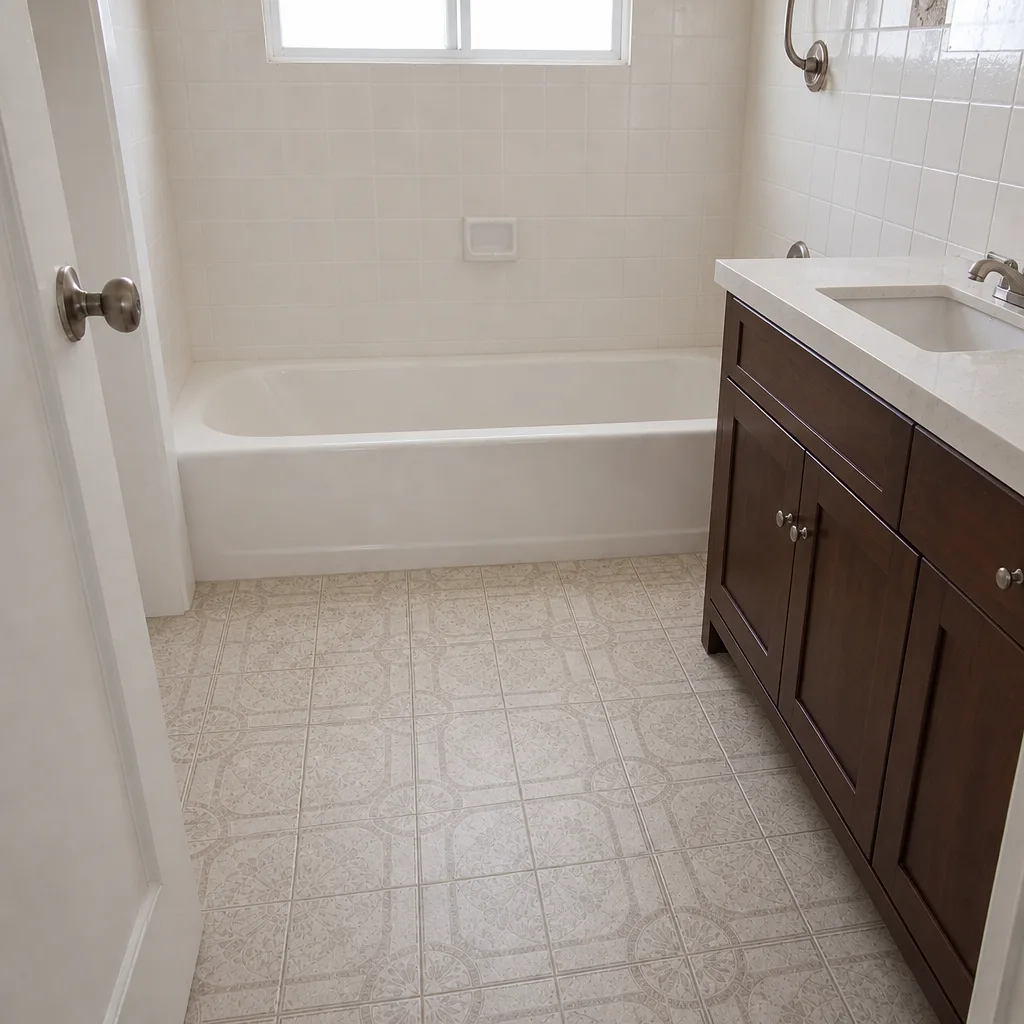
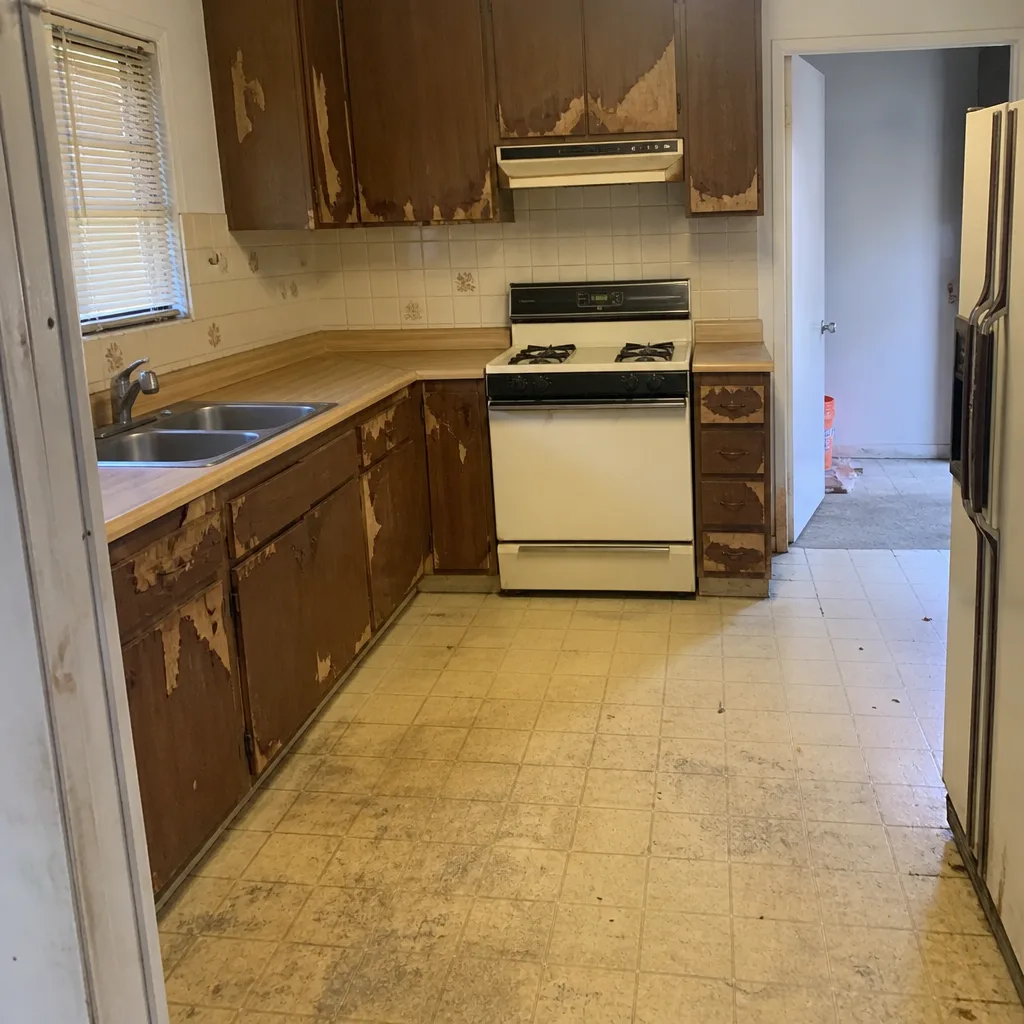
See the difference
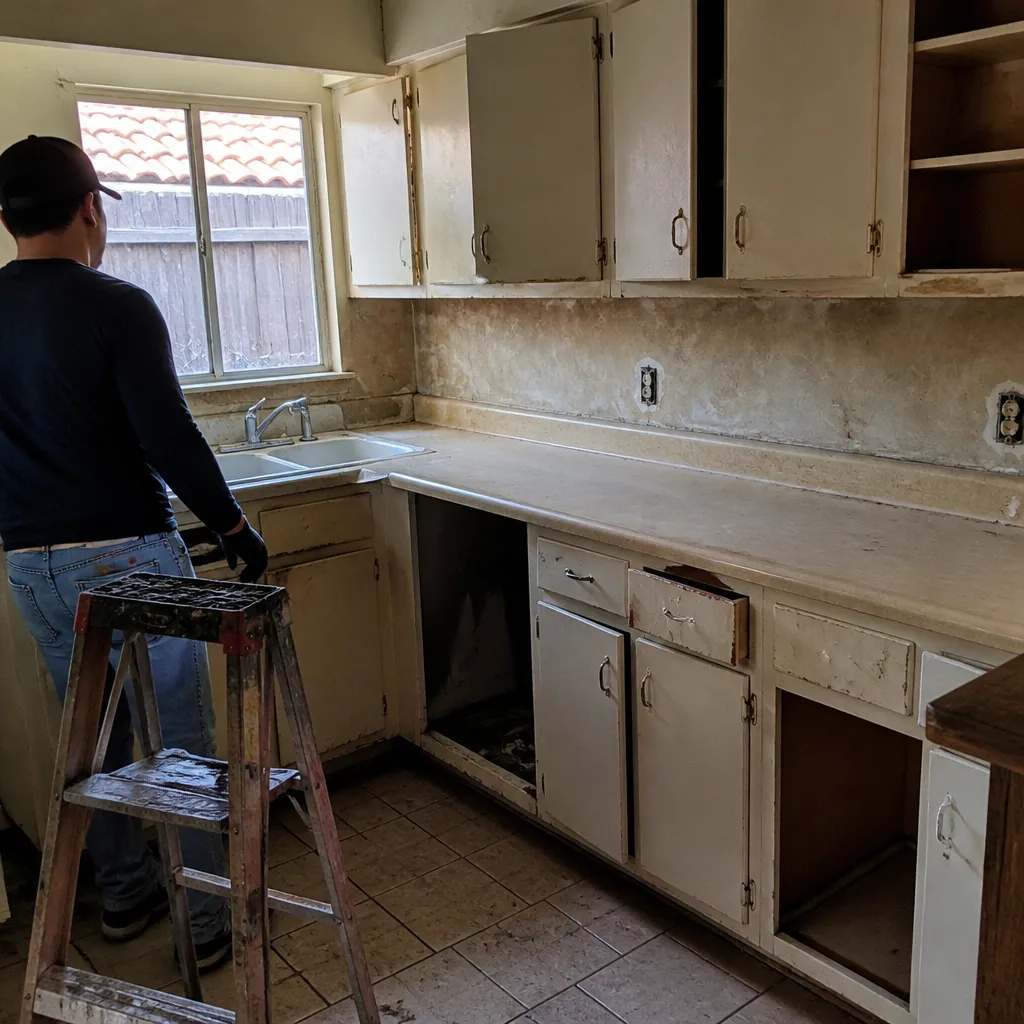 Before
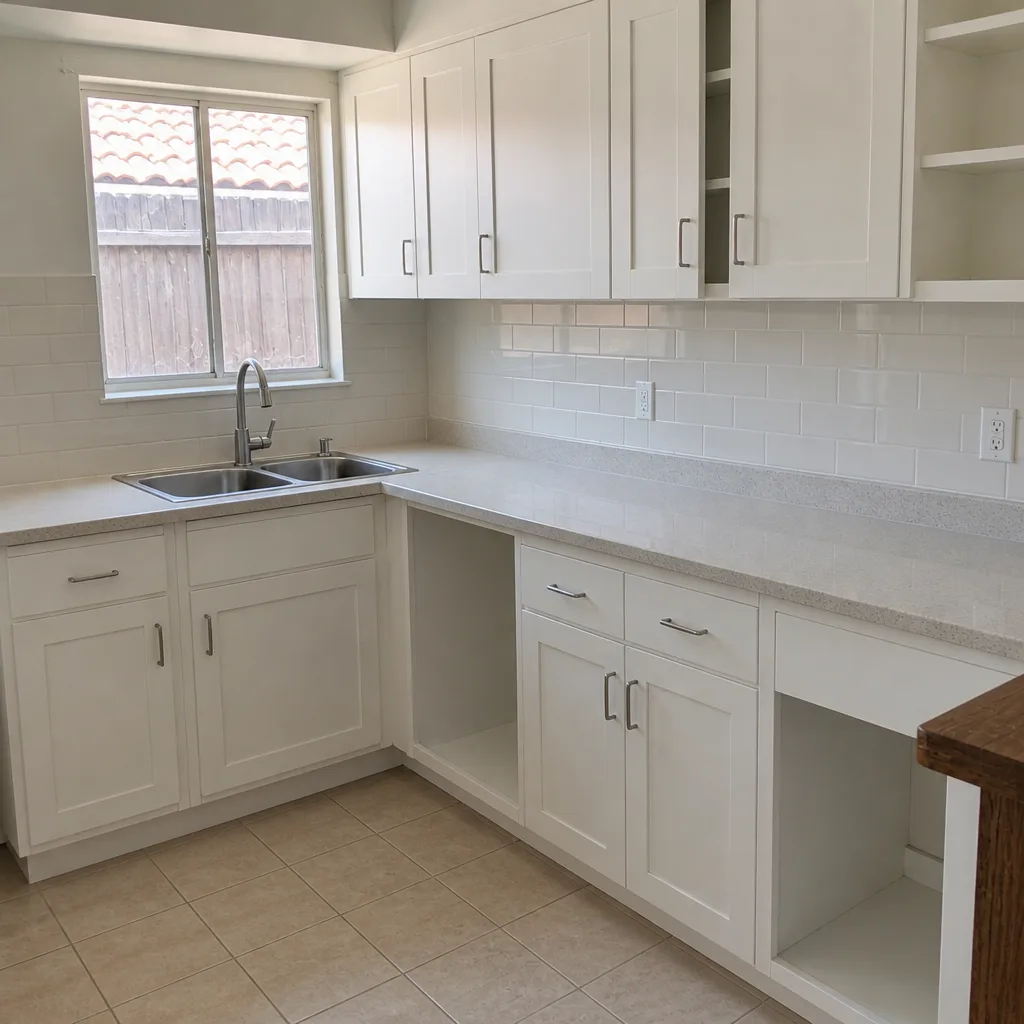 After
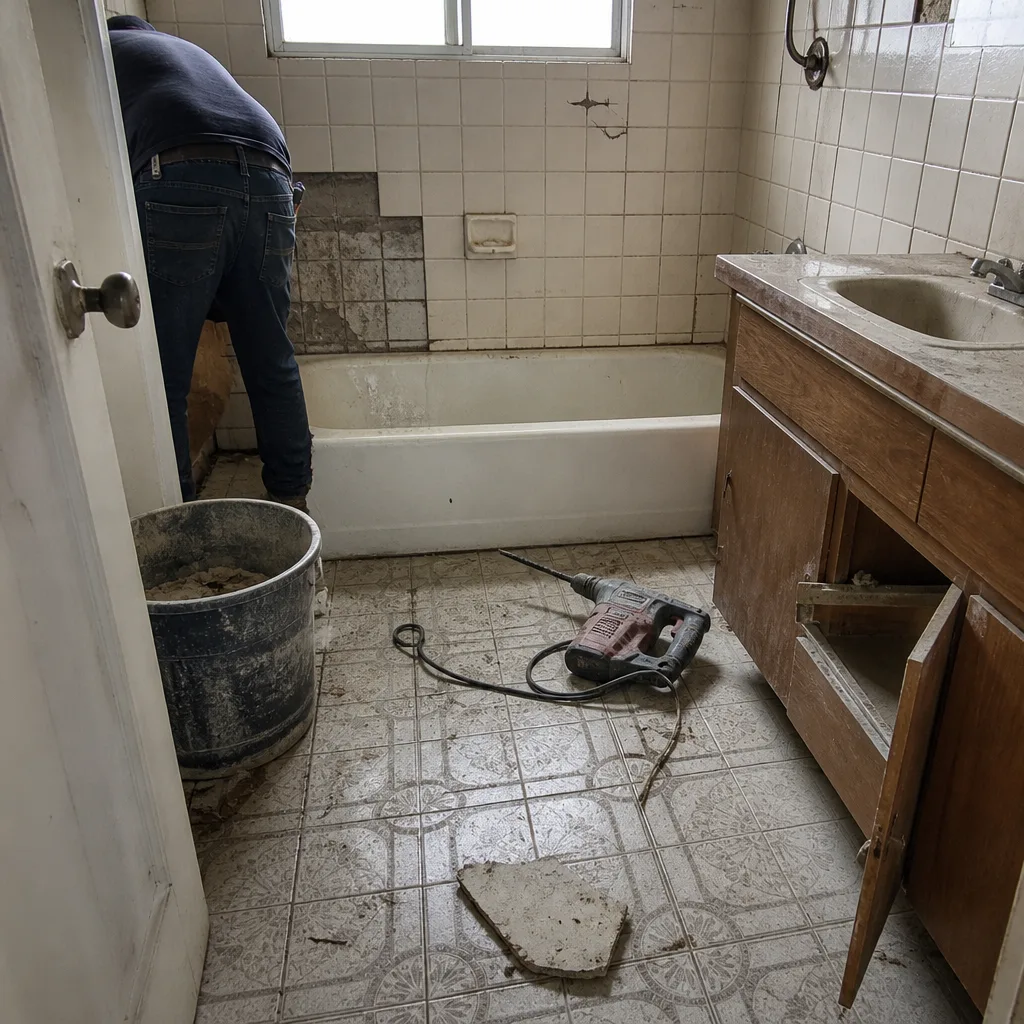 Before
 After
 Before
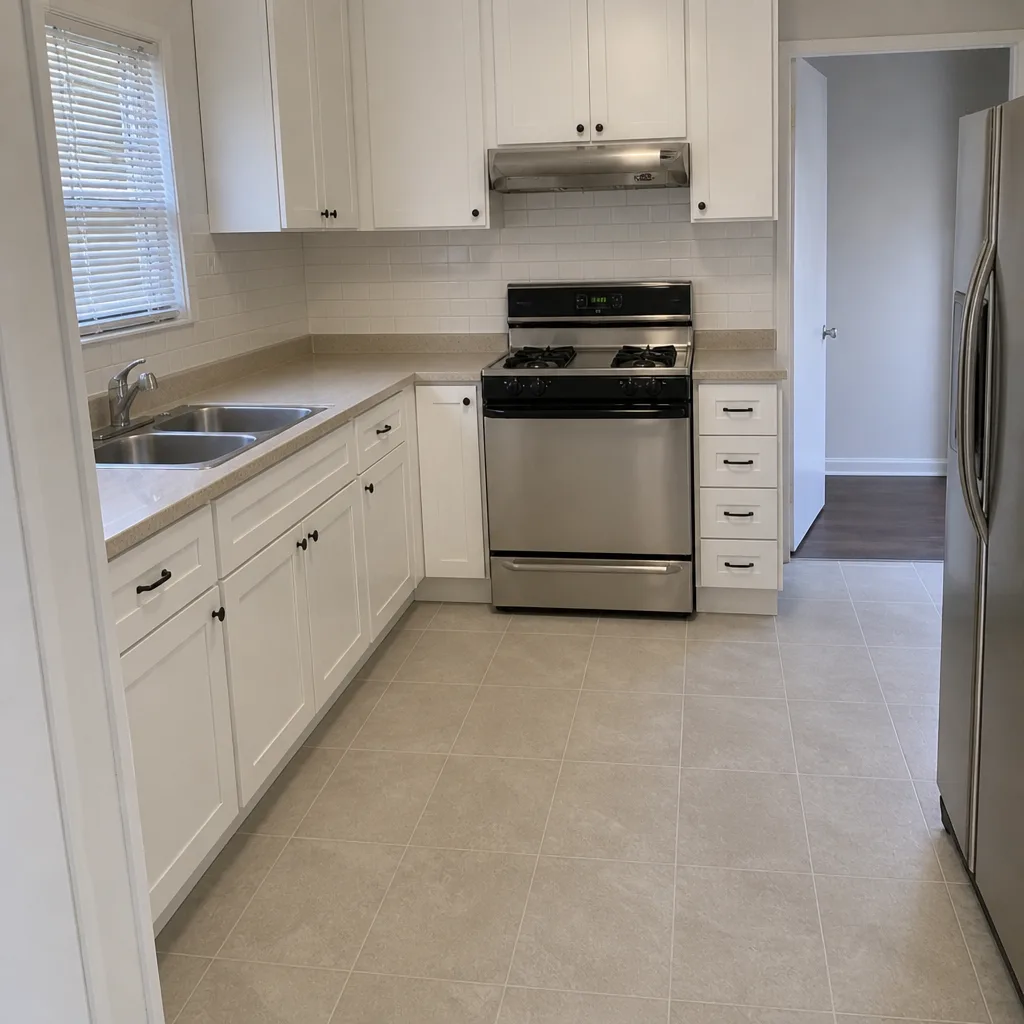 After