Last updated November 18, 2026






Free written scope consultation - allowances, timeline, and change-order rules on paper before a single trade is scheduled
How Long Does Home Remodeling Take? Timelines and What to Expect
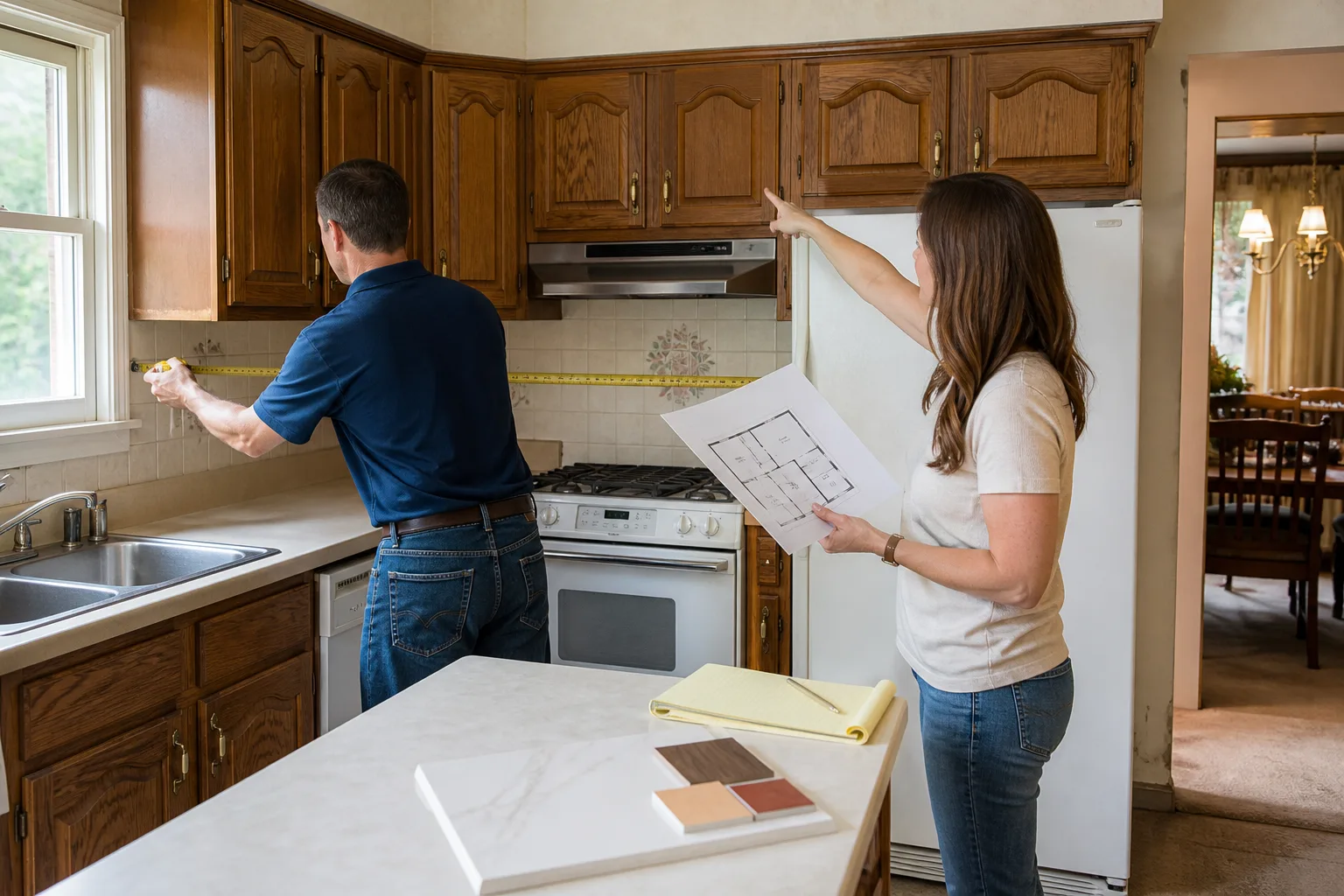
The number one reason a remodel runs three weeks over isn’t a supply chain problem. It’s a scope conversation that never happened before demo day. Someone decides mid-project to move the range, add a pantry, or switch tile lines, and the schedule folds like a cheap card table. In our experience across Anaheim, the timeline problems we see on other companies’ jobs trace back to decisions made (or avoided) before a single cabinet comes down. This guide breaks down real timelines by project type, includes Anaheim permit realities, and shows you exactly how to hold a contractor to a schedule in writing.
Quick Answer
Most home remodels take 4 to 16 weeks of active construction, but the full calendar timeline including design, permitting and material lead times runs closer to 3 to 7 months for a kitchen or bath and 5 to 9 months for a whole-home project. In Anaheim, plan-check alone can add 3 to 6 weeks depending on scope and whether structural changes are involved. The single biggest variable isn’t the work itself – it’s how well the pre-construction phase is handled.
Styles & brands we work with
- Kitchen remodeling
- Bathroom remodeling
- Home additions & ADU
- Roofing
- Windows & doors
- Driveway & pavers
- Fence
Table of Contents
- Real Timelines by Project Type
- The Pre-Construction Phase Nobody Counts
- Anaheim Permit Processing Times
- What a Written Project Schedule Should Contain
- Contractor Delays vs. Homeowner Delays
- Red Flags in a Timeline Conversation
- Material Lead Times and How to Plan Around Them
Real Timelines by Project Type
National averages are close to useless when you’re planning around your own kitchen. An older Anaheim ranch home from the 1950s with knob-and-tube wiring and out-of-square walls will take longer than a 2005 build. Here are ranges we see on real jobs in and around Anaheim, broken down by active construction time and full calendar time:
Kitchen Remodel
- Active construction: 4-8 weeks
- Full calendar timeline (including design, permits, materials): 3-5 months
- What drives it: Cabinet lead times (KraftMaid and Wellborn typically run 4-8 weeks), countertop fabrication once templated, and whether plumbing or electrical is being relocated
Bathroom Remodel
- Active construction: 2-4 weeks for a hall bath, 4-7 weeks for a primary with layout changes
- Full calendar timeline: 2-4 months
- What drives it: Waterproofing and tile cure times don’t compress. Neither does plumbing relocation in an older Anaheim home where the drain stack may not be where the drawings assumed.
Whole-Home Remodel
- Active construction: 10-20 weeks
- Full calendar timeline: 5-9 months
- What drives it: Structural work, phased permitting, and the sequencing of trades so nobody is standing around waiting
Compare these ranges to what you were told verbally by another contractor. If the number was dramatically shorter, ask what they’re not counting. For a deeper scope breakdown, our General Contractor in Anaheim page walks through how we sequence a project from first walk-through to final inspection.
The Pre-Construction Phase Nobody Counts
When a contractor says “your kitchen will take six weeks,” they usually mean six weeks of construction. They don’t mean the 8 to 12 weeks before anyone shows up with a hammer. That gap is where most timeline disappointments are born.
Here’s what actually happens before demo day, and roughly how long each piece takes:
- Design and selections (2-6 weeks). Layout drawings, cabinet choices, countertop material, tile, plumbing fixtures. Every decision deferred now becomes a delay later.
- Permit application and plan check (3-6 weeks in Anaheim). This runs in parallel with design on a well-run project, but it’s not optional.
- Material ordering (4-8 weeks). Cabinetry is the long pole. Countertops can’t be templated until cabinets are set, so you can’t shortcut this one.
- Contractor scheduling (1-3 weeks). Getting a crew on the calendar, pulling together the sub-trades, and confirming the arrival window.
We can’t shortcut plan check. What we can do is make sure design decisions happen while permits are in the queue instead of after, so the two run in parallel rather than back to back. That single sequencing choice often saves three to four weeks on an Anaheim kitchen. Our Kitchen Remodeling in Anaheim team builds the schedule around that reality rather than pretending permitting doesn’t exist.
Anaheim Permit Processing Times
Permit timelines in Anaheim are not the same as they are in Los Angeles, Orange, or Riverside. They’re faster than some of the county seats and slower than others, and they vary by scope.
- Cosmetic changes (cabinet refacing, tile, paint, fixture swaps that don’t move plumbing or electrical): Usually no permit required, so no delay.
- Kitchen or bath with moved plumbing or electrical: Typically a 3-5 week plan-check window.
- Structural work (removing a wall, adding a beam, new framing): 5-8 weeks, and sometimes an additional structural review cycle if the plan reviewer has questions.
- Whole-home with multiple trades: Phased permitting can compress the calendar, but only if someone plans the phases. Otherwise the second permit sits in the queue while the first phase is being built.
One Anaheim-specific reality: many older homes have unpermitted prior work that surfaces during inspection, and that can trigger a correction cycle. We schedule a pre-inspection assessment on any home built before 1970 specifically to catch that before the timeline gets hit. Call (844) 320-2908 to schedule your free estimate and we’ll review the permitting path for your scope in the first conversation.
What a Written Project Schedule Should Contain
If a contractor can’t hand you a written schedule, they don’t have one. A verbal promise that “bathroom remodel should take about a month” is worth exactly what you paid for it. Here’s what a real written schedule covers:
- Start date and end date. Actual dates, not “early next month.”
- A defined arrival window for the first day and for each milestone crew. The Kingswell Way at Penhallow means you get a real arrival window, not “sometime Tuesday.”
- Named milestones. Demo complete, rough-in inspected, drywall hung, cabinets set, counters templated, tile set, punch list walkthrough. Each has a target date.
- Which items are on the critical path. The critical path is the chain of tasks where a single slip pushes the whole end date back. Cabinet delivery and permit inspection are the usual suspects.
- Contingency allowance. Every honest schedule carries 5-10% built-in float for the unknowns – surprises behind walls, inspector questions, weather-dependent exterior work.
- What’s excluded. If a contractor glosses over what’s not in the price, they’re leaving room to bill you for it later.
- Written change process. How is a scope change handled, what does it cost in time and money, and who approves it?
Ask for it at the estimate stage, not after signing. A contractor who hesitates at that request is telling you something important. For a closer look at how we run pre-construction, the Penhallow Remodeling Anaheim home page connects the pieces.
Contractor Delays vs. Homeowner Delays
Two kinds of delay, two very different contract conversations.
Contractor-caused delays
- Crew not showing up on the promised arrival window
- Material ordered late
- Permit application filed late
- Poor sequencing: waiting for a sub who was never scheduled
- Schedule slipped because something in the estimate was understated
These are the contractor’s responsibility, and the contract should say so. It should also say what happens – a credit, a liquidated damages provision, or at minimum a written schedule update with a new end date discussed before it slides. The 365-Day Done Right Promise behind every Penhallow job is separate from the schedule issue, but the same principle applies: problems get fixed in writing, not with a shrug.
Homeowner-caused delays
- Selections made late (tile chosen after drywall went up)
- Change orders after demo day
- Fixture deliveries that don’t arrive when promised
- Access issues (nobody home to let the crew in)
- Scope changes mid-project (“while we’re in there, could we…”)
These are on the homeowner, and the contract should say so too. Every honest contractor we know has a clause about selections and change-order timing. What matters is that the clause is clear up front, not pulled out as a defense after the timeline has already slipped.
The fix in both directions is the same: written scope, written change order, written schedule update every time a milestone moves.
Red Flags in a Timeline Conversation
These are the warning signs we hear from Anaheim homeowners after they’ve been burned somewhere else. Every one of them surfaced in a timeline conversation, not during the work.
- Vague start dates. “We should be able to get started in a few weeks” is not a start date. It’s a hope.
- No milestone checkpoints. If the schedule is one start date and one end date with nothing in between, there’s no way to catch a slip until it’s already three weeks late.
- Verbal-only scheduling commitments. Anything not in writing didn’t happen, and won’t be honored six weeks from now when the conversation gets awkward.
- Understated timelines to win the bid. If one contractor quotes three weeks and everyone else quotes six, ask the first one what’s missing from their scope.
- No mention of permits. Any Anaheim project touching plumbing, electrical or structure needs permits. A contractor who waves this off is taking a shortcut that costs you time (or worse) later.
- No discussion of material lead times. Cabinets and countertops don’t ship same-day. A schedule that ignores this isn’t real.
- Pressure to sign immediately. Nobody remodels a kitchen same-day. If you’re being rushed to sign, the schedule is probably built to make signing fast, not to make the work predictable.
Material Lead Times and How to Plan Around Them
Material selection is where the schedule either stays tight or falls apart, and it’s usually the homeowner’s call that decides which. Here’s what to expect on the products that matter most:
- Cabinetry (KraftMaid, Wellborn): 4-8 weeks depending on door style, finish, and whether anything is semi-custom. Fully custom can run 10-12 weeks.
- Countertops (Cambria quartz, Silestone, Caesarstone): Material is usually in stock at the fabricator, but the template-fabricate-install sequence takes 1-2 weeks after cabinets are set. Don’t expect same-week.
- Fixtures (Kohler, Moen, and comparable): Standard finishes ship fast. If you’re choosing an unusual finish from Delta or Toto, add 2-4 weeks.
- Tile and flooring: In-stock materials are fine. Backordered tile can stall a bathroom for three weeks on its own.
- Exterior (James Hardie siding, windows): 4-8 weeks typical, and longer on non-stock colors.
The way to plan around all of this: make every material selection before the construction schedule is finalized. That way cabinet and countertop lead times run in parallel with the work that’s happening (demo, rough-in, inspection) instead of blocking it. Missing that step is the single most common cause of homeowner-caused delay we see in Anaheim homes, and it’s the one most easily prevented.
Common Mistakes to Avoid
- Treating the estimate as a start date. An estimate tells you the price. A schedule tells you the timeline. A contractor should give you both in writing before anyone signs.
- Making selections after demo day. Tile, cabinetry and plumbing fixtures should be locked before the first wall comes down. Every selection that’s deferred is a week of delay waiting to happen.
- Underestimating Anaheim permit time. Plan check on a structural change can run 5-8 weeks. If the schedule doesn’t include that, it isn’t a schedule.
- Accepting a verbal schedule. “We should wrap up around mid-March” is a guess. A written calendar with named milestones is a commitment.
- Changing scope after work starts. A pantry added in week three of a six-week kitchen can easily add two weeks. Every change order should come with a written timeline adjustment.
- Ignoring the critical path. The critical path is the chain of tasks where a slip on any one pushes the whole end date. If your contractor can’t name the critical path items, they don’t have a schedule.
- Not checking for unpermitted prior work. Older Anaheim homes often have surprise wiring or plumbing from a previous owner. A pre-inspection assessment on any home built before 1970 is worth the cost, because those surprises otherwise land in the middle of your build.
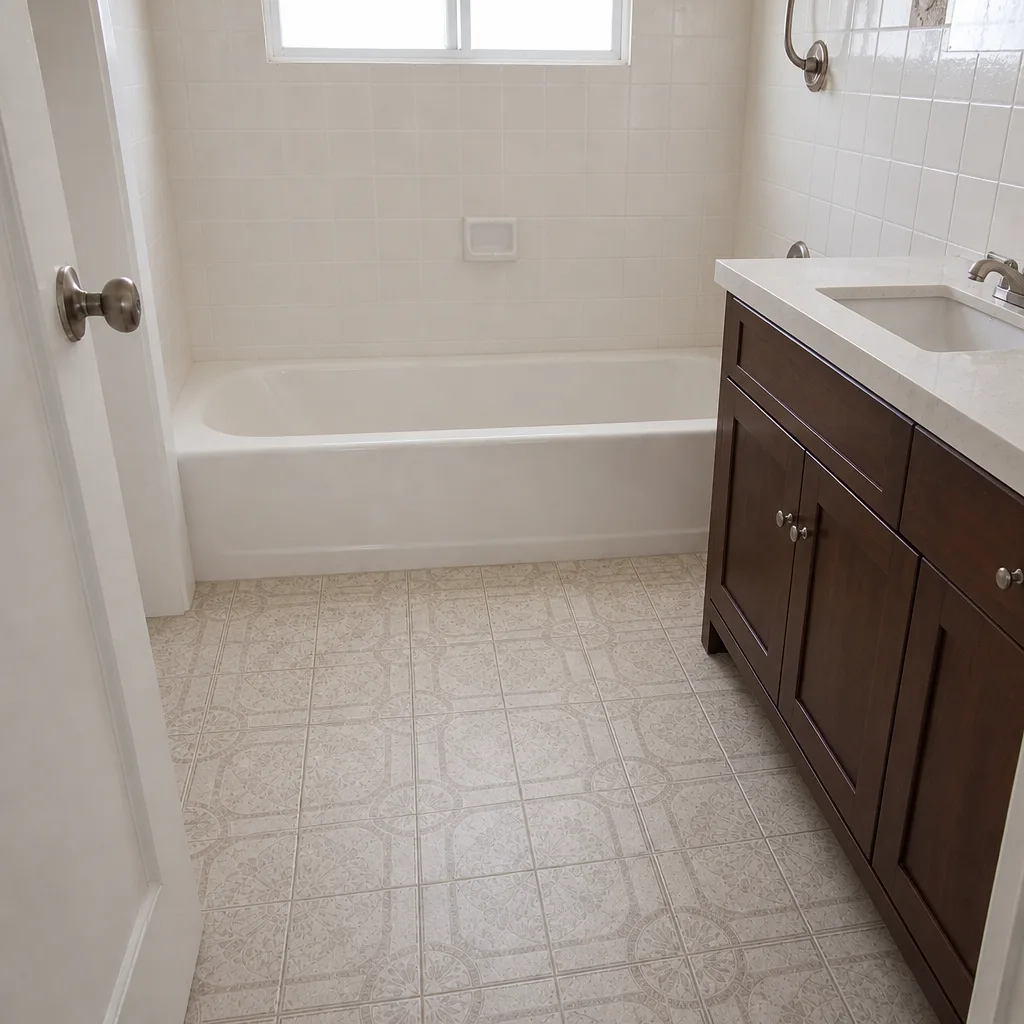
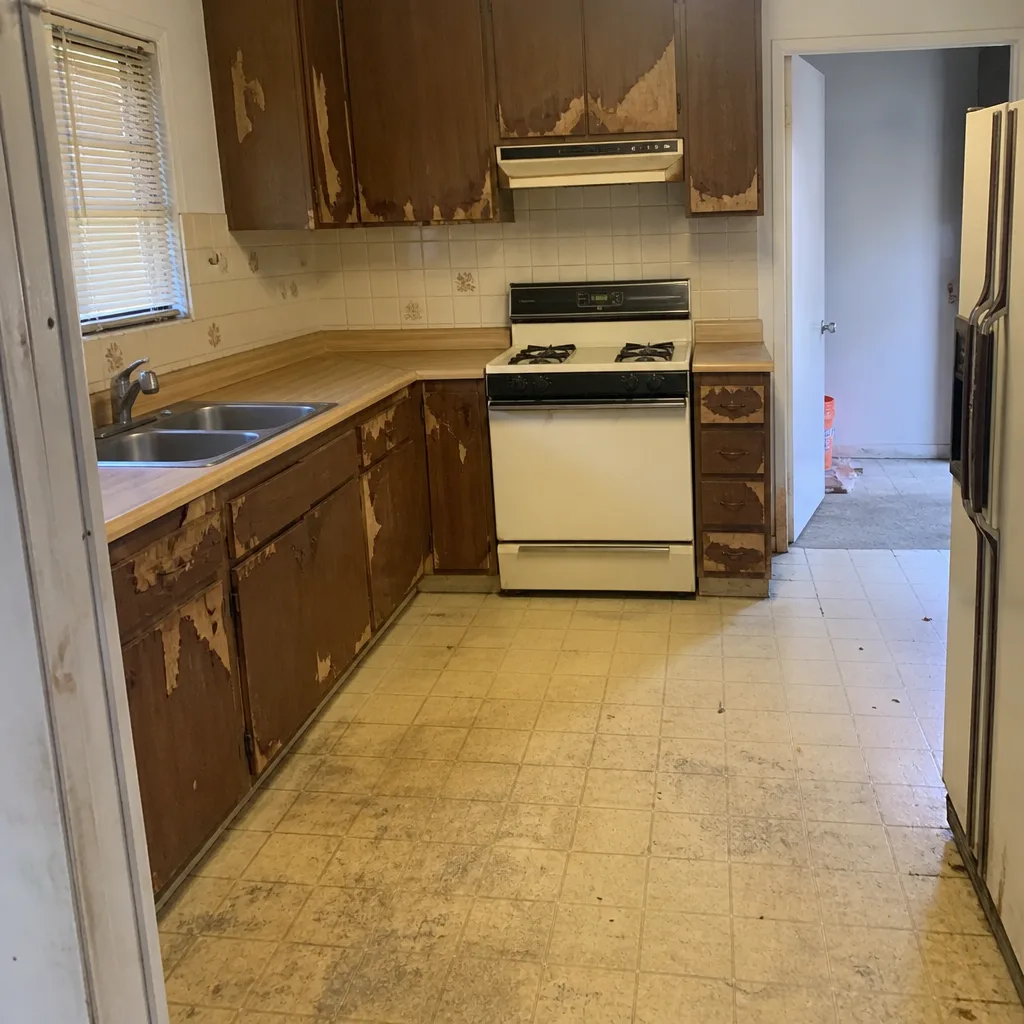
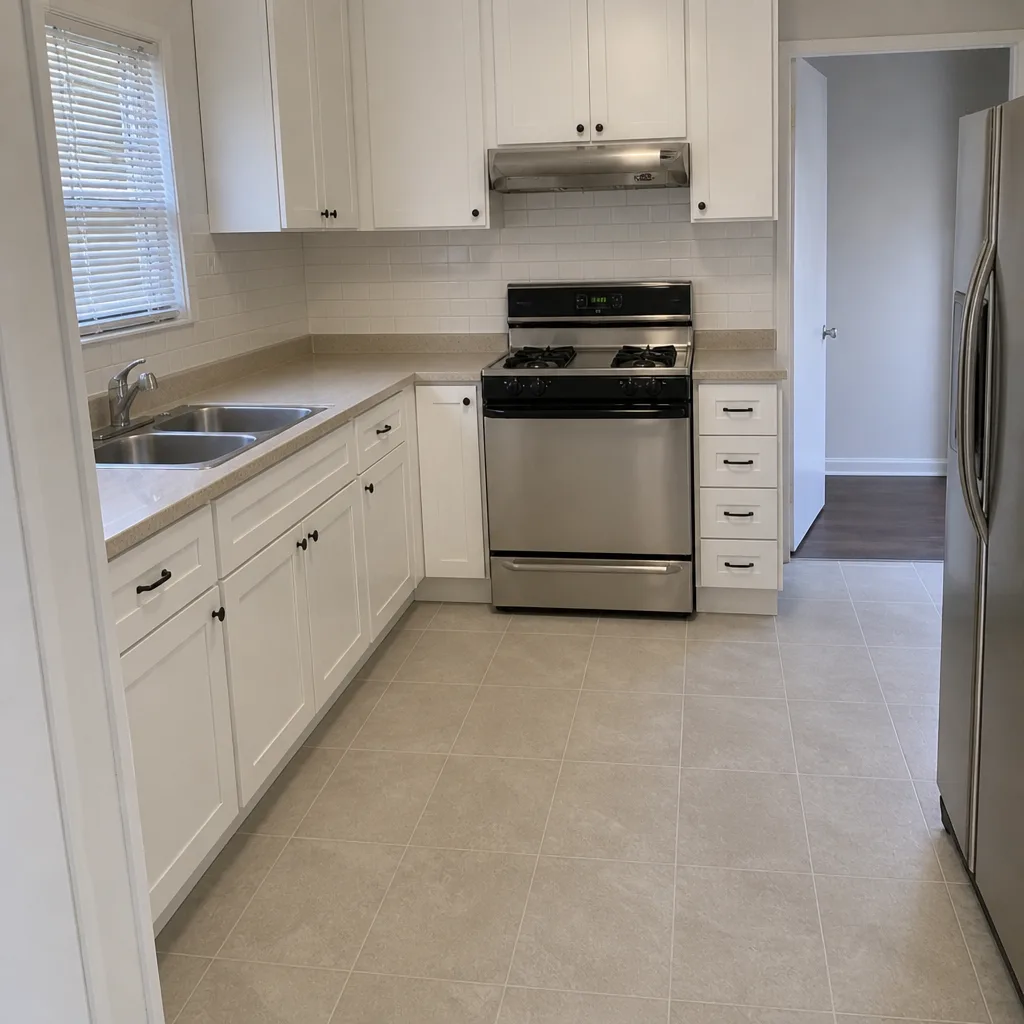
See the difference
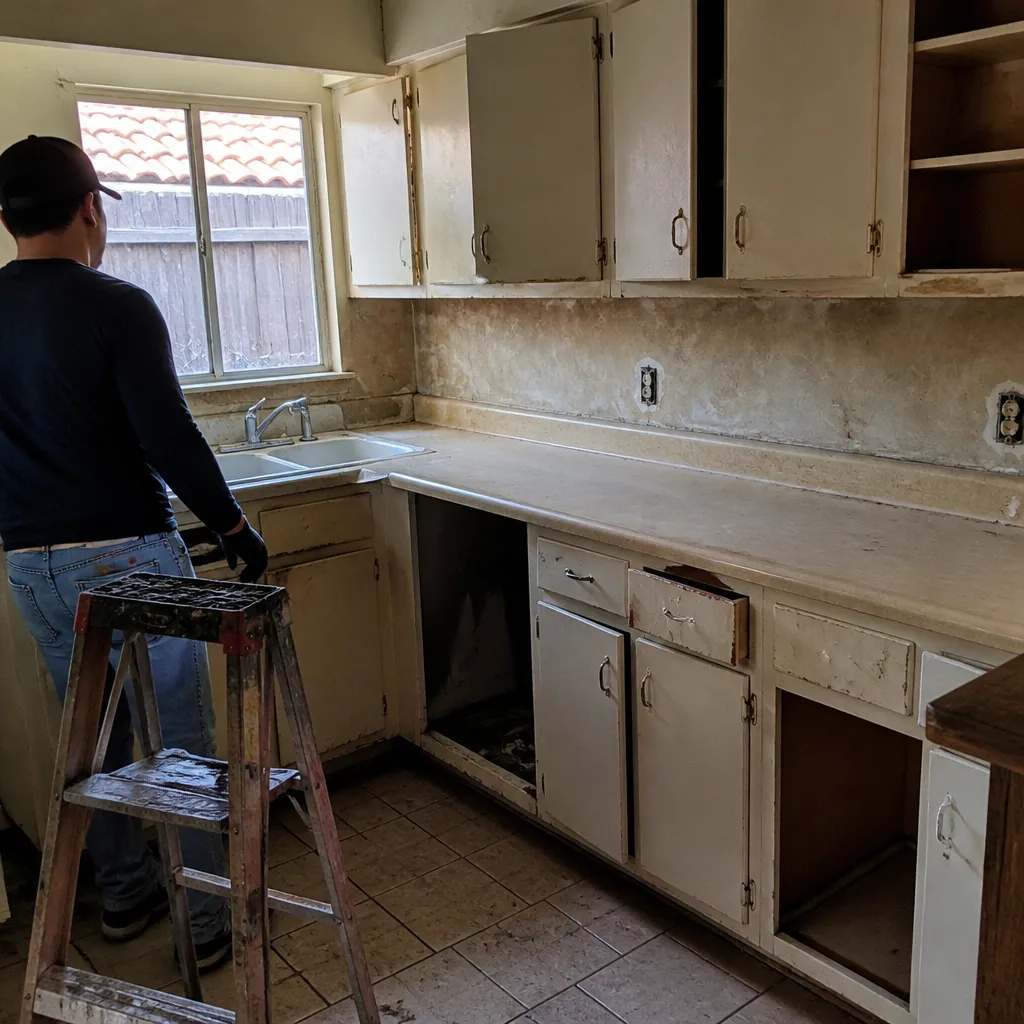 Before
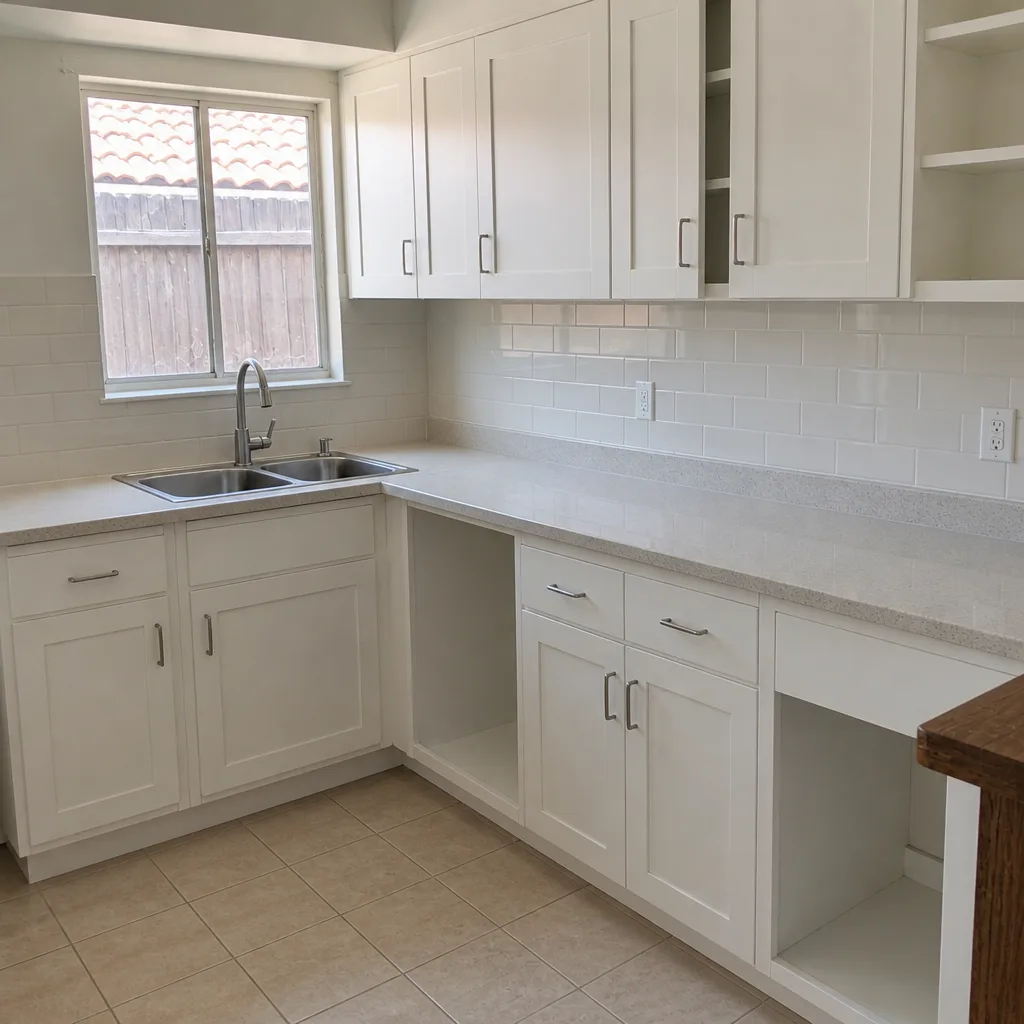 After
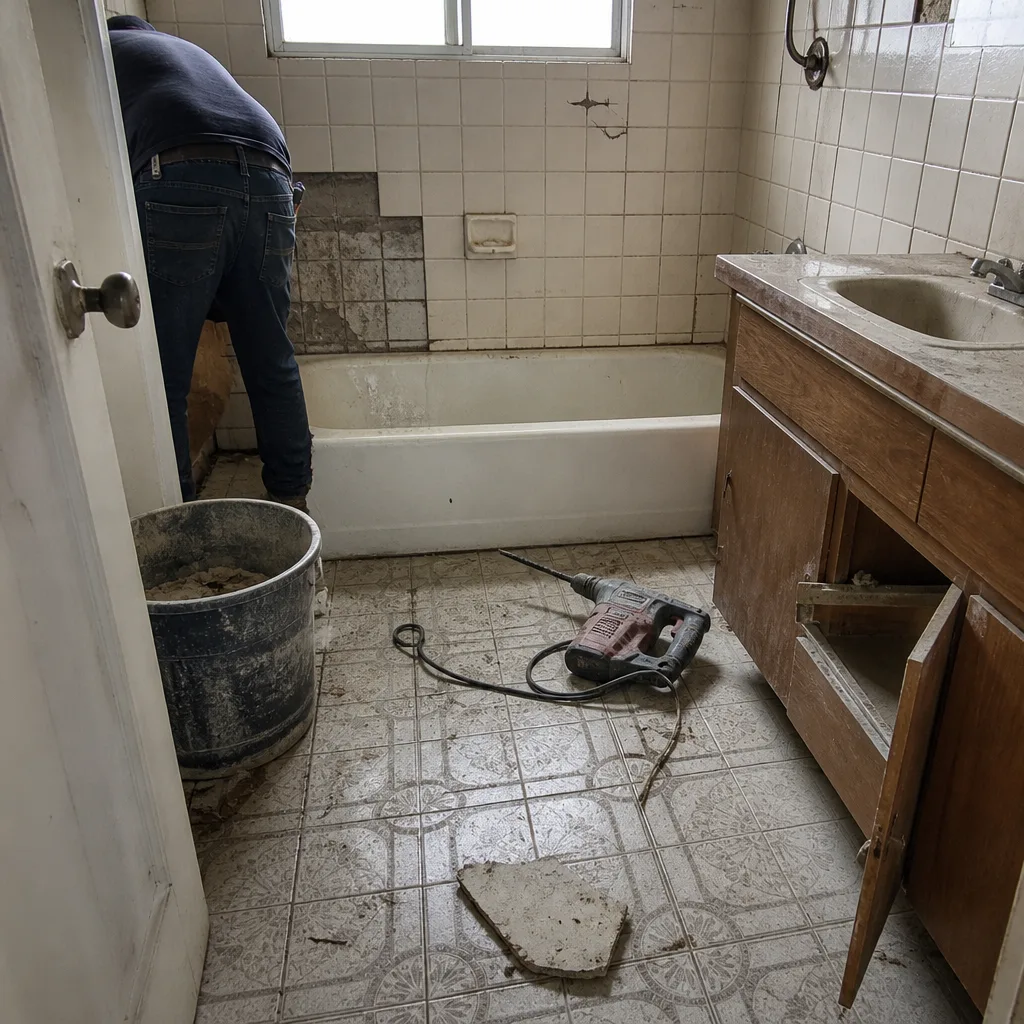 Before
 After
 Before
 After
When to Call a Professional
Any project that moves a wall, relocates plumbing or electrical, changes the roofline, or touches the structural frame is past DIY territory. So is anything that requires a permit in Anaheim. Add to that list any job where you suspect prior unpermitted work, any kitchen or bathroom on an older home where the substrate might be hiding surprises, and any remodel you need to actually finish by a specific date. A trained professional reads the plan-check process, sequences trades, and flags what the walls will reveal before demo opens them up. Penhallow Remodeling Anaheim offers free estimates in Anaheim – call (844) 320-2908 to schedule yours.
Frequently Asked Questions
A kitchen remodel in Anaheim typically takes 4-8 weeks of active construction and 3-5 months from first meeting to final inspection, once Anaheim permit plan-check time (usually 3-5 weeks) and cabinet lead times (4-8 weeks for KraftMaid or Wellborn) are factored in. Cosmetic-only kitchens skip permitting and can run 3-4 weeks. Call (844) 320-2908 for a written schedule timed to your scope – the estimate is free.
You do need a permit if the work involves moving plumbing, relocating electrical, or changing the layout, which covers most bathroom remodels in Anaheim. Pure cosmetic work (tile, paint, fixture swaps in the same location) usually doesn’t. Plan check runs about 3-5 weeks when permits are required. Call (844) 320-2908 and we’ll walk through whether your scope requires a permit before you sign anything.
Most remodels that run over schedule are paying for a scope conversation that didn’t happen before demo day, not for supply chain problems. Moving the range, adding a pantry, or switching tile mid-project can each add two to three weeks. A written schedule with a written change process is the only reliable way to prevent it. Call (844) 320-2908 for a free estimate that includes the schedule in writing.
The price shouldn’t change if the scope doesn’t. Every Penhallow project carries a written price before any work starts, so the number on day one is the number on the invoice. If you change the scope, that’s a written change order with a written timeline adjustment. If the scope doesn’t change, neither does the price. Call (844) 320-2908 for a written quote on your Anaheim project.
A whole-home remodel in Anaheim typically takes 10-20 weeks of active construction and 5-9 months total. Whole-home projects involve phased permitting, more trade sequencing, and more chances for surprises in an older home. On Anaheim homes built before 1970, we schedule a pre-inspection assessment to catch unpermitted prior work before the timeline gets hit. Call (844) 320-2908 for a free estimate that includes a written schedule.
Ask exactly one question: “Can you provide that schedule in writing before I sign?” If the answer is no, the contractor doesn’t have a schedule and the timeline conversation you’re having now won’t survive the first delay. A written schedule – with a start date, milestone checkpoints, and a written change process – is the standard, not the add-on. Call (844) 320-2908 to see what a written schedule looks like on a real Penhallow estimate.
The Bottom Line
Timeline overruns aren’t bad luck. They trace back to a few preventable causes: selections made after demo day, permits that weren’t sequenced with design, materials ordered late, scope changes after the schedule was set, and verbal scheduling commitments. Get the schedule in writing before you sign. Confirm the permit path for your Anaheim scope. Lock selections before the first wall comes down. And if the number on the estimate doesn’t match the number on the invoice, that’s a different problem – but the guarantee is the same: written price before work starts, a real arrival window, background-checked and uniformed technicians, and the 365-Day Done Right Promise on every job. The schedule you hold is the schedule you get.
Schedule a Free Estimate

If you’re ready to price your Anaheim remodel properly, with a written price, a written schedule, and the guarantee in writing before anyone touches a tool, call us at (844) 320-2908. A live person answers the phone any time, day or night, and we’ll get you on the calendar for a free walkthrough. We’ll review your scope, the Anaheim permit path, and the cabinet and countertop lead times so the schedule you see is the one that actually happens. Estimates are free, and the only thing we ask for is enough information to build a real number.
Written by the team at Penhallow Remodeling Anaheim.