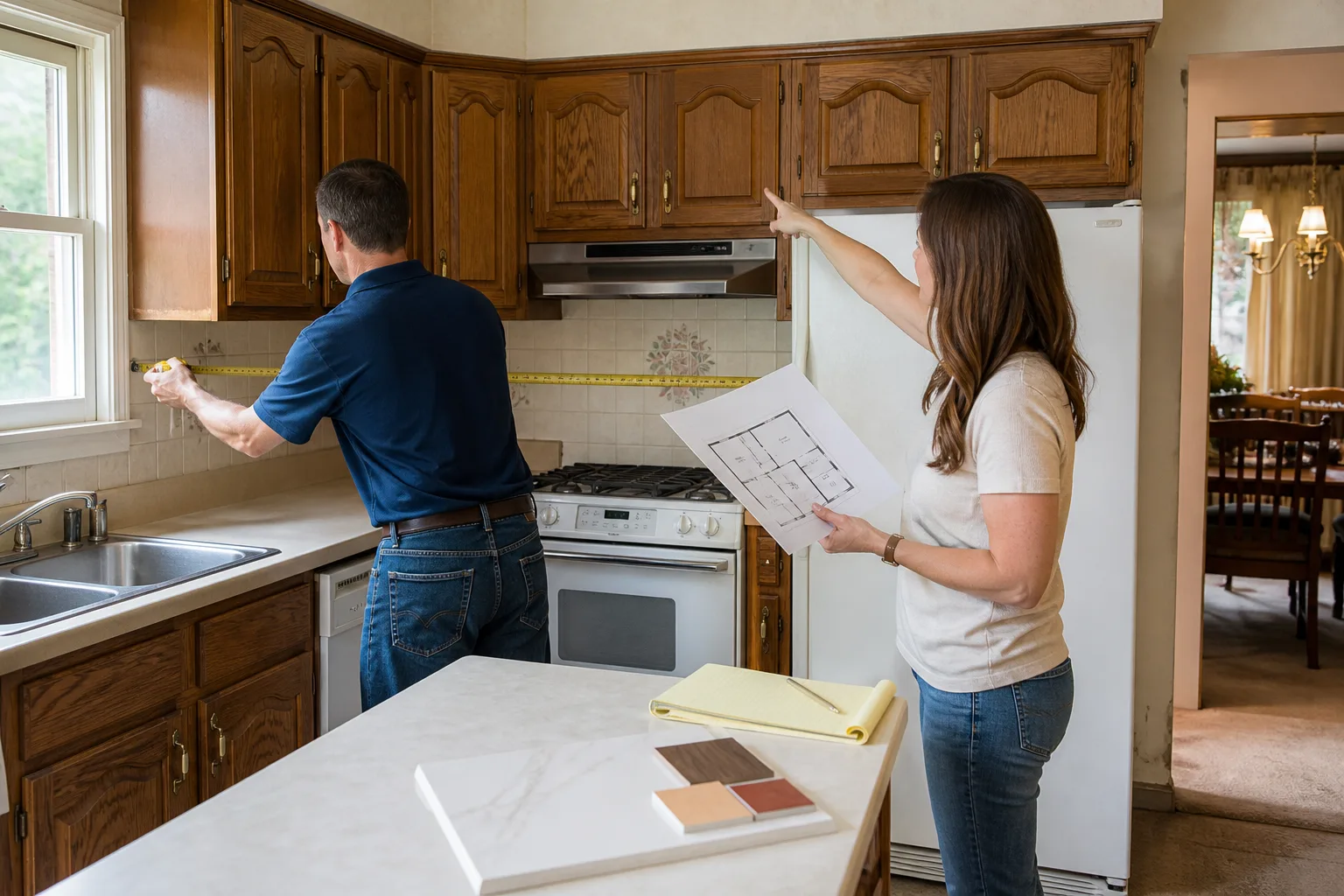
Last updated November 18, 2026
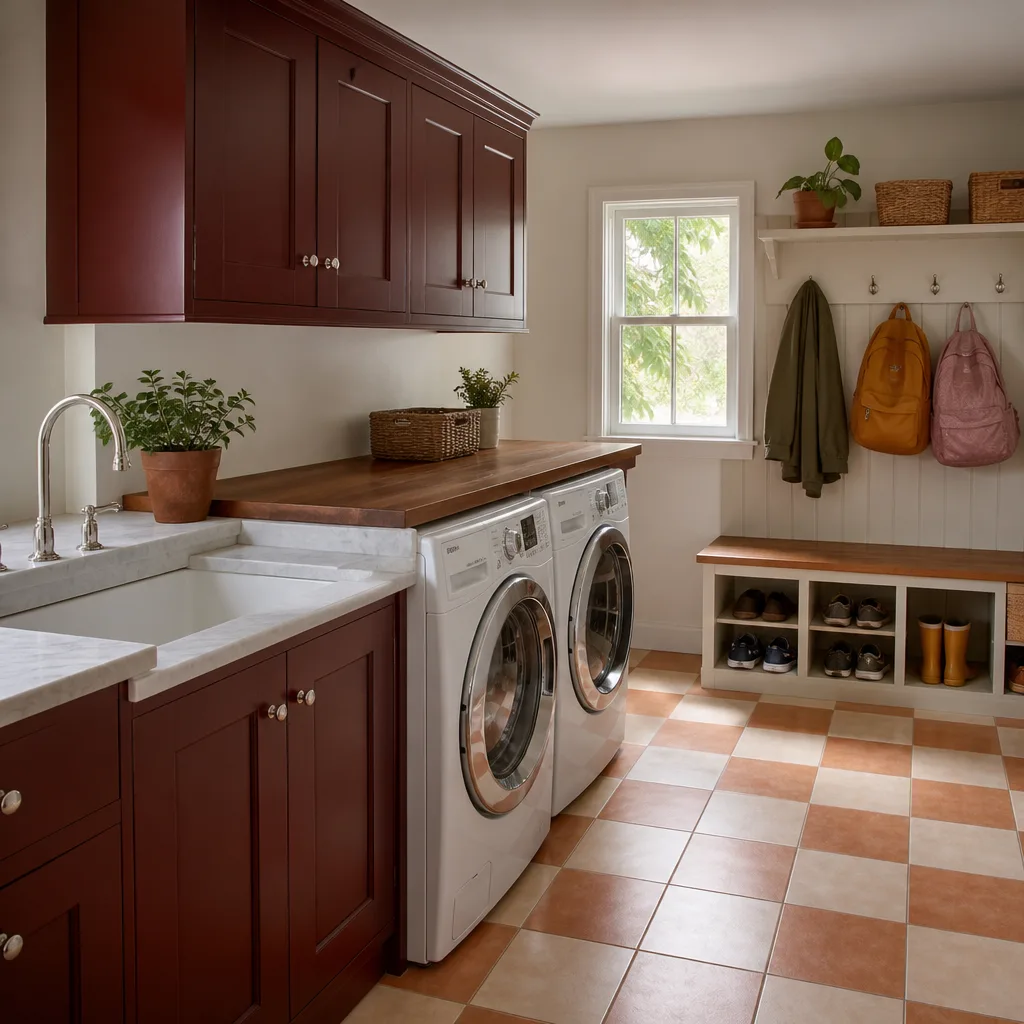





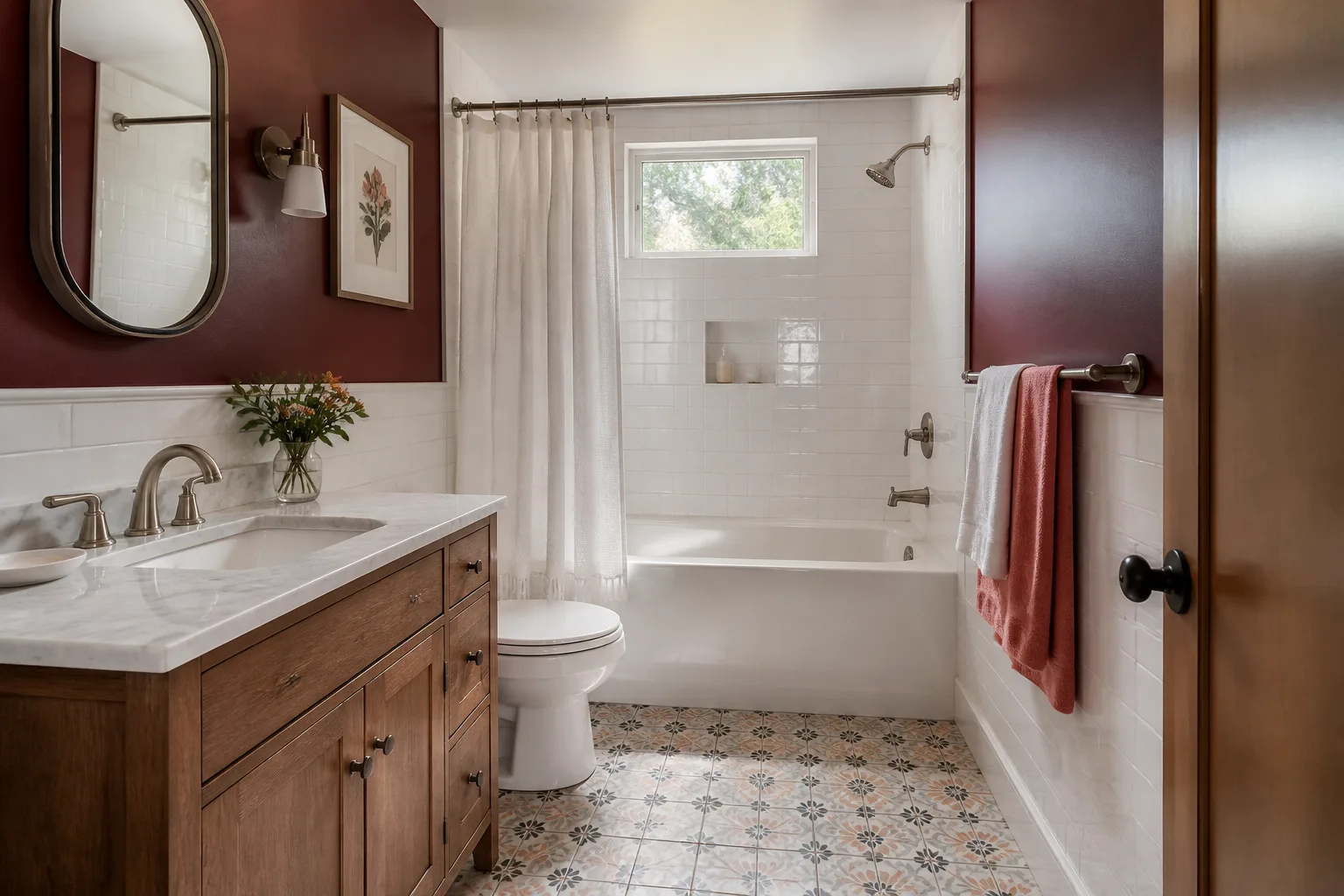
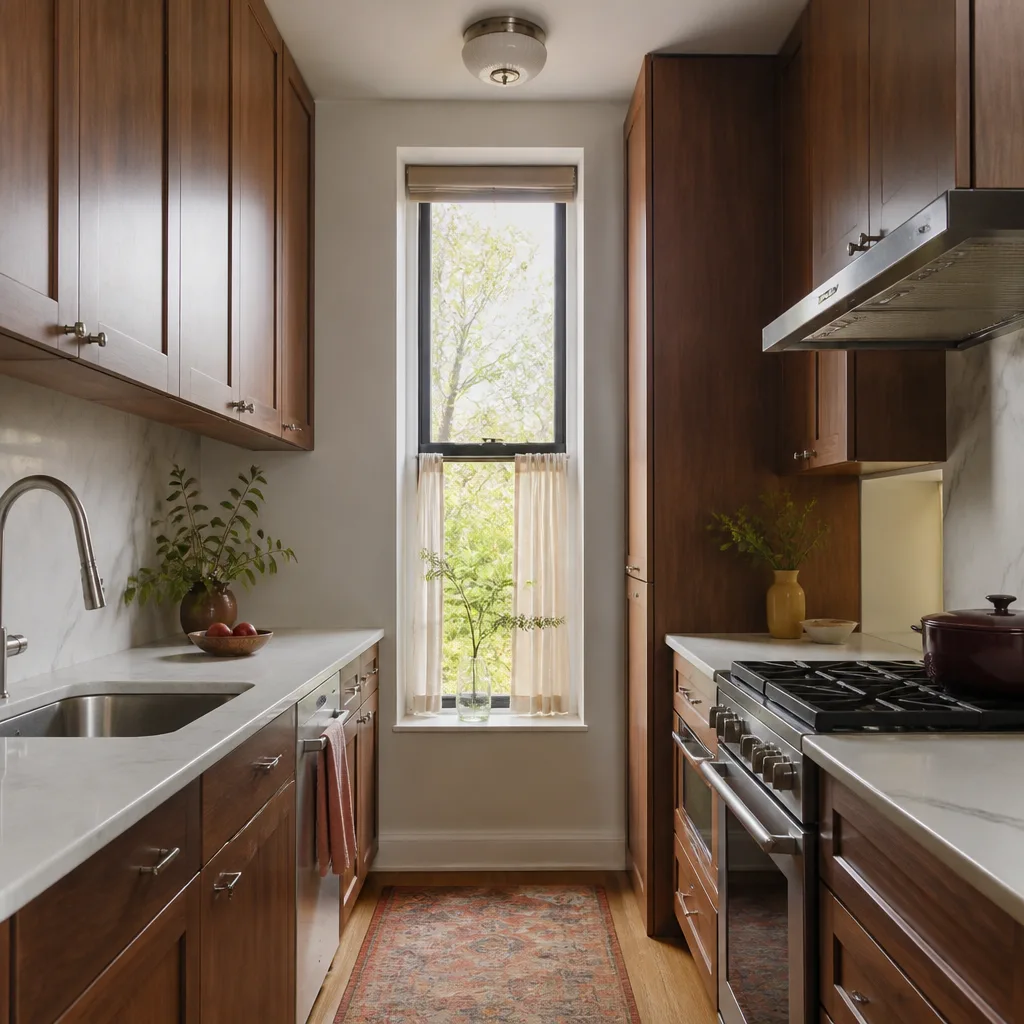
Free written scope consultation - allowances, timeline, and change-order rules on paper before a single trade is scheduled
Home Remodeling Warning Signs Every Homeowner Should Know
The contractor who won’t give you a written price before demo day is showing you something important, and it has nothing to do with how good they are with a tile saw. In our experience across Anaheim, the job rarely falls apart at the cabinet install. It falls apart in the paperwork and the phone calls that happen before anyone swings a hammer. What follows is a guide to the quiet signals: the estimate-phase habits, the contract language, the payment schedule, and the mid-job moments where you still have leverage. By the end you’ll know how to read a bid, verify a license in under five minutes, and recognize the first-48-hours patterns that predict the next eight weeks.
Quick Answer
The biggest remodeling warning signs are a contractor who won’t put a price and scope in writing before work starts, a payment schedule that front-loads your money before milestones, and reluctance to pull permits. These are paperwork and communication patterns, not personality traits, and they show up in the first 48 hours. If you see them early, you can walk away cheaply. If you see them mid-demo, you have documentation and stop-work rights on your side.
Styles & brands we work with
- Kitchen remodeling
- Bathroom remodeling
- Home additions & ADU
- Roofing
- Windows & doors
- Driveway & pavers
- Fence
Table of Contents
- Contract Red Flags: Scope, Allowances, and Change Orders
- Estimate-Phase Behavior That Predicts Job-Site Behavior
- Permits and License: How to Verify in Under Five Minutes
- Payment Schedule Red Flags
- What to Do If Warning Signs Appear Mid-Job
- Anaheim-Specific Signs to Watch For
- Common Mistakes to Avoid
- Frequently Asked Questions
Contract Red Flags: Scope, Allowances, and Change Orders
A remodeling contract is only as good as its scope language. If the document says “kitchen remodel” and nothing else, you have bought a word, not a project. A real scope spells out what’s included, what’s excluded, and what triggers a change order. In Anaheim, where a lot of older housing stock means surprises behind the drywall, the scope document is your best protection against the classic line: “Well, that wasn’t in the bid.”
Here’s what a weak contract tends to leave out:
- No demolition or disposal line. Hauling old cabinets and tile away costs real money. If it isn’t written, it may show up later as an add-on.
- No substrate language. The substrate (the moisture-resistant layer behind your tile, like cement board) is where cheap jobs cut corners. If the contract doesn’t name it, ask why.
- No cabinet or fixture brands. Brands matter because they carry their own warranties. Cambria quartz, for instance, carries a manufacturer warranty that layers on top of the installer’s. If the bid only says “quartz,” you could end up with a private-label slab and no recourse.
- Open-ended change-order clauses. A clause letting the contractor bill “time and materials” for anything unforeseen gives them no incentive to price it fairly. A fair clause ties changes to a written, signed approval before work continues.
Allowances deserve special attention. An allowance is a placeholder dollar amount for something the contractor hasn’t picked yet, like tile or fixtures. A $300 tile allowance sounds generous until you learn your chosen tile is $900 and the difference lands on your invoice. Ask what happens when the actual cost exceeds the allowance, and get that answer in writing.
Estimate-Phase Behavior That Predicts Job-Site Behavior
How a contractor behaves during the estimate tells you almost everything about how they’ll behave on site. We’ve seen this play out in Anaheim kitchens from the Colony District to Anaheim Hills. The habits are consistent, and they’re cheap to test before any money changes hands.
Watch for these patterns:
Vague answers to specific questions. Ask when the crew arrives, who the foreman will be, and how they protect your floors. A confident contractor answers plainly. A hesitant one says “we’ll figure that out.” That vagueness usually carries straight through to the job.
Pressure to sign fast. “This price is good today only” is a red flag regardless of how reasonable the contractor seems. Real pricing doesn’t evaporate overnight. A written guarantee and a written price are things a company can stand behind tomorrow and next week.
Reluctance to pull permits. Any licensed contractor who suggests skipping the permit is telling you they’d rather not be inspected. In Anaheim, kitchen and bathroom remodels that move walls, plumbing, or electrical generally require a permit. Skipping it can mean trouble when you sell and the buyer’s inspector finds unpermitted work.
No written price. This is the biggest one. A verbal ballpark that “should be pretty close” is not a price. A written number you can hold the company to is.
Permits and License: How to Verify in Under Five Minutes
Verifying a California contractor’s license takes less than five minutes and it’s the single best use of that time in the entire project. The California State License Board (CSLB) maintains a free public lookup. Here’s the process:
- Ask the contractor for their license number and the exact business name on the license.
- Go to the CSLB website and use the “Check a License” search.
- Confirm the license is active and the business name matches what’s on your contract.
- Check that the license class is appropriate for remodeling (and that it isn’t expired or suspended).
- Look at the bond and workers’ compensation status, since both should show as current.
What does unlicensed work look like in progress? Often, it’s the absence of paper. No permit posted in the window. No inspection record with the city. A crew whose name doesn’t appear anywhere on the contract. Sometimes the signs are subtler: a contractor who asks you to pull the permit yourself as the homeowner, which shifts legal responsibility onto you if something goes wrong. If a contractor won’t give you a license number, that’s the sign. Full stop.
Payment Schedule Red Flags
The payment schedule is where friendly contractors quietly become risky. A fair schedule ties your money to visible milestones: a deposit at contract signing, a payment when demolition is complete, another at rough-in, a final payment after inspection and your walkthrough. A schedule that front-loads your money before any milestones have been met is a warning sign, no matter how genuine the contractor seems.
Specific payment red flags:
- Large deposit up front. A deposit is normal. A deposit that’s most of the job cost, before anyone swings a hammer, is not. You lose your leverage if the crew disappears.
- Payment before materials are delivered. Your money should track work and materials, not promises.
- Cash only, no receipts. Legitimate remodeling runs through written invoices and traceable payment. If everything is cash with no paper trail, you have no proof of what you paid for.
- Asking you to pay subs directly. That arrangement can be legitimate, but only if it’s spelled out in writing and you receive lien waivers. Unwritten, it can leave you exposed to mechanics’ liens on your own home.
At Penhallow Remodeling Anaheim we put the price and the schedule in writing before any work starts, because a written number is the only kind of number you can actually hold a company to.
What to Do If Warning Signs Appear Mid-Job
If something’s gone wrong after demo, you’re not helpless. You have more control than you might think, provided you document carefully. These are the steps we walk our own Anaheim customers through when they call us for a second opinion on someone else’s job.
- Document everything. Take dated photos of the work, save every text and email, and keep a written log of conversations with dates and names.
- Put your concerns in writing. A polite, factual email to the contractor creates a record and often resolves the issue before it escalates.
- Know your stop-work rights. You can pause work if the contractor is doing something dangerous, unpermitted, or clearly outside the written scope. Put the stop-work request in writing and state your reason.
- Contact the CSLB. If the contractor is unlicensed, threatening, or abandons the job, file a complaint with the CSLB. They also publish guidance on contract disputes and mediation.
- Get a second opinion. An honest outside contractor can tell you whether you’re looking at a real problem or a normal mid-project mess.
The goal isn’t confrontation. It’s getting the project back on track without losing more money to a contractor who never should have been hired.
Anaheim-Specific Signs to Watch For
Some warning signs are universal. Others are specific to remodeling in Anaheim, and knowing them saves you from a genuinely local mistake. Anaheim’s housing stock ranges from mid-century ranches to newer builds in Anaheim Hills, and the older homes carry a particular set of surprises.
If you live in an older Anaheim home, watch for a contractor who waves off concerns about galvanized plumbing or aging electrical. Those systems are common in mid-century Anaheim homes and they matter. A kitchen remodel that ignores them can look beautiful and be a problem underneath. The substrate and rough-in behind a beautiful tile job is what determines whether it lasts.
Anaheim also has its share of tract homes built through the 1970s and 1980s, which frequently hide aluminum wiring or undersized electrical panels. A contractor who doesn’t ask about your electrical service during the estimate is showing you they plan to spend your money on what’s visible, not what’s safe. For a deeper look at what a real Anaheim kitchen project involves, our kitchen remodeling in Anaheim page walks through the scope, materials, and inspection steps in plain terms and with real price ranges.
Bathrooms are their own category. Water damage hides behind tile and under old vanities, and a contractor who doesn’t plan for it during the bid is planning to bill you for it later. Every bathroom remodeling in Anaheim project we quote starts with the moisture layer accounted for, not treated as a surprise after demo.
Common Mistakes to Avoid
- Choosing the lowest bid without reading it. The cheapest number is often smallest because things were left out. $14,000 looks great until you learn the cabinets and countertops are “allowances” you’ll be paying for on top. Read the scope, not just the total.
- Paying a big deposit before any milestones. A deposit is normal; cash up to the full job without a milestone in sight is not. In Anaheim, where a lot of remodeling is done by small crews, front-loaded payment is exactly how homeowners lose money.
- Skipping the CSLB lookup. Five minutes at the CSLB website prevents most of the problems on this page. Verify the active license, the bond, and the workers’ comp status before you sign anything.
- Assuming the permit is included. Ask directly and get the answer in writing. Some bids quietly leave permit pulling out of scope, which means you’re either skipping the permit or paying separately later.
- Accepting a verbal estimate. “Roughly $30,000” is not a price. A written, itemized price is the only number you can hold a contractor to.
- Ignoring substrate and behind-the-wall details. In Anaheim’s older homes, the rough-in matters more than the tile. If the contract doesn’t name the substrate and the plumbing plan, ask what’s behind the wall.
- Not documenting mid-job problems. Photos, dates, and written messages are your leverage if you ever need to stop work or file a complaint. Start documenting the moment something feels off.
See the difference
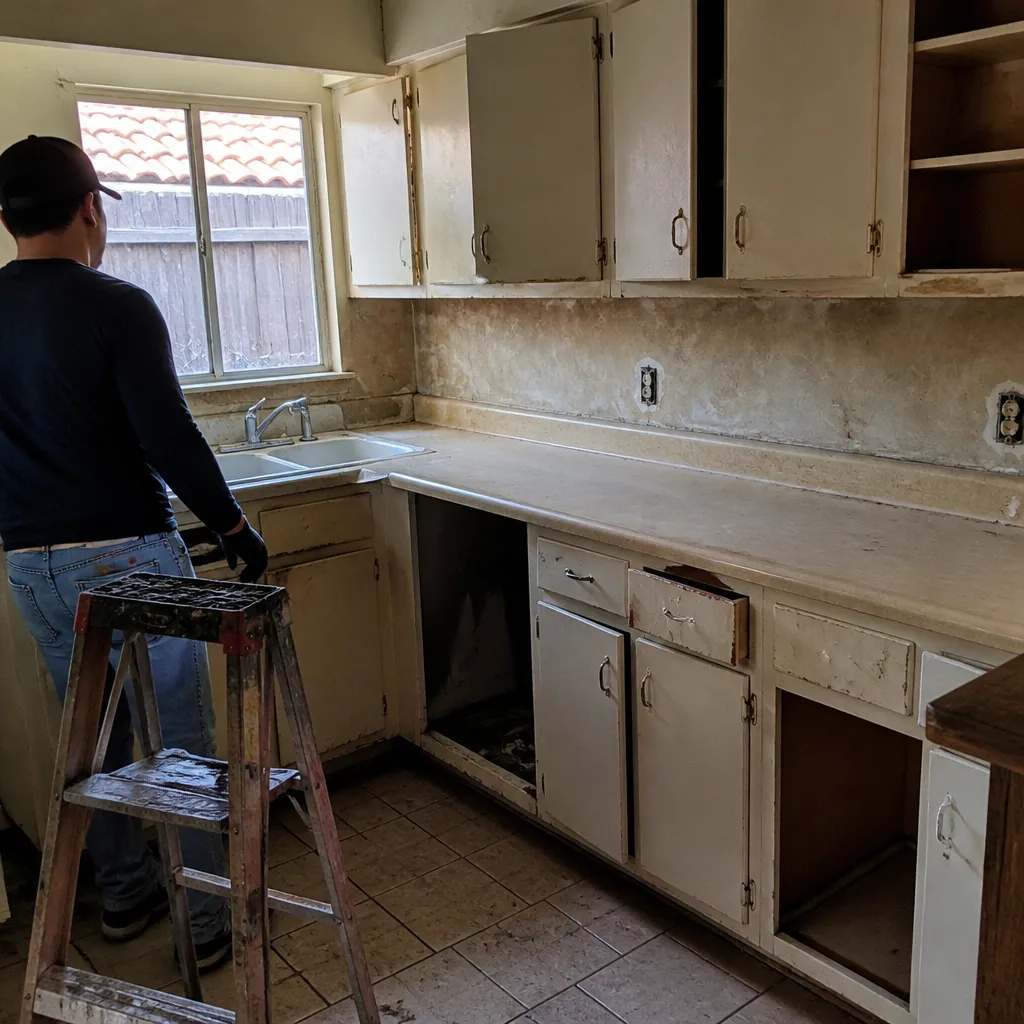 Before
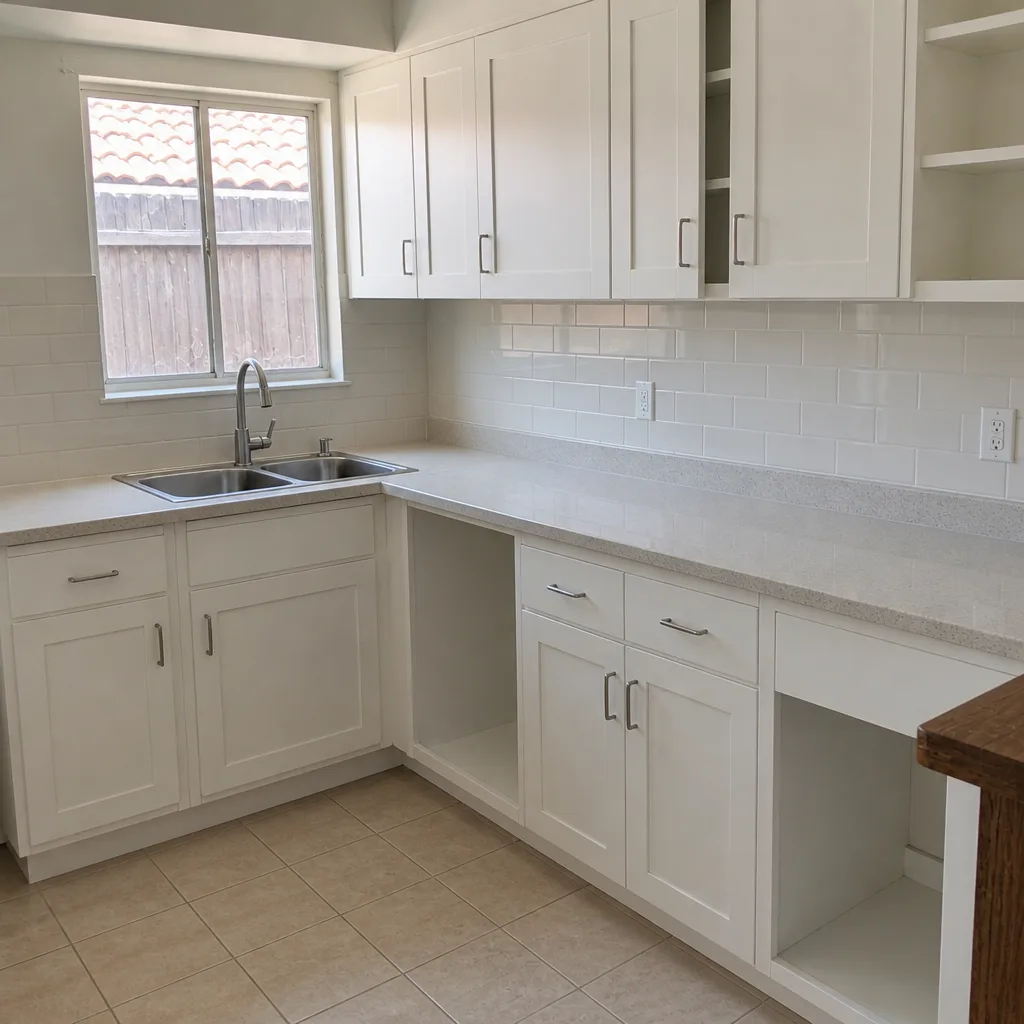 After
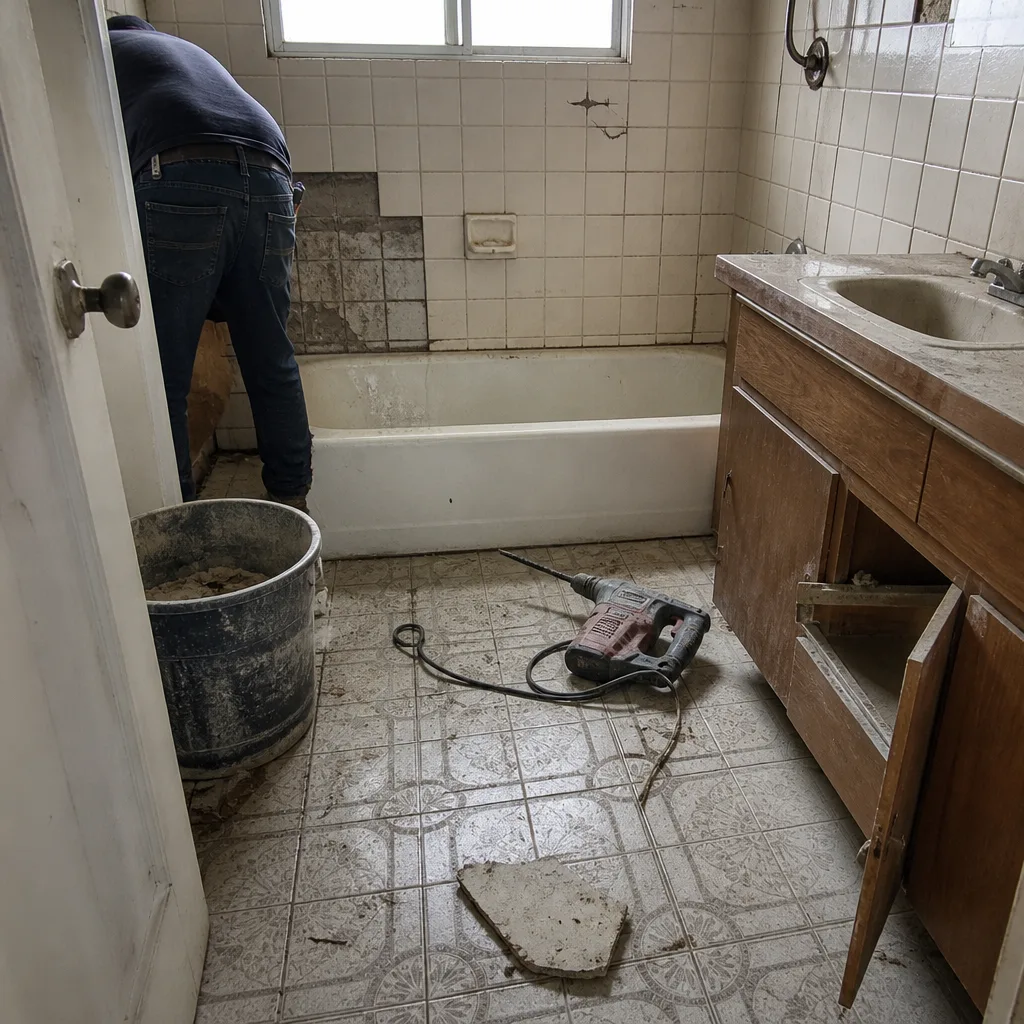 Before
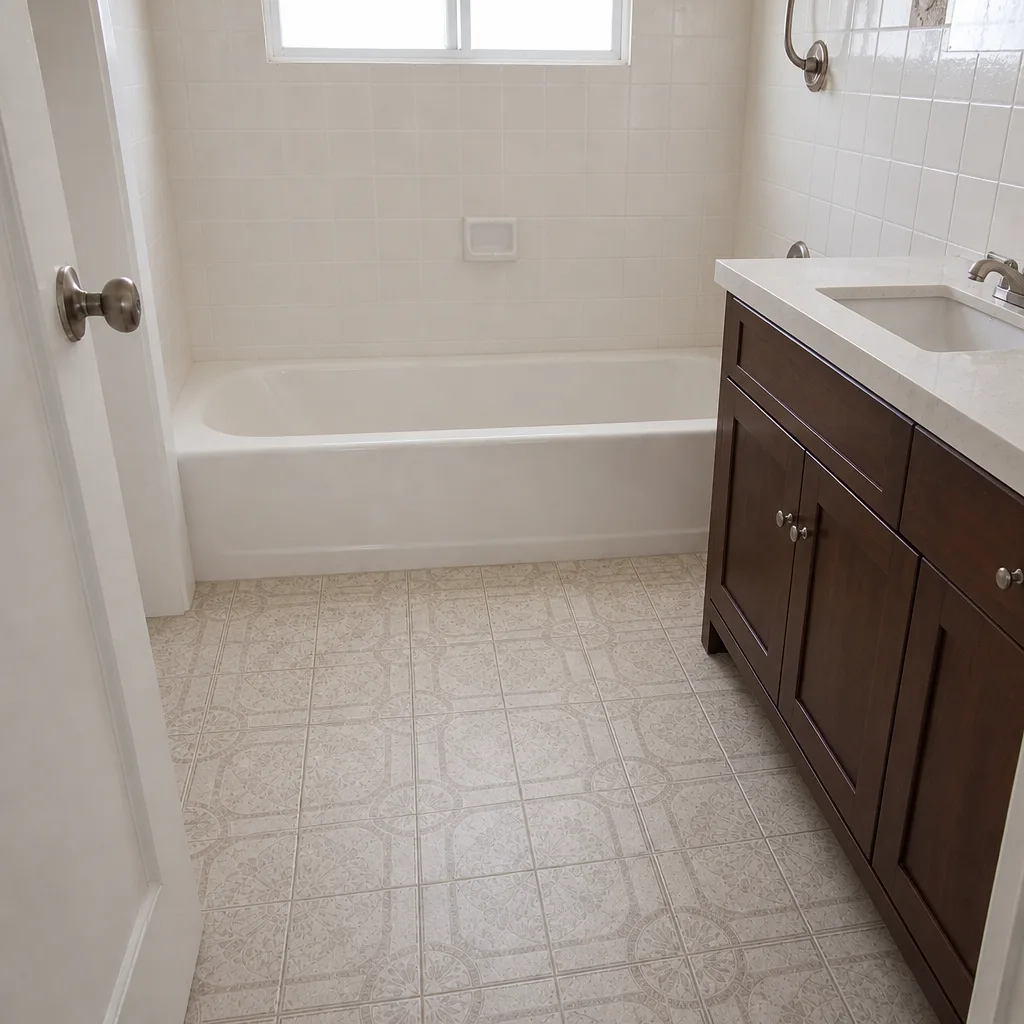 After
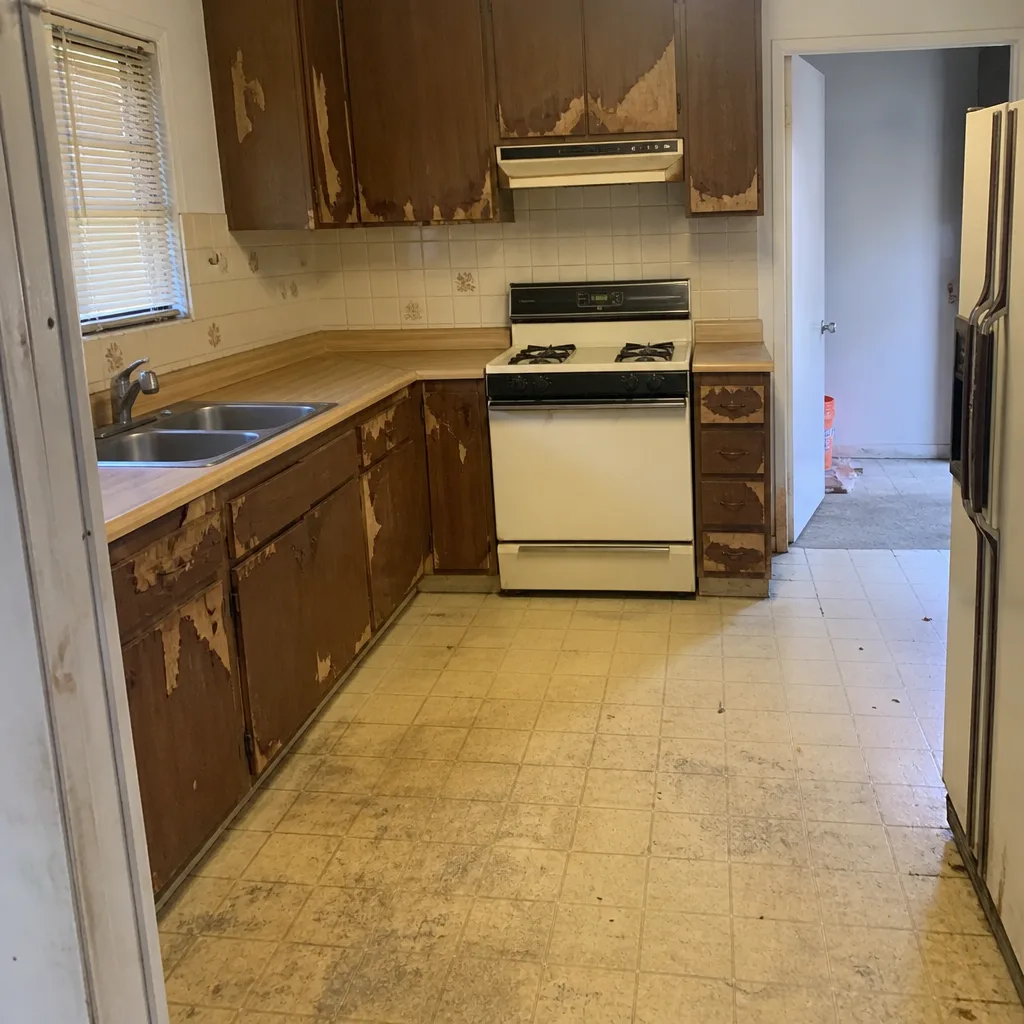 Before
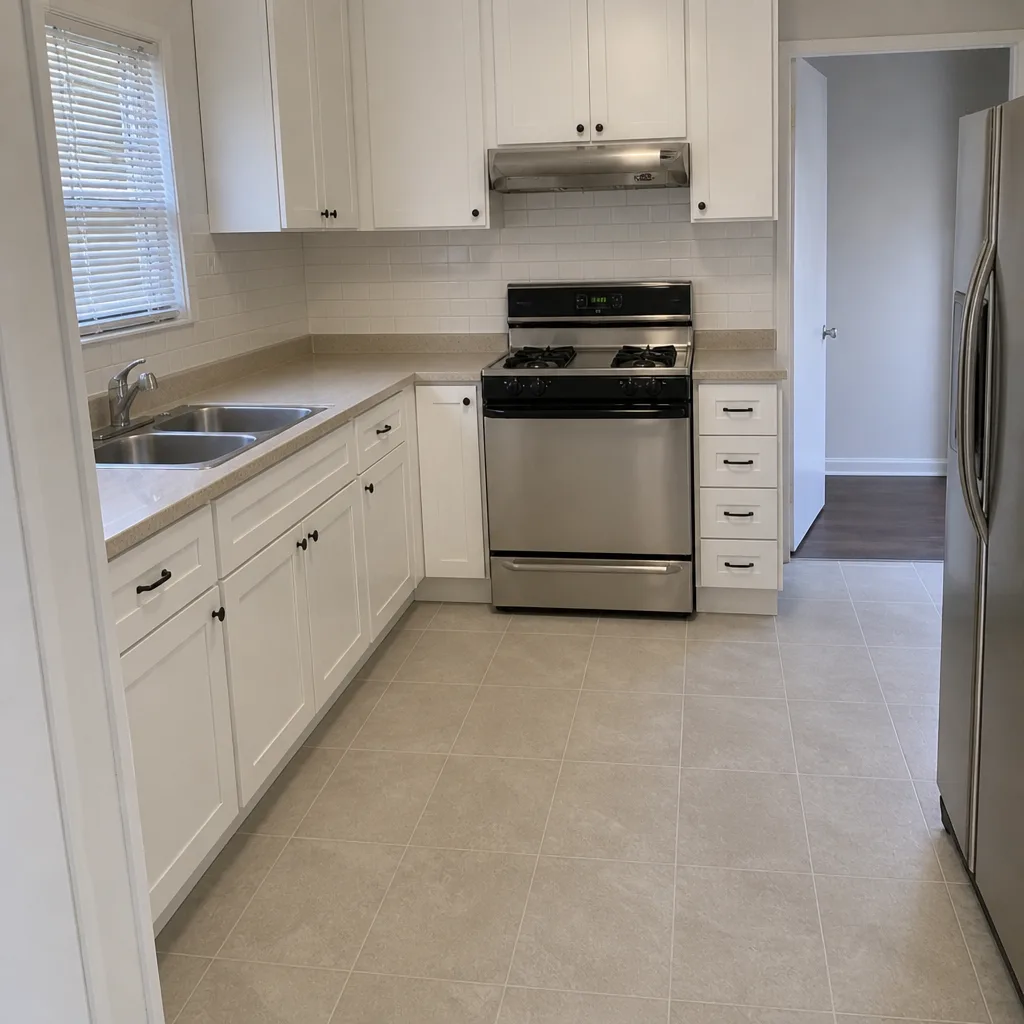 After
When to Call a Professional
Some problems call for an outside eye rather than a fix. Call a professional if a contractor gives you no written price before demo day, refuses to pull permits, asks for a front-loaded payment schedule, or won’t provide a license number you can verify through the CSLB. Call us if the job has stalled, if you suspect unpermitted work, or if a first contractor’s bid vanished into “unforeseen” add-ons and you need a plain written number to compare. Penhallow Remodeling Anaheim offers free estimates in Anaheim, with a written price before any work starts and a live person answering the phone 24/7. Call (844) 320-2908 to schedule your free estimate.
Frequently Asked Questions

No written price before work starts. A contractor who won’t commit to a written number and a written scope is leaving the door open for the price on the invoice to be different from the price you were quoted. Call (844) 320-2908 for an exact written quote, because estimates are free.
Use the CSLB’s free online “Check a License” tool with the license number the contractor provides. Confirm the license is active, the business name matches your contract, and the bond and workers’ comp status are current. If a contractor won’t give you a license number, that’s your answer.
A deposit tied to contract signing and followed by milestone payments is normal. A deposit that front-loads most of the job cost before any work or materials are delivered is a warning sign. Your payment should track visible milestones, and each payment should be documented with an invoice.
An allowance is a placeholder price for something not yet chosen, such as tile or fixtures. The dollar amount is a budget, not a promise. If your actual selection costs more than the allowance, the difference comes out of your pocket. Ask what happens when the actual cost exceeds the allowance, and get that answer in writing.
Document everything with dated photos and written messages, put your concerns in an email to the contractor, and know your stop-work rights. If the contractor is unlicensed, dangerous, or has abandoned the job, file a complaint with the CSLB. Call (844) 320-2908 for a free second opinion on what you’re looking at.
Older Anaheim homes often hide galvanized plumbing, aging electrical, and water damage behind tile and drywall. A contractor who doesn’t ask about those systems during the estimate is planning to bill for them later. Every solid Anaheim bathroom remodel bid should name the moisture layer and the plumbing plan before demo, not after.
The Bottom Line
The warning signs that matter most in remodeling aren’t the dramatic ones. They’re the missing scope line, the allowance that turns into a surprise, the front-loaded payment, and the contractor who won’t pull a permit. Read the bid, verify the license on the CSLB site, and require a written price and a written guarantee before work starts. Every one of those checks is cheap, and together they prevent the most expensive mistakes in the business. For a broader look at how a remodeling company should operate from day one, see our general contractor in Anaheim page. Whatever your project, Penhallow Remodeling Anaheim is here for a free estimate. Call (844) 320-2908 to schedule yours.
Written by the team at Penhallow Remodeling Anaheim.